President Trump has delayed tariff increases on upholstered furniture, kitchen cabinets, and vanities for another year to support ongoing trade negotiations, while maintaining existing tariffs on certain wood products due to national security concerns related to foreign reliance and trade practices.
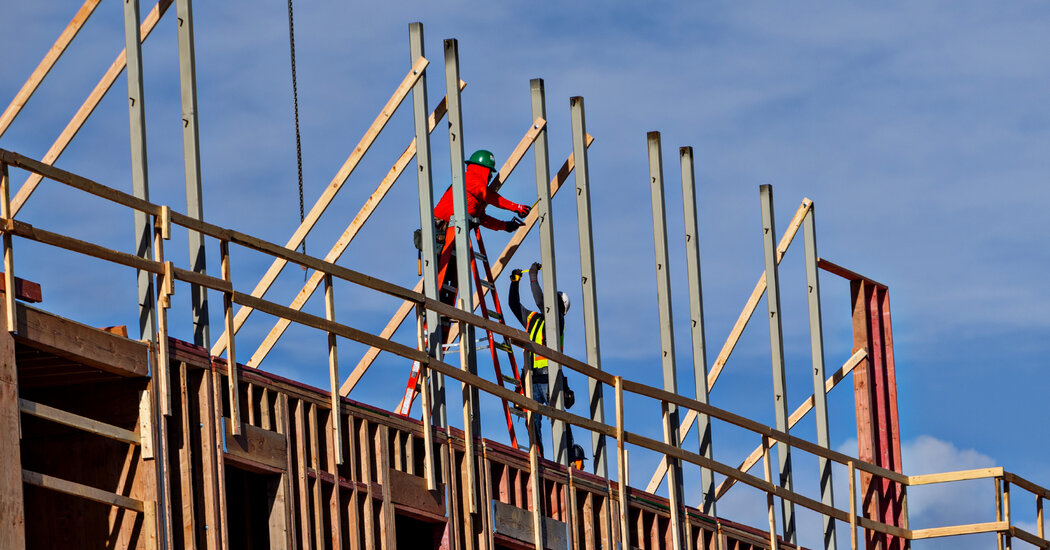
President Trump implemented new tariffs ranging from 10 to 50 percent on imported lumber, furniture, and kitchen cabinets to boost domestic manufacturing, while also threatening to escalate the trade war with China by potentially imposing additional tariffs and restrictions, which has caused market volatility and concerns over economic slowdown.
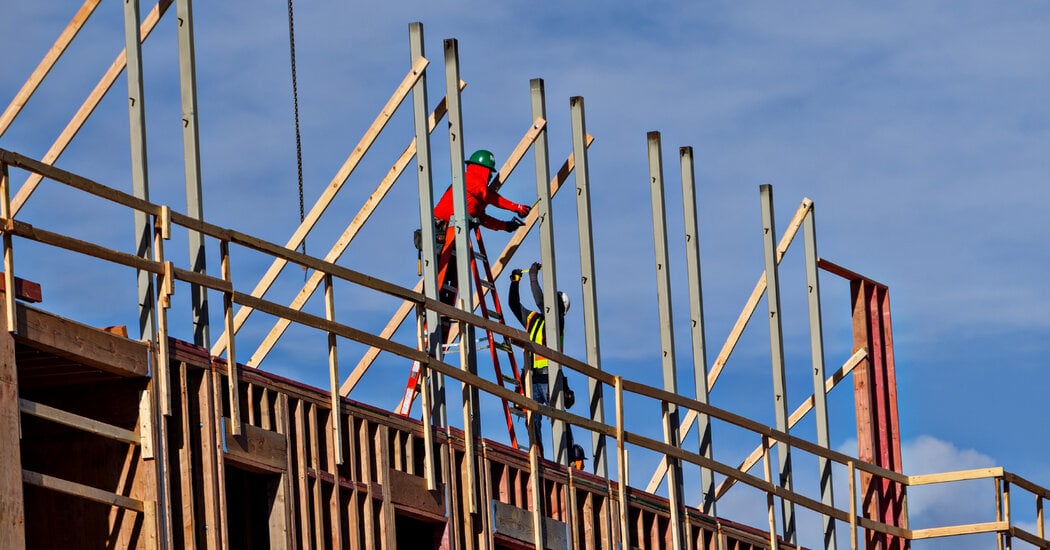
President Trump implemented new tariffs ranging from 10 to 50 percent on imported lumber, furniture, and kitchen cabinets to boost domestic manufacturing, but critics warn these tariffs could increase prices for consumers and slow industries like home building, amid ongoing trade tensions with China.
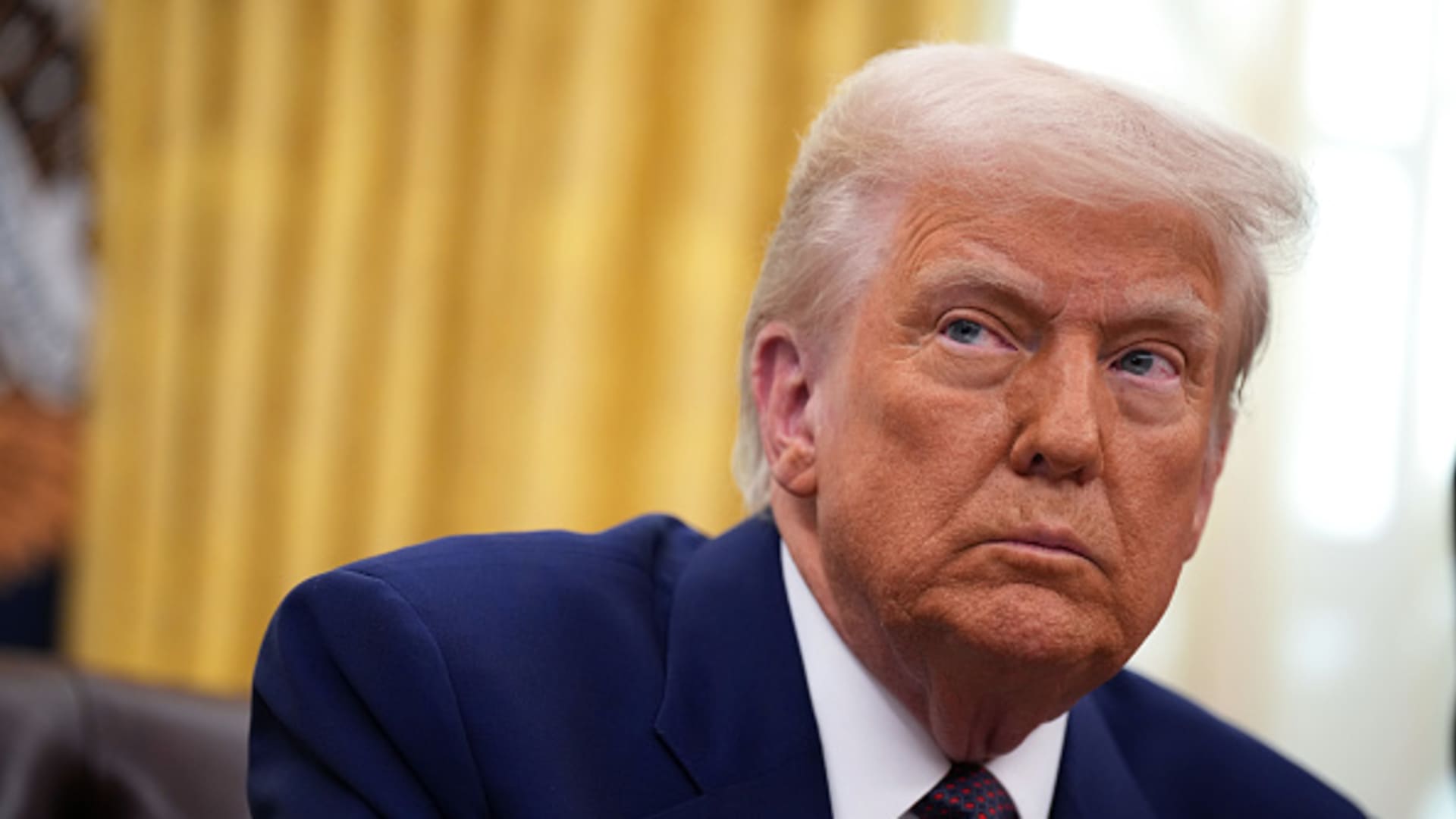
President Trump announced new tariffs of 10% on imported timber and lumber, and 25% on kitchen cabinets, bathroom vanities, and upholstered furniture, starting October 14, citing national security concerns and economic impacts on US industries, with plans to increase duties in the future.
President Trump announced new tariffs of 10% on lumber and 25% on cabinets and furniture imports, citing national security concerns, with plans to increase duties if countries do not reach agreements, impacting major trading partners like Canada, Mexico, and Vietnam.
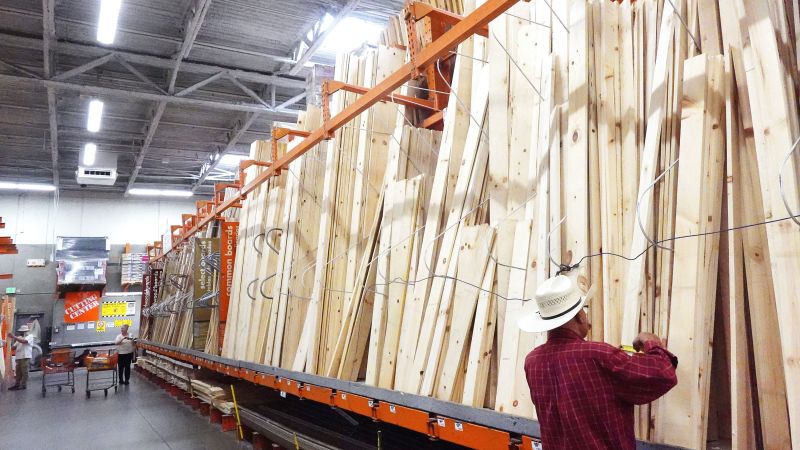
President Trump announced new tariffs on imported lumber (10%) and wooden furniture (25%), with plans to increase these rates in January, citing national security and support for domestic industries, though industry experts warn these tariffs could raise costs and impact housing affordability.
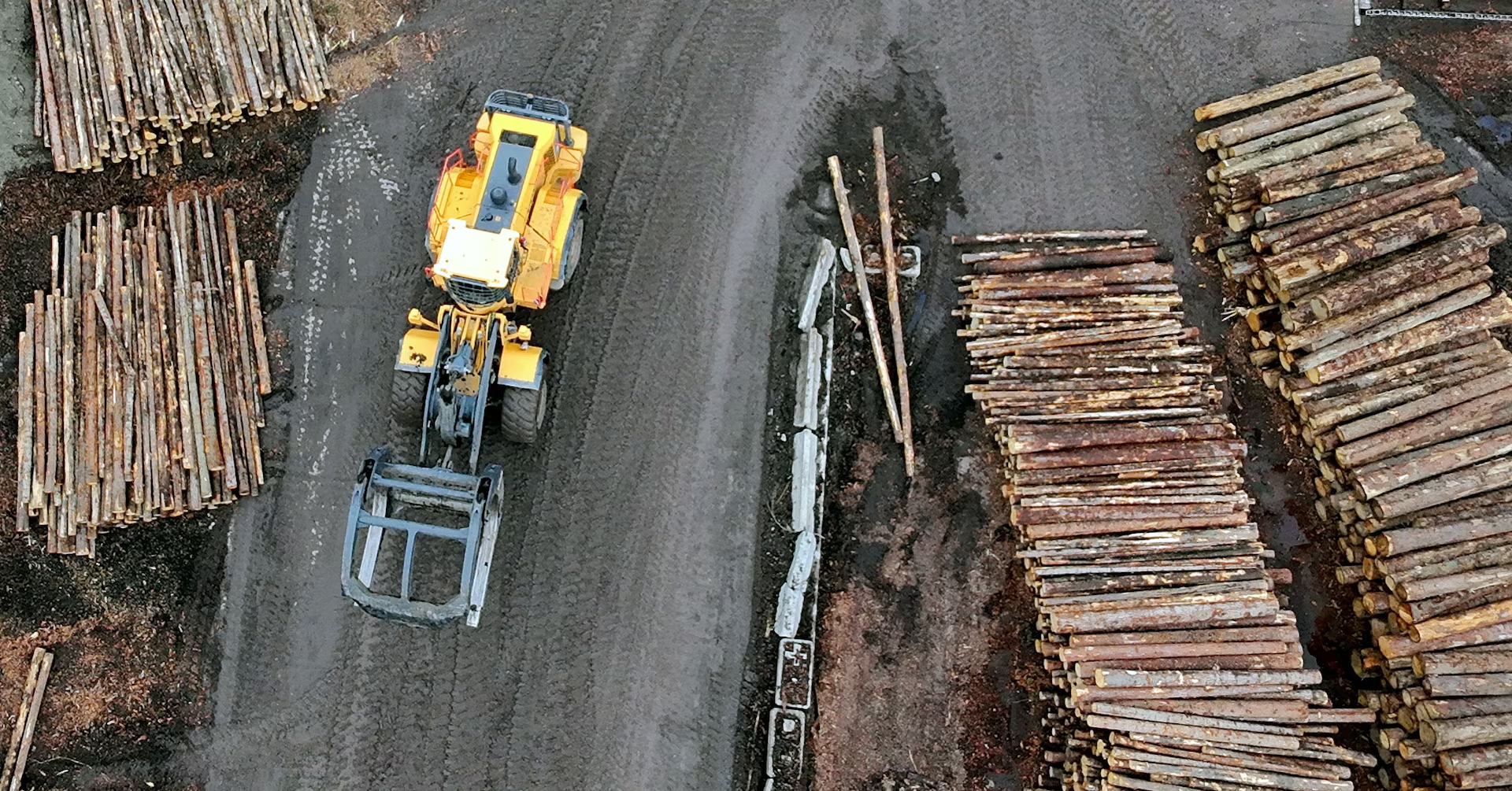
President Donald Trump signed a proclamation imposing tariffs on imports of timber, lumber, and related products to protect U.S. industry and national security, citing foreign subsidies and supply chain vulnerabilities, with specific tariffs set for various products and trade partners.
The President of the United States issued a proclamation to adjust tariffs on timber, lumber, and related products due to concerns that current import levels threaten national security by weakening domestic industry and supply chains. The measures include implementing tariffs ranging from 10% to 50%, with plans to monitor and negotiate with trade partners to address these security concerns and bolster domestic production and resilience.
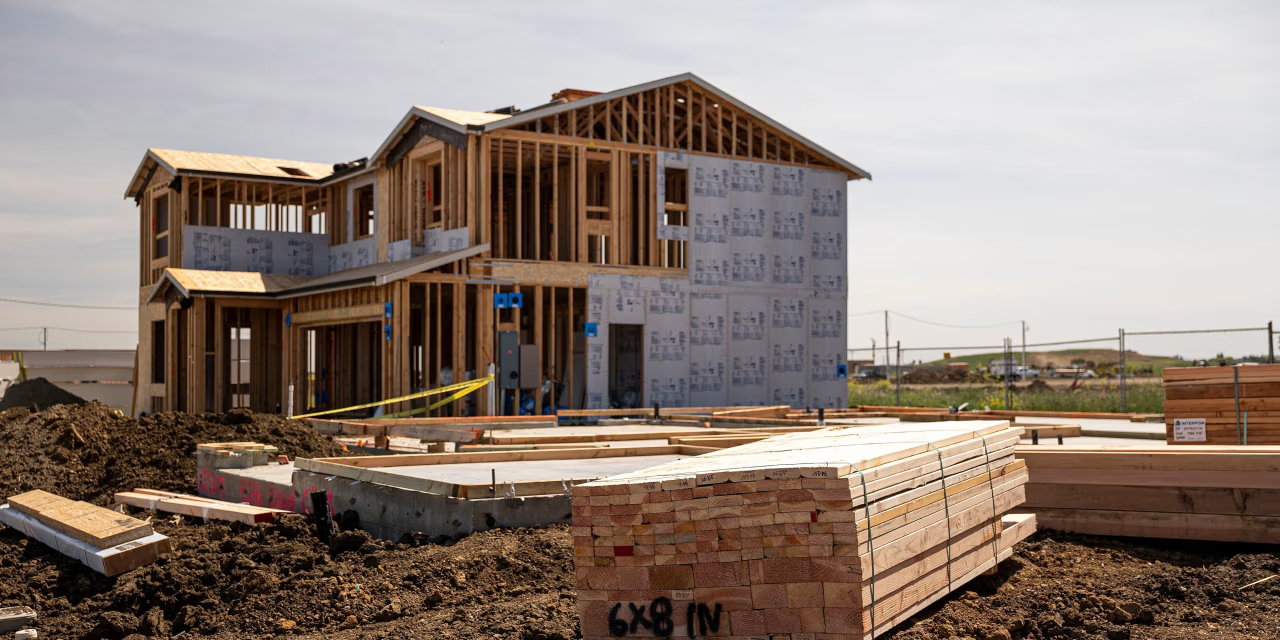
The lumber-futures contract, which saw a surge in demand and prices during the Covid-19 pandemic, has been discontinued due to lack of trading activity. The contract, which allowed buyers to purchase lumber at a set price for delivery at a future date, faced market volatility and a decline in demand as the pandemic waned.