
Tag

Low Water Levels

All articles tagged with #low water levels

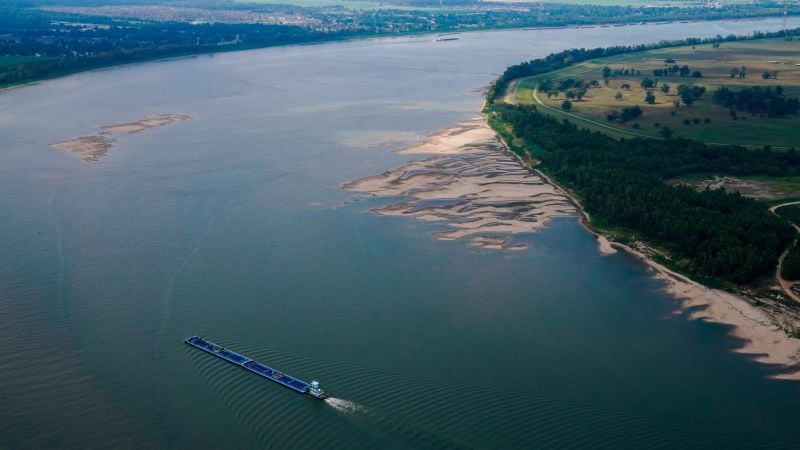
"Mississippi River Water Levels Plummet for Second Consecutive Year, Limiting Barge Shipping and Farmers' Crop Movement"
environment2 years ago

"Mississippi River Water Levels Plummet for Second Consecutive Year, Limiting Barge Shipping and Farmers' Crop Movement"

Water levels along the Mississippi River are plummeting for the second year in a row due to extreme drought caused by blistering heat and low rainfall. The low water levels have made a unique rock formation accessible by foot and raised concerns about water supply for farmers and barge deliveries. Exceptional drought has spread across parts of Texas, Louisiana, and Mississippi, while extreme drought is present in several Midwest states. The drought is impacting tourism, road access, and saltwater intrusion into drinking water systems. The Army Corps of Engineers is increasing the size of a levee in Louisiana to prevent further saltwater intrusion. The treacherously low river is impeding barge traffic and causing transportation costs to soar. Experts warn that these conditions will become more frequent without efficient climate adaptation projects and the phasing out of fossil fuels.
"German Industry Adapts to Drying Rhine River, Shifts Strategy"
business2 years ago

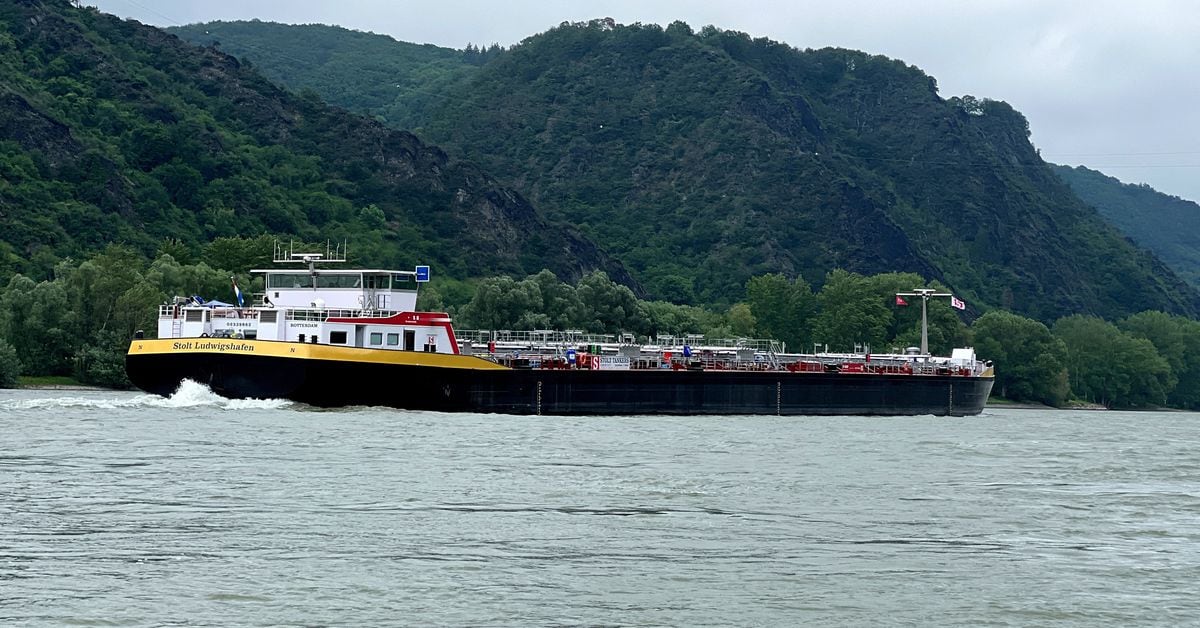
"German Industry Adapts to Drying Rhine River, Shifts Strategy"

German industry is facing disruptions in transportation as low water levels on the Rhine river, a major commercial artery, become more frequent due to climate change. The Rhine is crucial for inland shipping of goods, but extended periods of low water levels have limited the capacity of cargo vessels. Companies like Covestro and BASF have resorted to chartering low-water barges to maintain their supply chains. The impact of low water levels extends beyond big businesses, with the German economy experiencing a decline in GDP and industrial production during previous dry spells. While logistics firms are benefiting from rising demand for vessels adapted to lower river levels, the lack of capacity, infrastructure, and personnel for alternative transportation options remains a challenge for the industry.