UN Secretary-General Antonio Guterres urged world leaders at the COP28 climate summit to plan for a future without fossil fuels, emphasizing the need to stop burning all fossil fuels to curb global warming. The summit also reached an agreement on the creation of a "loss and damage fund" to assist poor countries affected by climate change, but only $700 million was dedicated to the fund, falling short of the $100 billion requested by developing nations. Additionally, political tensions surrounding the war in Gaza overshadowed the talks, with some leaders criticizing Israel's actions and breaking the unspoken agreement to avoid politics at the climate summit.
Wealthy nations, including the United Arab Emirates and Germany, made significant financial pledges at the UN climate summit, putting pressure on countries like China to contribute to climate finance. The UAE's $100 million pledge was particularly notable as it challenged the traditional divide between developed and developing nations in climate talks. The United States pledged $17.5 million, while Japan pledged $10 million. The pledges will go towards a "loss and damage" fund to compensate for the impacts of climate change. However, some critics argue that the initial funding pledges are inadequate compared to the financing needs.
At COP28, delegates have agreed to launch a long-awaited fund to pay for damage caused by climate-driven storms and drought. The EU, UK, US, and others have immediately announced contributions totaling around $400 million for poor countries affected by climate change. This surprise decision on day one of the conference is seen as a smart move by the UAE, which has been criticized for its plans to discuss fossil fuel deals. The fund aims to address the impacts of climate-related weather events that many countries suffer from, providing financial support for losses and damages. This agreement sets the stage for further ambitious action on climate change during the summit.
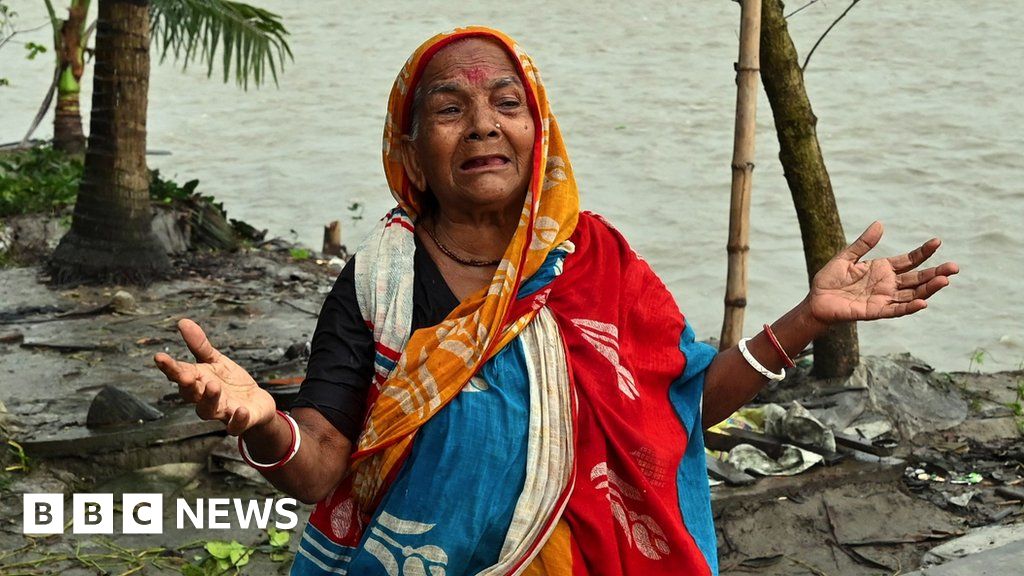
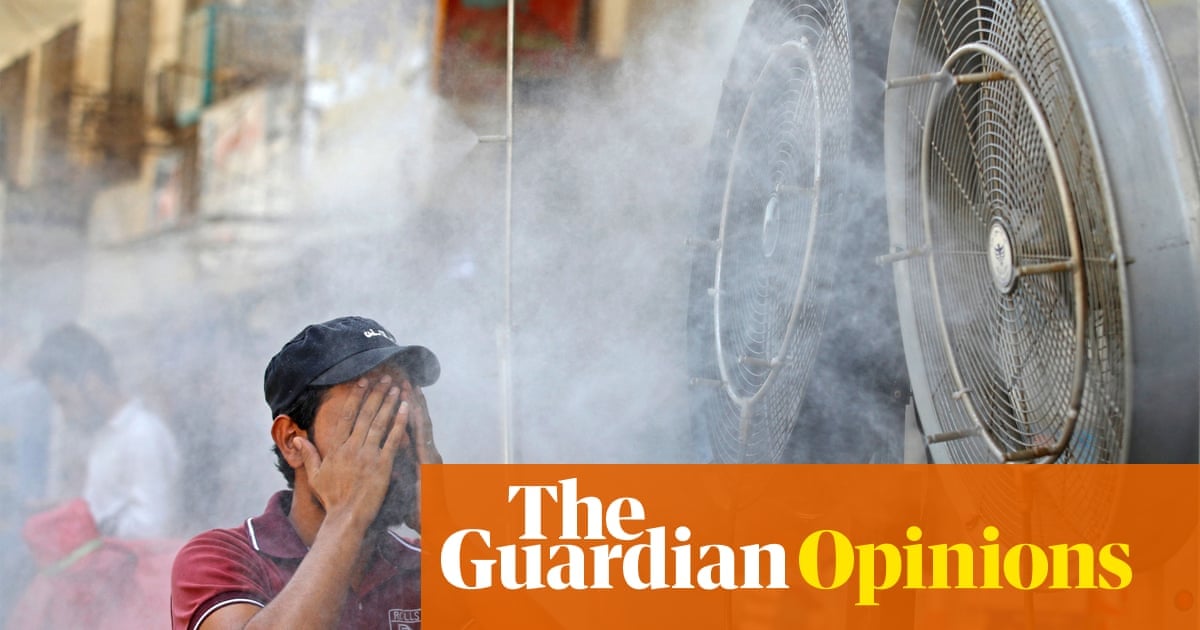
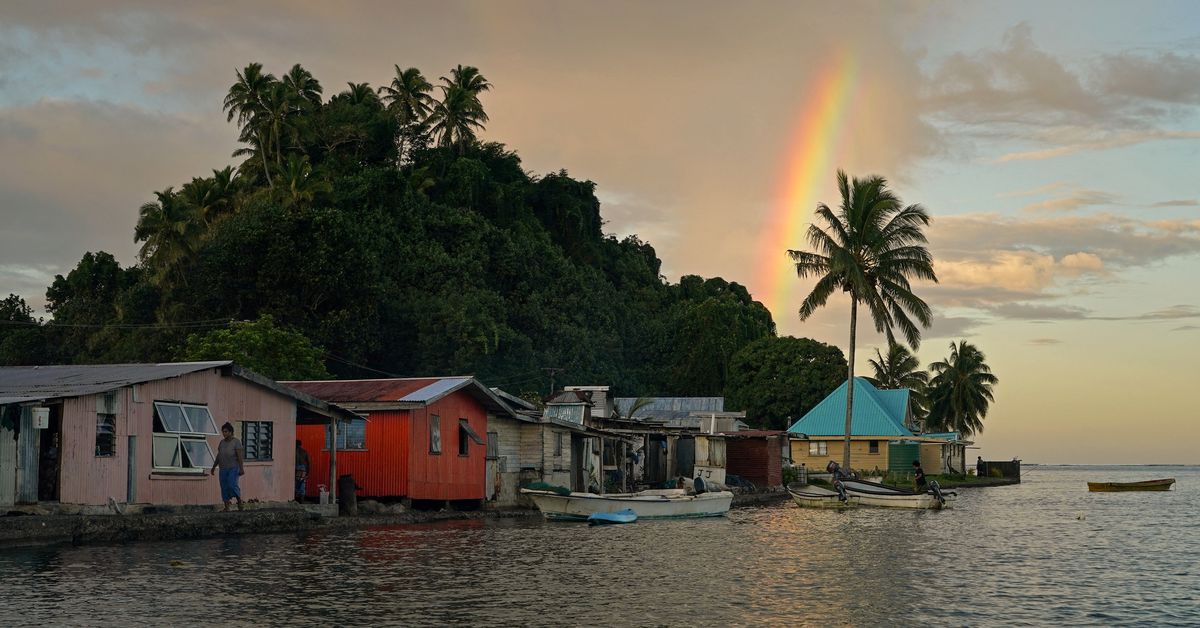
The climate crisis is characterized by a triple inequality: the disparity in responsibility for causing the problem, the disparity in experiencing its impacts, and the disparity in available resources for mitigation and adaptation. The regions most affected by global heating, such as sub-Saharan Africa, are expected to experience rapid population growth but contribute the least to emissions. The poorest and most vulnerable bear the brunt of the crisis, while the rich drive a productive system that destabilizes the environment. The article emphasizes the need for a loss and damage fund to compensate countries most affected by climate change and calls for a comprehensive energy transition and inclusive sustainable development models to address the triple inequality.
The World Bank is set to host a "loss and damage" fund aimed at helping poor countries affected by climate disasters, despite concerns from developing nations and the United States. The fund, which was hailed as a breakthrough at last year's UN climate talks, has faced challenges in reaching consensus on details such as funding and location. Developing countries have raised concerns about the World Bank's influence and high fees for recipients. To address these concerns, it was agreed that the World Bank would serve as an interim trustee and host for a four-year period. However, there is still disagreement on whether wealthy nations should have a strict financial obligation to contribute to the fund. The recommendations will be presented at the upcoming COP28 climate summit in Dubai.
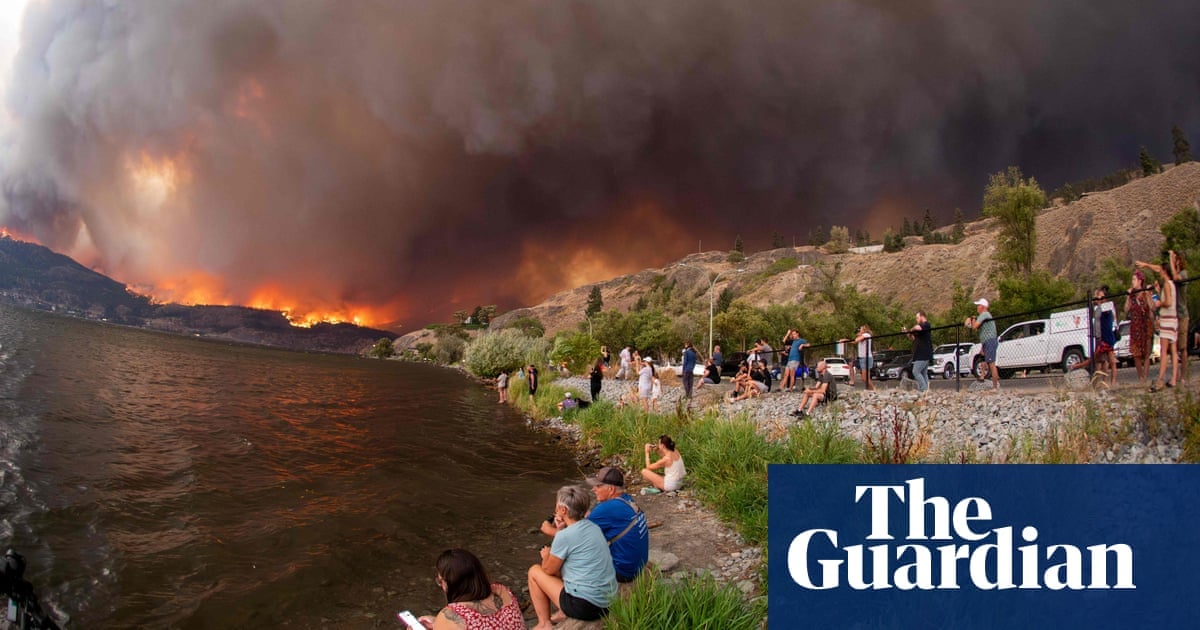
The climate crisis has resulted in extreme weather events that have cost an estimated $16 million per hour over the past 20 years, according to a new study. Storms, floods, heatwaves, and droughts have caused significant damage and loss of life, with global heating exacerbating their frequency and intensity. The study, which calculated the increased costs directly attributable to human-caused global heating, found an average annual cost of $140 billion from 2000 to 2019. However, the figures are likely to be underestimated due to a lack of data, particularly in low-income countries. The study's findings could be used to determine funding for a loss and damage fund established at the UN's climate summit in 2022 and aid in faster delivery of funds for recovery from extreme weather disasters.
Climate negotiators representing multiple countries are discussing the details of the United Nations' "loss and damage" fund, which aims to provide compensation for poor nations affected by climate change. The fund's location, management, eligibility criteria, and funding sources are being determined. The committee is considering whether to host the fund within existing institutions like the IMF or create a new one. Loss and damage funding covers expenses related to extreme weather, ecosystem destruction, and non-economic losses. Small island developing states and least developed countries are advocating for this funding, which is estimated to reach $671 billion annually by 2030. However, current funding is less than $500 million per year. The conversation around climate reparations is gaining momentum, but resistance remains, and many believe that additional financing mechanisms, such as taxes and levies, are needed to meet the funding requirements.