Tag

Local Government Debt

All articles tagged with #local government debt

economy1 year ago

China Set to Reveal Major Economic Stimulus Plan Amid Global Focus

China is expected to announce a significant fiscal stimulus package following a parliamentary meeting, as authorities aim to bolster the economy and address the real estate market slump. The package may include increased government debt and spending, with a focus on managing local government debt issues. Analysts anticipate more fiscal support, especially after Donald Trump's election win, but caution that Beijing might remain conservative in its approach. The stimulus could involve raising the debt issuance limit for local governments to manage hidden debts and reduce interest payments.
economy1 year ago

China Considers Boosting Local Government Borrowing Limits

China's parliament standing committee is reviewing a proposal to increase the local government debt limit to address hidden debt issues, as local authorities face financial challenges due to declining revenue from land sales. Finance Minister Lan Fo’an discussed the plan, which could involve approving an additional 10 trillion yuan in debt quota over the next few years. This move is part of broader fiscal support measures expected to be approved to bolster China's slowing economy.

economy1 year ago

China Prepares Major Fiscal Stimulus Amid Global Uncertainty

China's lawmakers are meeting to approve a significant fiscal stimulus package aimed at boosting the economy, which has been struggling due to a prolonged property slump and local government debt issues. The package, expected to be the largest since the pandemic, will focus on resolving local government debt and stimulating domestic demand. Analysts suggest China needs to spend up to Rmb10tn over three years, but caution that the measures may not significantly boost demand or consumer confidence. The National People's Congress is expected to announce details of the package soon.

economy2 years ago

IMF boosts China's growth forecasts amid policy moves and economic threats

The International Monetary Fund (IMF) has upgraded China's GDP growth forecast for 2023 to 5.4%, citing a strong post-COVID recovery. However, the IMF expects slower growth in 2024 due to weakness in the property sector and subdued external demand, projecting a growth rate of 4.6%. The upward revision follows China's approval of a 1 trillion yuan sovereign bond issue and measures to support the economy. The IMF also highlighted the need for further policy support in the real estate sector and addressing local government debt risks to secure a sustainable recovery.

economy2 years ago

China's High-Level Meeting: Real Estate, Local Debt Cleanup, Financial Development, and Party Control

China expressed support for property developers and addressing local government debt issues during a high-level financial meeting. The conference emphasized treating private and state-owned developers equally and meeting their reasonable funding demands. Beijing aims to establish long-term mechanisms to resolve local government debt and optimize the structure of central and local government debt. While the government has eased restrictions on home purchases and provided support for developers, it has not implemented a full-scale bailout for the struggling real estate sector. The meeting also highlighted the Chinese Communist Party's increased oversight of finance and focused on regulatory pressure to prevent new risks.

economy2 years ago

China Implements Measures to Address Local Government Debt Crisis

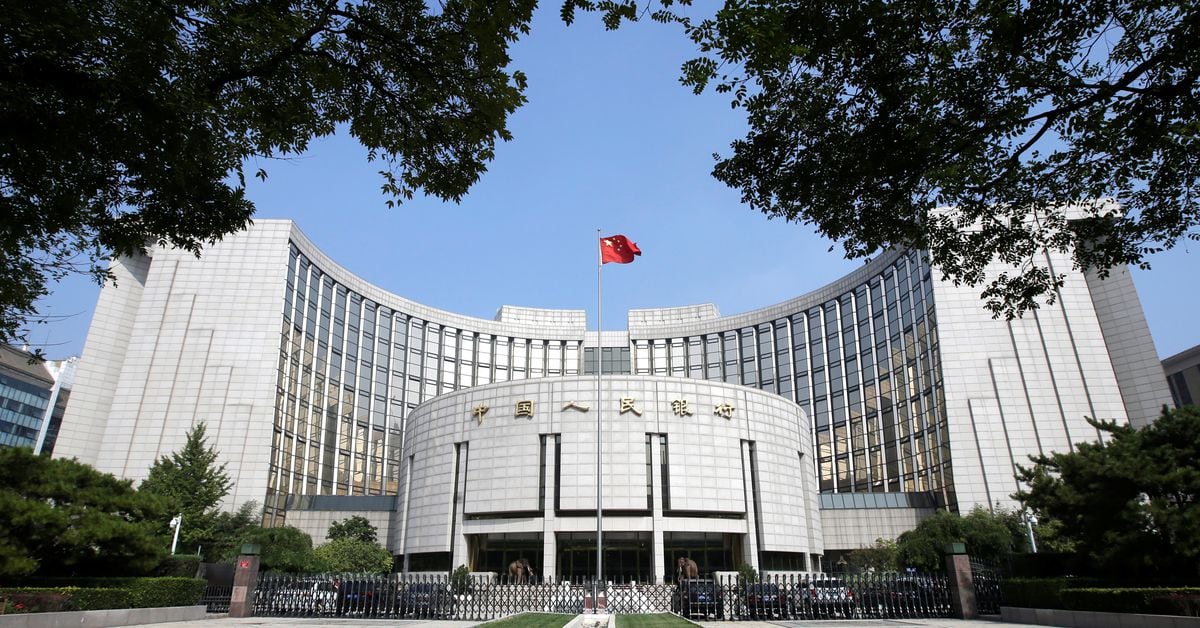
China has instructed state-owned banks to extend the terms, adjust repayment plans, and reduce interest rates on existing local government debt in an effort to mitigate debt risks and support the faltering economy. Local government debt in China has reached 92 trillion yuan ($12.58 trillion), representing 76% of the country's economic output. The debt restructuring measures aim to prevent defaults and ensure banks do not incur heavy losses. The People's Bank of China (PBOC) will also establish an emergency liquidity tool to provide short-term loans to local government financing vehicles (LGFVs). The move comes as China faces a deepening property crisis and mounting economic risks.

economy2 years ago

China's Pledge to Tackle Local Government Debt Risks with Coordinated Support

China's central bank, the People's Bank of China (PBOC), has pledged to coordinate financial support to address local government debt risks, as concerns grow over the spillover effects of the country's deepening property crisis on its financial system. The PBOC's statement comes after a joint meeting with top financial regulators, and it emphasizes the need to prevent systemic risk and strengthen risk monitoring. Analysts believe that a coordinated rescue package may involve additional funding, debt swaps, and possible debt restructurings. The central government is expected to avoid outright bailouts of troubled municipalities. The PBOC also urged banks to increase lending to support the real economy, while optimizing credit policies for the property sector and providing strong support to small firms, technology innovation, and the manufacturing sector. However, consumer and business sentiment remains cautious, leading to a decline in new bank lending.

economy2 years ago

China's mounting local government debt poses a grave financial risk

Chinese leaders are planning a range of measures to address the risks posed by local government debt, including special bond issuance, debt swaps, loan rollovers, and potentially dipping into the central budget. Local governments in China have accumulated significant debt due to over-investment in infrastructure, declining returns from land sales, and the impact of the COVID-19 pandemic. The extent of Beijing's involvement and the conditions attached to it are still uncertain, but economists believe that decisive and long-lasting measures are necessary to address the municipal debt crisis. The central government may instruct state-owned banks to roll over maturing debt, while local governments could issue bonds to swap for off-balance sheet debt. Beijing may also issue low-cost bonds to replace local debt. However, profound changes to the Chinese economy will be needed to prevent the problem from recurring in the future.