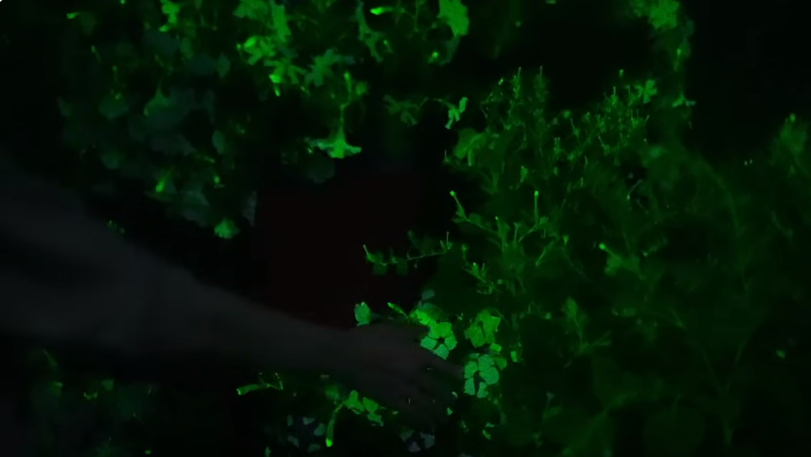
Light Bio, a biotechnology firm, has developed genetically modified petunias that exhibit bioluminescence by inserting genes from a bioluminescent mushroom into the plant, allowing it to produce enzymes that emit sustained greenish light. The petunias, approved by the Department of Agriculture, are now being shipped to the first gardeners in the US and are expected to glow brighter with proper care. The company chose non-invasive petunias to minimize the risk of modified genes spreading into native plants, and the technology is also used for scientific research and decorative purposes.

Light Bio, an Idaho-based startup, has created a glow-in-the-dark petunia that has become an internet sensation, with plans to expand to more petunias, glowing roses, houseplants, and even flowers that light up at the touch of a finger. The company's success with the firefly petunia suggests that genetically engineered plants may be more widely accepted. The plant's glow comes from genes of a bioluminescent mushroom, making it brighter and more sustainable than previous attempts with firefly enzymes.
Light Bio is set to commercially release glowing plants that convert energy into light, with the Firefly Petunia being the first offering. The company has simplified the genetic process, receiving USDA approval to sell these plants. The Firefly Petunia emits a soft glow and is easy to care for, with plans to expand the range of glowing plants and increase their brightness. Preorders are available, and shipments are expected to begin in April to all 48 contiguous states.