Prince Andrew, linked to Jeffrey Epstein's scandal, has stepped down from his royal titles amid ongoing investigations and public pressure, with calls for legal reforms to allow the monarchy to remove titles more easily. Despite relinquishing his titles voluntarily, discussions continue about the possibility of removing his prince status and line of succession, amidst new allegations and US inquiries.

A Michigan man was sentenced to 40-60 years for kidnapping and torturing a woman he stalked for over a decade, including holding her in a soundproof bunker. The case highlights the dangers of stalking and led to changes in protection order procedures in Michigan. The victim, Samantha Stites, shared her harrowing experience and her journey to safety, advocating for other women.
Vietnam has abolished the death penalty for eight crimes, potentially saving a real estate tycoon involved in a $12.5 billion fraud from execution, and replacing it with life imprisonment, as part of broader legal reforms affecting multiple serious crimes.
The report highlights significant issues in data collection and reporting on grooming gangs, emphasizing the disproportionate involvement of Asian men in some areas, and calls for a national inquiry, legal reforms to see children as children, and tighter regulation of taxi licensing to prevent exploitation. The government plans to improve data collection and pursue targeted investigations to address these concerns.
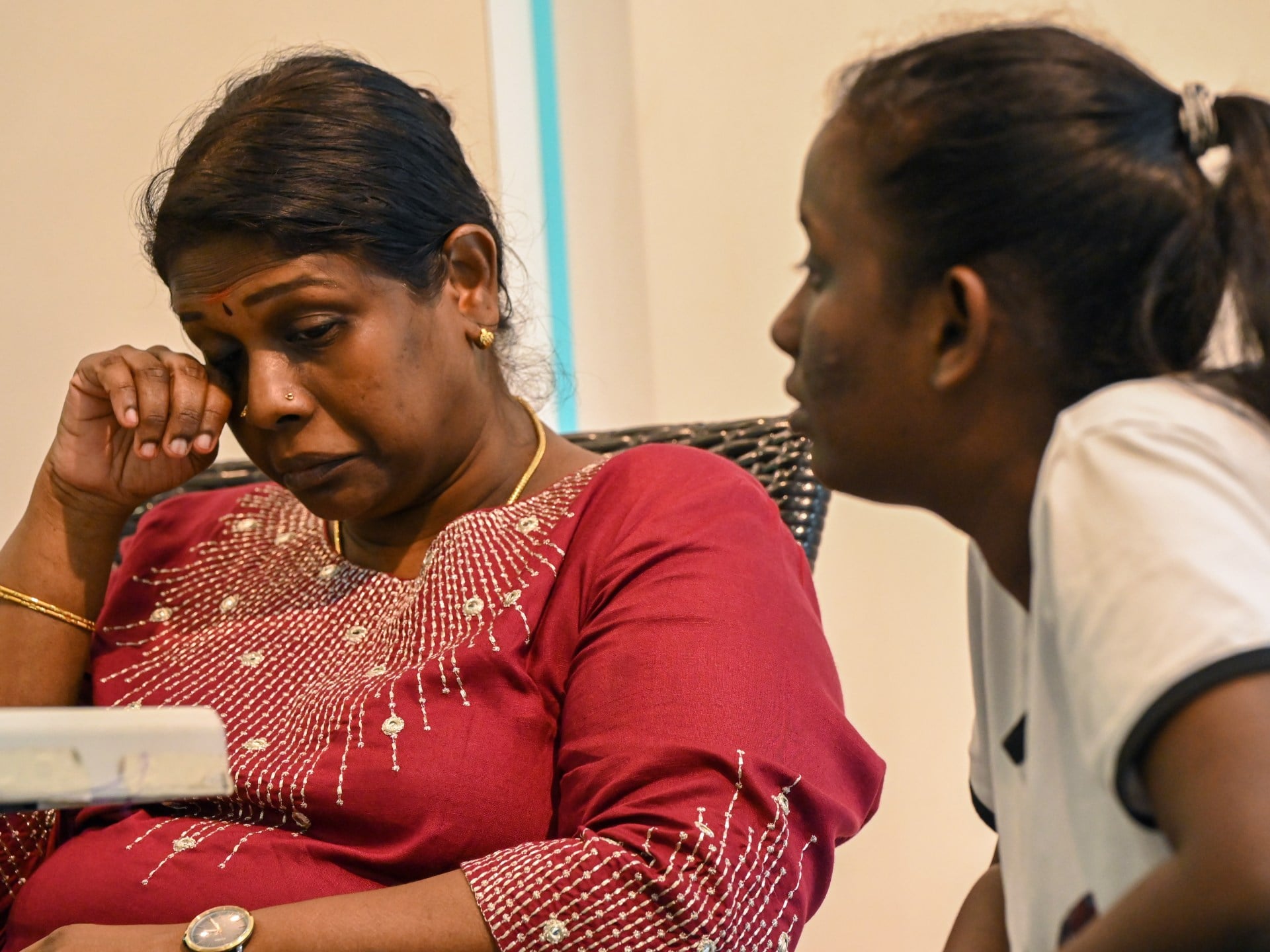
Singapore has executed Tangaraju Suppiah, who was found guilty of trafficking more than 1kg of cannabis, despite appeals for clemency from his family and activists. Tangaraju's family argued that he was not provided with adequate legal counsel and was denied access to a Tamil interpreter while being questioned by the police. The execution was the first in Singapore in six months, following 11 last year. Singapore argues its tough stance is a deterrent to drug trafficking, but the United Nations and human rights groups have criticized the country's use of the death penalty for drug offences.
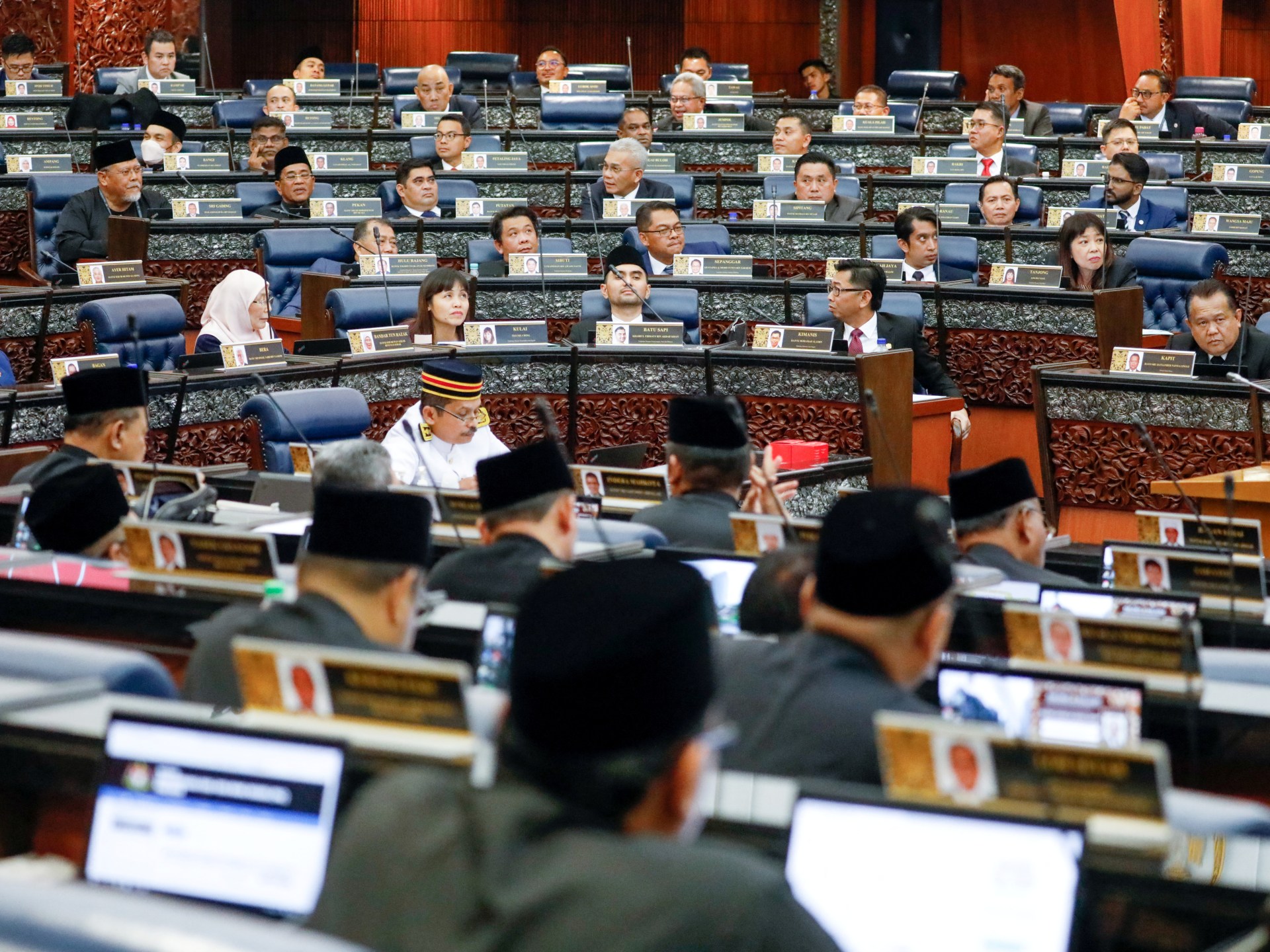
Malaysia's parliament has passed legal reforms to remove the mandatory death penalty, reduce the number of offenses punishable by death, and abolish natural-life prison sentences. Alternatives to the death penalty include whipping and imprisonment of between 30 to 40 years. The move has been cautiously welcomed by rights groups and applies to 34 offenses currently punishable by death, including murder and drug trafficking. More than 1,300 people facing the death penalty or imprisonment for natural life can seek a sentencing review under the new rules.
The lower house of Malaysia's Parliament has approved legal reforms to abolish the mandatory death penalty for some offences. The amendments would apply to 34 offences currently punishable by death, including murder and drug trafficking. The upper house is expected to pass the legislation, which would then be sent to the king to be signed into law. Malaysia has had a moratorium on executions since 2018, but courts have continued to send inmates to death row. Alternatives to the death penalty would include whipping and imprisonment for 30 to 40 years under certain conditions.
Malaysia's parliament has passed legal reforms to remove the mandatory death penalty, reduce the number of offences punishable by death, and abolish natural-life prison sentences. The move has been cautiously welcomed by rights groups. The new amendments will allow alternatives to the death penalty, including whipping and imprisonment of between 30 to 40 years. Life imprisonment sentences will be retained, but the new jail term will replace all previous provisions that call for imprisonment for the duration of the offender's natural life. More than 1,300 people facing the death penalty or imprisonment for natural life can seek a sentencing review under the new rules.