A top court in the Americas has ruled that there is a human right to a stable climate, and states have a legal duty to protect it by reducing emissions, adapting to climate impacts, and holding corporations accountable, emphasizing the importance of urgent climate action for current and future generations.
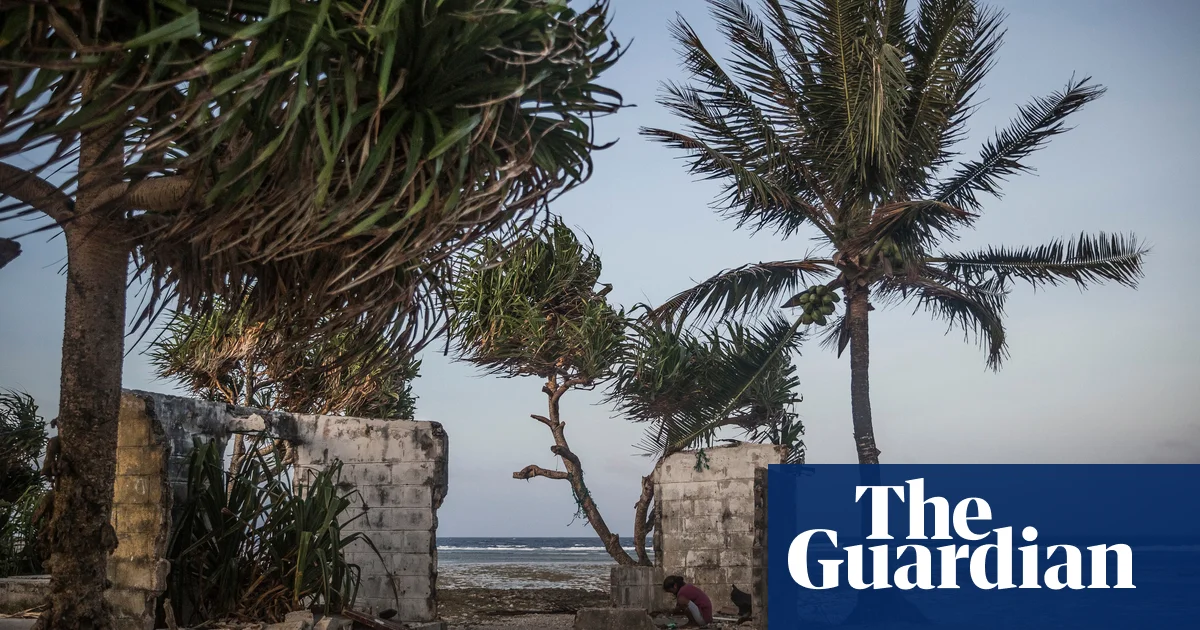
The International Court of Justice (ICJ) is set to begin hearings on a landmark climate change case, focusing on the legal obligations of countries to combat climate change and assist vulnerable nations. Initiated by island nations, the UN General Assembly requested the ICJ's advisory opinion on state responsibilities regarding climate change. Although non-binding, the opinion, expected in 2025, holds significant legal and political weight. The hearings follow criticism of inadequate climate finance agreements at the recent Cop29 summit, highlighting the urgent challenges faced by Pacific nations due to climate change.
After a multi-vehicle crash in Dallas possibly involving Kansas City Chiefs player Rashee Rice, it is unlikely that passengers will face charges for leaving the scene, as Texas legal code does not appear to lay out any specific duties for passengers after a collision. Police are still working to determine who was involved in the crash, and while the drivers could be charged for failing to stop, no suspects have been identified yet. Rice, suspected of driving one of the vehicles, has retained counsel and stated that he is cooperating with the police.
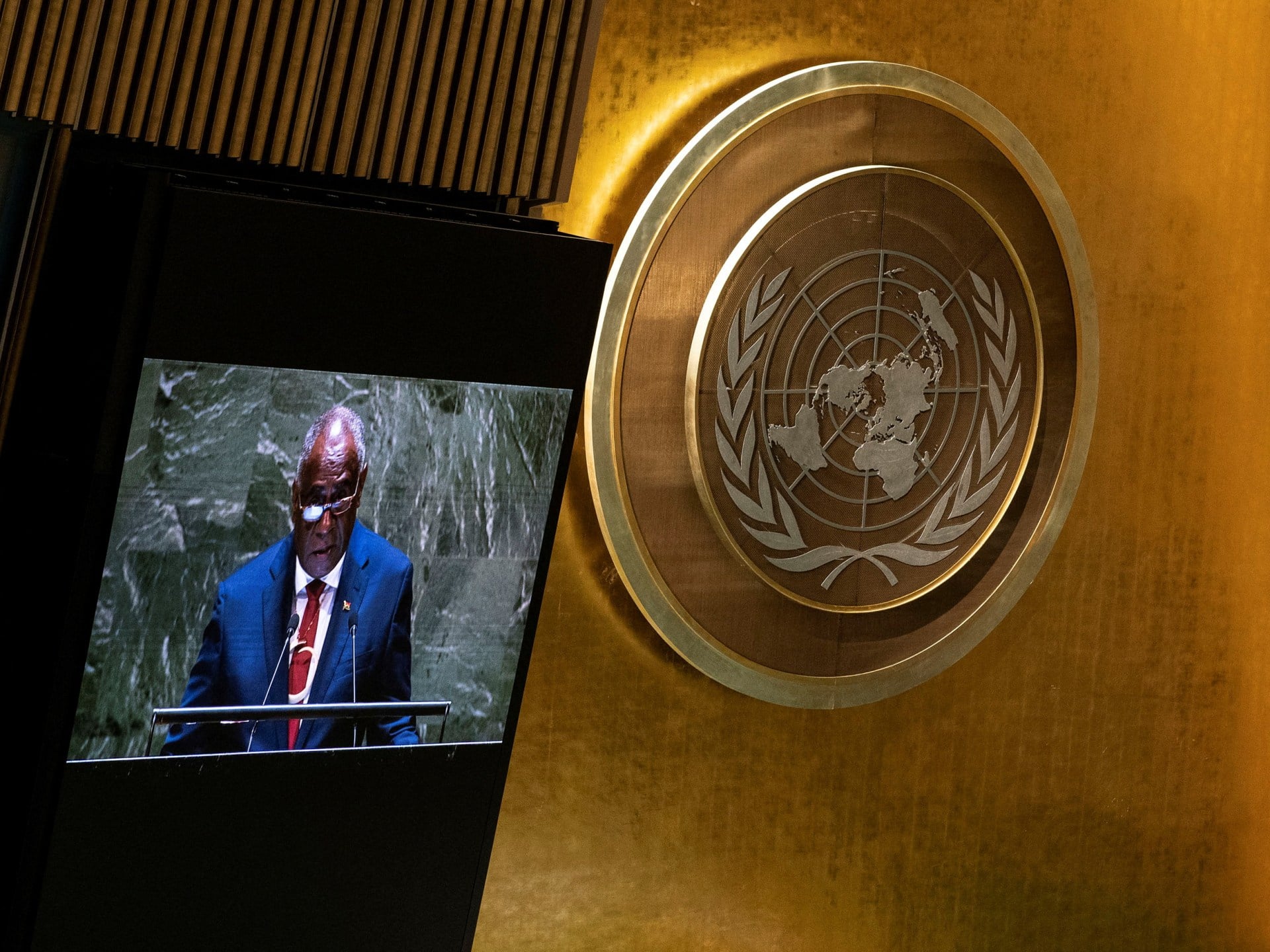
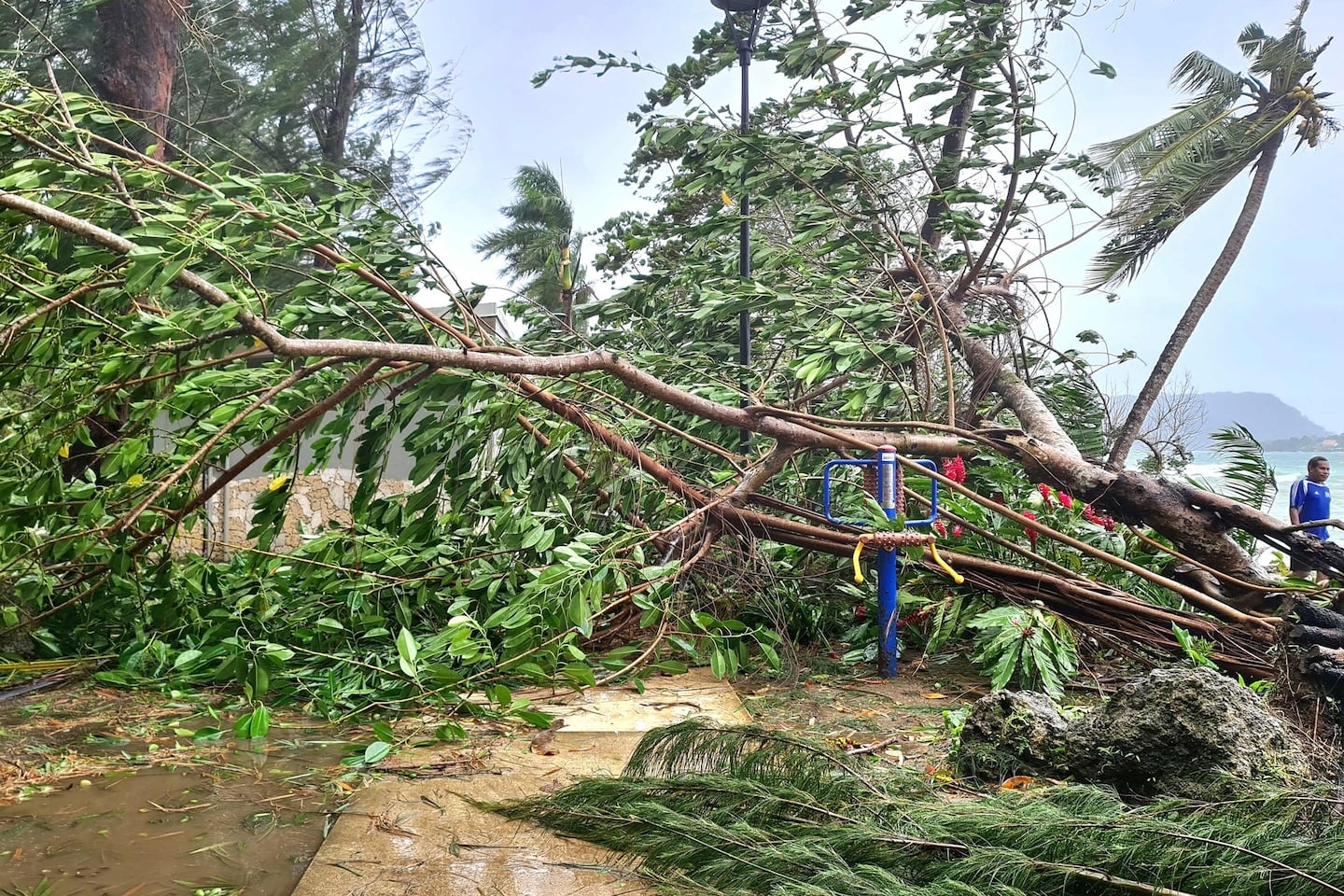
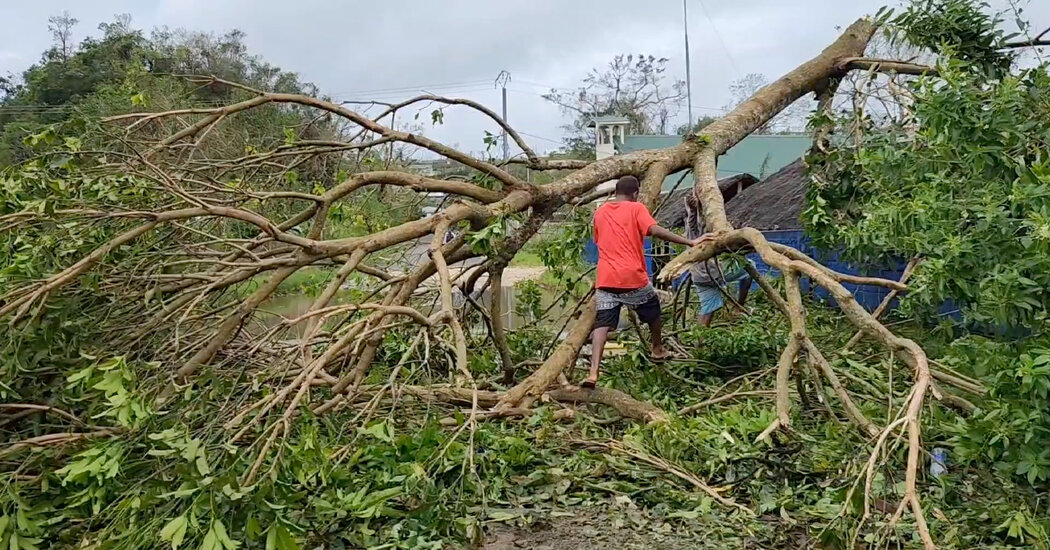
The United Nations General Assembly has adopted a resolution proposed by Vanuatu to seek an opinion from the International Court of Justice (ICJ) on what legal obligations nations are under to protect climate systems and people affected by climate change. The resolution was co-sponsored by 132 countries and will seek the ICJ’s opinion on what countries’ legal obligations are to protect current and future generations from climate change. Vanuatu, which has net-zero carbon emissions, is consistently ranked as one of the most vulnerable countries in the world to climate change.
Vanuatu has convinced the UN General Assembly to request an advisory ruling from the International Court of Justice on the obligations of countries to address climate change. The ruling is expected to clarify legal obligations and create a path for countries to be sued if they fail to address climate change. The request was approved by acclamation, with more than 120 countries co-sponsoring the measure. The ruling is not binding on national courts, but it can be used to pressure governments and create pathways for future lawsuits.
Vanuatu has secured United Nations approval to ask the International Court of Justice whether countries can be sued under international law for failing to slow down climate change. The resolution, passed by consensus, reflects widespread frustration over the fact that greenhouse gas emissions are not being reduced quickly enough. The international court’s opinion would not be binding, but it could potentially turn the voluntary pledges that every country has made under the Paris climate accord into legal obligations under a range of existing international statutes. Vanuatu is also among a group of vulnerable island nations pressing for a global fossil fuels nonproliferation treaty.