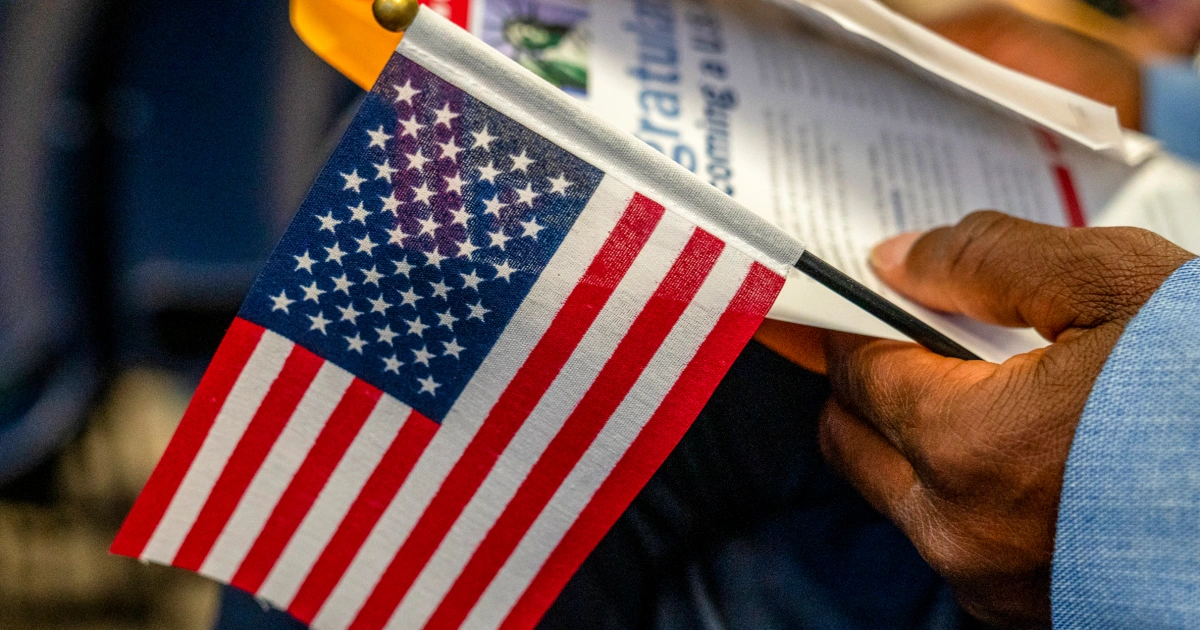
President Trump has implemented a crackdown on legal immigration, including pausing the diversity visa lottery program and halting asylum decisions, as part of his broader strategy to reduce legal immigration, leveraging incidents of violence and alleged fraud to justify these measures.
Amid heightened U.S. immigration crackdowns following a shooting incident involving an Afghan national, many Afghans in the U.S. are worried about their future, facing increased scrutiny, halted asylum and green card processing, and community concerns, despite condemning the violence and emphasizing their law-abiding nature.
A federal judge in Boston has ruled that nearly 50 migrants transported from Texas to Martha’s Vineyard in 2022 can proceed with a lawsuit against the company that dropped them off, while claims against Florida Gov. Ron DeSantis and other officials were dismissed due to jurisdictional concerns. The migrants allege they were misled about their destination and the purpose of the flights, which were part of a broader effort by Republican governors to transport migrants to more liberal cities. The judge's ruling allows the migrants to continue pursuing their claims against the transport company, Vertol Systems, and seeks to hold private companies accountable for assisting in what the migrants' legal representation calls "illegal and fraudulent schemes."
A federal judge in Boston has ruled that Venezuelan migrants flown to Martha's Vineyard in 2022 can proceed with a lawsuit against the Florida company that transported them, while dismissing claims against Florida Gov. Ron DeSantis and other officials. The migrants allege they were misled about their destination and deprived of their civil rights. The judge's order allows the case to proceed against the air transport company, Vertol, and criticizes the defendants for their actions. The ruling is seen as a victory by the migrants' legal representation, while the company's lawyer expressed satisfaction with most of the case being dismissed.
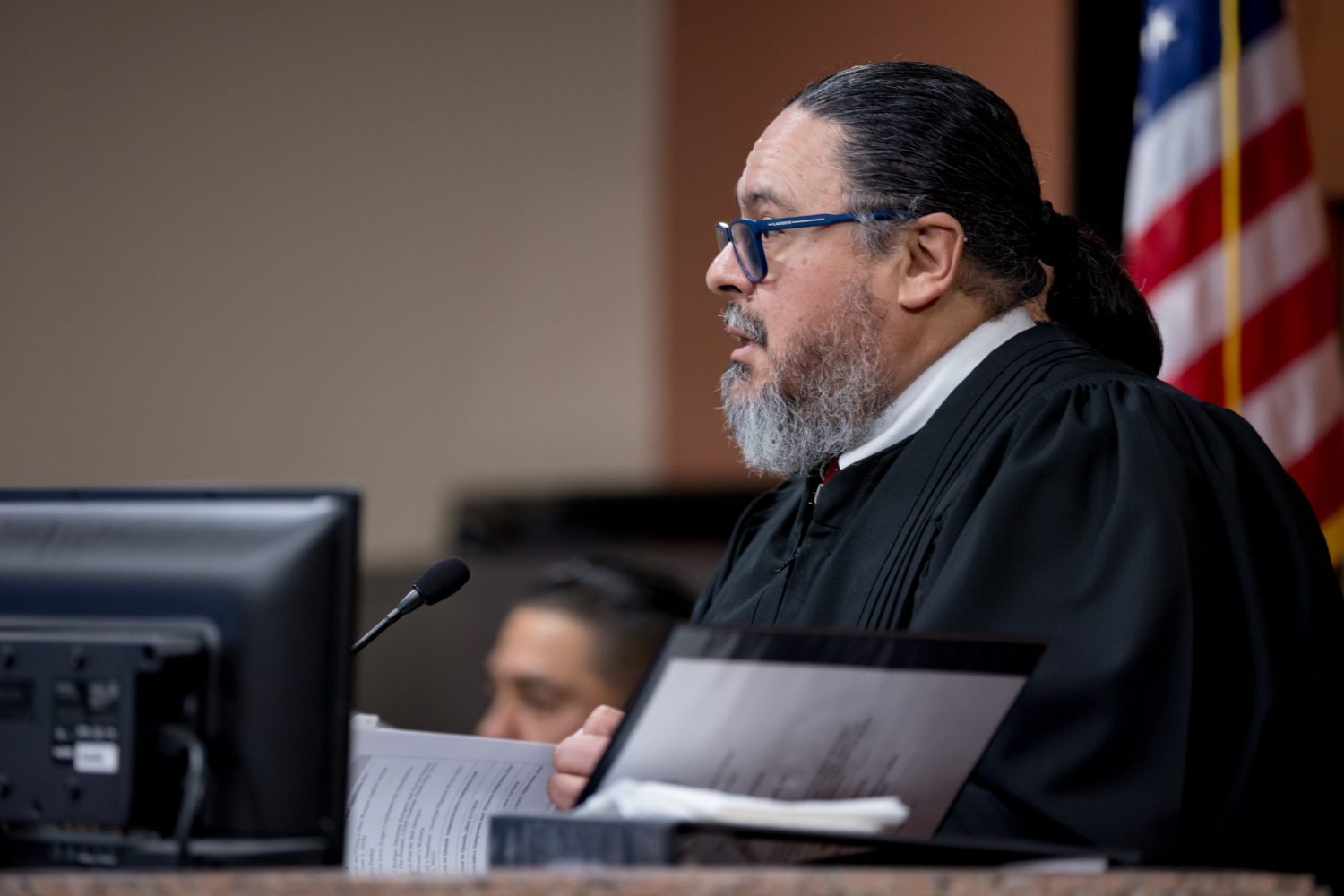
An El Paso judge has blocked Texas Attorney General Ken Paxton's attempt to shut down Annunciation House, a leading migrant service provider, stating that Paxton acted without regard to due process and fair play. The judge's ruling essentially blocks any action by Paxton until the court reviews the case, and a hearing on motions from the attorney general is scheduled. The legal battle began when the Attorney General's Office served Annunciation House with a request to examine operational records, leading to a back-and-forth legal dispute.
A federal judge in Texas has blocked the state's new law, SB4, which aimed to crack down on illegal border crossings, citing interference with federal immigration enforcement powers and migrants' ability to seek asylum. The law, set to take effect on March 5, would have allowed state and local law enforcement to arrest and prosecute violators and order them to leave the country. The judge's decision comes amid a contentious debate over the surge in illegal border crossings, with Texas blaming the Biden administration for inaction. The state is appealing the decision, while civil rights groups have praised the ruling as a step towards abolishing what they call the most extreme anti-immigrant law ever passed by a U.S. state.
The tightest labor market in decades has led to a surge in summer job opportunities for teenagers, with hourly pay rising about 5% in April from a year ago at restaurants, retailers, and amusement parks. Some states are rolling back restrictions to let teens work more hours and, in some cases, more hazardous jobs, but labor rights groups see it as a troubling trend. Economists suggest allowing more legal immigration as a key solution to workforce shortages.
President Biden has expanded the use of humanitarian parole programs to allow hundreds of thousands of new immigrants into the US, offering them the opportunity to fly to the country and quickly secure work authorization, provided they have a private sponsor to take responsibility for them. The measures, introduced over the past year to offer refuge to people fleeing Ukraine, Haiti, and Latin America, could become the largest expansion of legal immigration in decades. The programs have divided leaders of Republican states, with some suing to suspend the parole program for residents of Cuba, Haiti, Nicaragua, and Venezuela, arguing that it will admit 360,000 new immigrants a year from those countries and burden states with additional costs for healthcare, education, and law enforcement.