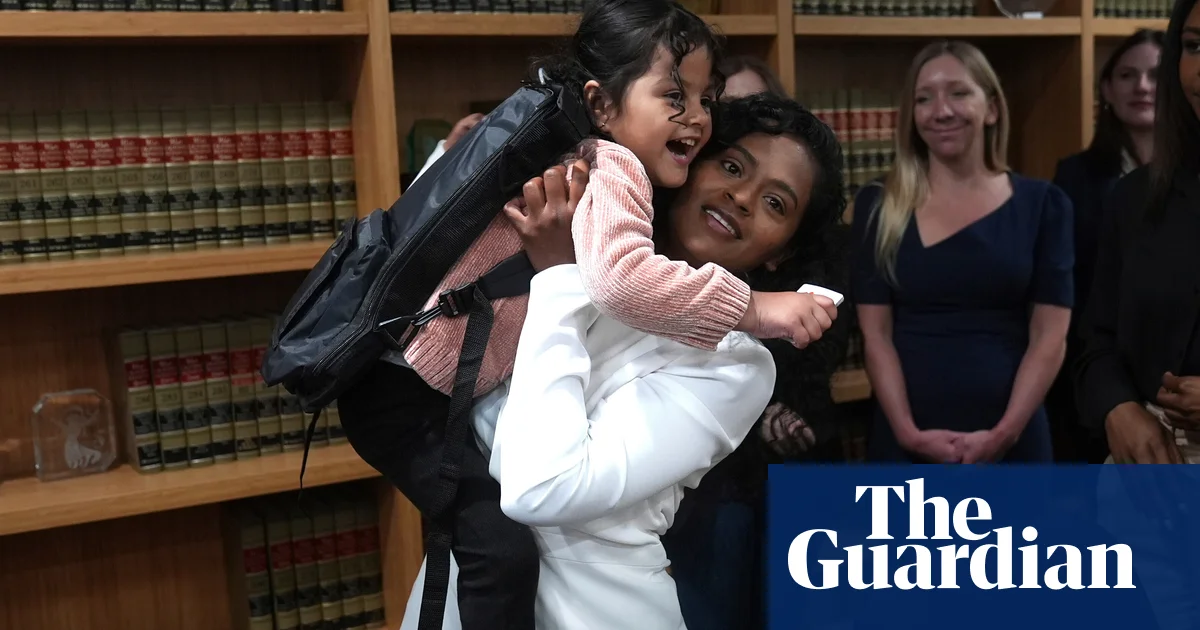
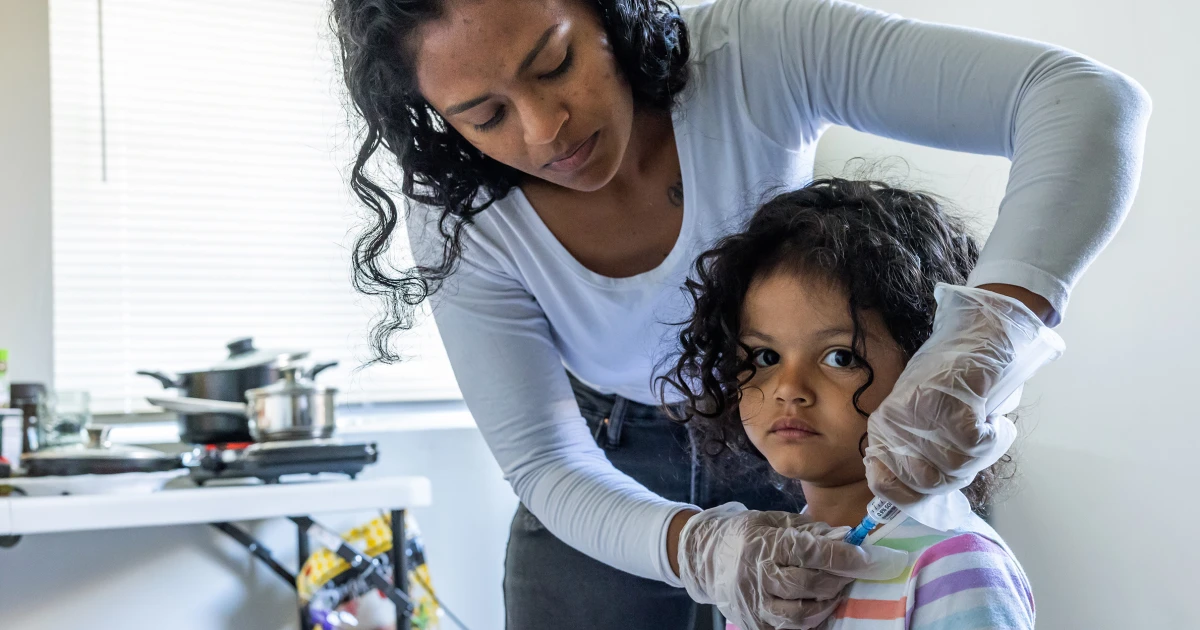
The White House reversed its decision to revoke the legal status of a critically ill four-year-old girl and her family, granting them humanitarian parole after public outcry and political pressure, allowing them to stay in the US for medical treatment.
A 4-year-old girl with a life-threatening condition and her mother have been granted a one-year humanitarian parole in the U.S. after their previous parole was revoked, ensuring the girl can continue receiving critical medical treatment that cannot be obtained outside the country.
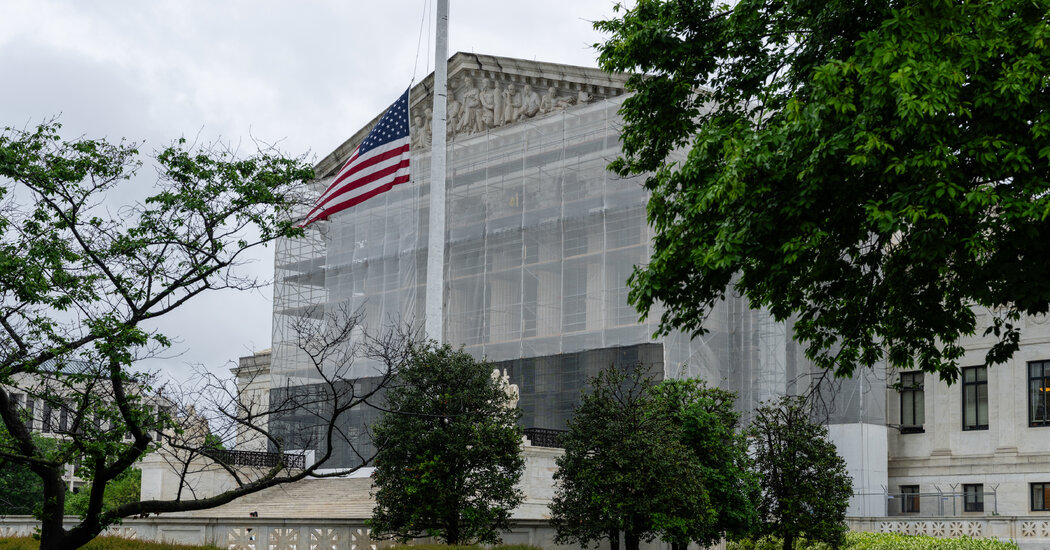
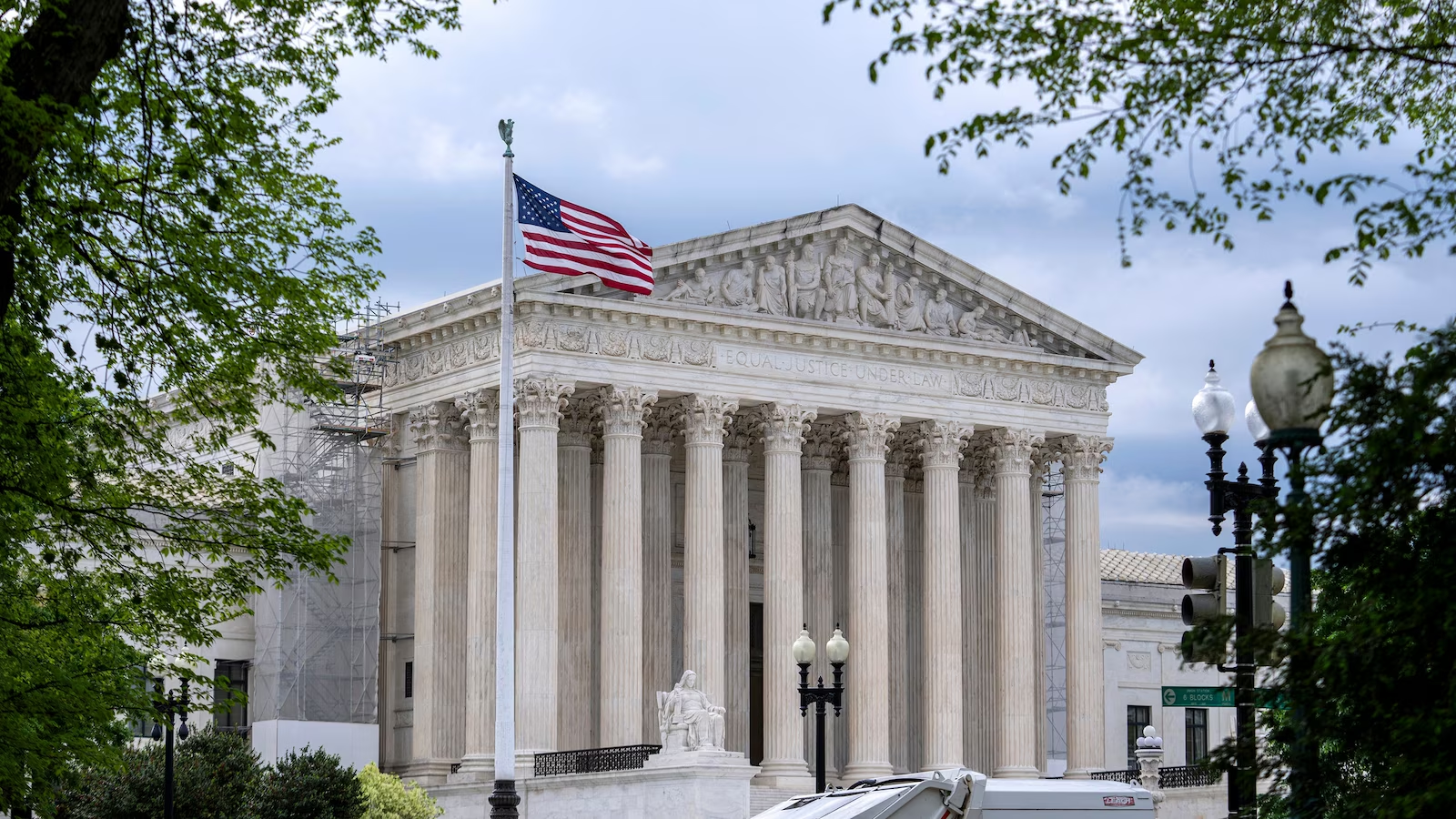
The Supreme Court temporarily allowed the Trump administration to end a Biden-era humanitarian program that provided temporary residency to over 500,000 immigrants from unstable countries, a decision that could lead to the deportation of many migrants and has significant humanitarian and legal implications.
The Supreme Court allowed the Trump administration to begin removing over 530,000 immigrants from Cuba, Haiti, Nicaragua, and Venezuela by revoking their humanitarian parole protections, despite ongoing litigation and dissent from some justices about the potential harm to migrants.
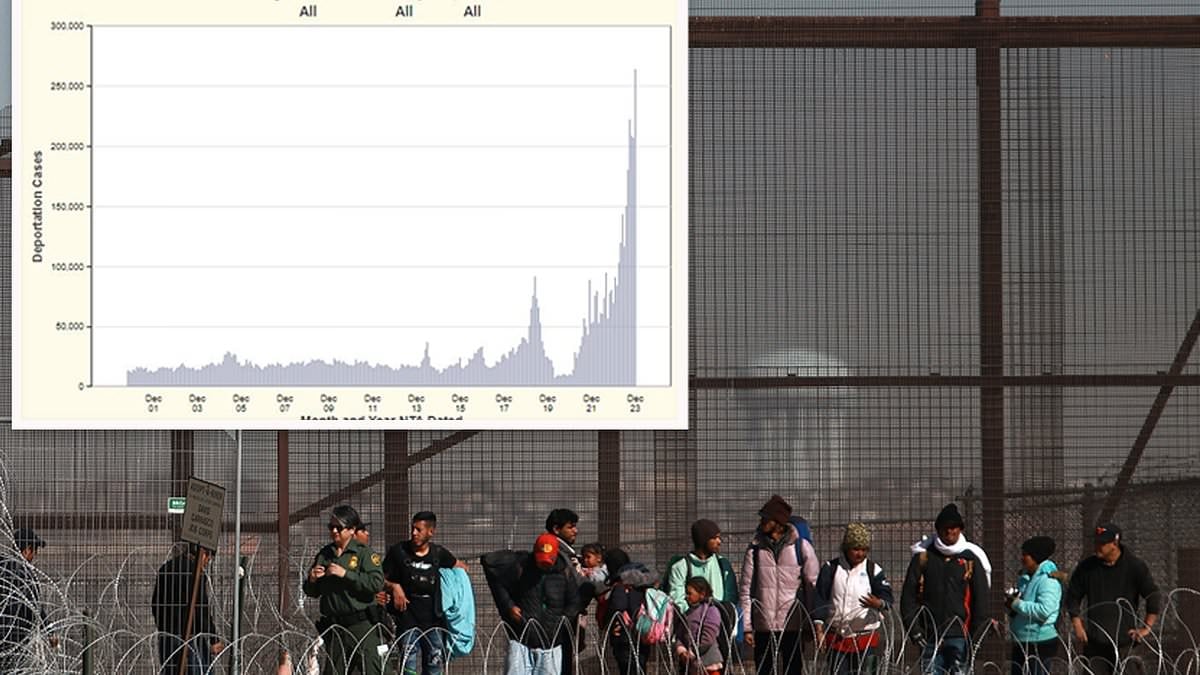
The Biden administration faces a staggering border crisis as deportation cases hit a record high, with nearly 265,000 filed in December 2023 alone. Over one million migrants have entered the U.S. under the parole program, leading to a massive backlog in immigration courts. The administration has utilized humanitarian parole to admit over 400,000 migrants at the southern border and faces criticism from Republicans for its parole policies. Biden has acknowledged the lack of border security, stating it has been an issue for the past decade.
President Biden is close to a Senate deal on border security and Ukraine funding, with one of the last sticking points being the preservation of his authority to allow migrants into the U.S. for special cases through humanitarian parole. Republicans criticize this authority, but it has been used for decades to admit people during emergencies or global unrest. Negotiators are discussing potential compromises, including capping the number of migrants eligible for parole, as both sides near a deal. The Biden administration's approach aims to crack down on illegal crossings while opening up new ways for those who come by air with sponsors, but it has faced heavy criticism from Republicans.
Congress is discussing changes to the US immigration system in exchange for providing funding to Ukraine and Israel. President Joe Biden is willing to make compromises on border policy to meet Republican demands. Some proposed changes include tightening asylum standards, restricting the use of humanitarian parole, and expanding expedited removal. Republicans argue that these changes are necessary to address the security threat posed by record numbers of migrants crossing the southern border. However, immigration advocates argue that these changes would harm vulnerable individuals and not effectively address the border situation.
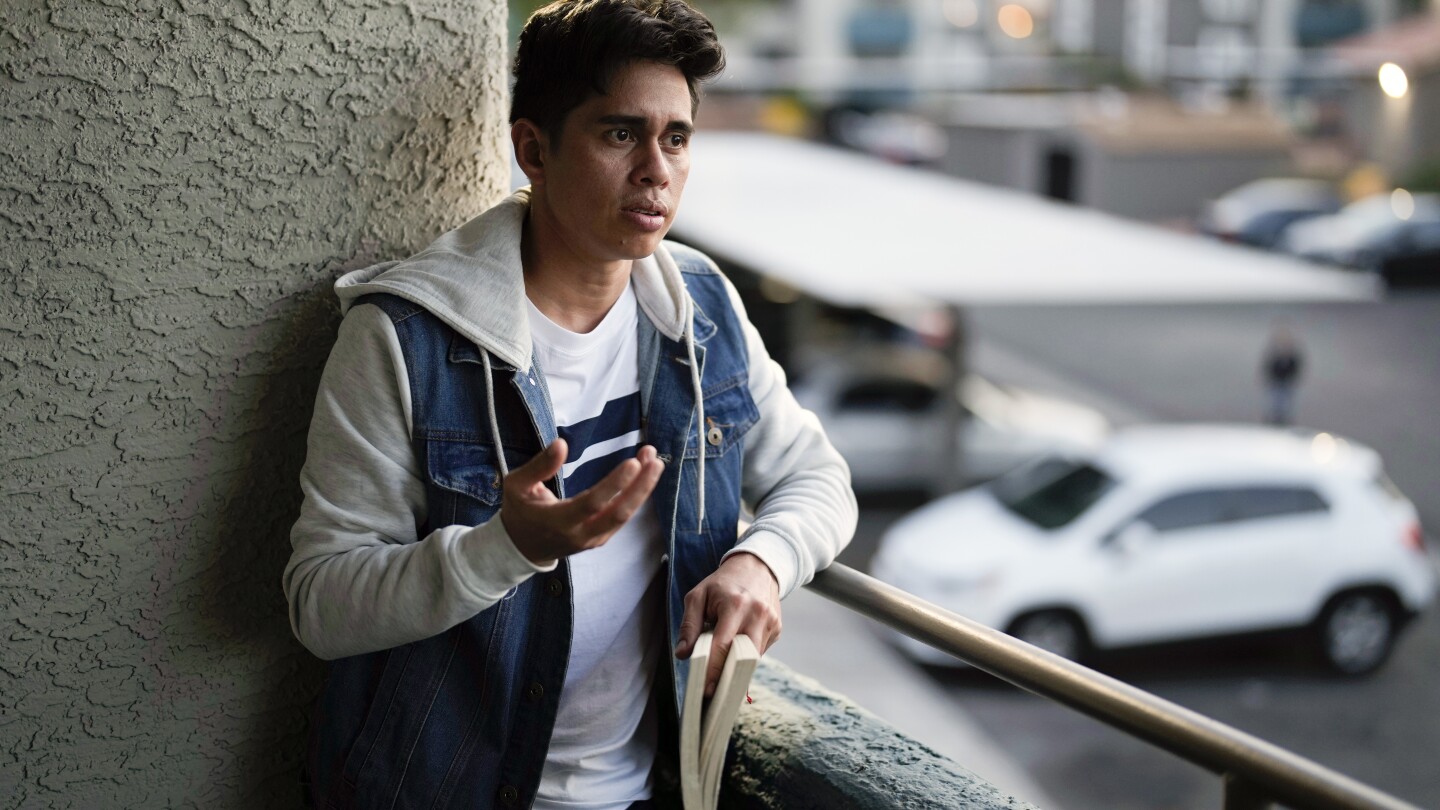
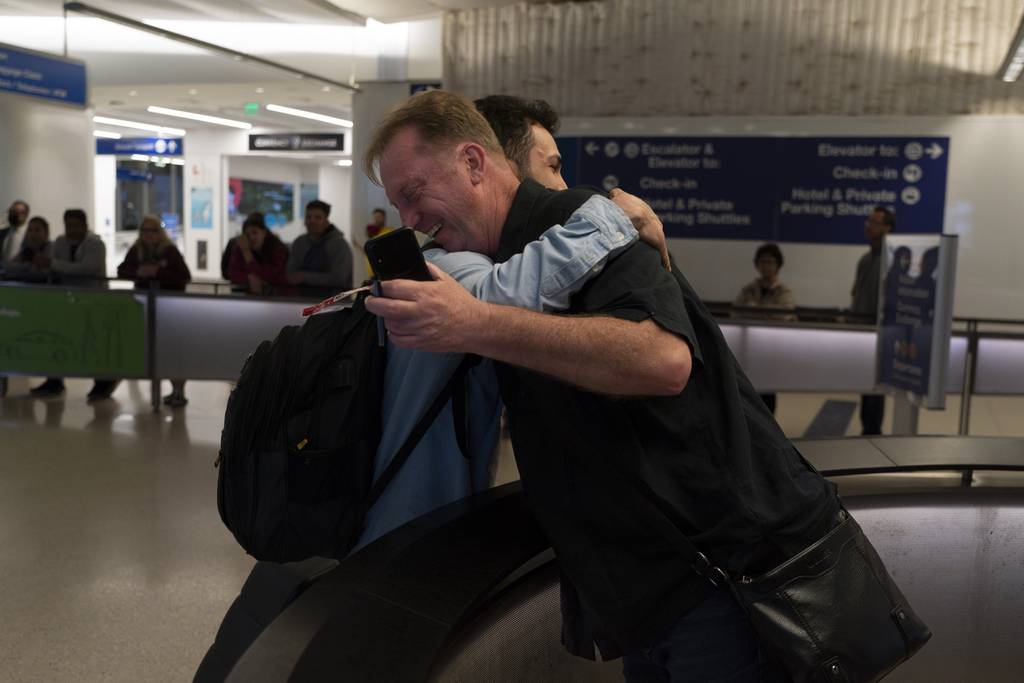
Navy veteran Michael White, who was imprisoned in Iran on spying charges, formed an unlikely friendship with Iranian political activist Mahdi Vatankhah while in jail. Vatankhah provided crucial information about White's status in prison and helped him communicate with the outside world. After their release, White successfully advocated for Vatankhah's admission to the United States under humanitarian parole. The two were reunited in Los Angeles, and Vatankhah is now living in San Diego, seeking asylum and enjoying the freedom to express his political views without fear of retribution.
Mina Bakhshi, an Afghan climber who was evacuated from Afghanistan following the Taliban's takeover, is one of the 77,000 Afghans in the U.S. on humanitarian parole. However, she is still awaiting a decision on her asylum application and is at risk of deportation if a legislative fix known as the Afghan Adjustment Act fails to pass. The Biden administration used humanitarian parole as a temporary solution to bring Afghans to safety quickly, but it is not a permanent solution. The U.S. refugee system has been overwhelmed, and the administration is seeking alternative pathways to admit refugees during emergencies.
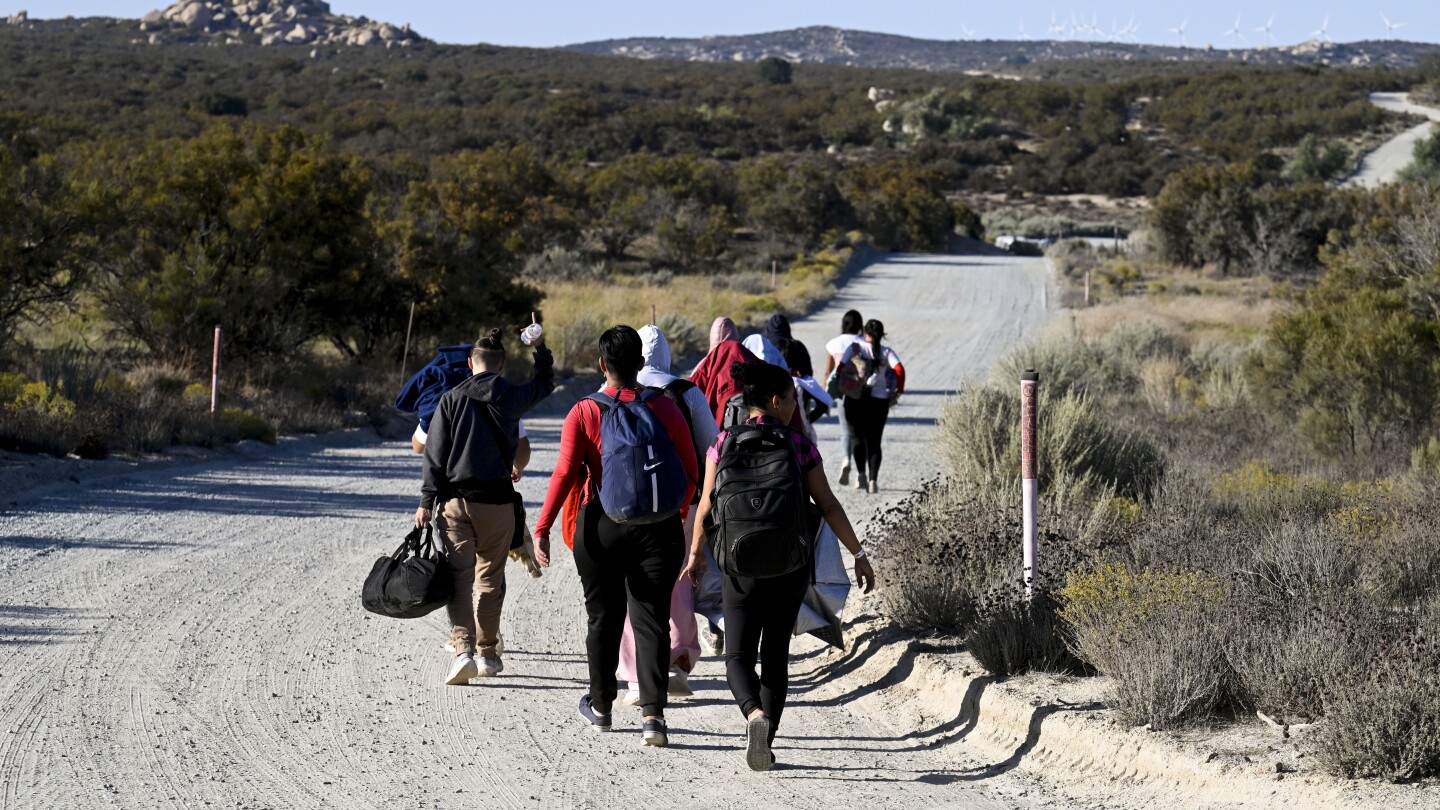
President Biden has expanded the use of humanitarian parole programs to allow hundreds of thousands of new immigrants into the US, offering them the opportunity to fly to the country and quickly secure work authorization, provided they have a private sponsor to take responsibility for them. The measures, introduced over the past year to offer refuge to people fleeing Ukraine, Haiti, and Latin America, could become the largest expansion of legal immigration in decades. The programs have divided leaders of Republican states, with some suing to suspend the parole program for residents of Cuba, Haiti, Nicaragua, and Venezuela, arguing that it will admit 360,000 new immigrants a year from those countries and burden states with additional costs for healthcare, education, and law enforcement.
The Biden administration has announced that thousands of Ukrainians who fled to the United States in the first months after Russia invaded their country will be eligible to extend their stay for one year on a case-by-case basis. The total two-year period aligns with the length of time Ukrainians fleeing the war were later permitted to stay in the United States under a program in a system known as humanitarian parole. Nearly 300,000 Ukrainians and their families have entered the country since the start of the war under humanitarian parole, with a visa or as a refugee.