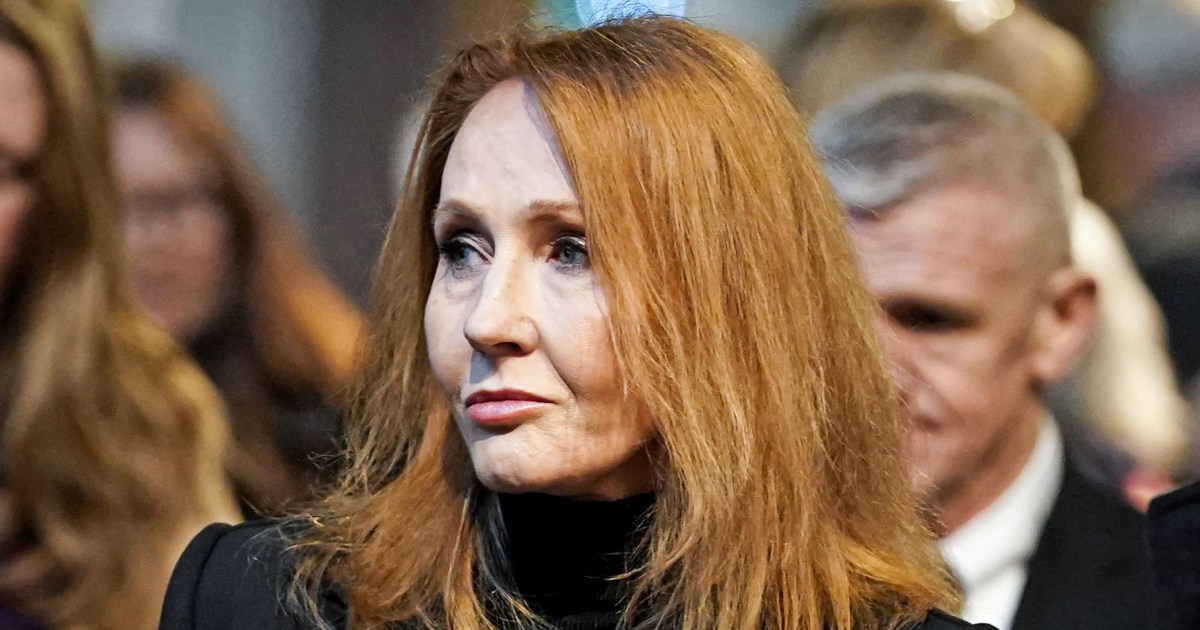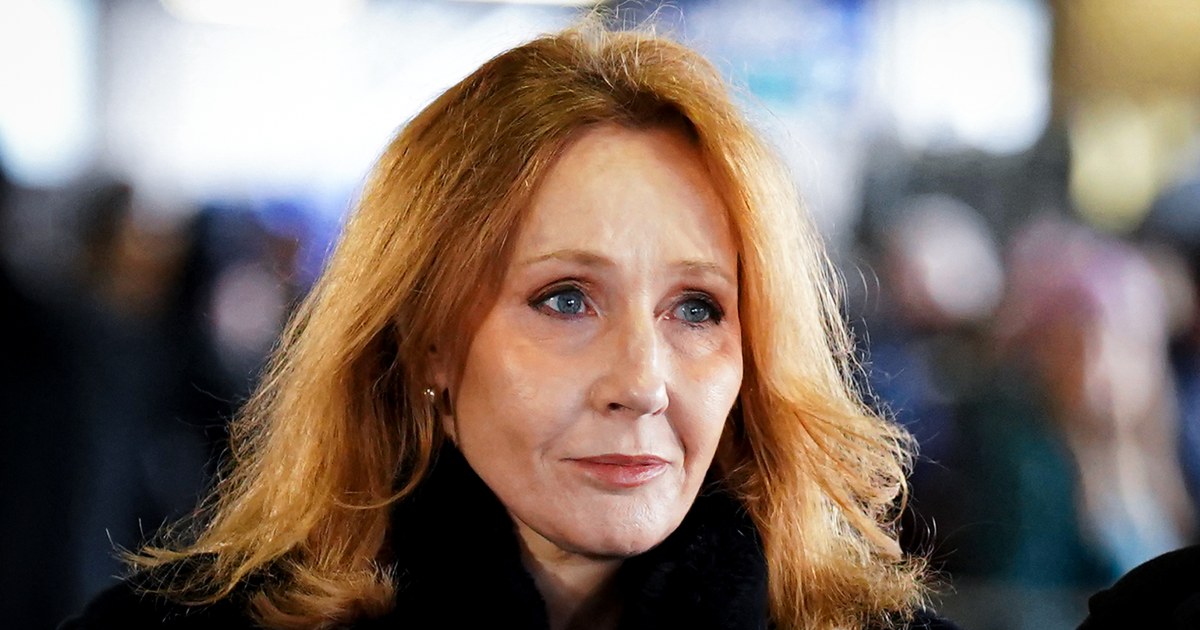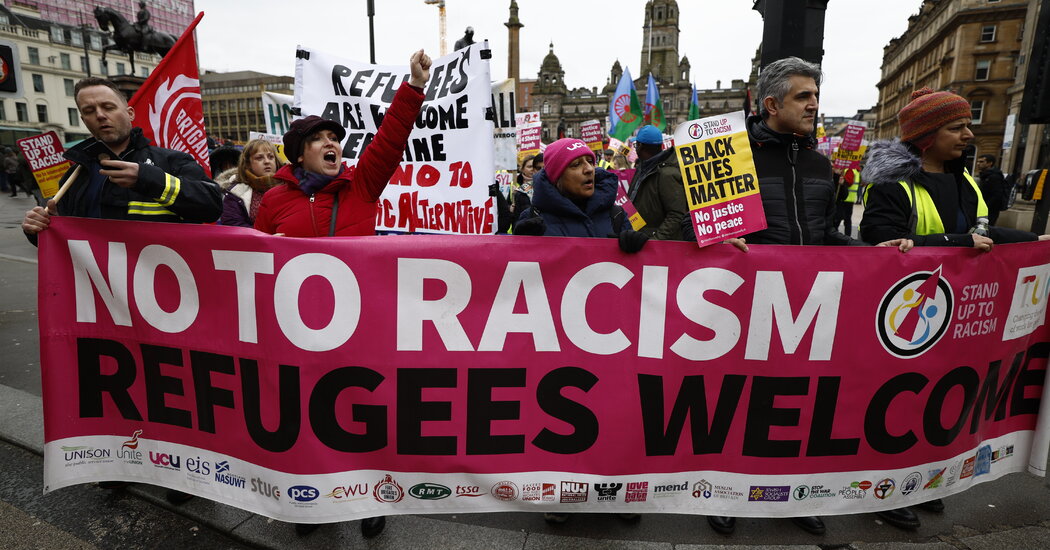
Scotland's new hate crime law, aimed at protecting minority groups, has sparked international controversy, with high-profile figures like JK Rowling, Joe Rogan, and Elon Musk criticizing it on freedom of speech grounds. The law adds a new crime of "stirring up hatred" against groups with protected characteristics, including transgender identity, leading to concerns about potential stifling of free speech and strain on law enforcement. Supporters argue that the law is meant to protect people against rising hatred, while opponents fear it could lead to excessive policing of speech.
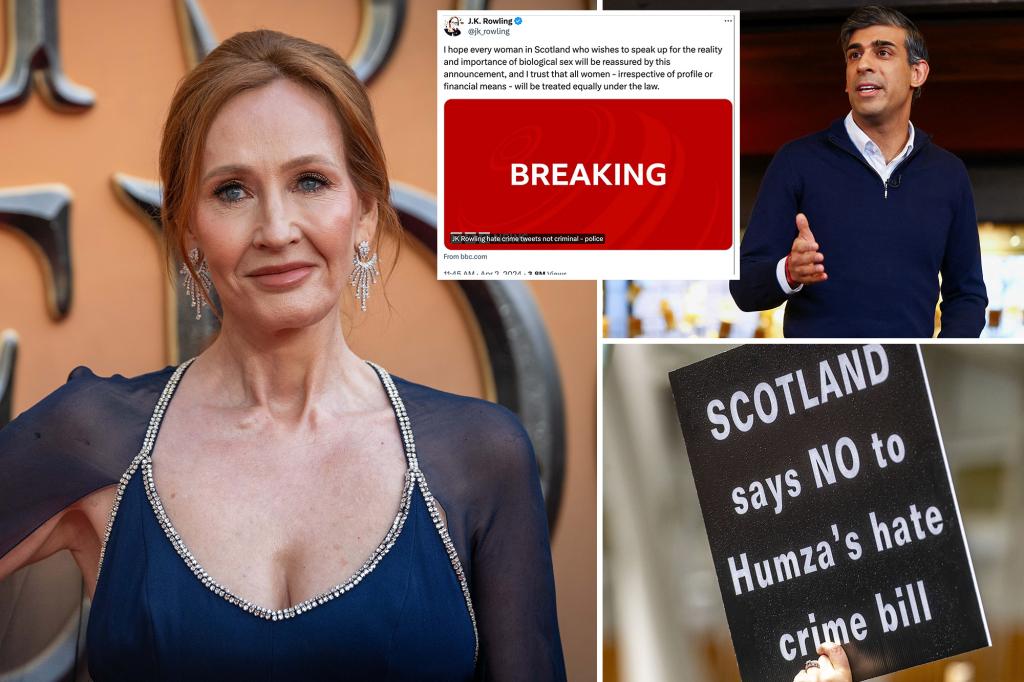
JK Rowling tested Scotland's new hate crime law by misgendering transgender individuals on social media, but Scottish police announced they would not be taking any action against her. Rowling vowed to defend other women who speak out against transgenderism and criticized the law's potential to curtail free speech. Critics argue that the law is overly broad, while supporters believe it protects marginalized groups. The decision not to charge Rowling has sparked debate, with some praising the protection of free speech and others criticizing the potential harm caused by her actions.
Author J.K. Rowling publicly challenged Scotland's new hate crime law by deliberately misgendering transgender women and daring police to arrest her, criticizing the legislation as "wide open to abuse" by activists. Despite widespread condemnation, including from the activists she singled out, police stated they are not pursuing criminal action against her. Rowling cast the lack of action as a win for women's free speech, while the government has said it is crafting legislation specifically aimed at tackling misogyny to protect women and girls.
President Biden criticizes Israel over the killing of aid workers, raising fears of wider conflict in the Middle East; Taiwan experiences its largest earthquake in 25 years, resulting in casualties and infrastructure damage; Video contradicts claims that 15-year-old Savannah Graziano was wearing tactical gear during a fatal shootout with deputies; Oklahoma city council member with white nationalist ties is ousted in a recall vote; Trump sues Truth Social co-founders, seeking to strip them of their shares in the company. J.K. Rowling tests limits of new Scottish hate crime law.
Caitlyn Jenner reacts to speculation of J.K. Rowling's possible arrest under a new hate-crime law for misgendering transgender people, calling it "absurd" and sparking social media backlash. Rowling expressed dissent with the legislation, stating that freedom of speech and belief are at an end in Scotland if the accurate description of biological sex is deemed criminal. Police Scotland confirmed no action would be taken against Rowling for her posts about the Hate Crime and Public Order Act, despite receiving complaints.
J.K. Rowling will not be arrested for her controversial comments about transgender women, as Scottish police have stated that her remarks are not considered criminal. Rowling's comments, made on the day a new Scottish hate-crime law took effect, sparked criticism and debate about free speech and transgender rights. The author has faced backlash for her views on transgender issues in the past, and her recent social media posts have reignited the controversy. The new legislation criminalizes "stirring up hatred" against people based on their gender identity, among other characteristics.
J.K. Rowling calls for her own arrest in protest of Scotland's new hate crime law, which criminalizes "stirring up hatred" based on various characteristics including transgender identity. The "Harry Potter" author has been sharing anti-trans rhetoric on social media, leading to criticism and legal complaints. The law has sparked debates about freedom of speech, transgender rights, and the protection of women as a group, with Prime Minister Rishi Sunak expressing concerns about the legislation's impact on free speech.
Scotland's new hate crime law, which took effect on Monday, expands protections for marginalized groups and introduces a new charge of "stirring up hatred," punishable by up to seven years in prison. Critics, including author J.K. Rowling, argue that the law could stifle free speech and is open to abuse, particularly for omitting women from the protected groups. Rowling expressed concern that the legislation prioritizes the feelings of men over the rights and freedoms of women, sparking controversy and debate over the balance between protecting marginalized groups and preserving free speech.
J.K. Rowling mocked trans women on Twitter in defiance of Scotland's new hate crime law, jokingly listing individuals who identify as trans women as men. She expressed opposition to the law, stating that she looks forward to being arrested if her posts qualify as an offense. Rowling's posts have been criticized as transphobic, with her challenging the legislation's potential abuse by activists and highlighting concerns about transgender rights and women's single-sex spaces.