
A study in Minnesota found that over half of people diagnosed with chickenpox based on symptoms were actually negative for the virus, with some being infected with other viruses such as enterovirus or herpes simplex virus 1. The decline in chickenpox cases due to vaccination has made clinical diagnoses unreliable, leading to a push for expanded laboratory testing to confirm suspected cases. The study underscores the importance of accurate diagnoses, as those suspected of having chickenpox are advised to stay home longer than those with other viral infections.
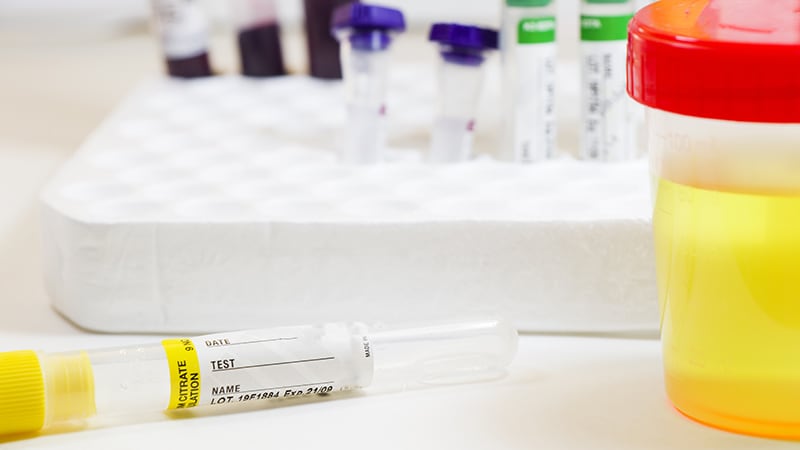
The American Association of Clinical Chemistry (AACC) and American Diabetes Association (ADA) have released new guidelines on laboratory measures in the diagnosis and management of diabetes. The guidelines aim to assist clinicians and laboratory professionals in making decisions regarding the use and interpretation of laboratory tests for screening, diagnosing, and monitoring patients with diabetes. The recommendations include the use of real-time continuous glucose monitoring (CGM) in certain populations, consideration of test limitations, and the importance of accurate handling of blood samples. Other recommendations cover fasting glucose measurement, blood glucose monitoring, treatment goals, and testing for albuminuria. The guidelines also address ketone testing, genetic markers, autoimmune markers, and C-peptide.
Vanilla, a 29-year-old chimpanzee, experienced the sky and outdoor freedom for the first time at the Save the Chimps Sanctuary in Fort Pierce. Previously, she had spent her life in a brutal testing laboratory, living in a suspended cage. The sanctuary, which is home to 12 chimpanzee families rescued from labs, provides them with ample space to roam and a chance to live a more natural life.