
Tag

L2

All articles tagged with #l2

TransAstra outlines plan to bag and relocate an asteroid
technology6 days ago

TransAstra outlines plan to bag and relocate an asteroid

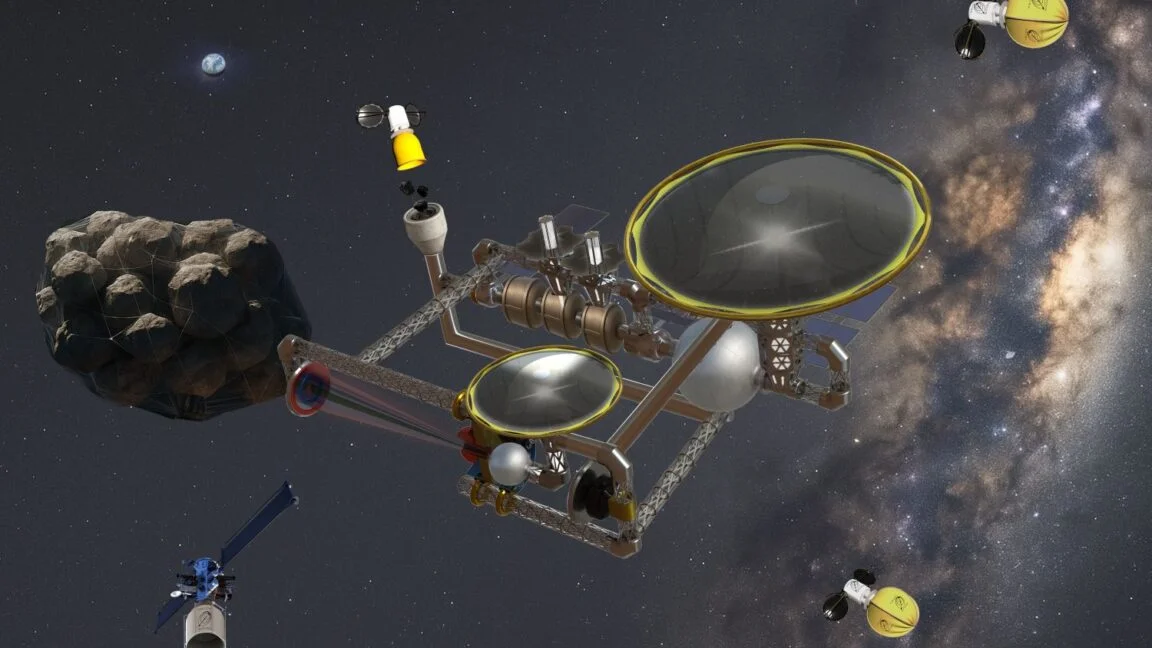
TransAstra envisions a feasibility study to capture a ~100-ton near-Earth asteroid with a large inflatable bag, tow it to a nearby space processing hub (potentially at the Earth-Sun L2 point) to harvest water and minerals for in-space use, and build a robotic facility for materials processing. The plan would target up to 250 small asteroids (≤20 m) over the next decade, with a fully funded mission possible as early as 2028–2029. The project has tested a 1 m capture bag on the ISS, won NASA funding to scale to a 10 m bag, and is pursuing various spacecraft providers for rendezvous. Initial cost is described as a few hundred million dollars.
Locating the James Webb Space Telescope.
science-and-technology3 years ago

Locating the James Webb Space Telescope.

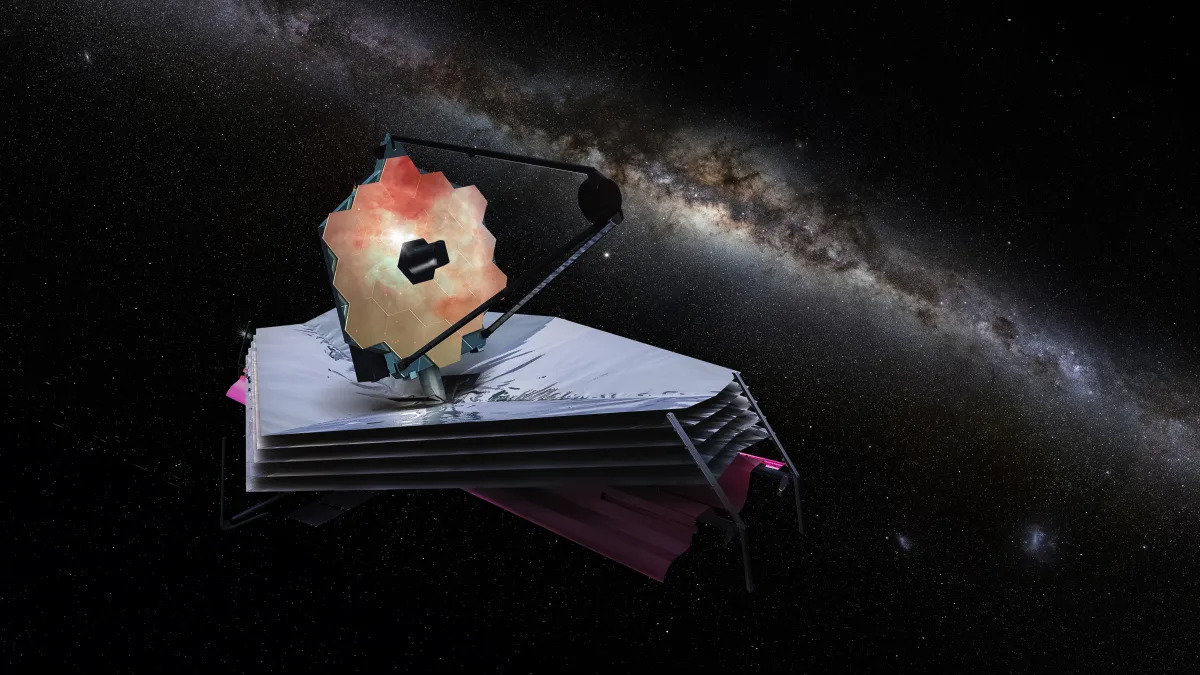
The James Webb space telescope is located at the second Lagrange point (L2), which is 1.5 million kilometers from Earth. This location allows the telescope to safely orbit the Sun and avoid interference from bright objects while observing the universe using infrared light. The telescope's onboard hardware requires operational temperatures of minus 370 Fahrenheit, which is protected by the sun shield. Although being far from Earth makes maintenance difficult, the telescope is already providing valuable data about the early universe. Interested individuals can track the telescope's location in real-time through NASA's website.

Locating the James Webb Space Telescope.
science-and-technology3 years ago

Locating the James Webb Space Telescope.

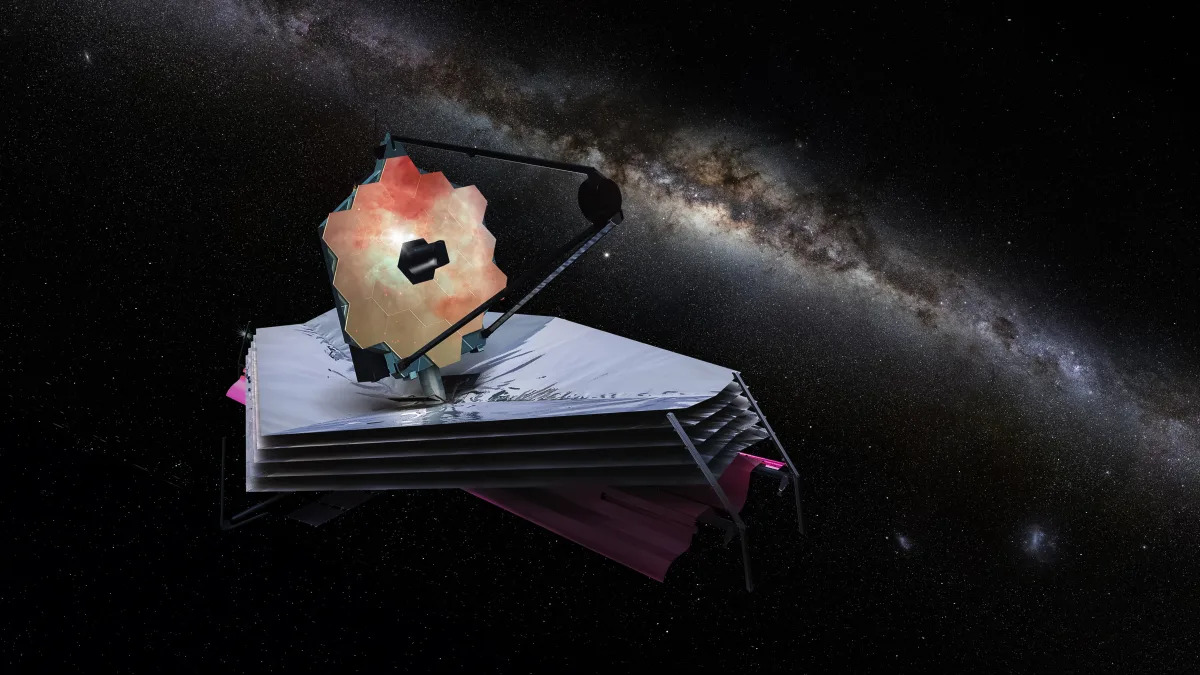
The James Webb space telescope is located at the second Lagrange point (L2), which is 1.5 million kilometers from Earth. This location allows the telescope to safely orbit the Sun and avoid interference from bright objects while observing the universe using infrared light. The telescope's onboard hardware requires operational temperatures of minus 370 Fahrenheit, which is protected by the sun shield. Although being far from Earth makes maintenance difficult, the telescope is already providing valuable data about the early universe. Interested individuals can track the telescope's location in real-time through NASA's website.