Tag

Kimberlites

All articles tagged with #kimberlites

"Diamond Fountains Uncover Earth's Lost Supercontinent History"
earth-science2 years ago

"Diamond Fountains Uncover Earth's Lost Supercontinent History"

Diamonds that erupt from the Earth's center during supercontinent break-ups provide insights into the planet's deep history. These diamonds, found in formations known as kimberlites, originate from deep within the Earth and carry valuable information about supercontinent cycles. Recent studies suggest that the eruptions of these diamonds coincide with the breakup of supercontinents, shedding light on the movements of tectonic plates and the formation of diamonds. Additionally, the study of ancient diamonds may reveal crucial information about Earth's history, including the timing of supercontinent breakups and the influence of subduction processes on the planet's evolution.
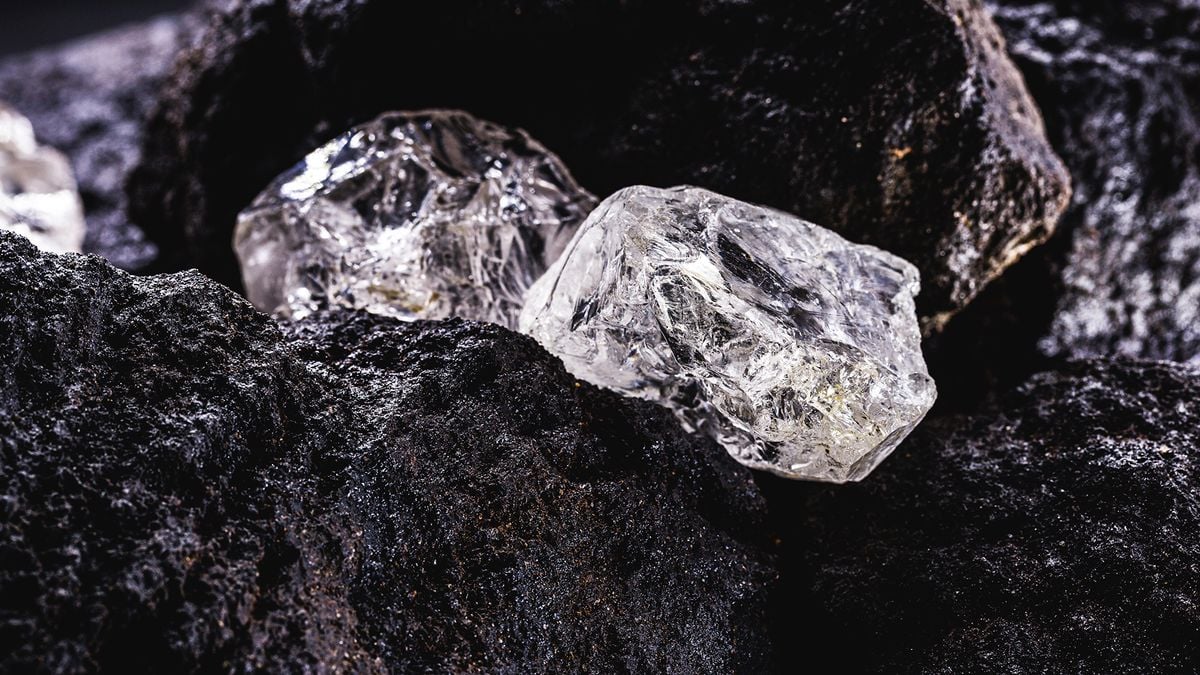
"Scientists Uncover 'Fountains of Diamonds' Erupting from the Earth"
earth-science2 years ago

"Scientists Uncover 'Fountains of Diamonds' Erupting from the Earth"

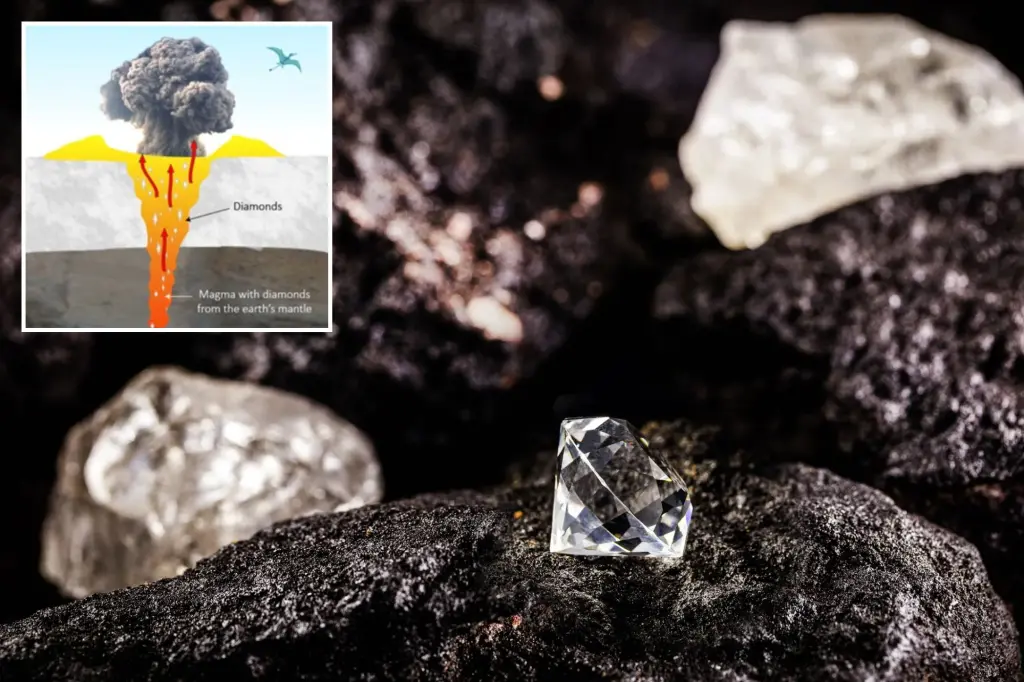
Scientists have discovered a pattern in which diamonds explode from deep within the Earth's surface in volcanic "fountains" during significant disruptions among tectonic plates. These eruptions, called kimberlites, occur most frequently during the break-up of supercontinents. The break-up of supercontinents, such as Pangaea, triggers powerful and explosive diamond eruptions. Researchers have identified a pattern over the last 500 million years, where tectonic plates start to pull apart and kimberlite eruptions peak 22 to 33 million years later. The findings could aid in the search for undiscovered diamond deposits and explain why other volcanic eruptions occur long after supercontinent break-ups.

"Dazzling Diamond Fountains: Earth's Center Unleashes Sparkling Spectacle during Supercontinent Breakup"
earth-science2 years ago

"Dazzling Diamond Fountains: Earth's Center Unleashes Sparkling Spectacle during Supercontinent Breakup"

The breakup of supercontinents, such as Pangaea, may trigger explosive eruptions called kimberlites, which bring diamonds shooting up to the Earth's surface. Researchers have found a correlation between the ages of kimberlites and plate fragmentation, with eruptions peaking 22 to 30 million years after the plates start to pull apart. Computer models suggest that when tectonic plates separate, the base of the continental crust thins, creating unstable regions that gradually migrate towards the center of the continent. These instabilities allow for the mixing of materials, including diamonds, resulting in explosive eruptions. The findings could aid in the search for undiscovered diamond deposits and explain other volcanic eruptions that occur long after supercontinent breakup.

"Dazzling Diamond Fountains: Earth's Center Unleashes Sparkling Spectacle during Supercontinent Breakup"
earth-science2 years ago

"Dazzling Diamond Fountains: Earth's Center Unleashes Sparkling Spectacle during Supercontinent Breakup"

The breakup of supercontinents, such as Pangaea, can trigger explosive eruptions called kimberlites, which bring diamonds shooting up to the Earth's surface. Researchers have found a correlation between plate fragmentation and kimberlite eruptions, with eruptions peaking 22 to 30 million years after the plates start to pull apart. Computer models suggest that as tectonic plates separate, the base of the continental crust thins, creating unstable regions that gradually migrate towards the center of the continent. These instabilities allow for the mixing of rock with water, carbon dioxide, and diamonds, resulting in explosive eruptions. The findings could aid in the search for undiscovered diamond deposits and provide insights into other types of volcanic eruptions occurring long after supercontinent breakup.

The Journey of Diamonds: From Depths to Display
earth-science2 years ago

The Journey of Diamonds: From Depths to Display

New research suggests that the eruption of diamonds from deep within the Earth's crust is linked to the breakup of tectonic plates. The study found that most kimberlite volcanoes, which carry diamonds to the surface, erupted 20 to 30 million years after the tectonic breakup of Earth's continents. Computer models propose a domino effect, where the breakup of continents leads to the formation of kimberlite magma. This process involves disruptive flows that remove rock from the base of the continental plate, triggering melting and the rise of magma carrying diamonds. The findings could help identify potential locations and timings of past volcanic eruptions, aiding in the discovery of diamond deposits and other rare elements.