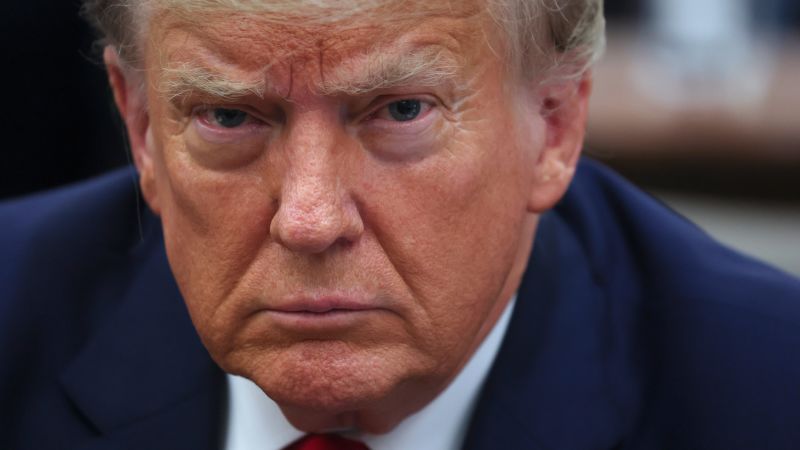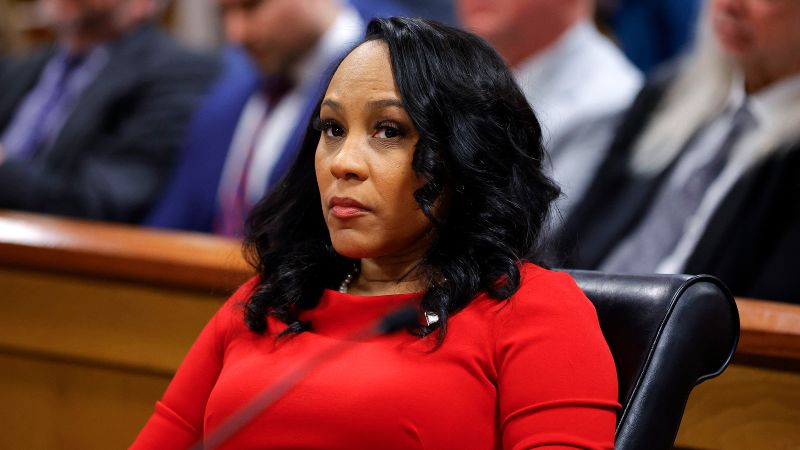
Fulton County District Attorney Fani Willis is resisting attempts by Donald Trump and his co-defendants to disqualify her office from prosecuting the Georgia election subversion case, arguing that there was no conflict of interest and no misconduct. The appeals court is considering the request to review the initial ruling that allowed Willis to remain on the case, while Trump's legal team is also seeking to have the indictment tossed on First Amendment grounds. Willis plans to continue with the prosecution, aiming to put Trump and his co-defendants on trial before the November presidential election.
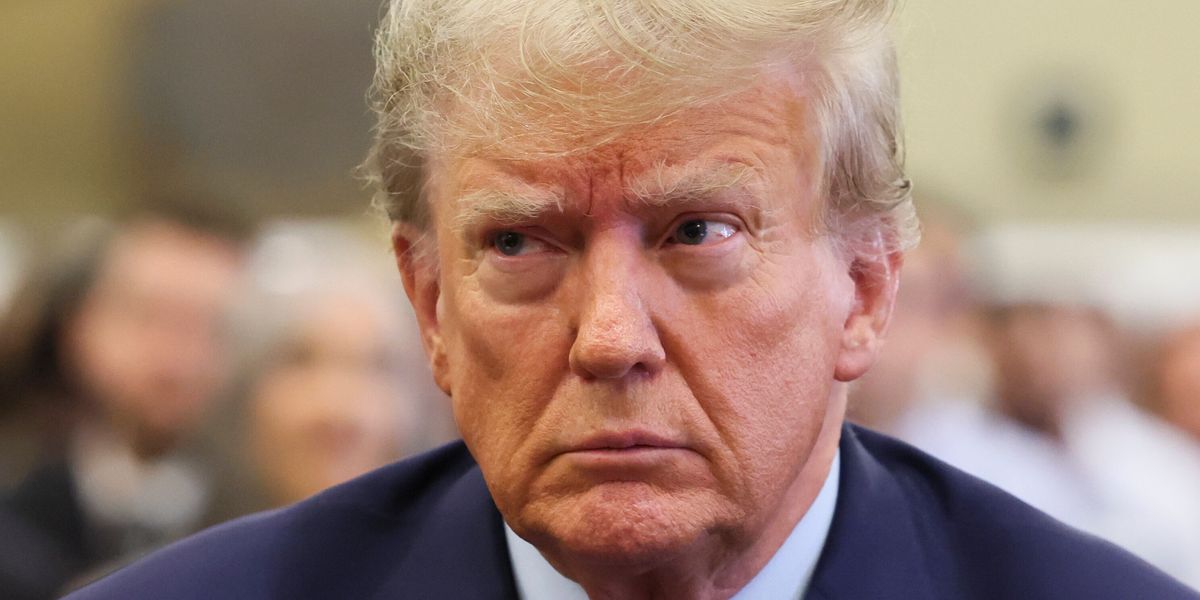
Former DOJ official Neal Katyal expresses impatience over the delay in the D.C. Circuit Court of Appeals ruling on Donald Trump's claim of immunity in the election subversion case, stating that justice delayed is justice denied and emphasizing the need for speed in determining whether a candidate for office is a felon and an insurrectionist. Other legal experts also criticize the delay and dismiss Trump's claim to immunity as absurd and preposterous.
The federal judge overseeing Donald Trump's criminal case has officially canceled the March 4 trial date due to the lingering uncertainty surrounding the case, stemming from Trump's bid to subvert the 2020 election. Judge Tanya Chutkan indicated that she will reschedule the trial "if and when" the immunity issue is settled, with expectations that the trial, if it occurs, will last for several months. Evidentiary motions and pretrial proceedings are on hold while the D.C. Circuit Court of Appeals mulls the immunity question, leading to further delays in the case.
U.S. District Judge Tanya Chutkan has imposed new rules on special counsel Jack Smith in Donald Trump's election subversion case, requiring him to seek court permission before filing substantive pretrial motions. Chutkan partially denied Trump's requests to hold Smith in contempt or compensate him for damages, but agreed that Smith's team's filing burdened Trump's defense counsel. Trump continues to argue for presidential immunity, with a federal appeals court expected to rule on the matter soon.
The federal judge overseeing the election subversion case against Donald Trump, Tanya Chutkan, was the victim of a swatting incident where a false shooting report was made to lure authorities to her home. This incident follows increased security measures for the judge after Trump's indictment. The trial is scheduled to begin on March 4, and Trump has pleaded not guilty to all charges. Chutkan has faced threats before, and this incident is the latest in a series of swatting calls targeting government officials.
Attorneys for Donald Trump have appealed to the D.C. Circuit Court of Appeals for a second chance to challenge a limited gag order imposed by Judge Tanya Chutkan in his election subversion case. The attorneys argue that the three-judge panel violated Supreme Court precedent and that there is no evidence of threats or harassment to trial participants. The panel largely upheld the gag order but narrowed it slightly, prompting Trump to pledge an appeal to the U.S. Supreme Court.
U.S. District Judge Tanya Chutkan has ordered former President Donald Trump to declare whether he plans to argue that he was acting on the advice of his lawyers in his D.C. election subversion case. Chutkan's order partially grants a motion from special counsel Jack Smith's team, stating that if Trump invokes the advice-of-counsel defense, he waives attorney-client privilege and must turn over relevant documents to the prosecution. Legal experts suggest that the order puts Trump in a difficult position, as he will have to disclose private communications with his attorneys or risk not being able to advance the defense. They also note that it may be challenging for Trump to convince the judge to permit him to use the advice-of-counsel defense at trial.
A federal judge in Washington, DC, has placed a limited gag order on former President Donald Trump in the election subversion case, following his continued attacks against potential witnesses, prosecutors, and the court. The order prohibits Trump from making certain comments about the special counsel's team or potential witnesses, with the judge expressing concern about language that presents a danger to the administration of justice. While Trump can criticize President Biden and his administration, the judge emphasized that there are limits to using highly charged language. Violations of the gag order could result in penalties such as admonishment, financial penalties, home detention, or revoking pretrial release. Trump plans to appeal the ruling.