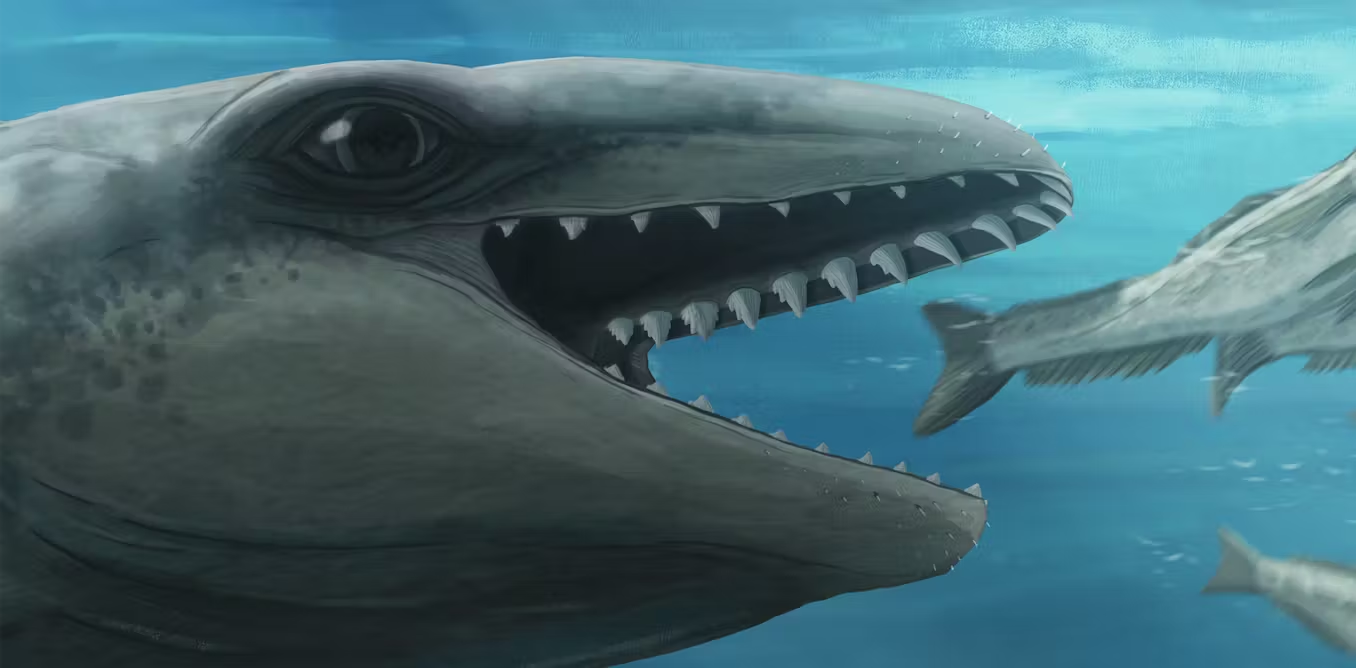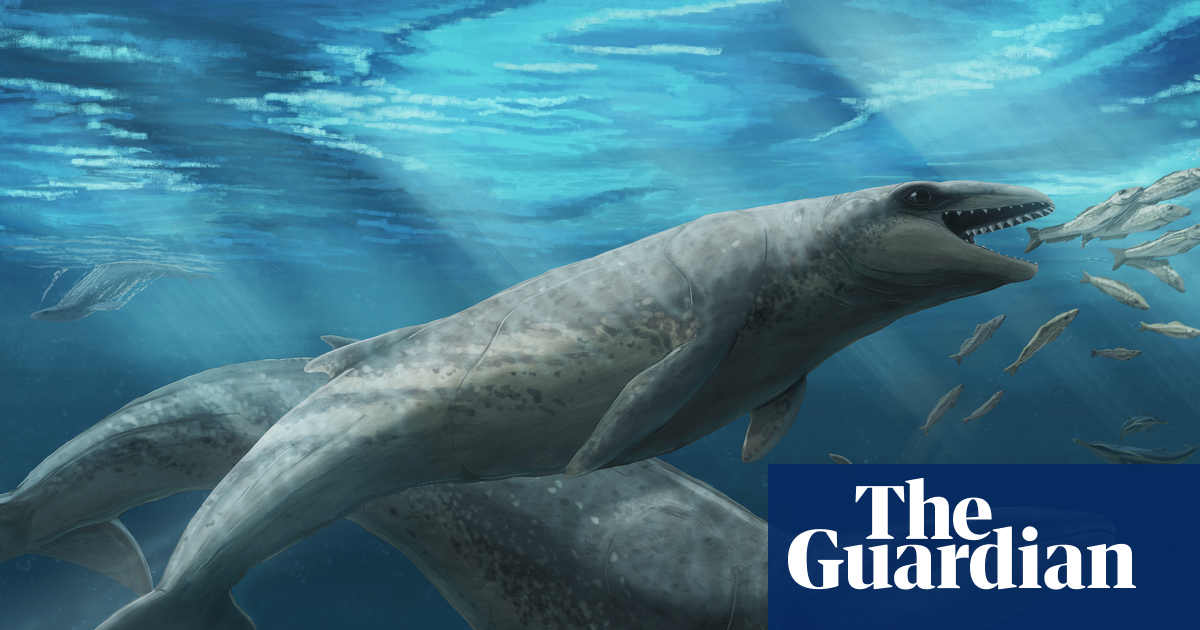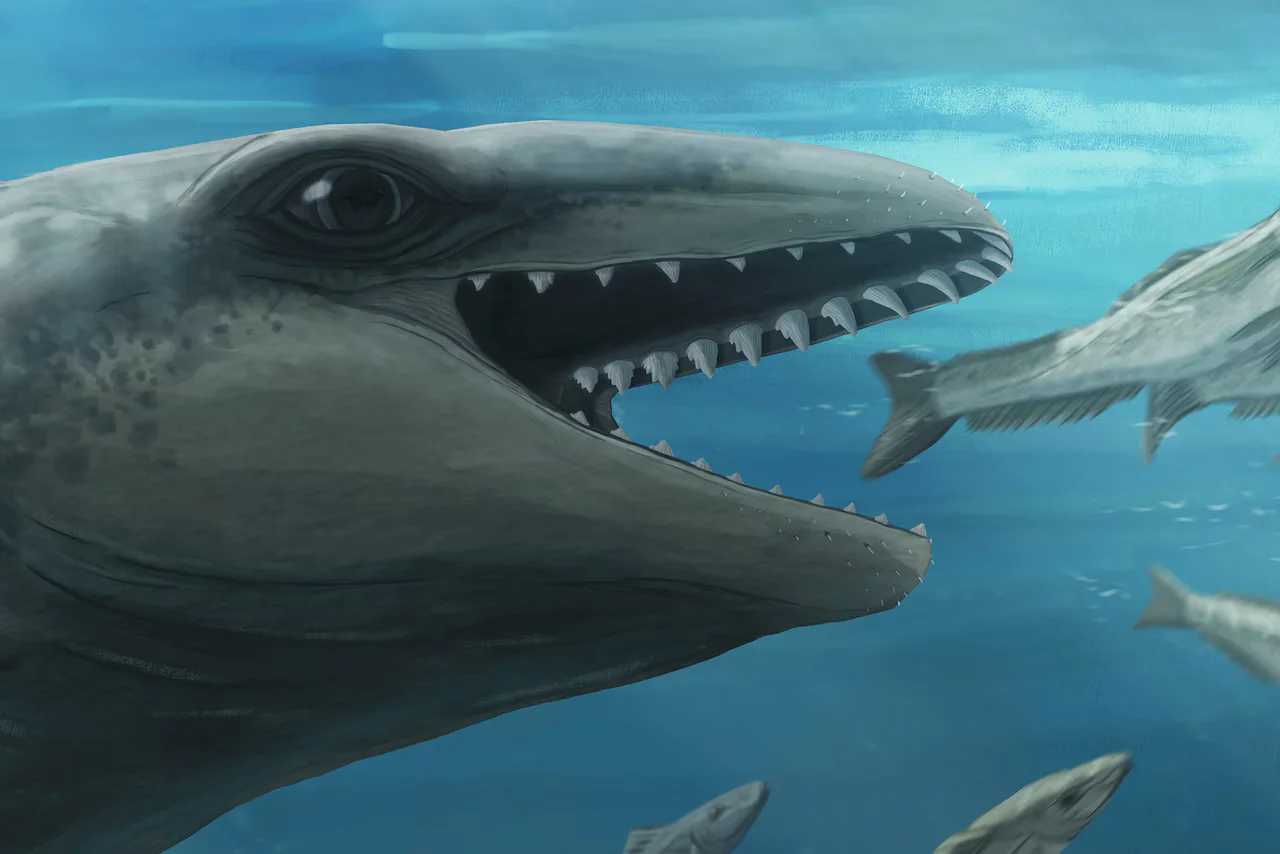
A 25-million-year-old fossil of a tiny, predator whale species named Janjucetus dullardi was discovered in Australia, revealing insights into early whale evolution and their feral ancestors, with the find highlighting the rarity and significance of such fossils for understanding marine history.
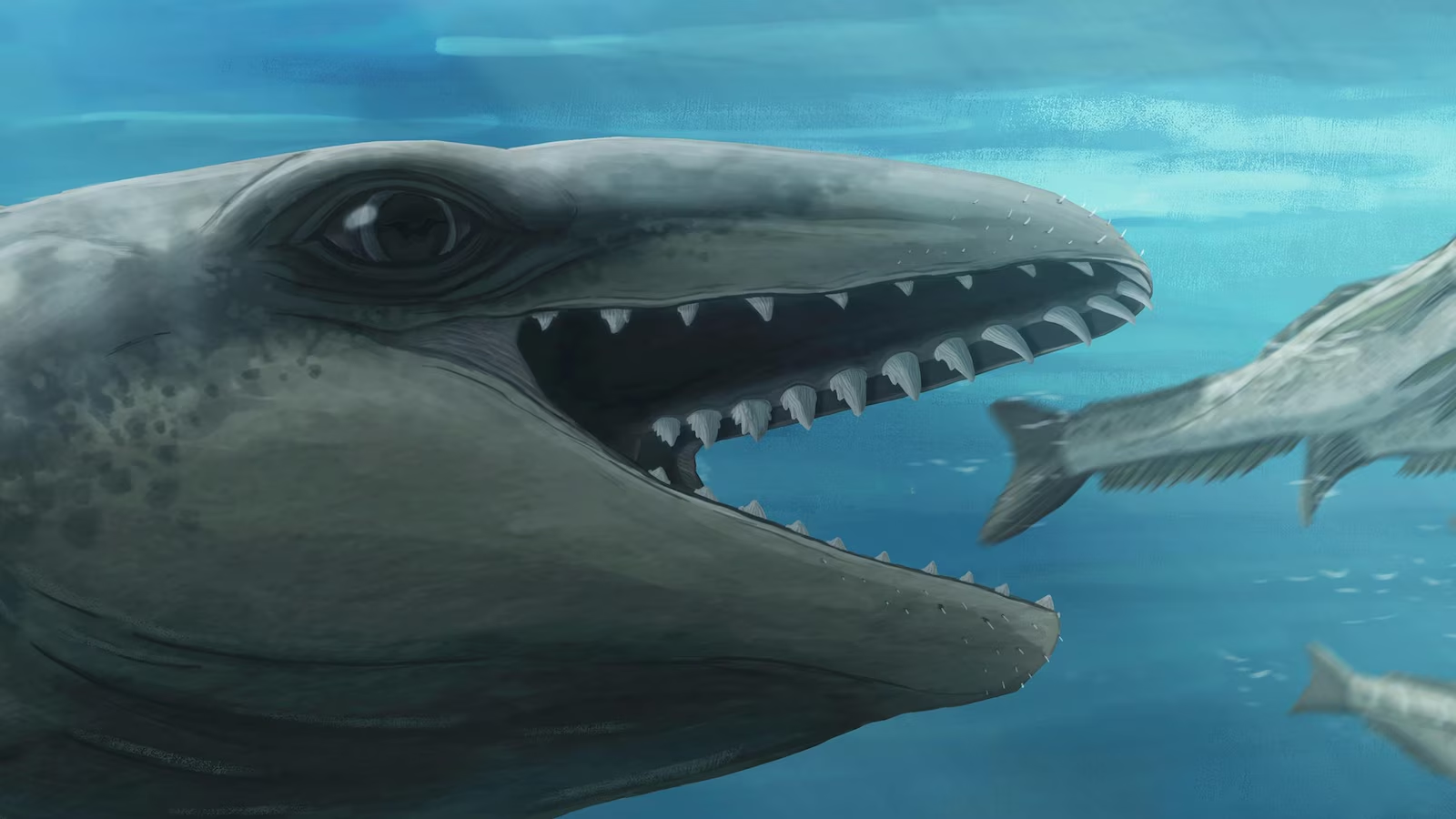
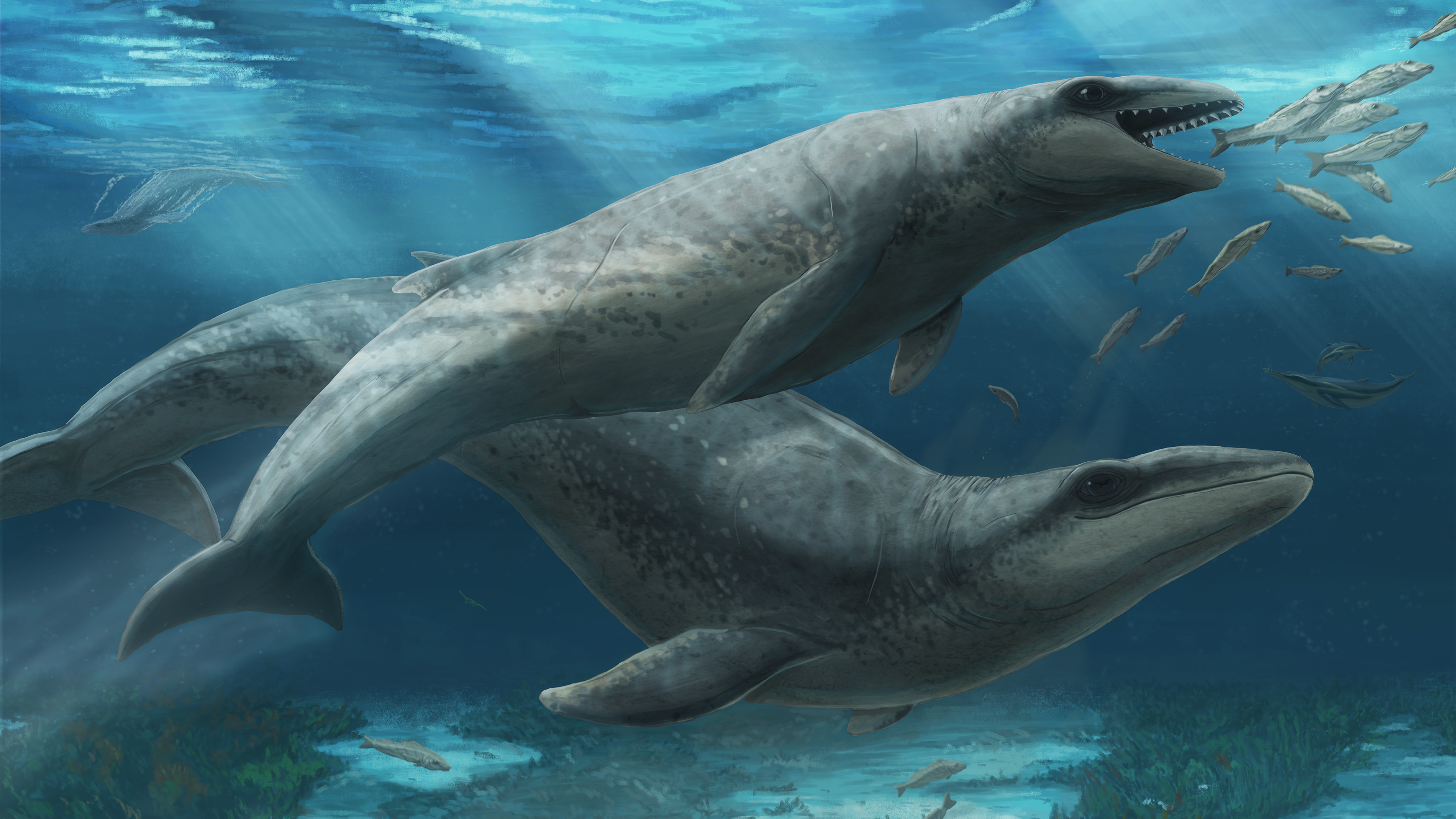
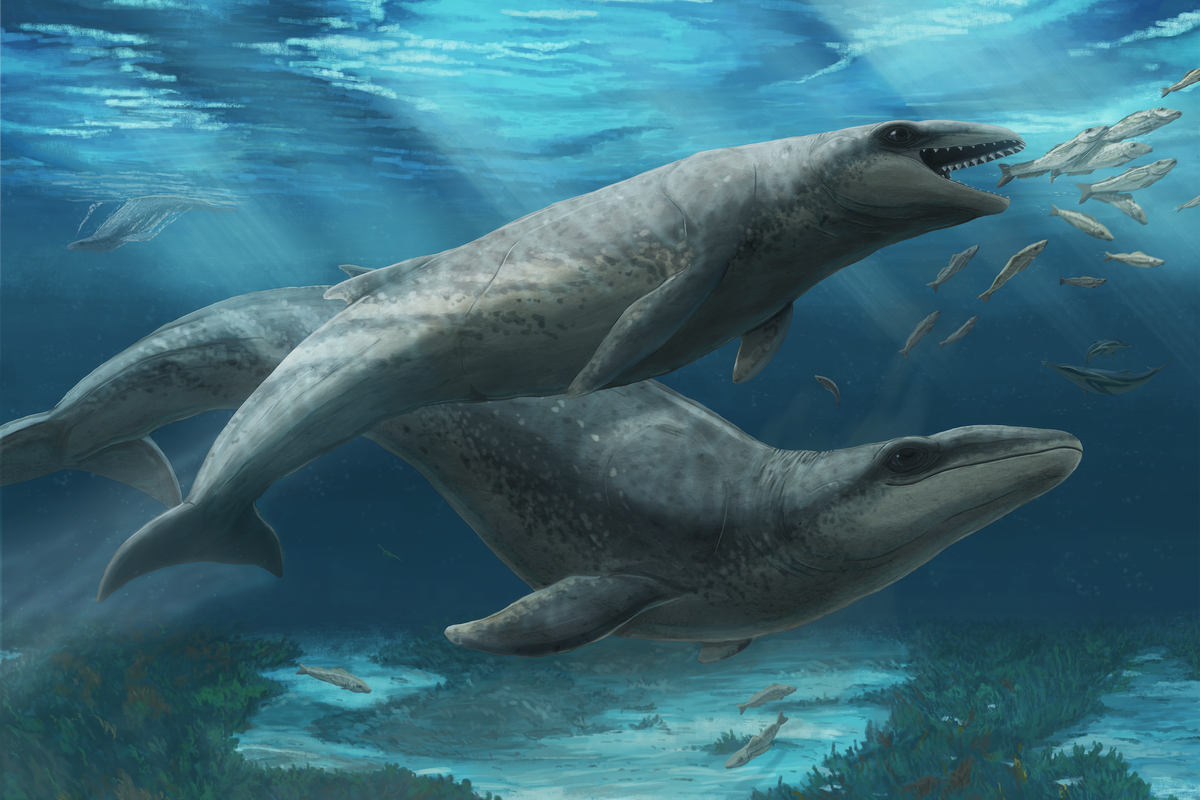
Scientists have discovered a new 25-million-year-old prehistoric whale species, Janjucetus dullardi, which looked 'deceptively cute' with cartoonish features resembling a Pokémon, but was actually a feral predator. The species, part of the ancient mammalodontids group, was identified after six years of research following its discovery by amateur fossil hunter Ross Dullard. The find provides insight into the evolution of modern whales.
A 25-million-year-old fossil of a tiny, fierce prehistoric whale species named Janjucetus dullardi was discovered in Australia, providing new insights into early whale evolution and their adaptation to ancient oceans.
Scientists discovered a juvenile ancient whale called Janjucetus dullardi off Australia, dating back around 26 million years. This small, shark-like whale with big eyes and sharp teeth belonged to a family of small whales known as mammalodontids, and its discovery sheds light on whale evolution, especially in the region that has become a hotspot for such fossils.
Australian scientists discovered a well-preserved skull of a new ancient whale species, Janjucetus dullardi, dating back 26 million years. This small, sharp-toothed predator, described as 'deceptively cute,' provides insights into whale evolution and was named after a local who found the skull. The find highlights Victoria's Surf Coast as a significant site for studying early whale history.
Scientists discovered a new species of prehistoric whale, Janjucetus dullardi, off Australia, revealing insights into early whale evolution and hunting adaptations, including sharp teeth and large eyes, based on fossils found in Victoria.
Recent fossil discoveries in Victoria, Australia, reveal a diverse array of bizarre, small baleen whales called mammalodontids that lived around 25 million years ago, including the newly identified Janjucetus dullardi, which was about two meters long and likely a juvenile. These whales lacked baleen and had unique features, representing an extinct branch of whale evolution that thrived during a warm, shallow sea environment before going extinct around 22 million years ago due to climate cooling.
Scientists discovered a new species of ancient whale, Janjucetus dullardi, in Australia, characterized by its small size, razor-sharp teeth, and large eyes, dating back about 25 million years. The fossil, found by a local resident, provides insights into whale evolution during a warm period in Earth's history and highlights the importance of public participation in paleontology.