Bahram Beyzai, a renowned Iranian cinema and theatre giant known for his mythic storytelling and cultural influence, has died at age 87 in the US. Despite facing bans and exile, his work remains influential, with many acknowledging his role in shaping modern Iranian cinema and culture. His film 'Bashu, the Little Stranger' is considered a masterpiece, and his legacy endures through the admiration of peers and the ongoing appreciation of his contributions to Iranian arts.
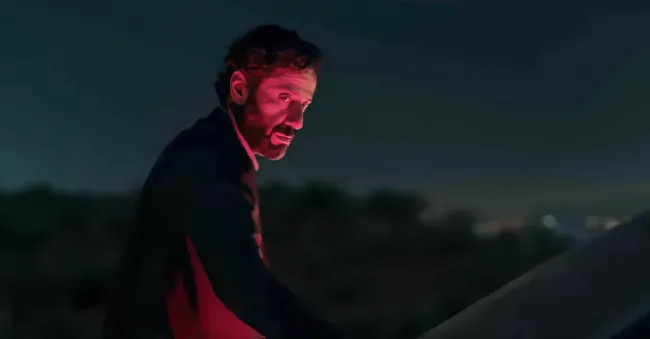
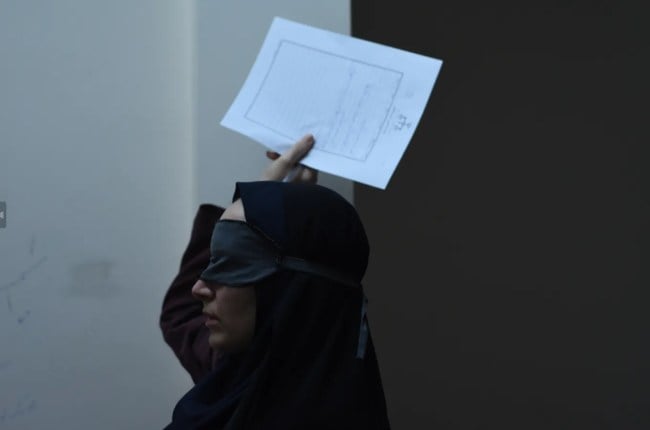
Jafar Panahi's film 'It Was Just an Accident' explores Iranian dissidents' experiences through a tense, comedic journey, culminating in a challenging 13-minute monologue shot in difficult conditions, highlighting Azizi's remarkable performance and Panahi's filmmaking skill.
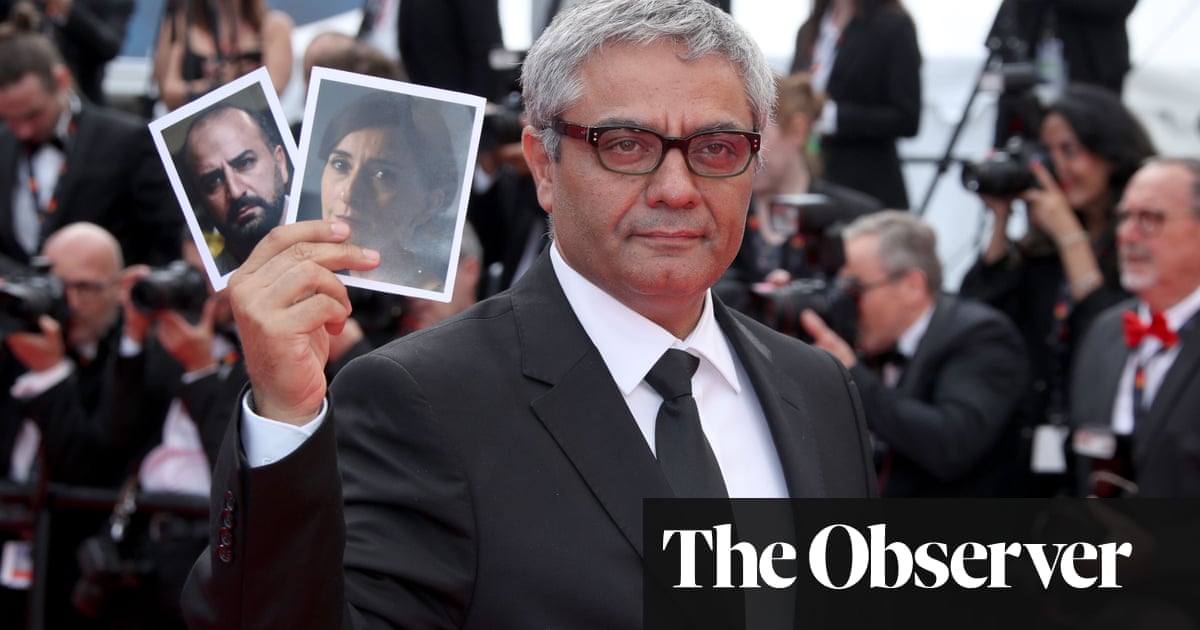
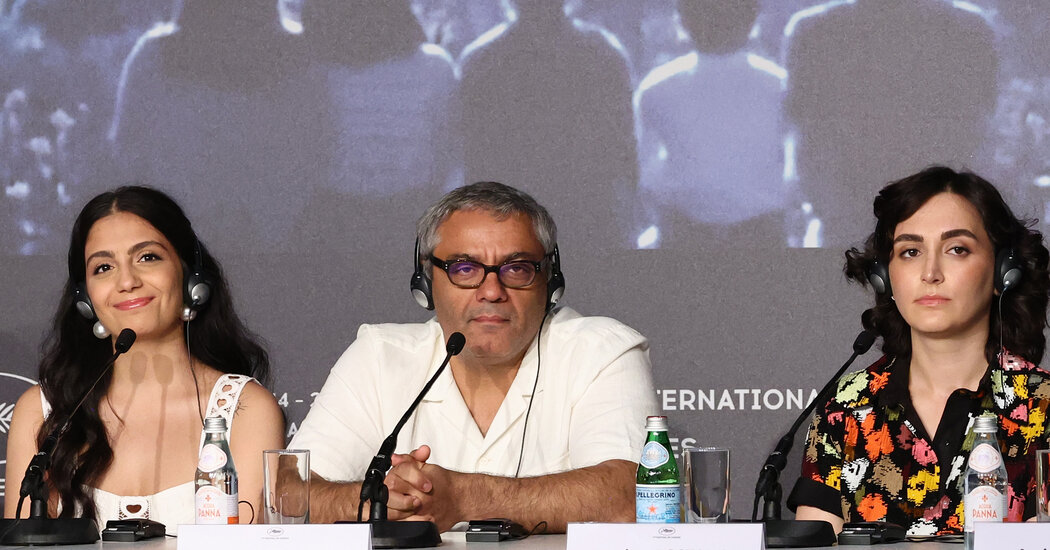
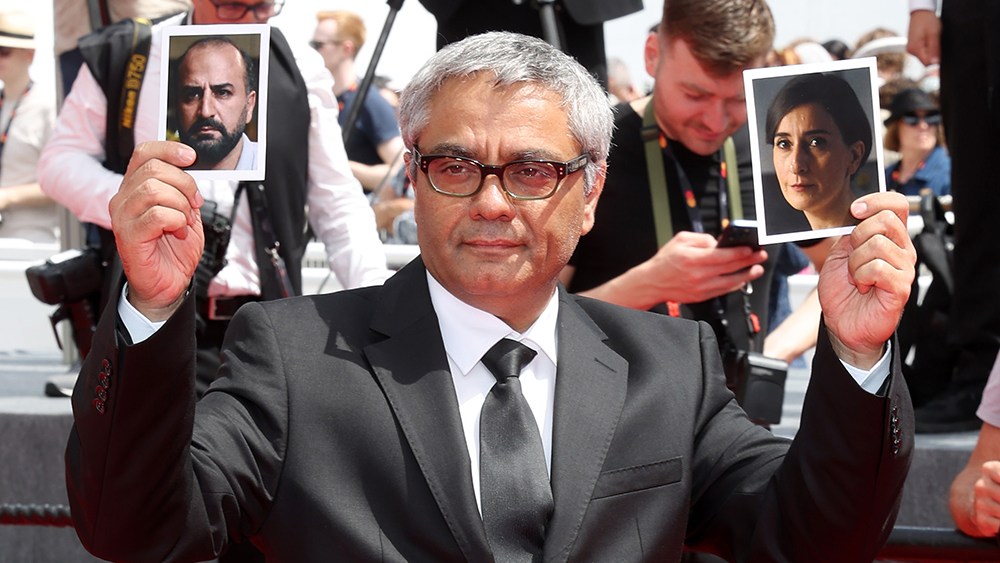
Exiled Iranian director Mohammad Rasoulof, who fled Iran after receiving an eight-year prison sentence, urged Iranian filmmakers to resist fear and continue their work. Speaking at the Cannes Film Festival, where his new film "The Seed of the Sacred Fig" premiered, Rasoulof shared his harrowing decision to leave Iran and highlighted the courage of his cast and crew who remain in the country. The film, set during the 2022 protests in Iran, received strong support at Cannes.
Mohammad Rasoulof's film "The Seed of the Sacred Fig" won the Fipresci award at Cannes, praised for its powerful depiction of the conflict between tradition and progress in modern-day Iran. Rasoulof, who fled Iran after being sentenced to jail for criticizing the regime, continues to tell Iranian stories from exile. The film received a 12-minute standing ovation and is a Palme d'Or frontrunner. Other notable winners include "The Story of Souleymane" and "Desert of Namibia."
Iranian director Mohammad Rasoulof, who fled Iran to avoid an eight-year prison sentence for his critical films, premiered his new movie "The Seed of the Sacred Fig" at the Cannes Film Festival. The film, set against student protests in Tehran, explores the psychological toll on a judge in the Revolutionary Court. Rasoulof emphasized the importance of highlighting the oppressive nature of Iran's government and vowed to continue making impactful films.
Mohammad Rasoulof's film "The Seed of the Sacred Fig" received a 12-minute standing ovation at the Cannes Film Festival, highlighting its political significance and making it a frontrunner for the Palme d'Or. Rasoulof, who fled Iran to avoid imprisonment for his critical films, attended the premiere, which was marked by strong support for Iranian women's rights and the film's cast who couldn't attend due to government restrictions.
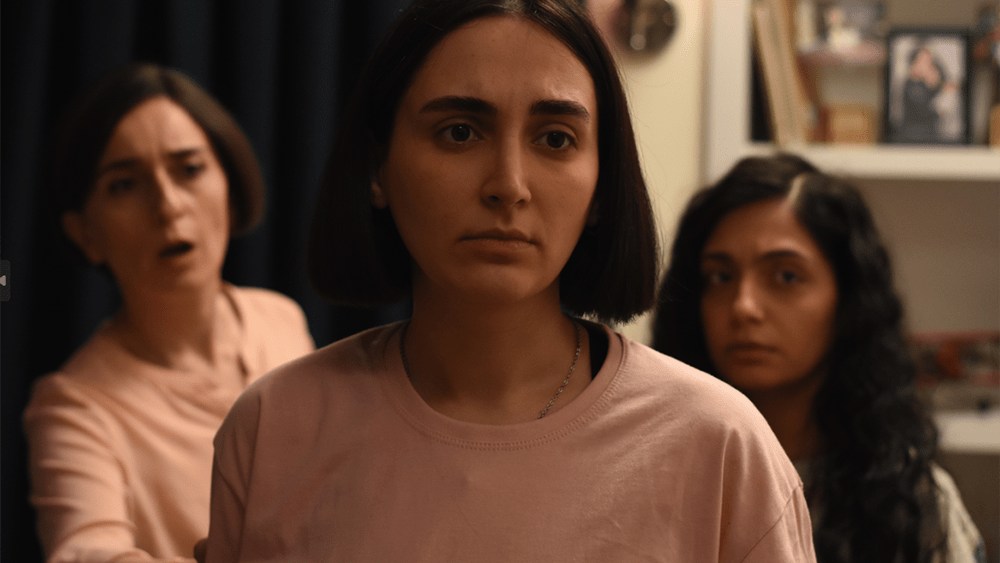
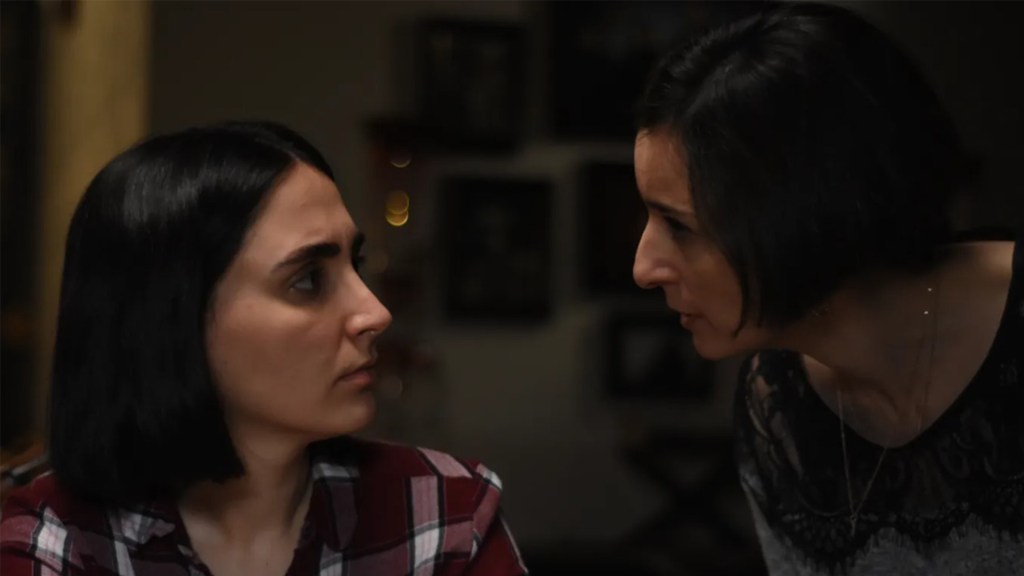
"The Seed of the Sacred Fig," directed by exiled Iranian filmmaker Mohammad Rasoulof, is a politically charged melodrama about an Iranian family torn apart by protests and the father's role in the regime's executions. The film, which blends various genres, highlights the tension between personal and political spheres, culminating in a powerful narrative about generational and ideological battles. Despite its melodramatic excesses, the film's immediacy and the cast's commitment make it a compelling watch.
"The Seed of the Sacred Fig," directed by Mohammad Rasoulof, is a gripping political thriller inspired by the 2022 killing of Mahsa Amini and the subsequent Woman, Life, Freedom uprising in Iran. Filmed in secret, the movie explores the corrupting costs of power and the suppression of women under a religious patriarchy. Despite the Iranian government's opposition, the film's powerful narrative and brave performances make it a must-watch, earning an A- grade.
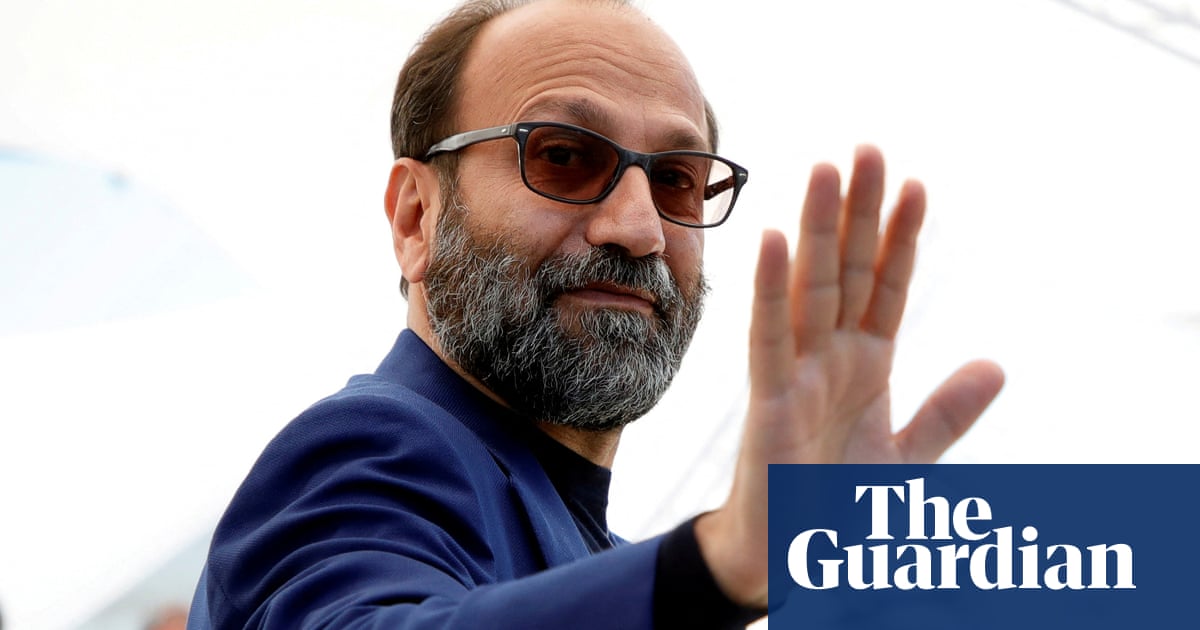
Iranian director Asghar Farhadi has been cleared of plagiarism claims over his film A Hero, following a copyright infringement allegation by one of his former students. The Iranian courts appointed "seven experts" who unanimously rejected all the plaintiff’s claims, leading to the complete clearance of the film from the accusations. A Hero, which won the grand prix at the Cannes film festival in 2021, tells the story of a prisoner who becomes famous after finding a purse of gold coins and returning it to its owner, despite suffering extreme poverty. Farhadi has twice won the Academy Award for best foreign language film.
Martin Scorsese has joined a petition calling for the release of Iranian director Saeed Roustaee, who was sentenced to six months in prison for screening his film "Leila's Brothers" at the Cannes film festival. The film, which depicts the economic struggles of a family in Tehran, is banned in Iran. Scorsese's daughter, Francesca, launched the petition, which has garnered two-thirds of its 15,000-signature target. The Cannes festival organizers have condemned the sentencing as a violation of free speech for Iranian artists, filmmakers, producers, and technicians. Roustaee gained international recognition for his film "Just 6.5," which explores Iran's drug problem and the ineffective police response.
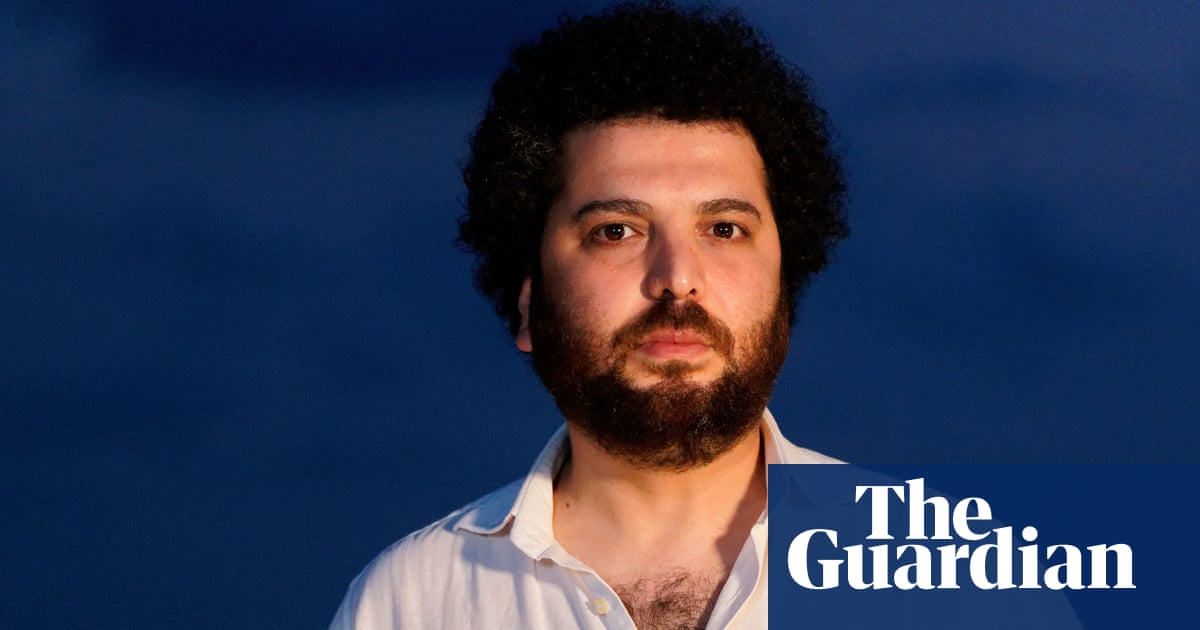
Iranian director Saeed Roustayi has been sentenced to six months in prison, with a suspended sentence of five years, for screening his film "Leila's Brothers" at the Cannes Film Festival without authorization. Roustayi and his producer Javad Noruzbegi were found guilty of "contributing to propaganda of the opposition against the Islamic system." The film, which won the FIPRESCI prize, focuses on an Iranian woman navigating corruption and international sanctions. Roustayi's acceptance speech, dedicated to the victims of a tower collapse in Iran, angered authorities who subsequently banned the film in the country. Roustayi and Noruzbegi join a growing list of Iranian filmmakers facing repercussions from the authoritarian regime, including Jafar Panahi and several prominent actresses.
Ali Ahmadzadeh's film "Critical Zone" wins the top Golden Leopard at the Locarno Film Festival, despite Iranian authorities pressuring the director to withdraw it. The film, set in Tehran, is described as a "hymn to freedom and resistance." Iranian cinema also celebrates with "Shayda" chosen as the closing film. Radu Jude receives the Special Jury Prize for "Do Not Expect Too Much from the End of the World," and Maryna Vroda is named Best Director for "Stepne." Gender-neutral acting awards are introduced, and environmental activists stage a protest during the festival.
Iranian film-maker Jafar Panahi has left Iran for the first time in 14 years, as his travel ban appears to have been lifted. Panahi, who has spent his career under close observation by Iran’s government, is best known for films including The White Balloon, The Circle and Taxi Tehran. He has won numerous awards, including the Silver Bear at the Berlin film festival in 2013 and the festival’s top prize in 2015 for Taxi Tehran. Some have speculated that Panahi may attend this year’s Cannes film festival as a juror.