The article is a personal reflection on filmmaker Béla Tarr's relentless pursuit of cinematic perfection, his mentorship, and his influence on the author's approach to film, highlighting Tarr's dedication to craft, authenticity, and the challenges faced during ambitious projects like 'The Man from London.'
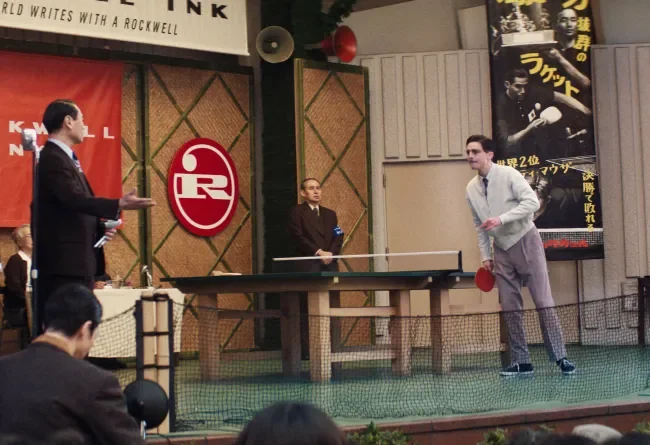
Josh Safdie, inspired by his childhood love of ping-pong and its rich post-WWII history, aimed to authentically depict the sport in his film 'Marty Supreme' by meticulously choreographing matches with the help of ping-pong experts, using CGI to enhance realism, and employing documentary-style cinematography to capture the sport's intensity and nuance.
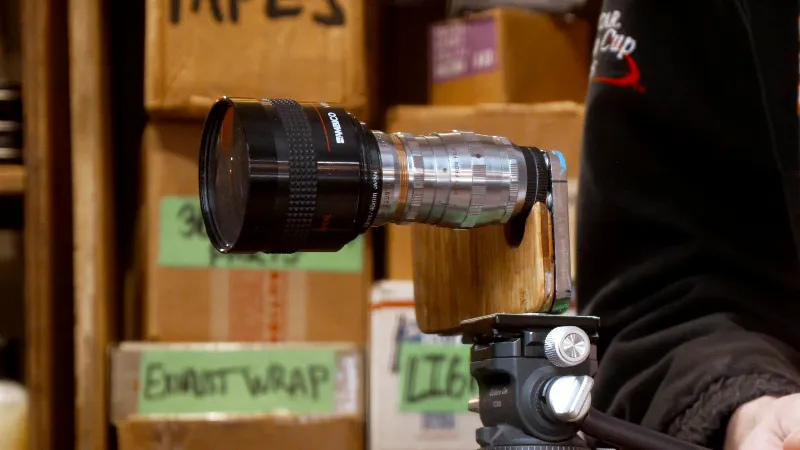
Evan Monsma modified an old iPhone by removing its lens cover and back, then attaching a C-mount cinema lens using a custom adapter, transforming it into a capable cinema camera with professional-grade lenses, demonstrating innovative use of broken phones for filmmaking.
Ridley Scott discusses his career, approach to filmmaking, personal interests, and opinions on movies like Blade Runner and Gladiator, emphasizing his dedication to his craft and his refusal to be bought for projects like Terminator 3.
Director Danny Boyle reflects that he couldn't make 'Slumdog Millionaire' today due to changing cultural sensitivities and awareness of cultural appropriation, despite being proud of the film's success and impact.
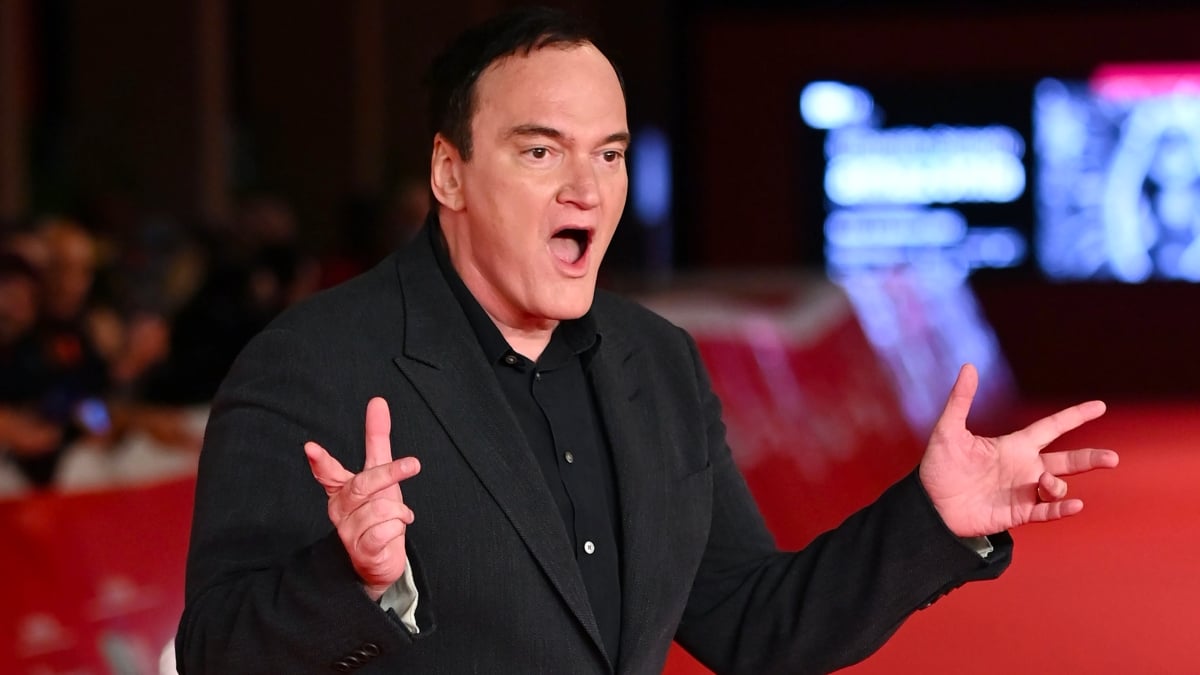
Quentin Tarantino has scrapped his upcoming film, The Movie Critic, which was intended to be his final project, and is now reconsidering what his 10th and ultimate film will be. The director's decision to abandon the movie comes after a year of pre-production and the attachment of stars like Brad Pitt. Tarantino has long expressed his intention to retire from filmmaking after his 10th film, and while his next project remains a mystery, he plans to explore new creative endeavors post-retirement.
The Oscars will introduce a new category for best achievement in casting at the 2026 ceremony, marking the Academy's first new competitive award in over 20 years. This decision follows a long-standing effort by casting directors to be recognized at the prestigious event, with the Casting Directors Branch welcoming the news as a well-deserved acknowledgment. The addition of the casting Oscar will bring the total number of awards handed out to 24, and it comes after previous introductions such as the best animated feature film category in 2001.
Norman Jewison, a master craftsman of Hollywood, has left an indelible mark on cinema with a staggering array of classics and hits spanning five decades, from Doris Day comedies to iconic dramas like In the Heat of the Night and Fiddler on the Roof. His work showcased idealism, confidence, and style, and his ability to tackle diverse genres and issues solidified his status as a gold standard in Hollywood film-making.
Director Catherine Hardwicke reveals behind-the-scenes secrets from the making of the first Twilight film, including using melted cheese for vampire skin, choosing iconic songs for key scenes, and improvising lines. Hardwicke discusses the importance of capturing memorable moments from the book, such as the biology class scene and the vampire reveal in the forest. She also shares insights into the challenges of filming the baseball scene and the fight between Edward and James. Additionally, Hardwicke explains how she incorporated the actors' talents and created magical moments on set.
Greta Gerwig, known for her indie cinema success and the critically acclaimed film "Little Women," is set to direct at least two films from CS Lewis's Narnia Chronicles for Netflix. While some may find it an unusual choice, Netflix's chairman, Scott Stuber, hinted that the films may have a more traditional approach due to Gerwig's Christian background. The focus is expected to be on "The Lion, the Witch and the Wardrobe." Gerwig's potential take on the series, known for its Christian allegory, is anticipated to bring a fresh perspective and shake up the previous adaptations.
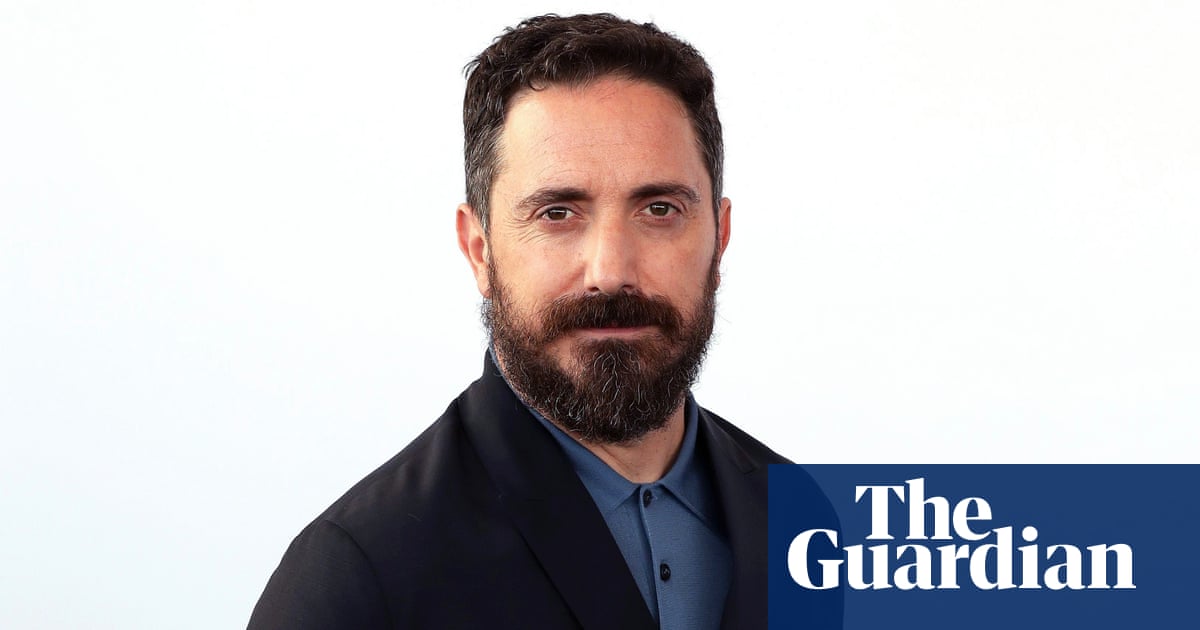
Chilean director Pablo Larraín discusses his latest film, "El Conde," which portrays Margaret Thatcher and Augusto Pinochet as vampires. Larraín reflects on his fascination with Pinochet and the impact of the dictator on Chilean culture. He also addresses the question of who is qualified to tell certain stories, expressing frustration with colonial attitudes and the notion that he, as a Chilean filmmaker, should not be allowed to explore the history of his own country. Larraín discusses his previous works, including "Spencer," and his commitment to his Chilean identity and filmmaking.
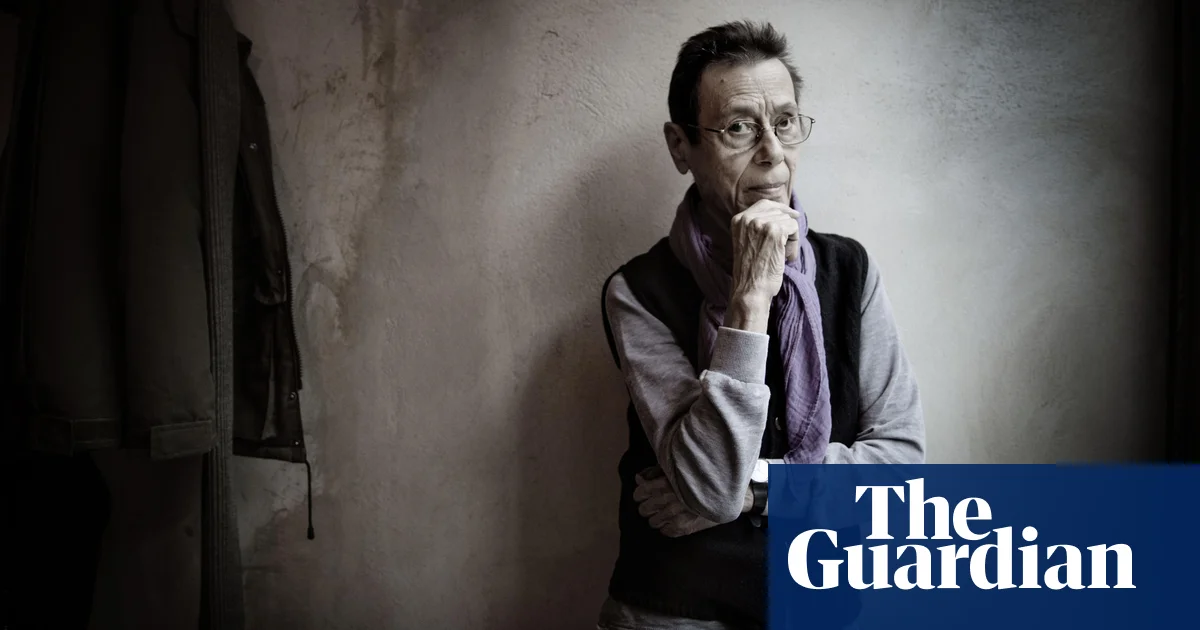
Yvonne Rainer, the pioneering choreographer known for deconstructing modern dance, discusses her transition to film-making and her unconventional approach to storytelling. Rainer's films, characterized by ruptures and strange juxtapositions, explore themes of identity, memory, emotion, and politics. Rejecting conventional narrative form, her films experiment with various styles and techniques, combining ordinary interchanges with dramatic presences. Rainer's rebellious streak and desire to deconstruct the mundane are rooted in her upbringing and political background. While her films became more personal and political, they also became increasingly difficult to finance, leading her to return to choreography. At almost 90 years old, Rainer continues to look forward to future projects and remains uninterested in fame.
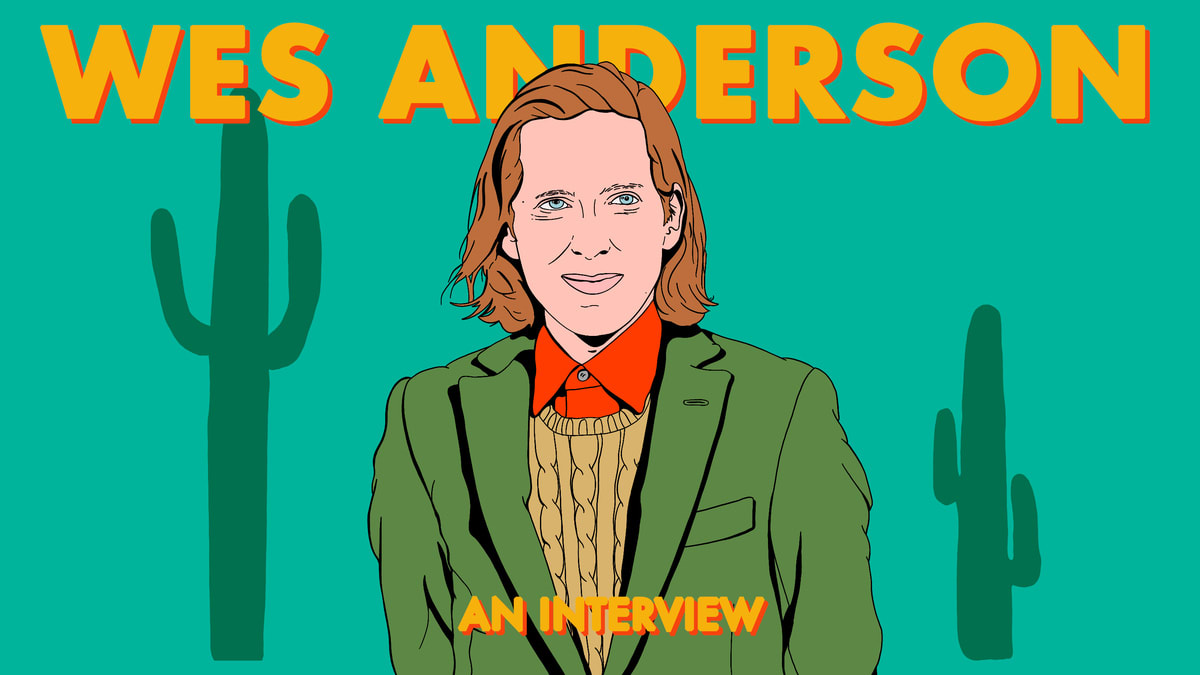
Wes Anderson discusses his latest film, Asteroid City, and his unique style of filmmaking. He also talks about his family's love for Star Wars and his desire to work with certain actors. Anderson emphasizes the importance of staying true to oneself and not succumbing to pressure to conform to mainstream cinema. He also clarifies the circumstances surrounding Bill Murray's departure from Asteroid City and praises the collaborative and comfortable atmosphere on set.
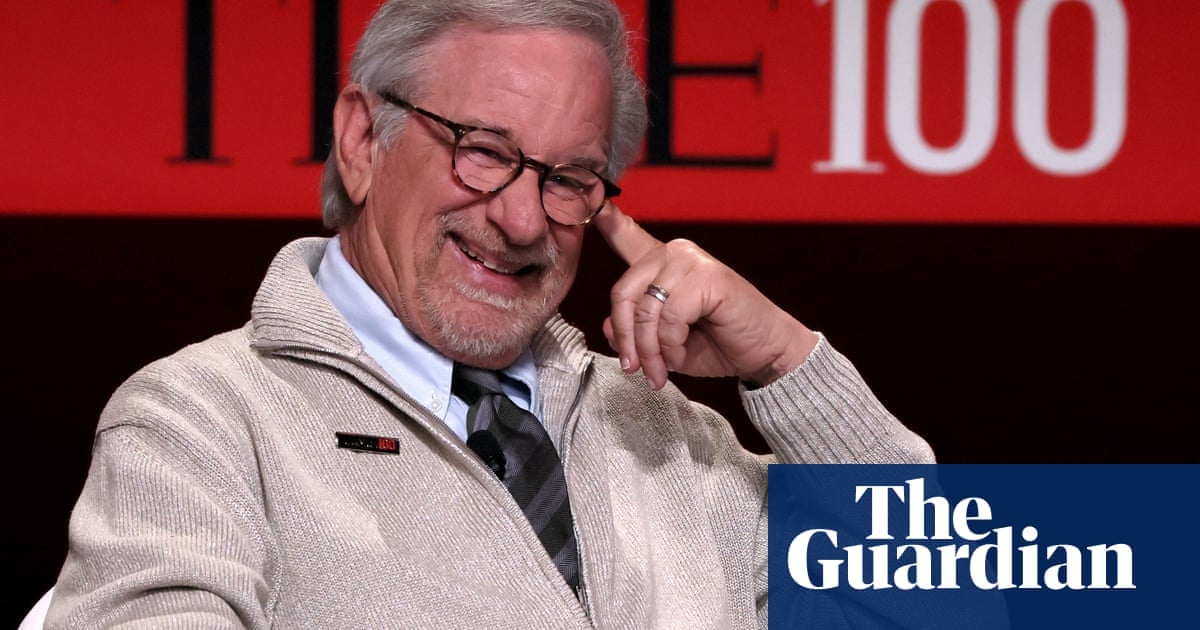
Steven Spielberg has expressed regret over re-editing his 1982 sci-fi blockbuster ET: The Extra Terrestrial to remove guns, stating that no film should be revised based on modern sensibilities. He also defended the cultural heritage of works like Roald Dahl's, which have been tweaked for modern readers, saying he does not believe in censorship. Spielberg's most recent film, The Fabelmans, received seven Oscar nominations, and his next project is rumored to be a drama based on the lead character from Bullitt.
Iranian film-maker Jafar Panahi has left Iran for the first time in 14 years, as his travel ban appears to have been lifted. Panahi, who has spent his career under close observation by Iran’s government, is best known for films including The White Balloon, The Circle and Taxi Tehran. He has won numerous awards, including the Silver Bear at the Berlin film festival in 2013 and the festival’s top prize in 2015 for Taxi Tehran. Some have speculated that Panahi may attend this year’s Cannes film festival as a juror.