The European Union has reportedly scaled back its plans for a comprehensive investment screening framework for China in order to avoid a potential "turf war" with national governments. The move reflects a shift towards regulatory cooperation with Beijing and a recognition of the need to balance economic interests with security concerns.
The EU has faced resistance from member states, including France and Germany, in its efforts to implement a strategy to de-risk ties with China, particularly in the realm of investment screening and export controls. The controversial elements of the strategy have been delayed until 2025, with the EU opting for monitoring exercises and consultation with member states and stakeholders. The commission aims to harmonize member states' export control regimes and tighten existing screening of foreign investments to safeguard against Chinese or other authoritarian powers acquiring strategic European tech companies. There are concerns about the conflation of national and economic security, as well as the need to prevent European technology from strengthening the Chinese military.
The European Union has proposed an economic plan that includes outbound investment screening and broader export controls, with China in mind. The plan does not directly refer to China but is seen as the first step in EU Commission chief Ursula von der Leyen's concept of "de-risking" ties with China. This comes after Brussels urged member states to remove Chinese companies from their 5G networks.
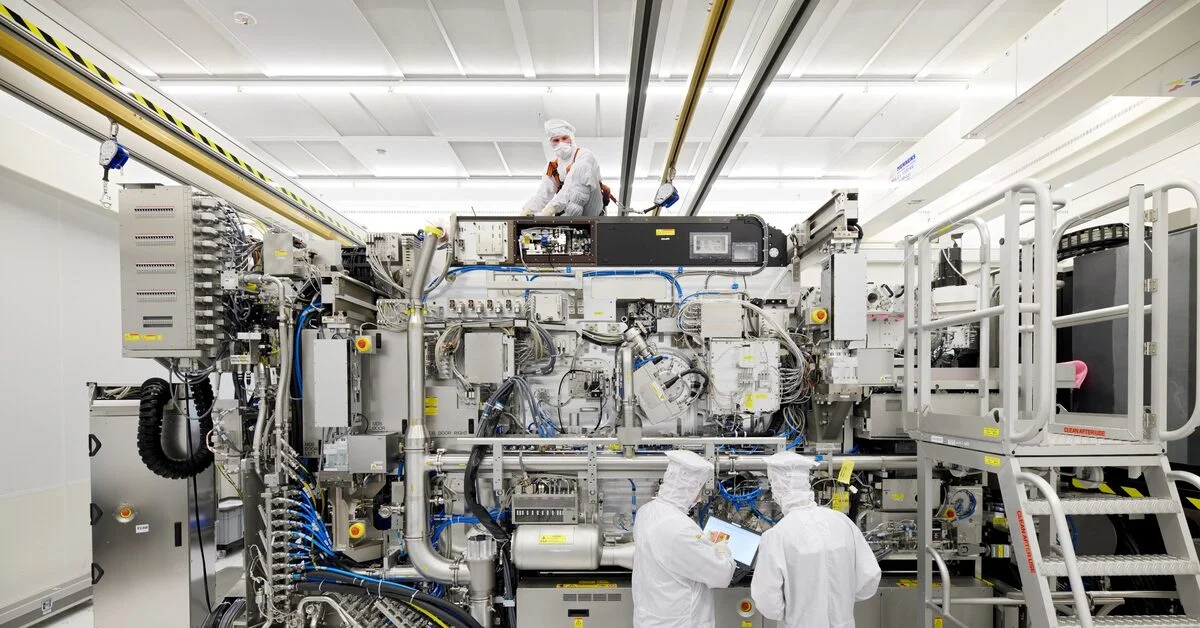
The European Commission will present its Economic Security Strategy to EU lawmakers and countries, outlining possible measures to prevent prized EU technology from being used by rivals such as China for military purposes. The strategies include screening of outbound investments and export controls. However, the Commission will need to tread carefully as granting of export licenses and weighing security interests are national competences that EU governments will want to retain.