
A comprehensive study analyzing data from two million individuals across 168 countries challenges the widely held belief about the negative psychological impact of internet technologies. Researchers found only small and inconsistent changes in global well-being and mental health over the last two decades, despite extensive internet adoption. The study did not find any specific demographic patterns affected differently by internet usage and noted an increase in life satisfaction among females during the period. The research calls for more data transparency from technology companies to further understand the nuanced impacts of internet use on psychological well-being.
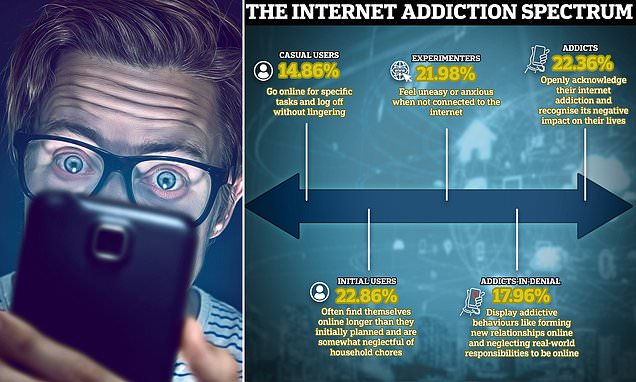
Scientists have developed a new internet addiction spectrum that categorizes users into five distinct groups: Casual Users, Initial Users, Experimenters, Addicts-in-Denial, and Addicts. The study found that younger individuals spend more time online and are more likely to be addicted to the internet, while older individuals spend less time online. The researchers emphasize the need for tailored interventions and support for individuals at different stages of internet addiction.
FCC Chairwoman Jessica Rosenworcel has requested a formal inquiry into the impact of data caps on internet users and why broadband providers still impose them. The inquiry will seek public comment on the impact of data caps on consumers, their experience with data caps, and how they impact competition. The FCC has also created a "Data Caps Experience Form" for users to share their experiences. Rosenworcel wants to ensure that data caps do not harm competition or consumers' ability to access broadband internet services.