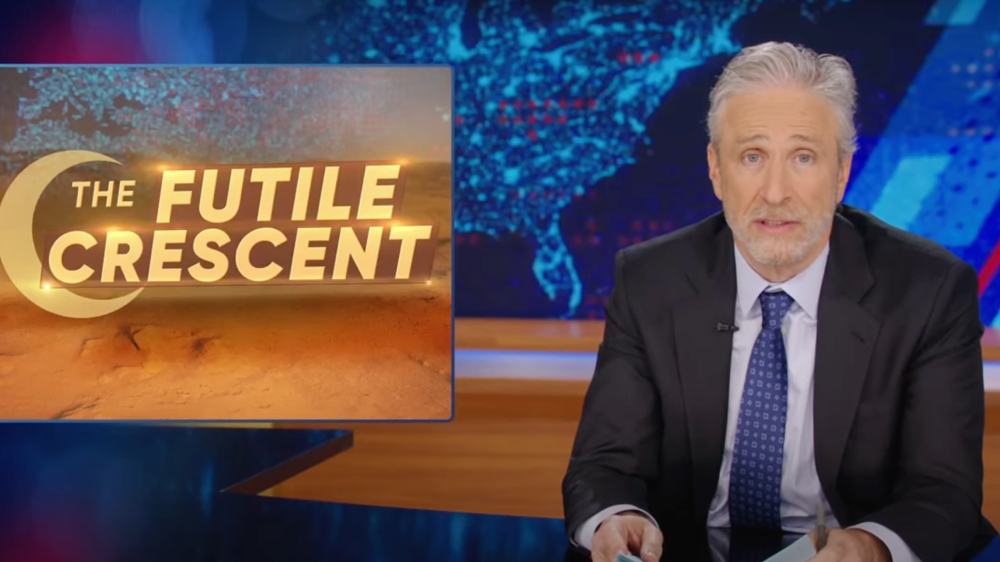
Jon Stewart criticizes America's inconsistent response to the Israel-Hamas war in Gaza compared to the Russia-Ukraine war, highlighting the verbal gymnastics and delicate sensibilities involved. He points out the discrepancy in language used by American officials and the lack of straightforward condemnation for actions in Gaza, emphasizing the need for courage in addressing the situation.
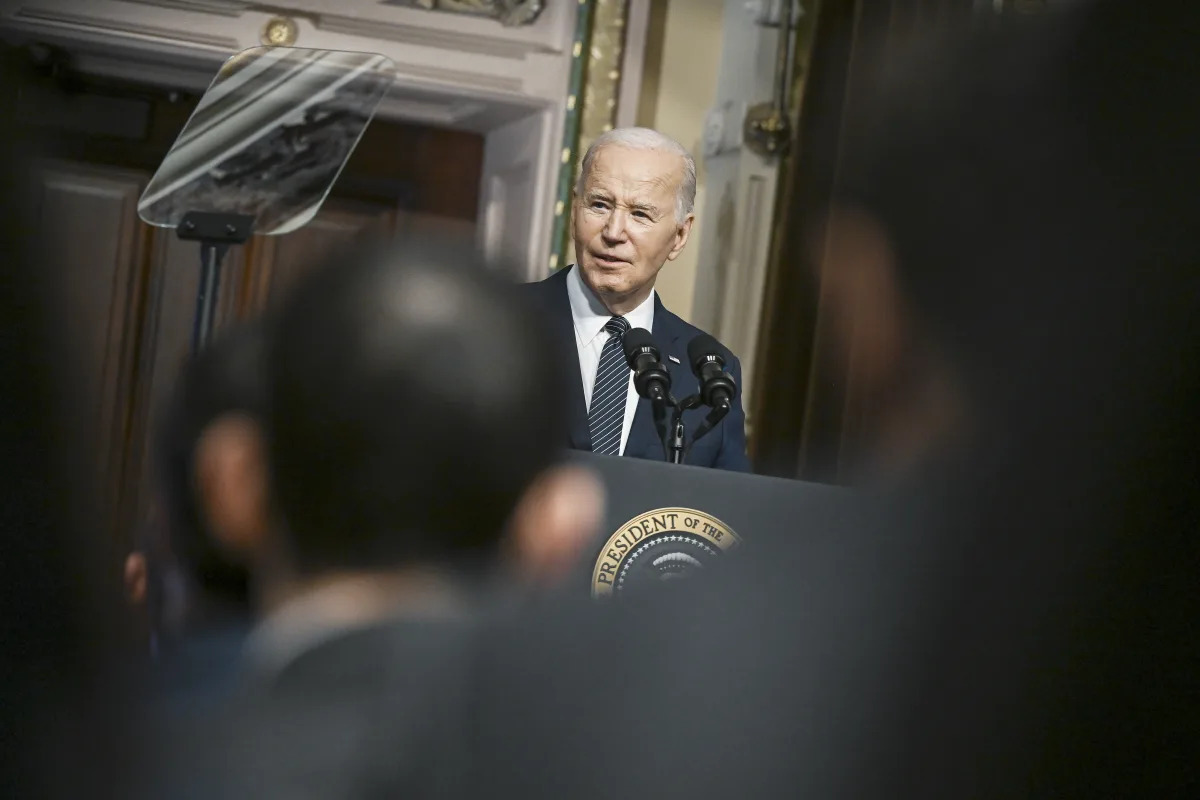
President Biden's strong language expressing outrage over the killing of aid workers in Gaza has raised questions about whether he will put conditions on the weapons sent to Israel. While the White House has been silent on this, there are calls for the president to change course and place restrictions on arms supplies to Israel. Despite the frustration expressed by Biden and his defense secretary, there is uncertainty about whether this will lead to a policy shift. The attack on the aid workers has intensified pressure on aid deliverers and worsened humanitarian distress in the region.
US Vice President Kamala Harris and other senior Democrats are pressuring Israeli Prime Minister Benjamin Netanyahu to abandon a planned offensive in the southern Gaza city of Rafah, citing the humanitarian crisis and potential catastrophic consequences. Progressive Democrats, including Alexandria Ocasio-Cortez, have accused Israel of committing "genocide" against Palestinians and called for the suspension of US military aid to Israel. The US is urging for a balanced approach that ensures both Israeli security and Palestinian dignity, while also addressing the humanitarian situation in Gaza.
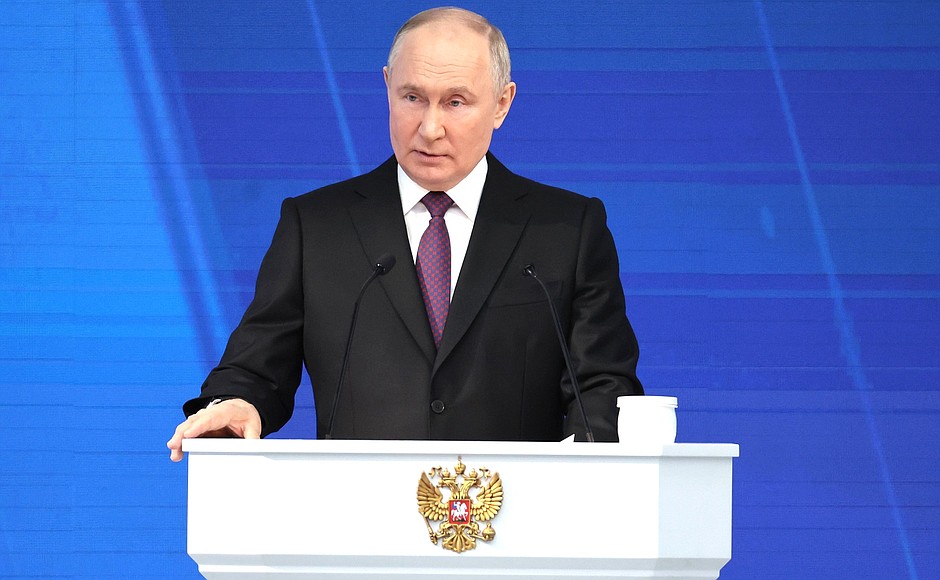
Russian President Vladimir Putin issued a direct and explicit warning during his state of the union address, stating that Russia will respond with nuclear capability if its statehood is threatened. This warning comes in the context of escalating tensions in Ukraine and the possibility of NATO combat deployment in the region. Putin's address signals Russia's firm stance against any western military intervention in Ukraine and underscores the potential consequences of such actions, including the use of nuclear weapons. The situation poses a significant challenge to international relations and the stability of the region.
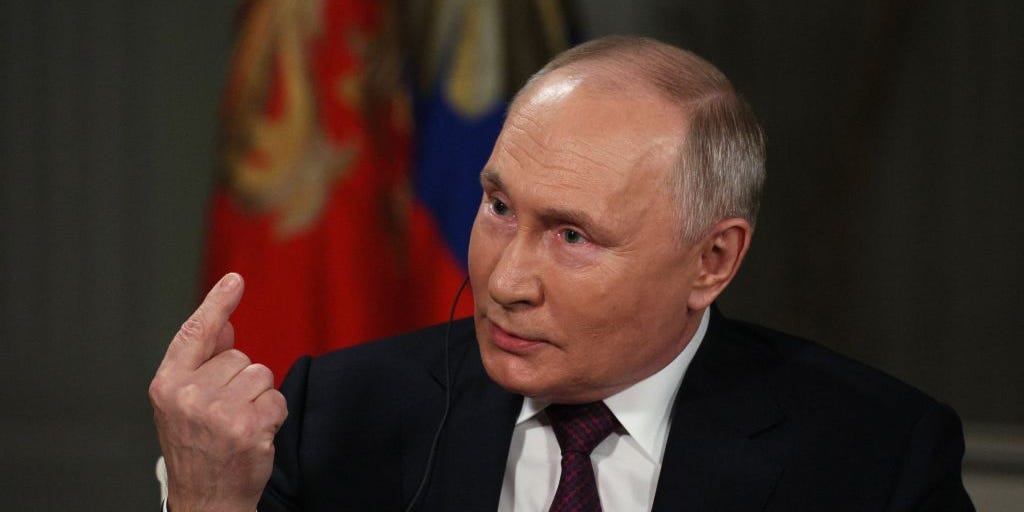
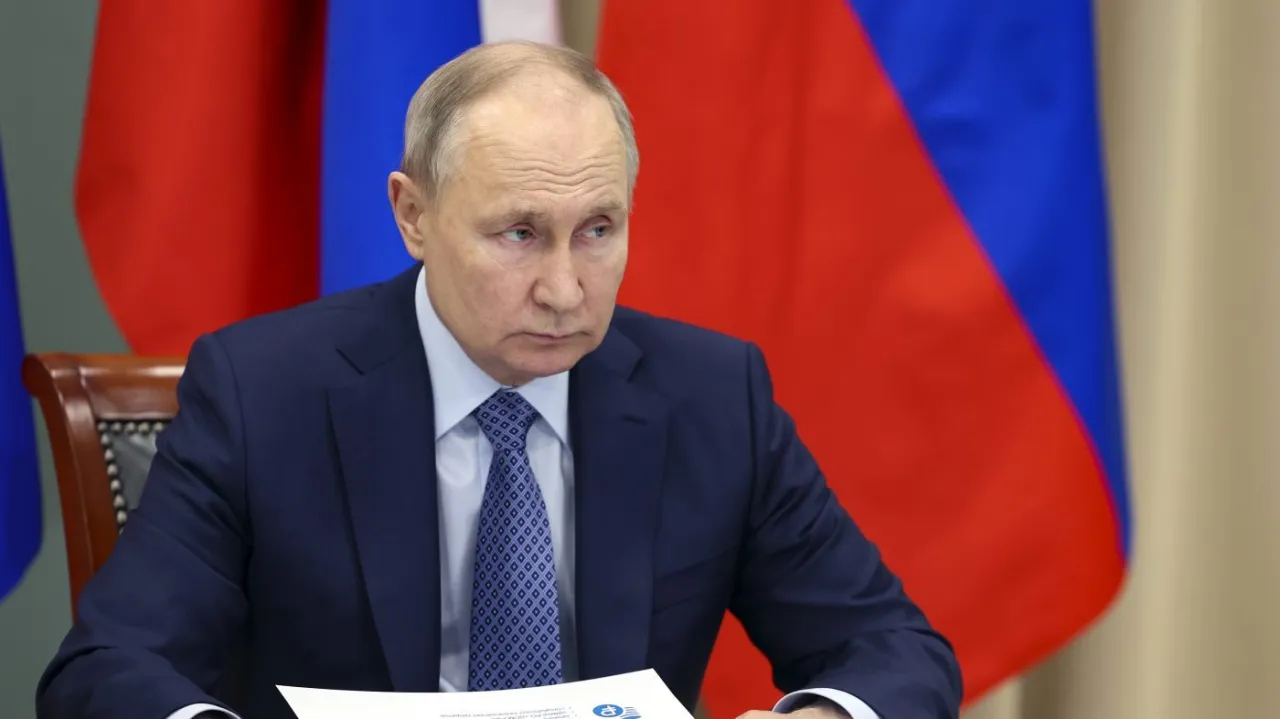
Russian President Vladimir Putin has issued new nuclear threats, with experts suggesting that his aim is to sway American voters against supporting Ukraine. Putin's warnings come amid ongoing Western assistance to Ukraine, and experts believe he is attempting to create conditions that would hinder further US funding for the country. While military professionals and international relations experts may be skeptical of Putin's threats, the average American voter may not fully grasp the nuances of nuclear politics, potentially leading to opposition to ongoing assistance. This comes at a critical time for Ukraine, as it seeks continued support in the face of Russia's military advances.
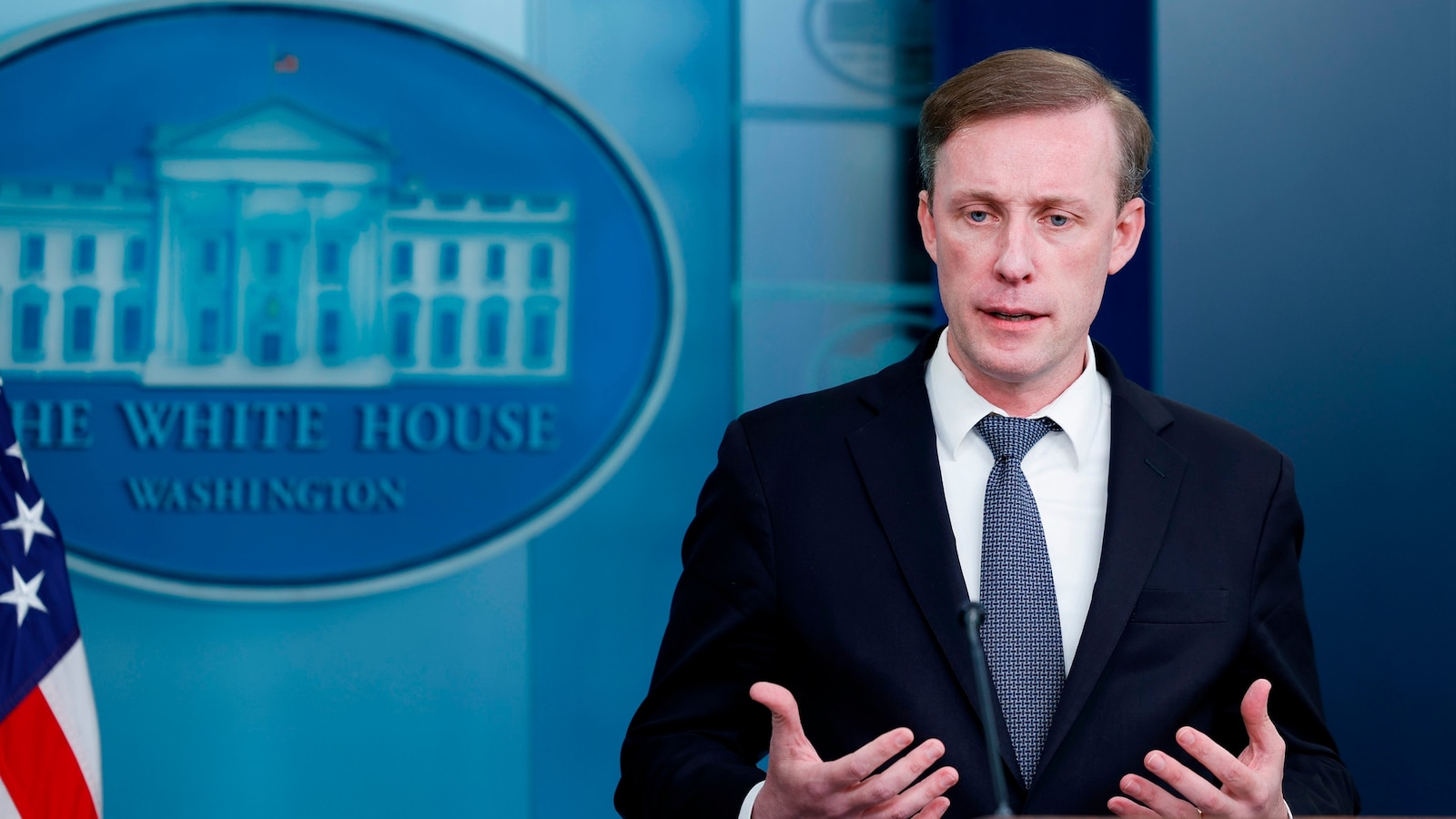
President Biden's national security adviser urges Speaker Johnson to bring a bipartisan Senate foreign aid bill to a vote in the House, emphasizing its potential to impact Ukraine's war against Russia. Johnson has expressed support for Ukraine but has concerns about the bill's immigration changes. The U.S. continues to provide support to Ukraine, with ongoing discussions about the effectiveness of sanctions against Russia.
G7 leaders condemn Russia's "irresponsible nuclear rhetoric" on the second anniversary of the Ukraine war, vowing to impose more sanctions on Russia and expressing full support for Ukraine. However, Ukraine's military is facing ammunition shortages as bipartisan gridlock in the U.S. Congress hinders the provision of military aid, allowing Russia to regain momentum in the conflict.
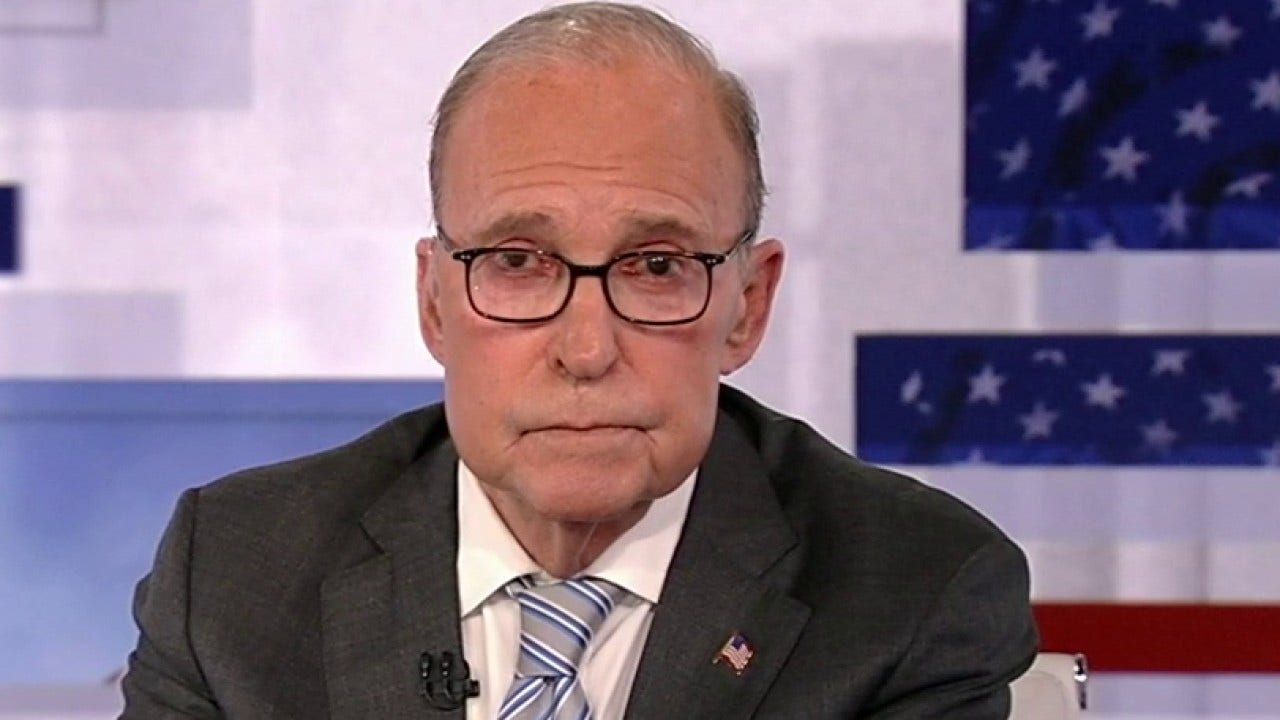
Larry Kudlow criticizes the Biden administration's sanctions on Russia, arguing that they are ineffective in causing serious financial damage to Putin's war machine. He highlights a secret global trading network that allows Russia to sell oil to various countries, undermining the energy sanctions. Kudlow suggests that the US should enforce tougher sanctions, seize Russian central bank reserves, and use them to support Ukraine, but criticizes the Biden administration for being hesitant and lacking backbone in taking such actions.
The UN Security Council is set to vote on a resolution for an immediate humanitarian cease-fire in Gaza, with the US planning to veto the Arab-backed resolution but offering a rival draft supporting a temporary cease-fire linked to the release of hostages and the lifting of humanitarian aid restrictions. The Arab Group, backed by many UN member countries, has been pushing for a cease-fire as the death toll in Gaza rises, but the US has been working on a hostage deal and hopes to arrange a six-week halt to hostilities. After the expected US veto, the Arab Group may take their resolution to the UN General Assembly, while the Security Council may begin discussing the US draft resolution condemning Hamas and addressing the situation in Gaza.
NATO is expected to reach a record level of defense spending as the alliance prepares for the possibility of a second term for President Trump. The increase in spending reflects concerns about the US commitment to the alliance and the need for European members to take on a greater share of the defense burden.
Nato chief Jens Stoltenberg criticized former President Donald Trump's suggestion that the US would not protect Nato allies failing to spend enough on defense, stating that it undermines security and puts troops at risk. Trump's comments were condemned by President Joe Biden and his rival Nikki Haley, with concerns raised about the impact on Nato unity and the potential for Russian aggression. Stoltenberg emphasized Nato's readiness to defend its members and called for a strong and committed US ally, while experts highlighted the implications of Trump's remarks amid heightened tensions with Russia.
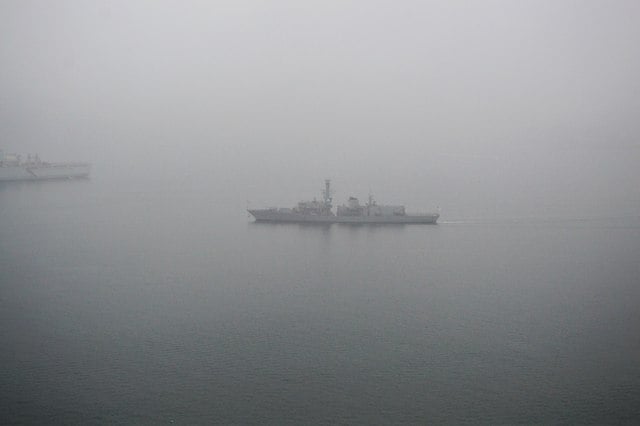
The UK's decision to send a warship to the disputed Esequibo territory between Venezuela and Guyana has sparked controversy, with historical tensions and recent agreements like the 1966 Geneva Agreement and the 2023 Argyle Accord calling for peaceful resolution without foreign intervention. The move is criticized as a distraction from domestic issues in the UK, such as rising poverty, and as a support for corporate interests like Exxon Mobil, which has a contentious history with environmental and human rights abuses. The article calls for the UK to respect international agreements, admit past wrongdoings, and focus on peaceful dispute resolution.