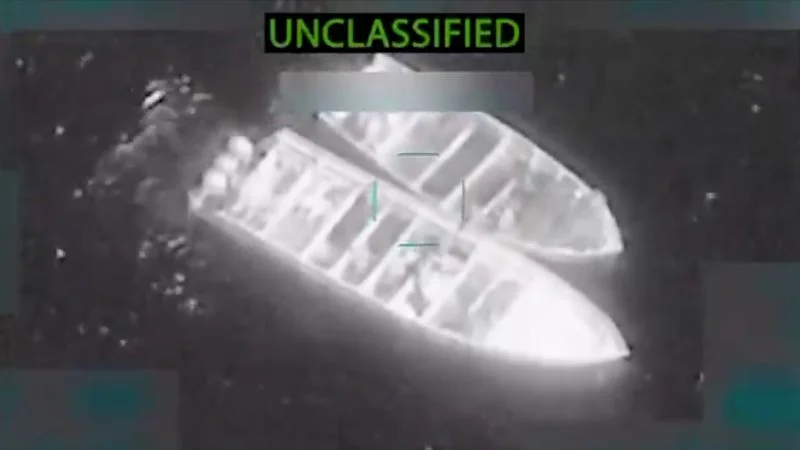
The UK has suspended intelligence sharing with the US regarding suspected drug trafficking vessels in the Caribbean due to concerns over the legality of US military strikes, which the UK and other allies consider illegal and extrajudicial, marking a significant diplomatic break.
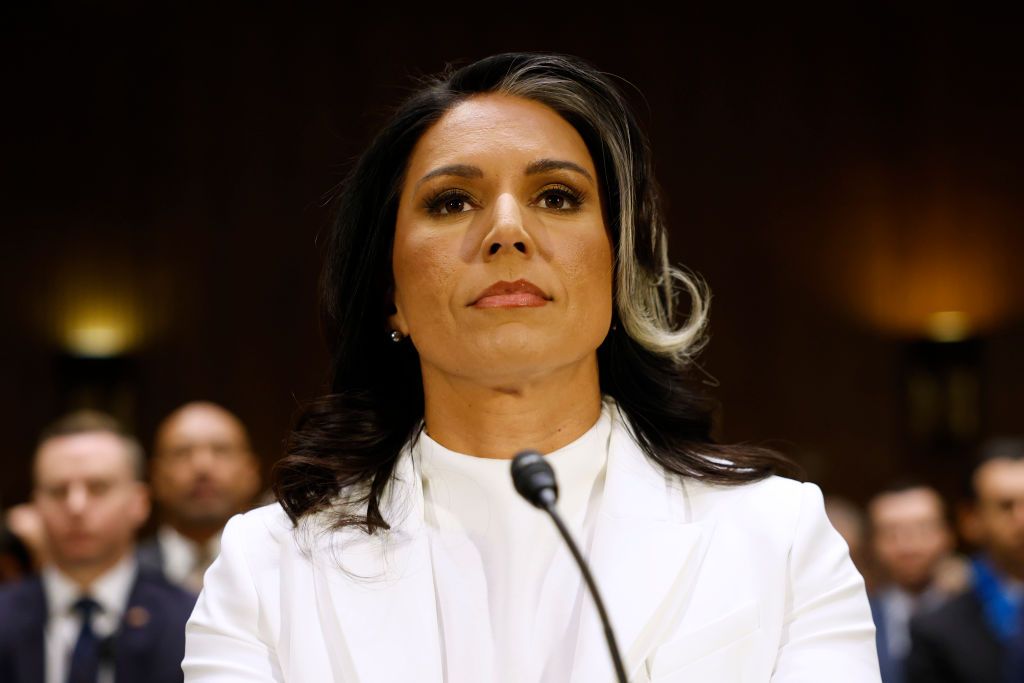
The Trump administration's Director of National Intelligence, Tulsi Gabbard, ordered a halt to intelligence sharing on Russia-Ukraine peace talks with the Five Eyes alliance, limiting information to publicly available data and internal agency sharing, without explanation. This decision occurs amid ongoing U.S.-brokered peace efforts and heightened tensions among allies, with Gabbard previously involved in Ukraine-related controversies.
The White House plans to restrict intelligence sharing with Congress following a leak of an early Iran nuclear report, leading to bipartisan criticism and concerns over transparency, as officials prepare for classified briefings on the strikes.
Congress is embroiled in a dispute with the White House over restrictions on sharing classified intelligence, following leaks and allegations of leaks related to Iran, with Democrats criticizing the move as an attempt to block oversight and Republicans warning of the dangers of leaks.
The White House plans to restrict intelligence sharing with Congress following leaks that compromised President Trump's claims about Iranian nuclear facilities, and will conduct a classified briefing with top security officials without Gabbard present.
US national security officials met with top telecom executives at the White House to address a significant Chinese cyber-espionage campaign targeting major US telecom providers. The hackers have infiltrated networks to spy on phone calls and texts, posing a major national security challenge. The meeting aimed to enhance defenses and share intelligence on the operation, which has affected senior political figures, including President-elect Donald Trump. The FBI has identified fewer than 150 victims, but the scope of the breach is still under investigation. China denies the allegations, while US officials continue to counteract Chinese cyber activities.
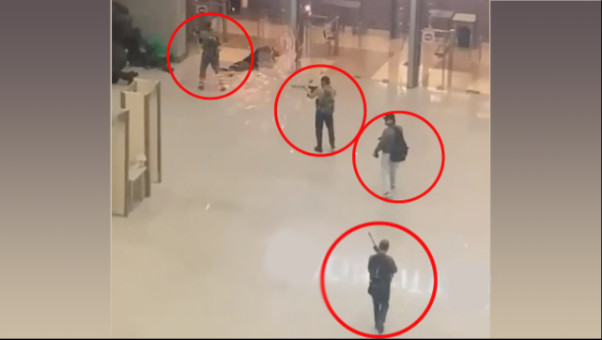
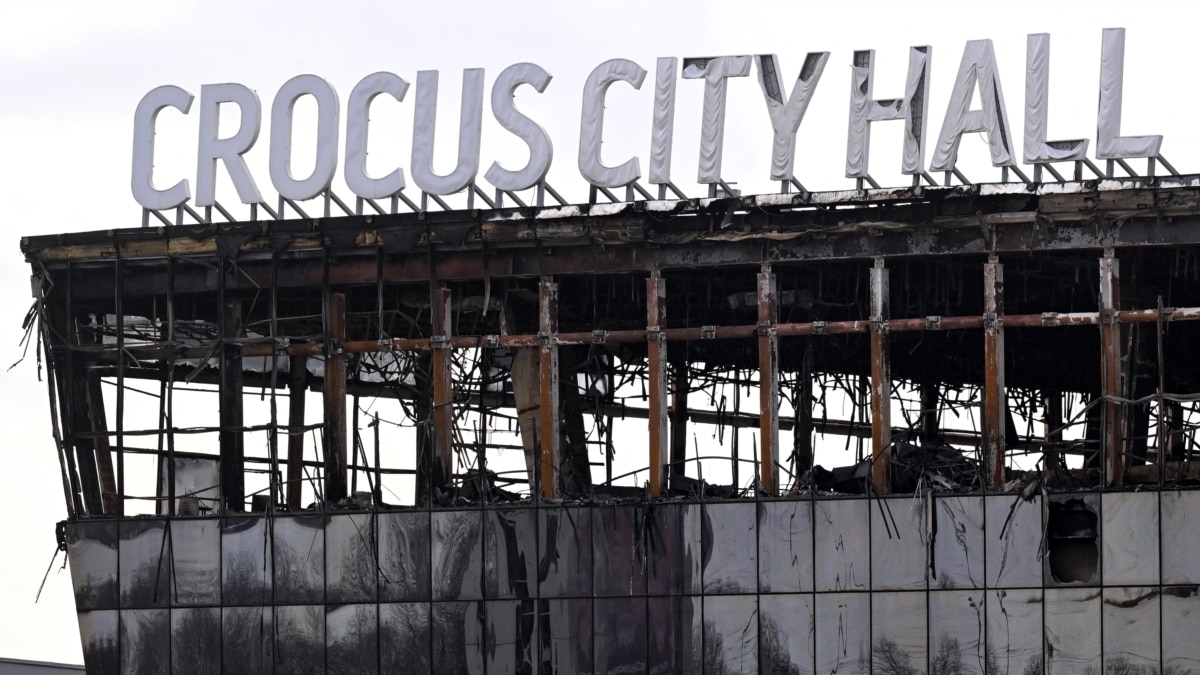
The US reportedly provided highly specific information to Russia about the Crocus City terrorist attack, contradicting Kremlin's claims of vague warnings, raising questions about security measures. The attack, claimed by ISIS-K, killed 140 and injured over 500. Russia's FSB intercepted explosives from Ukraine, and despite dismissing some warnings, acted on one to prevent an attack on a synagogue. The US maintains a "duty to warn policy" and provided specific intelligence to Iran in the past. Kremlin's response to the report suggests potential future cooperation based on accurate information sharing.
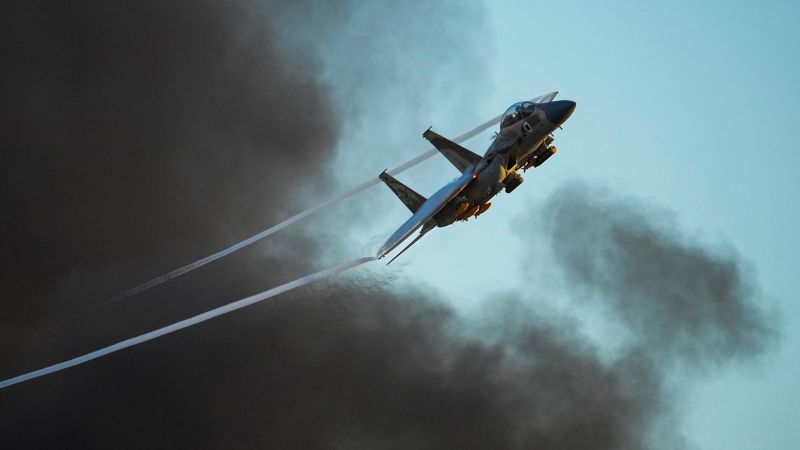
The Biden administration is close to approving the sale of up to 50 F-15 fighter jets to Israel in a deal worth over $18 billion, marking the largest US foreign military sale to Israel since its conflict with Hamas in October. The sale, along with a new sale of precision-guided munitions kits, highlights continued US military support for Israel despite criticism of its operations in Gaza. The proposed sale is expected to face debate in Congress, particularly among Democratic lawmakers calling for restrictions on military aid to Israel. Additionally, concerns are growing over the administration's intelligence sharing with Israel and its reluctance to use leverage to change Israel's approach to the conflict.
The recent missed terror warning and subsequent deadly attack in Russia highlight the complexities and challenges of U.S.-Russian intelligence sharing. Former U.S. intelligence officers point to Moscow's predatory approach, using such engagements for strategic and political gain, while Russian officials have expressed suspicions and doubts about U.S. warnings. The history of cooperation and tensions between the two countries, including instances of successful and failed intelligence sharing, underscores the deep-seated mistrust and differing value systems that complicate collaboration.
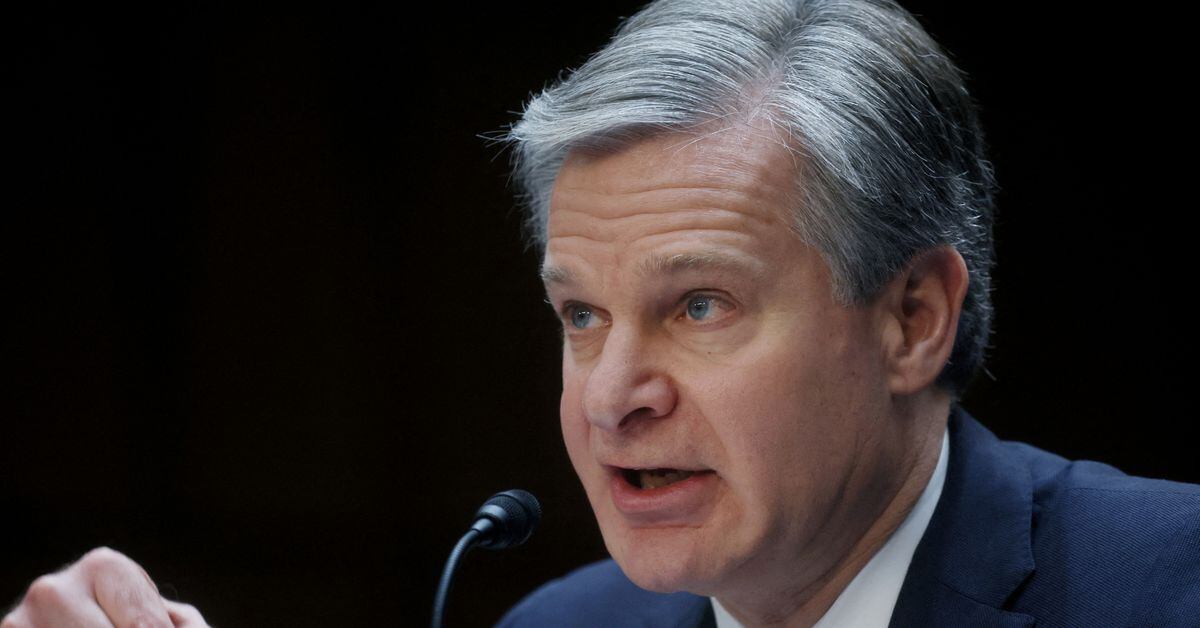
India has requested the United States to share intelligence on Sikh separatists living in the US, following investigations into an alleged plot to kill a Sikh separatist on American soil. The request was made by India's federal anti-terrorism agency, the National Investigations Agency (NIA), during meetings with FBI Director Christopher Wray. The issue of Sikh separatists operating against India from the US was discussed in detail, and India has asked for information on suspected individuals involved in the separatist movement. The movement for a Sikh homeland in northern India has gained global attention recently, with accusations of Indian officials' involvement in assassination plots against Sikh separatist leaders in North America. India denies any connection to these plots but acknowledges concerns about Sikh separatists raising funds and campaigning for India's division abroad.
There are no indications that Israel shared secret Hamas war plans with the U.S. intelligence community, according to three U.S. officials. Israeli officials obtained Hamas' battle plan for the Oct. 7 attacks, but dismissed it as beyond the militant group's capabilities. If taken more seriously, the Israeli military could have prevented the attacks, which killed over 1,200 Israelis. Israel did not share the plans with U.S. intelligence officials, raising concerns about the extent to which the U.S. relies on Israel for intelligence on Hamas. The Biden administration is focused on ensuring Hamas cannot repeat such attacks.
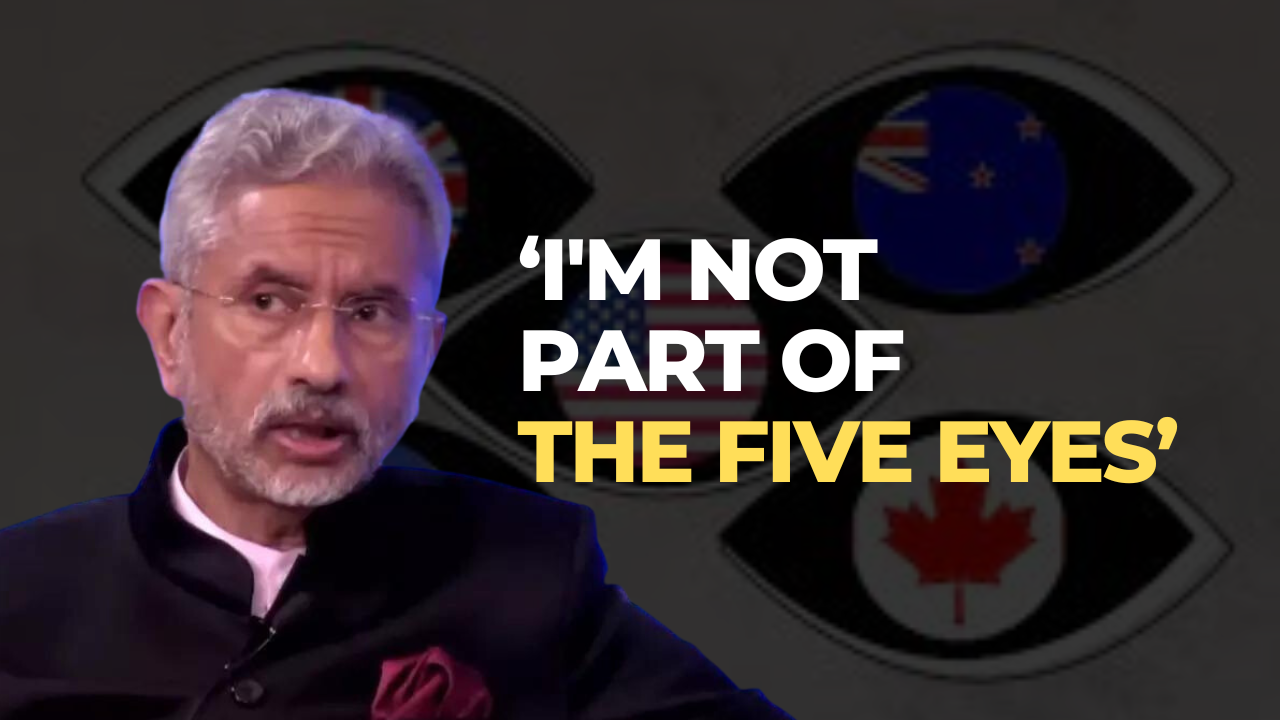
Indian External Affairs Minister (EAM) Jaishankar responded to reports of intelligence shared among The Five Eyes regarding the killing of Sikh leader Hardeep Singh Nijjar, stating that he is not part of The Five Eyes or the FBI and therefore not the right person to ask. The US Ambassador to Canada had previously mentioned that shared intelligence among Five Eyes partners led to the claim of a potential link between Indian government agents and Nijjar's killing.
Relations between Canada and India have deteriorated following allegations linking India to the killing of a Canadian Sikh activist. While India denies the allegations, it is facing pressure as it has been revealed that some of the intelligence pointing to Indian involvement was provided by the United States. The incident highlights the delicate nature of India's relationship with the West, as it seeks to deepen security ties with the US while remaining reluctant to cede any aspect of its security to another power. The partnership between the US and India is primarily driven by mutual concerns over China, but India risks losing support if it starts behaving like China.
The US Ambassador to Canada, David Cohen, confirmed that intelligence shared among the "Five Eyes" network, which includes the US, UK, Canada, Australia, and New Zealand, led to Canada publicly accusing the Indian government of potentially being involved in the assassination of a Sikh separatist activist on Canadian soil. The allegations have strained relations between the two countries, with India vehemently denying the claims and suspending visa services for Canadian citizens. Both nations have expelled senior diplomats, raising concerns about a rift between key partners of the US. Canada's Defense Minister emphasized the importance of the ongoing investigation and called for evidence to support the allegations. Canadian Prime Minister Justin Trudeau urged India to cooperate and ensure justice. The Indian government has accused Canada of inaction in dealing with Sikh separatist extremism, while Sikh organizations overseas argue for the peaceful advocacy of Khalistan and highlight human rights abuses faced by the community in India.