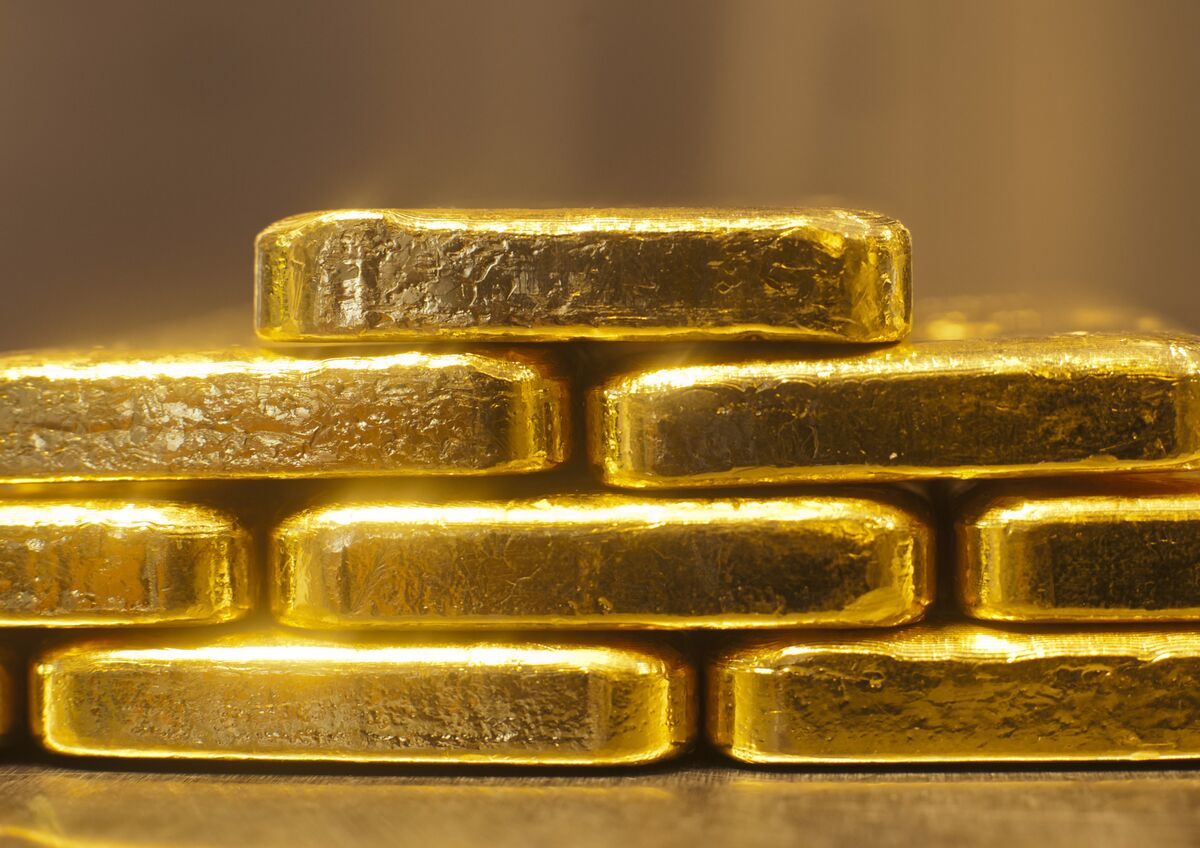
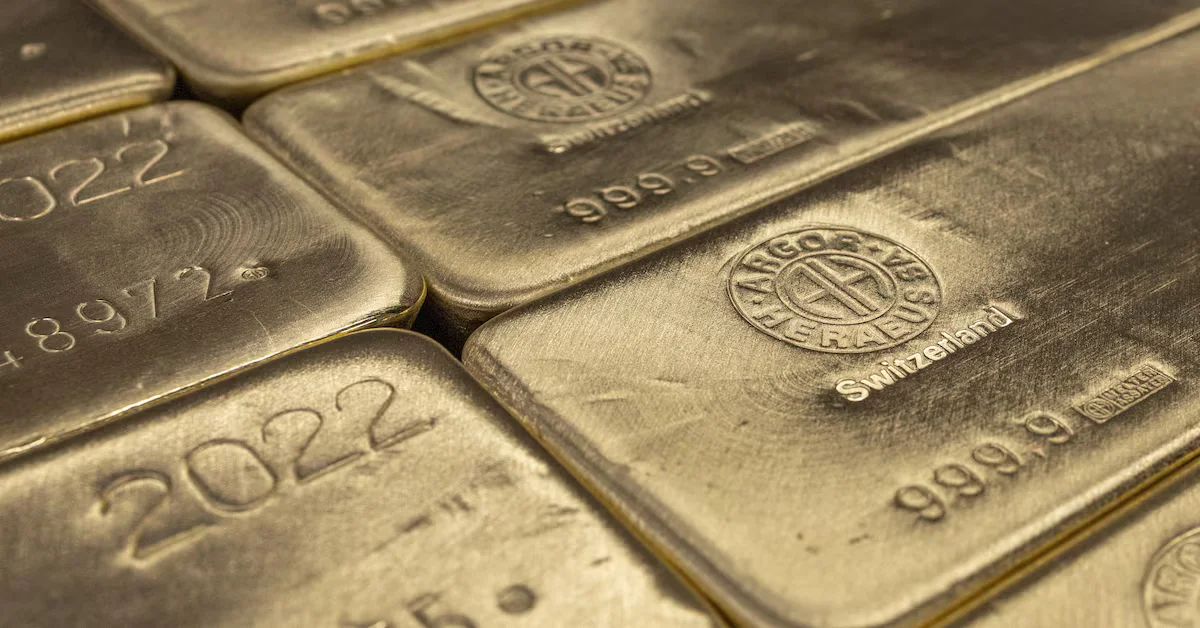
Gold has surged about 17% this year, climbing past $5,000 per ounce as political headlines—especially Donald Trump's threats against America's European allies—boost demand for the safe-haven metal.
Silver rebounded with a 10% increase to $78.03 per ounce after a sharp decline, driven by a technical change at the CME raising margin requirements, amid a year of significant gains for precious metals as safe havens and inflation hedges. Copper also recovered, reflecting strong demand for industrial metals.
Gold's dramatic 71% rise in 2025 is largely attributed to the introduction of gold ETFs and tokenized gold stablecoins, which have permanently increased gold prices. However, gold is not a reliable long-term hedge against inflation or a consistent outperformer compared to stocks, and its price can be highly volatile. Investment banks are expanding their gold trading and storage activities, indicating ongoing interest in the metal, but whether gold has peaked remains uncertain.
Gold has surged nearly 50% this year and could potentially reach $10,000 per ounce by 2028-2029 if current trends continue, driven by geopolitical tensions, inflation concerns, and shifts in monetary policy.
Veteran gold strategist George Milling-Stanley predicts that gold prices will continue to rise, potentially surpassing $3,900 an ounce, driven by ongoing geopolitical turbulence and macroeconomic uncertainty, making gold a valuable diversification and protection asset in investors' portfolios.
Gold prices increased by up to 0.8% as rising geopolitical and trade tensions, including drone strikes in Russia and US-China trade concerns, boosted demand for safe-haven assets. The metal remains a key hedge against inflation, with prices still up over 25% this year, amid upcoming US labor market data that could influence monetary policy.
A strategic Bitcoin reserve by the US could lead to global economic shifts, with nations and corporations potentially adopting Bitcoin reserves, impacting its price and use. This could drive corporate and individual adoption, positioning Bitcoin as a hedge against inflation and a medium for transactions. The move might also enable sanction evasion and influence corporate valuations, aligning with predictions of increased demand and price appreciation.
Teucrium Trading offers exchange-traded funds that hold futures positions in corn, wheat, soybeans, and sugar, providing a food-based inflation hedge. The low correlation between grains and stocks means that a blend ought to be less volatile than either asset alone. The Teucrium lineup includes the four single-grain funds, two ag-commodity blends, and a bitcoin futures fund. Recently germinated: two ETFs using artificial intelligence to time futures contracts in farm commodities and in metals.
Gold prices slipped on Thursday due to a stronger US dollar and yields, but are still on track for a weekly rise as weak US economic data raises concerns of a slowdown. Safe-haven bullion has risen about 2% so far this week, surpassing the key $2,000 level, as oil prices surged after the shock OPEC+ output cuts, while data showed a slower US services sector and fewer job openings. Gold is seen as an inflation hedge, while lower interest rates decrease the opportunity cost of holding zero-yield bullion. Traders are awaiting the US jobs report on Friday for cues.