Tag

Industry Standards

All articles tagged with #industry standards

technology1 year ago

"Meta Urges Industry Action to Label AI-Generated Content on Social Media"

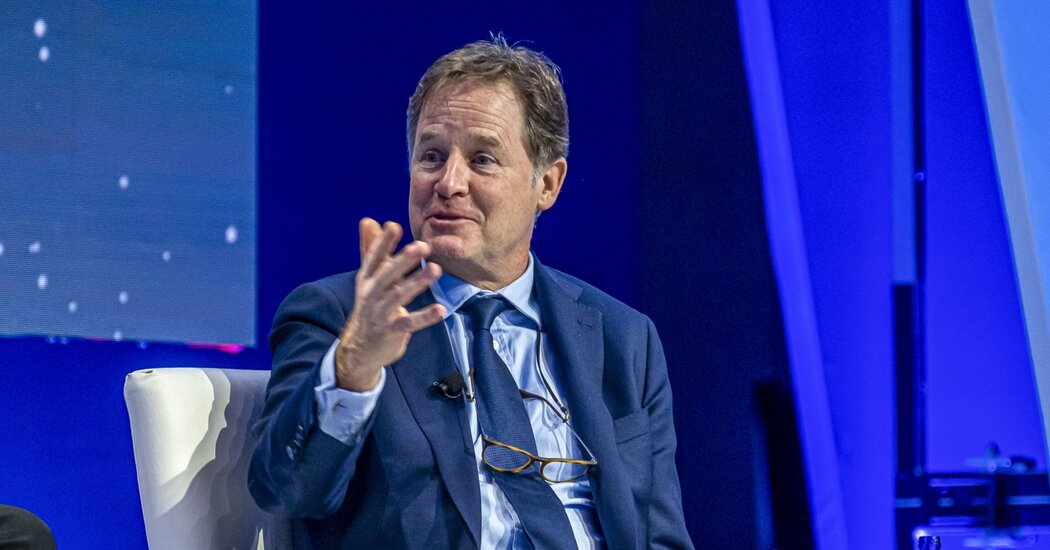
Meta is calling for industry-wide adoption of standardized labels to detect artificially generated photo, video, and audio content across social media platforms. Nick Clegg, president of global affairs at Meta, proposed promoting technological standards that would allow companies to recognize markers in A.I.-generated material and add labels to such content. The move aims to address the urgent task of detecting A.I.-created content and could help combat the spread of fake content, particularly as the U.S. enters a presidential election year.

technology1 year ago

US Government's New AI Regulations: Expert Warns of Misguided Approach

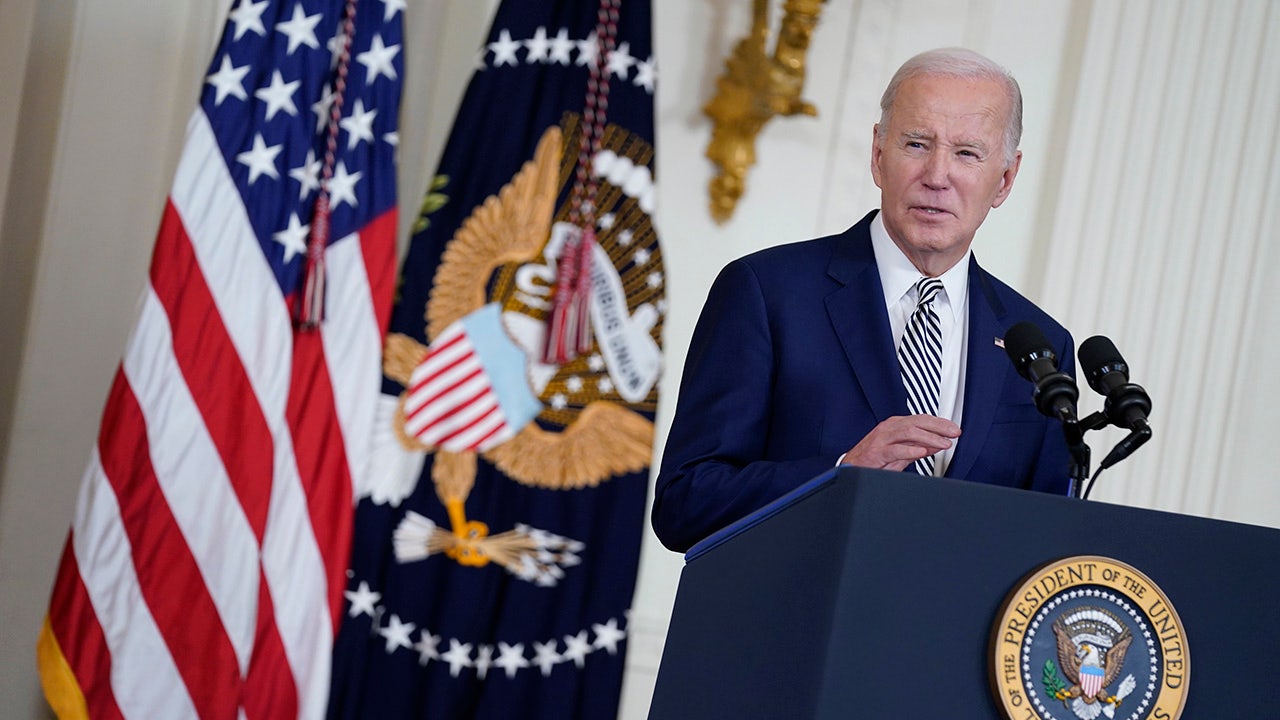
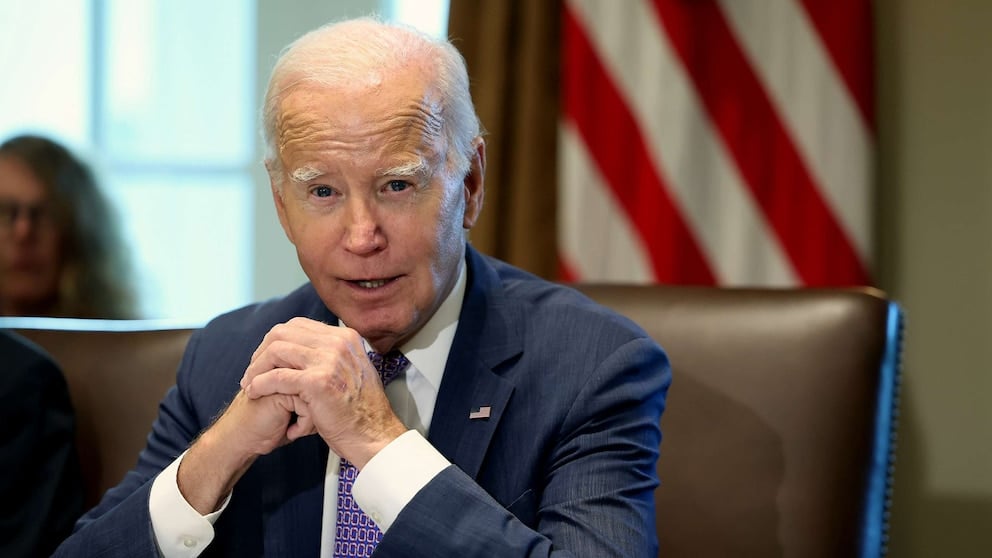
Experts warn that the Biden administration's new rules for regulating artificial intelligence, as outlined in the president's executive order, may be misguided and could lead to selective and inconsistent enforcement. While some believe it is important to establish standards for the industry, others express skepticism about government oversight and fear potential stifling regulations that could impact America's global edge in AI technology. The administration faces the challenge of balancing safety standards with innovation while creating reasonable regulations that protect consumers and support industry innovation.

technology2 years ago

Biden's AI Executive Order: New Rules, National Security Risks, and Military Considerations

President Joe Biden has issued an executive order aimed at regulating artificial intelligence (AI) to prevent its misuse for developing weapons or cyberattacks. The order requires AI companies to conduct safety tests and share the results with the government before releasing new products. It also introduces industry standards, such as watermarks to identify AI-enabled products, and guidelines for biotechnology firms using AI in creating or manipulating biological material. Government agencies will face strict oversight of their use of AI, and federal institutions will serve as examples for the private sector. However, critics argue that the order lacks enforcement mechanisms and may not receive a sufficient response.

technology2 years ago

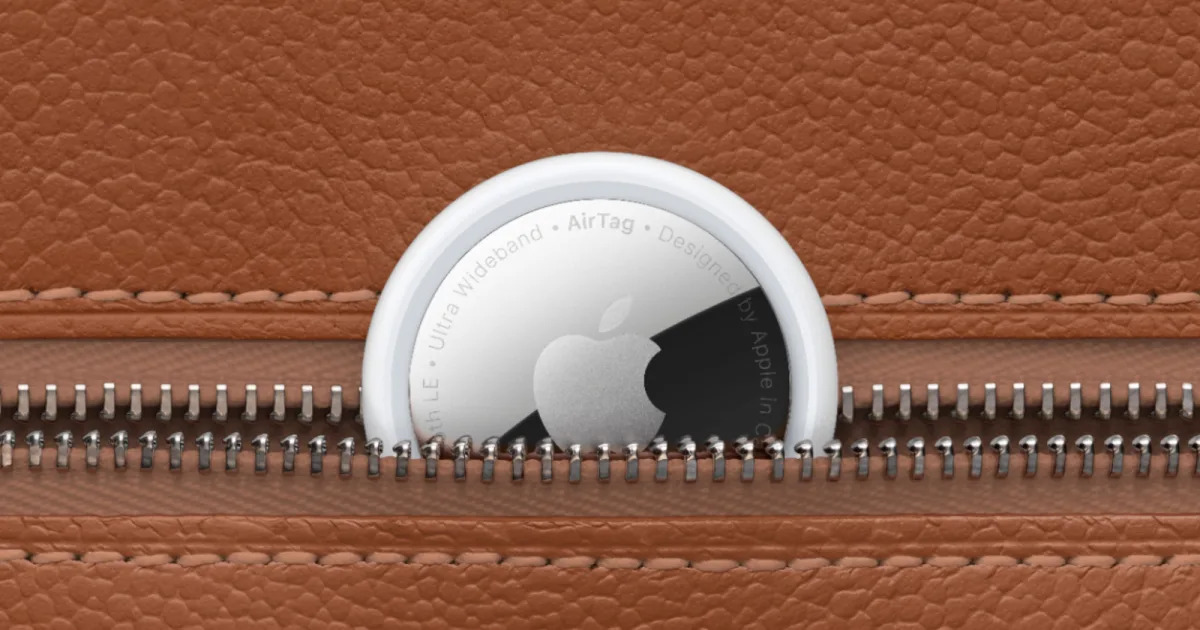
Apple and Google join forces to combat Bluetooth tracker stalking.

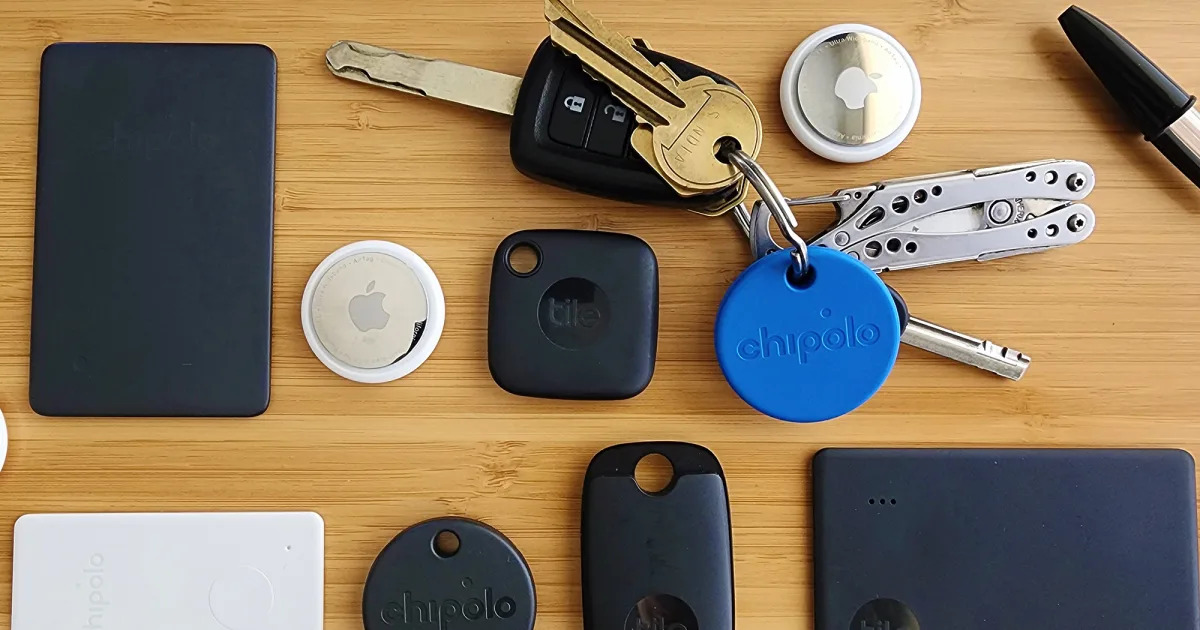
Apple and Google have partnered to create industry standards to combat unwanted tracking through Bluetooth location-tracking devices like AirTags and Tile. The draft specification has been submitted to the Internet Engineering Task Force and has received support from Samsung, Tile, Chipolo, Anker's Eufy brand, Pebblebee, and several safety and advocacy groups. The proposal aims to combat the misuse of Bluetooth location-tracking devices for unwanted tracking.

technology2 years ago

Apple and Google join forces to combat Bluetooth tracker misuse.

Apple and Google have proposed industry standards to combat the misuse of Bluetooth location-tracking devices for unwanted tracking. The draft specification includes best practices and instructions for Bluetooth tracker manufacturers on how to implement “unauthorized tracking detection and alerts” for iOS and Android. The proposal has received backing from Samsung, Tile, Chipolo, Anker's Eufy brand, and Pebblebee, as well as safety and advocacy groups. The companies plan to develop a production version of the specification by the end of the year, and future versions of iOS and Android will support the tech.

space2 years ago

Experts suggest ending "learning period" for commercial spaceflight safety regulations.

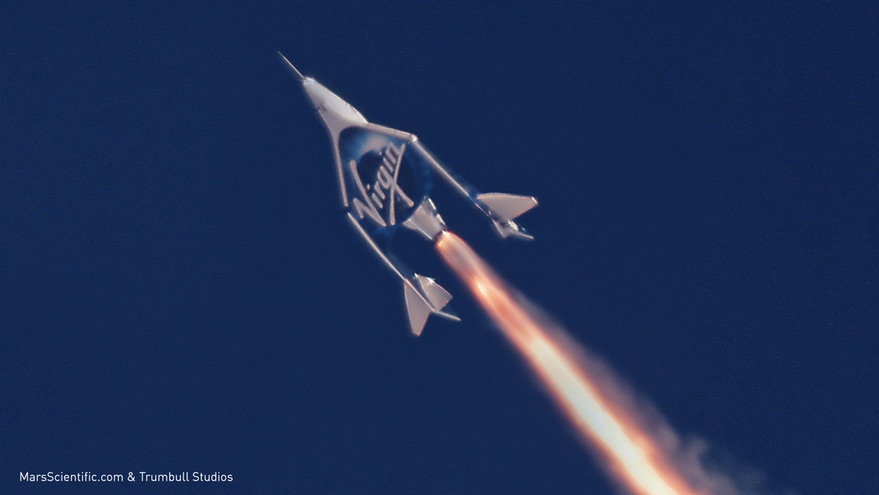
A new report by the RAND Corporation recommends that the "learning period" for the Federal Aviation Administration's (FAA) ability to regulate safety for people flying on commercial spacecraft be allowed to expire later this year. The report concluded that despite limited progress on establishing voluntary industry safety standards, the FAA and industry were now ready to start the process of developing formal safety standards for those participating in commercial spaceflight. The learning period was originally intended to expire in 2012 but was extended in subsequent legislation because of a lack of commercial human spaceflight activity that could serve as an experience base upon which to build regulations.