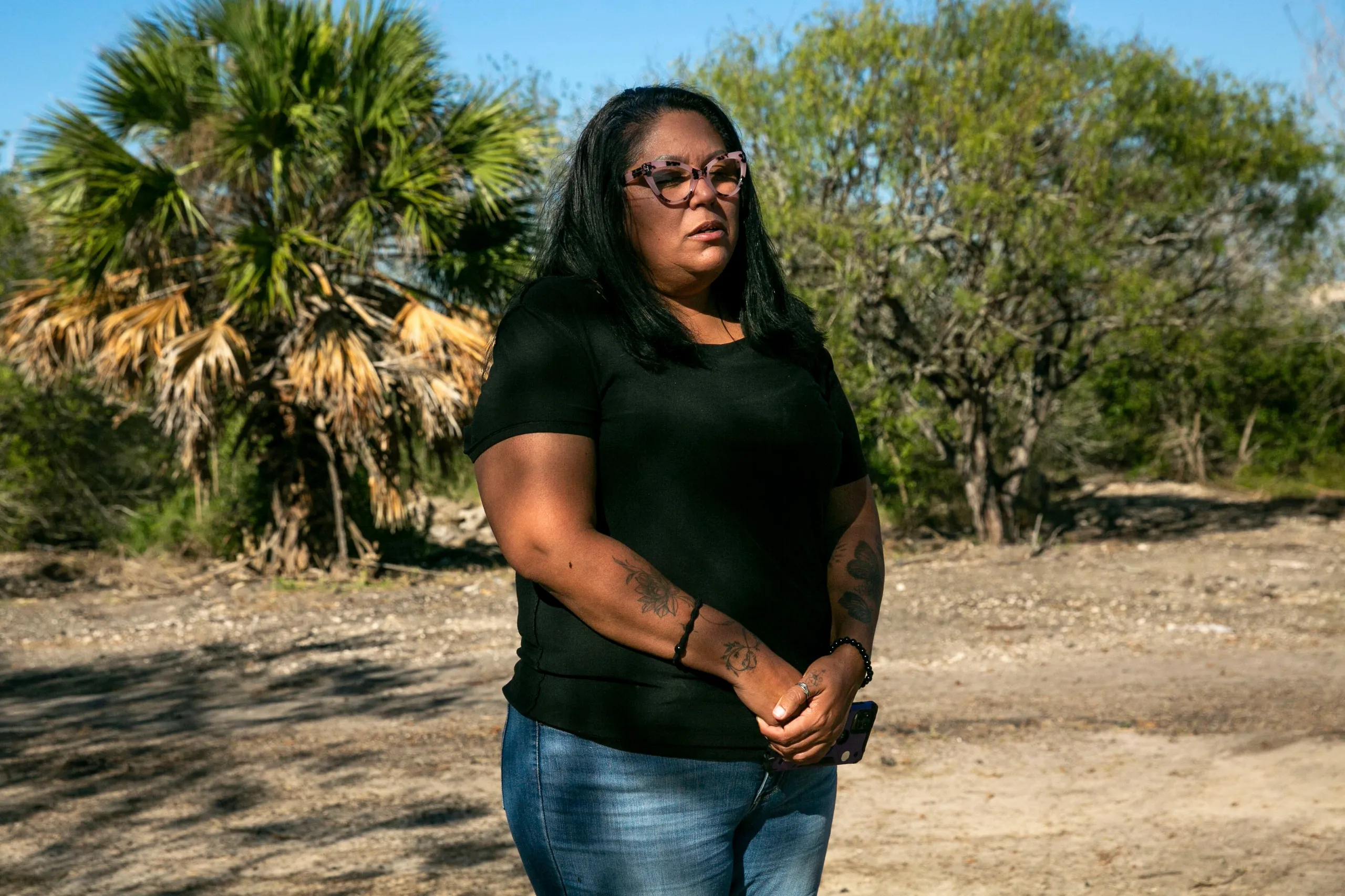
Indigenous groups in South Texas are fighting to preserve the rediscovered Donnel Point archaeological site, which holds cultural and historical significance, from industrial development, highlighting ongoing struggles to protect Native American heritage amid economic interests.
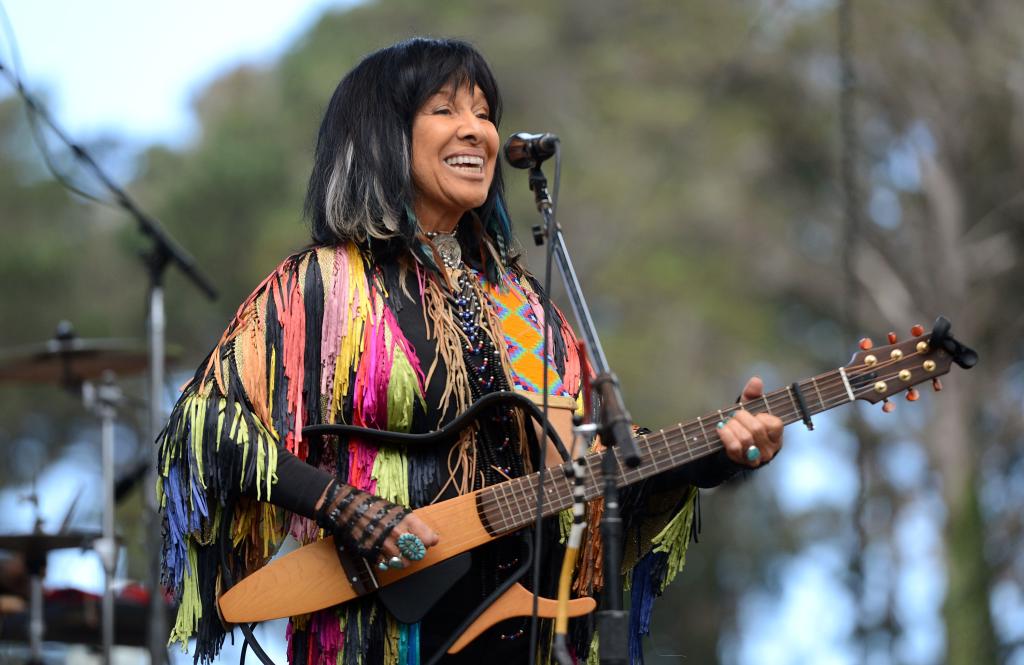
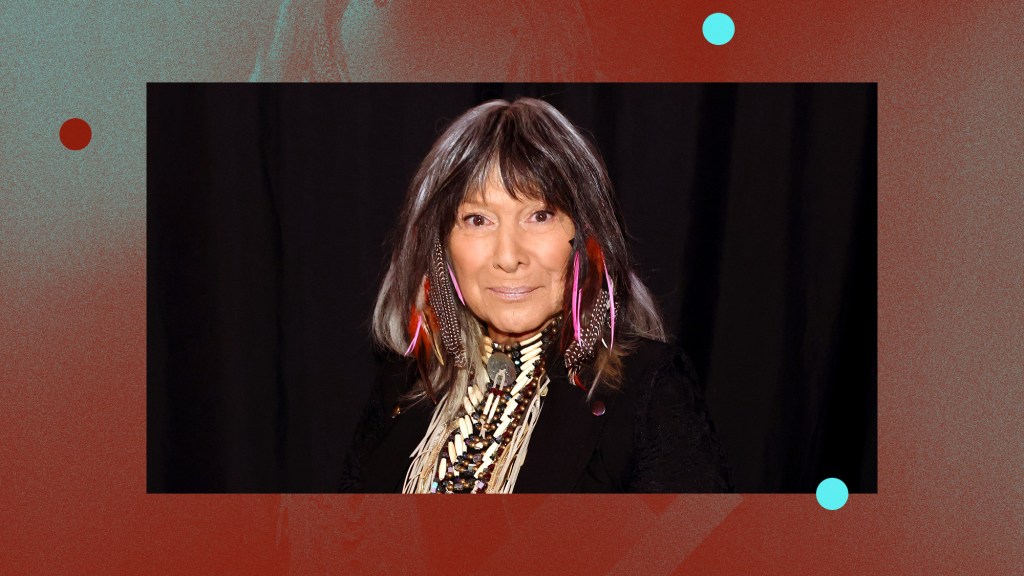
Buffy Sainte-Marie, the Oscar-winning singer-songwriter and social activist known for her advocacy for Indigenous peoples, is facing accusations of faking her Indigenous heritage. A recent investigation by the Canadian Broadcast Corporation claims that Sainte-Marie, who has long claimed to be a proud Cree woman, was actually born in the United States and not on a Piapot Cree reservation in Canada as she had previously stated. Family members have come forward to challenge her claims. Despite the controversy, Sainte-Marie has made significant contributions to Indigenous representation, including being the first Indigenous person to win an Oscar and appearing on a Canadian stamp.
Buffy Sainte-Marie, the first Indigenous Oscar winner, is facing allegations regarding her Native heritage ahead of the airing of a CBC documentary investigating her roots. The documentary, part of the Canadian broadcaster's long-running series, explores claims made by family members and an investigation into genealogical documentation, historical research, and personal accounts. Sainte-Marie, who was adopted into the Piapot Cree family, has preemptively defended her truth, stating that she may not know where she was born, but she knows who she is. This comes amid a broader discussion on the authentication of Native identity and the exploitation of Native culture.
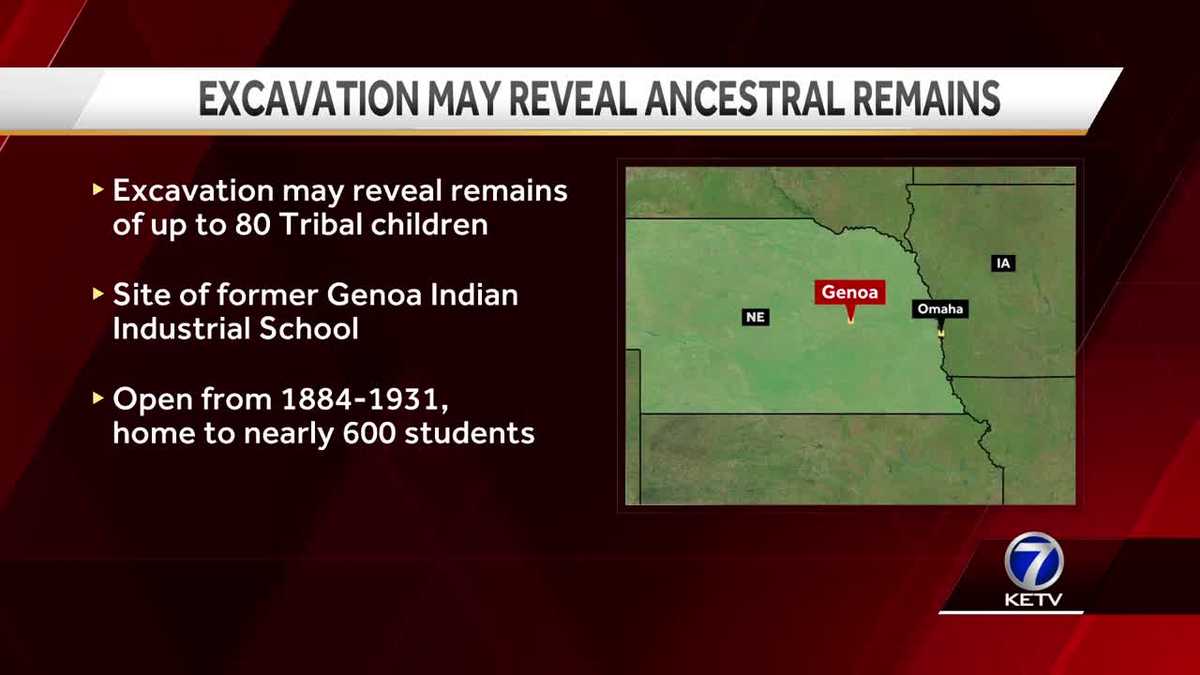
Archaeologists in Nebraska are excavating a former Native American boarding school in search of the remains of up to 80 children who died at the school and were buried on the grounds. The Genoa Indian Industrial School was part of a national system of boarding schools that aimed to assimilate Indigenous people into white culture. The school operated from 1884 to 1931 and housed nearly 600 students from over 40 tribes. The search for the cemetery has been ongoing for decades, and recent ground-penetrating radar and canine searches have indicated a possible burial site. If human remains are found, the State Archeology Office will work with the Nebraska Commission on Indian Affairs to determine the next steps, which could include creating a memorial or returning the bodies to tribes.