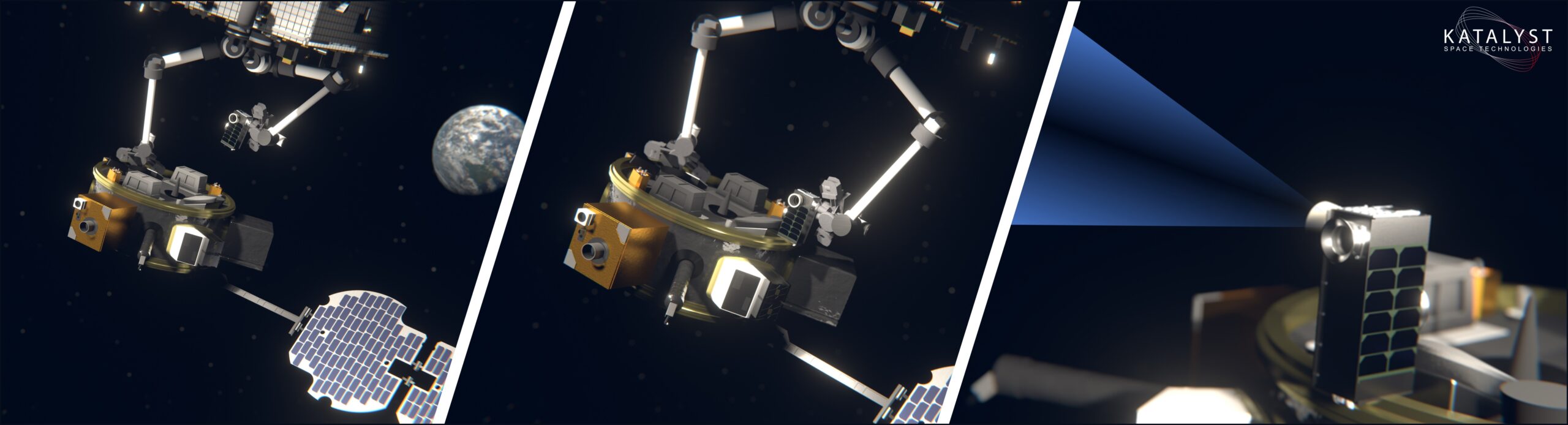
In 2025, a robot satellite in geostationary orbit will attempt to affix a new imaging sensor payload on a military satellite using a robot arm developed by DARPA and the Naval Research Laboratory. The mission, overseen by the Defense Innovation Unit, aims to upgrade the satellite's hardware, a major technological challenge. The Mission Robotics Vehicle (MRV) being built by Northrop Grumman's subsidiary SpaceLogistics will perform the mission, which is part of the effort to match commercial technologies with military needs for in-orbit services.
Sony reported a 29% drop in operating profit in the fiscal second quarter due to weakness in its imaging sensor business, as well as declines in profit at its financial services and entertainment, technology and services businesses. The company attributed the drop to a 28% decline in profit in its chip division. Despite the decrease in profit, Sony increased its sales forecast for the full year, benefiting from positive foreign exchange rates.
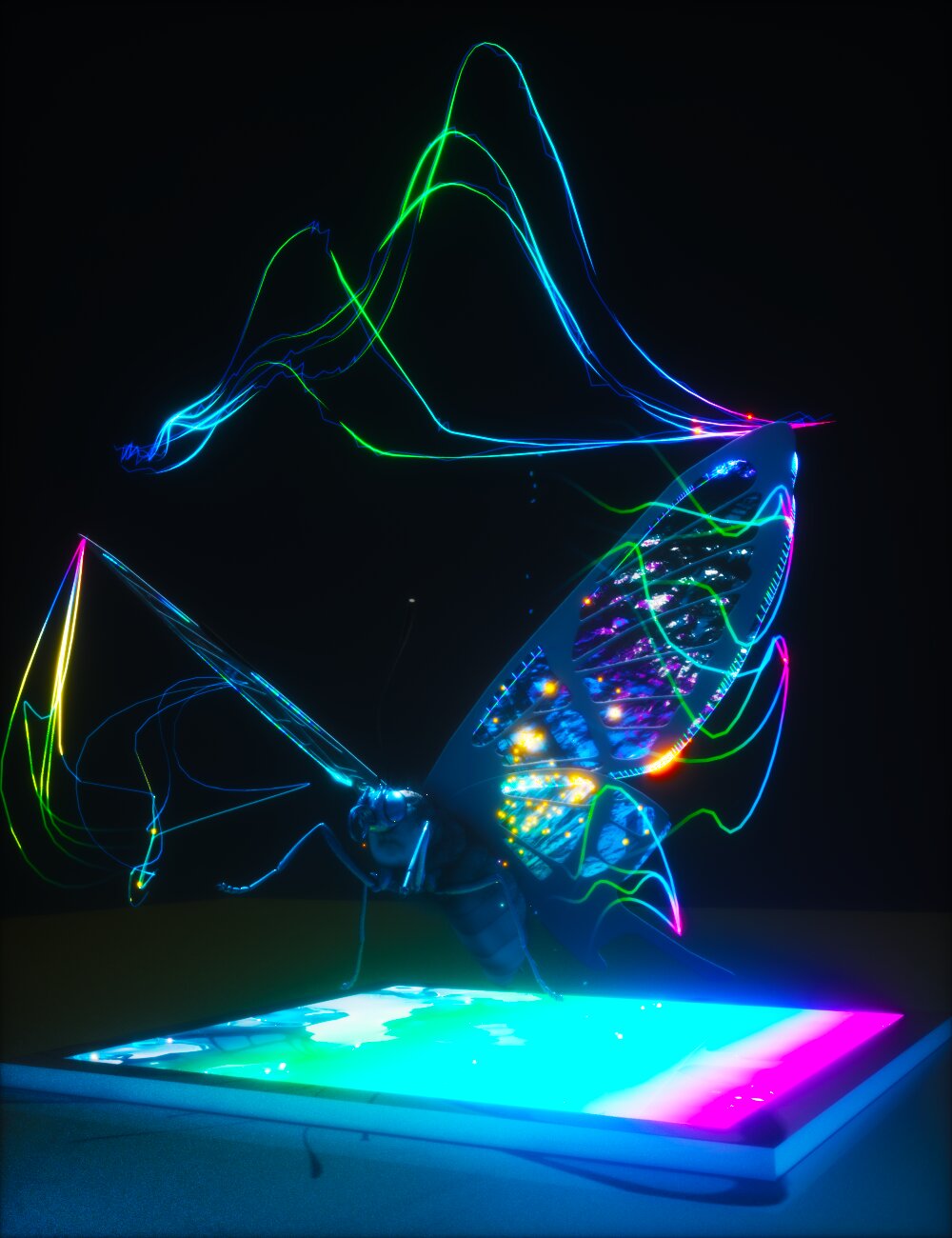
Researchers have developed an imaging sensor inspired by the visual system of butterflies, allowing it to "see" into the ultraviolet (UV) range. The sensor uses stacked photodiodes and perovskite nanocrystals to image different wavelengths in the UV spectrum. By leveraging the spectral signatures of biomedical markers, such as amino acids, the sensor can differentiate between cancer cells and normal cells with 99% confidence. This technology has potential applications in surgery to help surgeons determine clear margins when removing tumors and can also provide insights into the behavior of species that can see in the UV range.