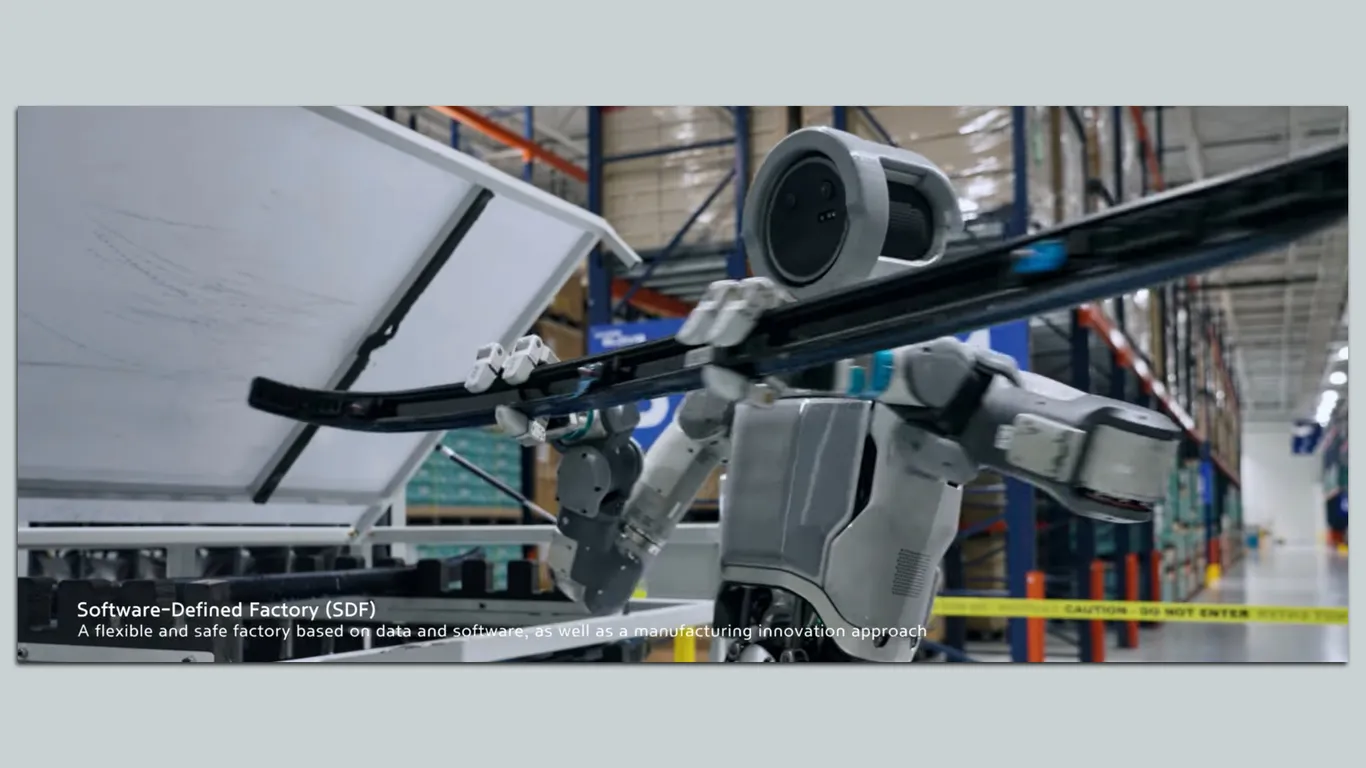
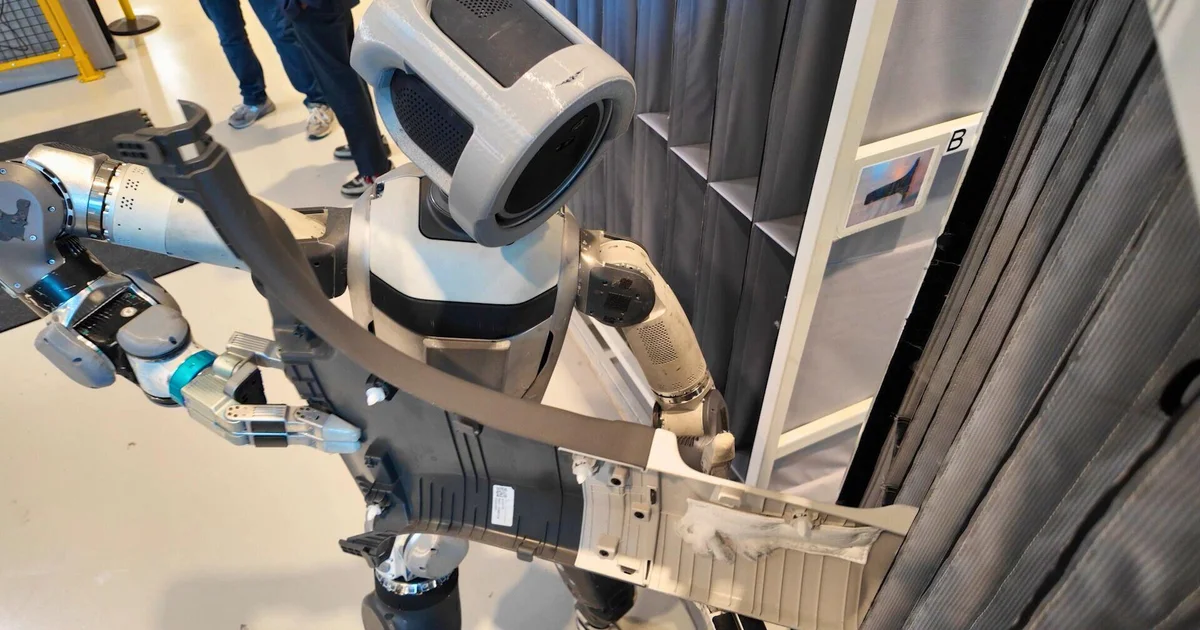
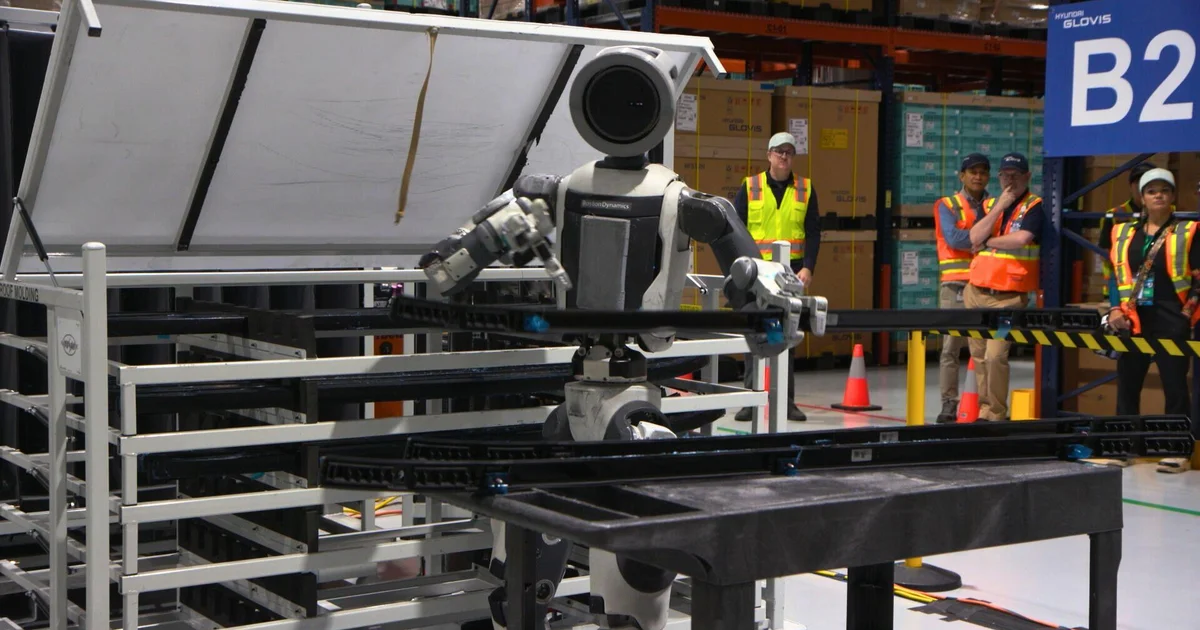
Hyundai plans to mass-produce 30,000 Atlas humanoid robots annually by 2028 through its Boston Dynamics subsidiary, aiming to deploy them in factories to assist with tasks like assembly and heavy lifting, marking a significant step in AI-driven industrial automation.
Boston Dynamics is developing AI-powered humanoid robots, like Atlas, that learn tasks through machine learning and demonstrations, with potential applications in factory work and beyond, raising both technological and economic implications.
Boston Dynamics has developed Atlas, an AI-powered humanoid robot that is now capable of working autonomously in factory settings, learning tasks through machine learning and simulations, and potentially transforming industrial labor with superhuman capabilities, while industry rivals and geopolitical factors influence the race for robotic dominance.
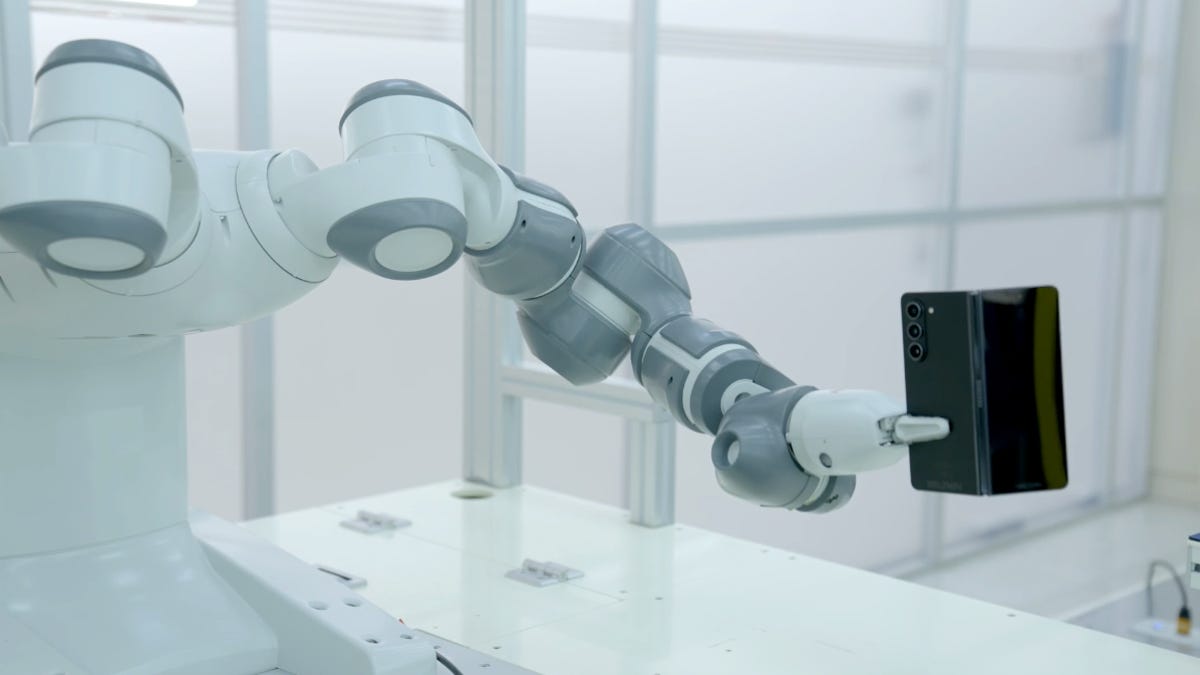
Samsung's mobile-device factory in Gumi, South Korea, is highly automated, with robots and automated guided vehicles (AGVs) handling various tasks in the production process. The factory produces over a million flagship phones per month and has dedicated quality checks for components like fingerprint sensors and cameras. The facility also includes an automation lab where devices are tested under normal use conditions. Samsung's extensive testing processes help ensure product reliability, but the company has faced controversies in the past, such as the Galaxy Note 7 recall and delayed launch of the Galaxy Fold. Samsung continues to explore new concepts, including slidable displays and a potential health-tracking smart ring.