Hyundai and Kia will offer free repairs to millions of vehicles, including installing engine immobilizers, following a settlement with multiple states over inadequate anti-theft technology that led to a surge in thefts, with repairs expected from 2026 to 2027 and costs potentially exceeding $500 million.
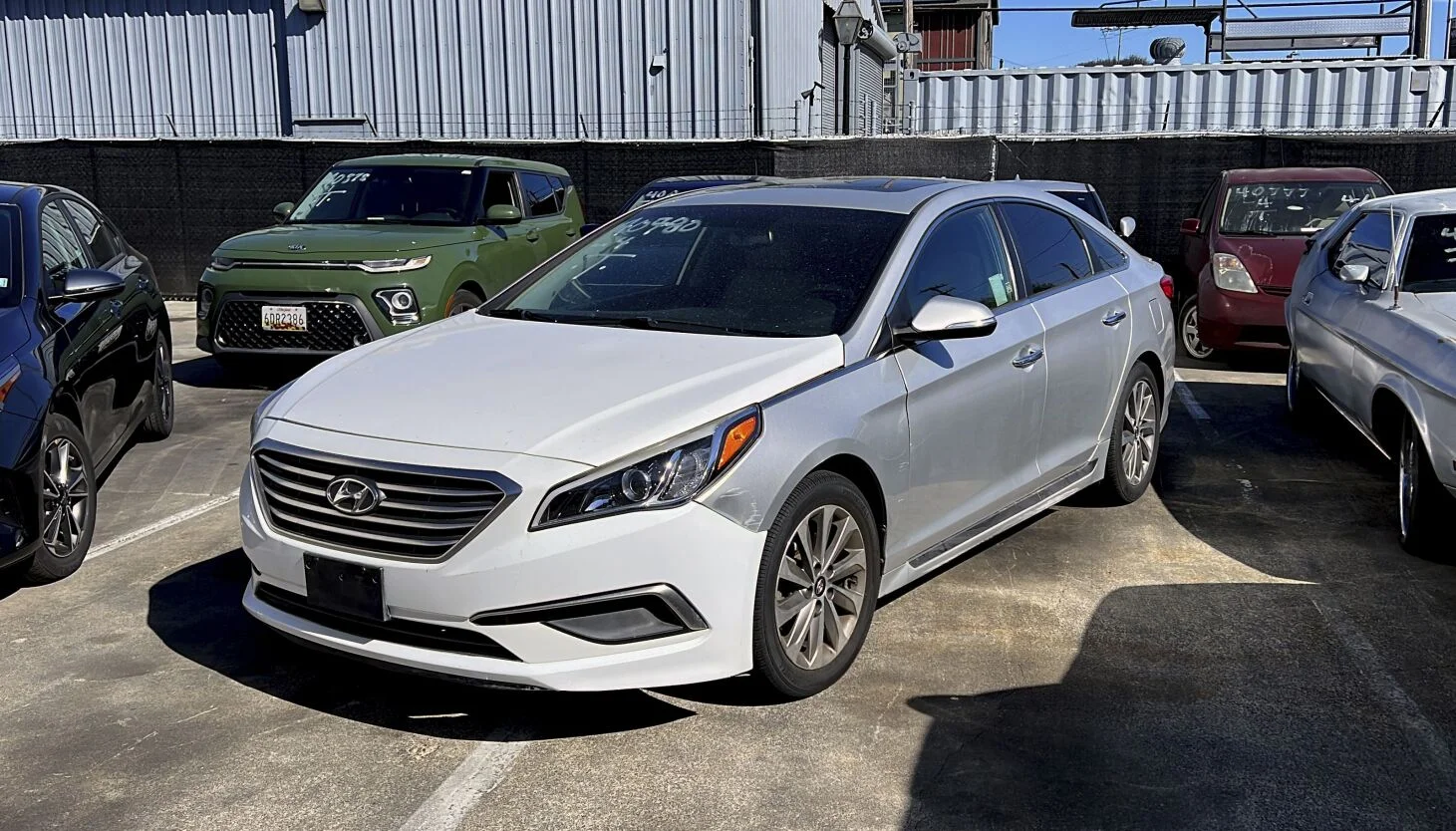
Hyundai and Kia have agreed to a settlement requiring them to offer free repairs and install anti-theft technology, including engine immobilizers, on millions of vehicles sold in the U.S. since 2011, in response to increased thefts linked to social media videos demonstrating how to steal their cars, with repairs expected to be available from early 2026 to early 2027.
Millions of Hyundai and Kia owners in the U.S. are eligible for free repairs and upgrades, including engine immobilizers, following a settlement over inadequate anti-theft technology that led to a surge in vehicle thefts, partly fueled by social media videos demonstrating how to steal these cars. The settlement, involving 35 states, aims to address theft issues dating back to 2011 and includes future vehicle security enhancements and restitution payments.
During protests in Los Angeles, looters stole iPhones from Apple stores, but Apple's anti-theft technology disabled the devices remotely, displaying tracking messages and sounding alarms, rendering them useless and aiding law enforcement in arrests. This security measure, part of a broader crackdown on retail theft, aims to deter opportunistic criminals by making stolen devices worthless and increasing penalties for looting.
The Seattle City Council is set to vote on a resolution proposed by councilmember Lisa Herbold, calling for the recall of certain Kia and Hyundai vehicle models due to a lack of anti-theft technology. The resolution aims to force manufacturers to install "industry standard" immobilizer technology in the vehicles. The proposal comes in response to a significant increase in thefts of Kias and Hyundais in Seattle, with reports showing a 363% increase in stolen Kias and a 503% increase in stolen Hyundais from 2021 to 2022. If passed, Seattle will join other cities in urging a recall of these vehicles.
Walmart's implementation of anti-theft technology at self-checkout counters has led to customers becoming hostile and aggressive towards untrained employees. The system, known as Missed Scan Detection, alerts staff when an unscanned item is detected, prompting customers to seek assistance. However, some customers have reacted with confusion, defensiveness, and even violence towards employees. Walmart has instructed its employees to "play dumb" and avoid directly accusing anyone of theft. Incidents of customer aggression have been reported, including one where a woman on a motorized scooter attacked a police officer after being accused of stealing. Walmart is continuously looking for ways to tackle theft, but the implementation of anti-theft technology has created safety concerns for its employees.
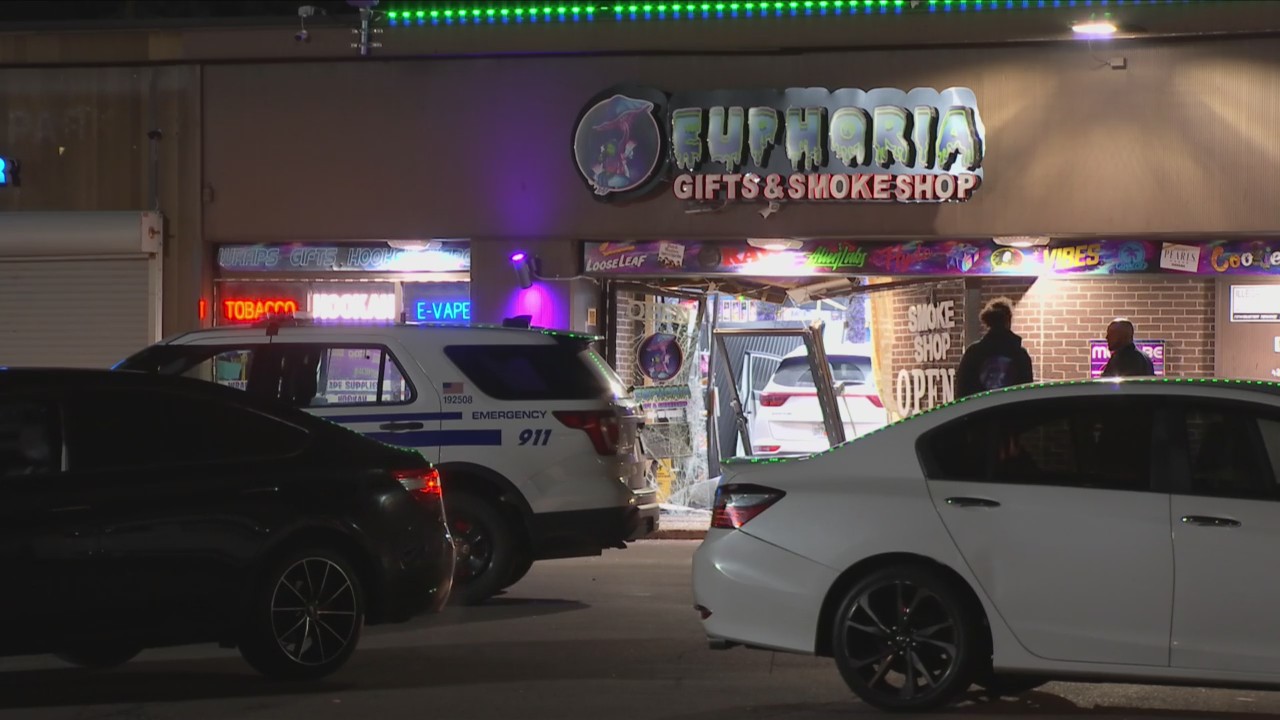
A stolen Kia intentionally crashed into a smoke shop on Norton Street in Rochester, New York. The car was abandoned inside the shop, and the business's door was shattered. Rochester Police are investigating the incident and following up on leads. Local leaders have expressed concerns about an increase in thefts of Kia and Hyundai models due to how-to videos on social media and the lack of proper anti-theft technology in these vehicles.
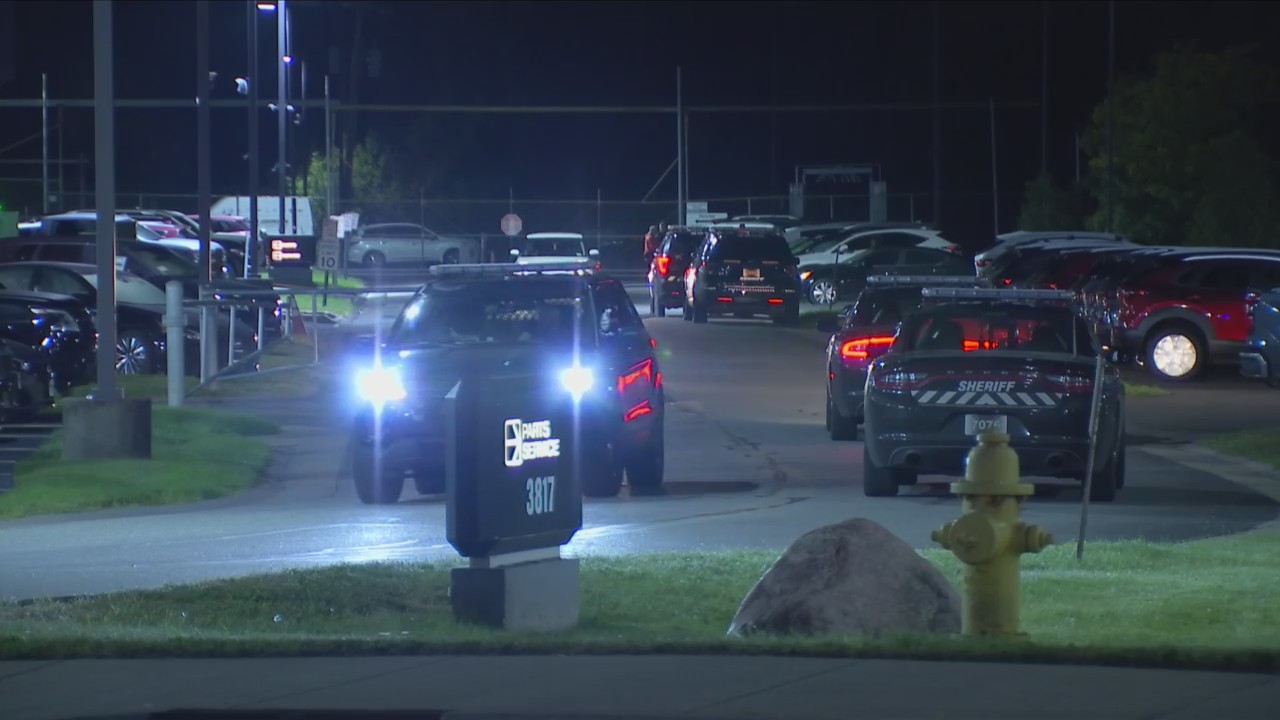
Three cars, including a Kia, were stolen from the Bob Johnson dealership in Rochester, New York. The stolen Kia was later recovered nearby with damage, while the other two cars remain missing. Local leaders have expressed concerns about an increase in thefts of Kia and Hyundai models, attributing it to how-to videos on social media and the lack of proper anti-theft technology in these vehicles.
The city of Chicago has filed a lawsuit against Kia and Hyundai, accusing the automakers of fueling a "car theft crisis" by failing to install standard anti-theft technology in their vehicles sold in the U.S. The lawsuit claims that the companies knew about the effectiveness of the technology but chose not to use it, leading to a spike in thefts. Videos on social media showed thieves using USB plugs to start ignitions, and stolen Kias and Hyundais accounted for a significant portion of vehicle thefts in Chicago. The city is seeking orders to address the problem, restitution for affected consumers, fines, and other relief. Kia and Hyundai have responded, stating that the lawsuits are without merit and highlighting their efforts to update anti-theft software.
Chicago has filed a lawsuit against Hyundai and Kia, accusing the automakers of failing to install anti-theft technology in their vehicles, leading to a surge in car thefts and related crimes in the city. The lawsuit claims that the absence of engine immobilizers in many Kia and Hyundai cars sold in the U.S. has caused a car theft crisis, with over 8,800 vehicles stolen in Chicago alone in 2022. The city is seeking fines, damages, and an injunction on the companies, and is demanding a jury trial. Similar lawsuits have been filed by other cities, including Milwaukee and New York City.
New York City has filed a lawsuit against Kia and Hyundai, alleging that the automakers' vehicles are too easy to steal due to the lack of anti-theft immobilizer technology. The lawsuit claims that the car thefts impede public safety, strain police department resources, and negatively impact other emergency responses. Videos circulating on TikTok and other sites explain how to start the cars using a screwdriver and a USB charging cord. The suit seeks a jury trial, compensation for economic losses, and injunctive relief.
Kia and Hyundai have agreed to pay $200 million to settle a class-action lawsuit with owners of certain models between 2011 and 2022 without push-button ignitions and immobilizers. The cars have been stolen at higher rates due to the lack of anti-theft technology. The settlement will provide compensation to customers who had their cars stolen or damaged, including reimbursement for insurance deductibles, rental car expenses, and up to $300 for anti-theft devices. The website will soon go live with more information on how to get compensated, and the automaker says they will send a notification in the mail to owners.
Several cities, including Cleveland, Seattle, and St. Louis, have sued Hyundai and Kia for not installing anti-theft technology in their vehicles, making them easier to steal and causing property damage and police resource drain. The thefts have focused on cars with steel keys and turn-to-start ignition systems. The lawsuits don't specify the amount of damages sought. Both companies have sent steering wheel locks to police departments and started rolling out a software fix, but some models aren't eligible for the update, and certain models can't have the software installed at all.
Several cities, including Cleveland, Seattle, and St. Louis, have filed lawsuits against Hyundai and Kia, alleging that the automakers did not install anti-theft technology in their cars to cut costs, making them easier to steal and causing property damage and police resource drain. The lawsuits do not specify the amount of damages being sought.
St. Louis is suing Hyundai and Kia for failing to install anti-theft technology in their vehicles, joining several other US cities. Many Hyundai and Kia vehicles have no electronic immobilizers, which prevent break-ins and bypassing the ignition. The Korean automakers have said they will offer software upgrades to 8.3 million US vehicles to help curb thefts. TikTok videos that show how to steal Kia and Hyundai cars without push-button ignitions and immobilizing anti-theft devices have spread nationwide, leading to car thefts resulting in at least 14 reported crashes and eight fatalities in the Korean automakers' vehicles.