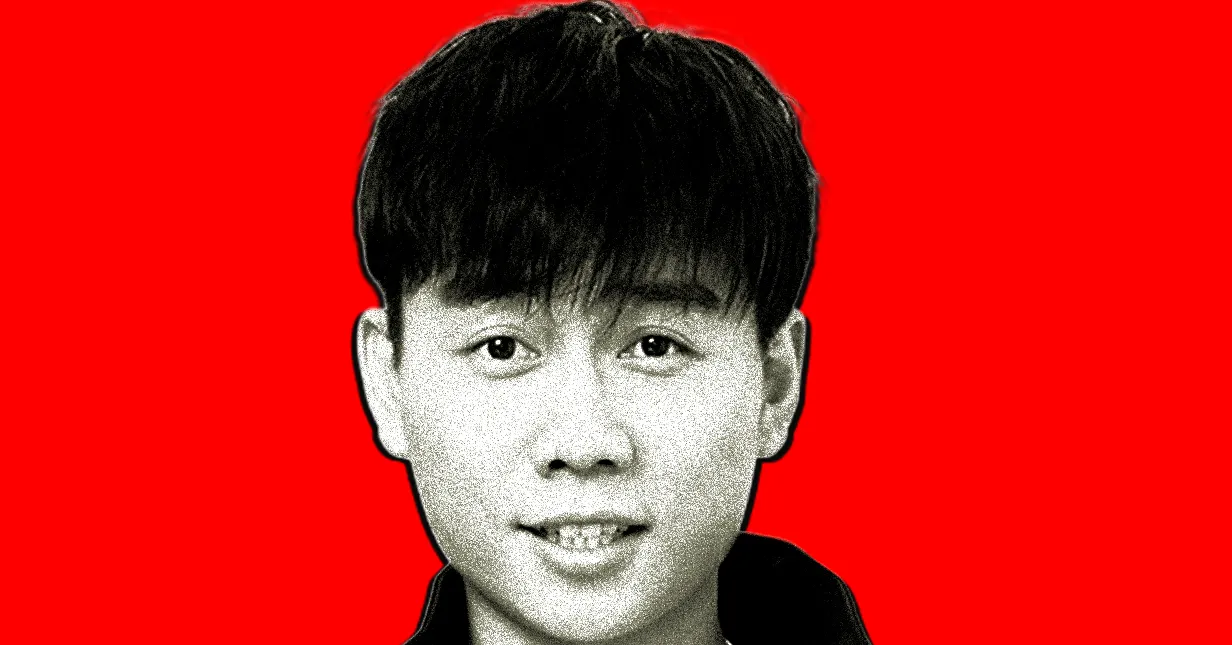
Chinese creator Tianran Mu gained fame for producing videos that mimic AI-generated content through entirely human effort, showcasing uncanny, robotic-like aesthetics and surreal scenes that appear AI-generated but are handcrafted.
A Forrester survey reveals that nine out of ten marketers believe organizations must increase their use of AI to stay competitive, but only half feel they have adequately adopted it. One marketing team experimented with using AI to complement their creative marketers on various tasks, resulting in their most impactful campaign to date, highlighting the need for a combination of human ingenuity and machine speed in today's always-on environment.
The article explores the concept of the mind being larger than the universe by using the analogy of a car using more gas than a gas can can hold. It discusses how the mind's capability can exceed the size of the universe by measuring the information required to generate a specific section of text, using Claude Shannon’s entropy. The authors argue that the entropy requirements to generate a modest piece of text like the Gettysburg Address exceed the storage capacity of the entire history of the multiverse, with implications for AI's ability to match the human mind.
A US judge has ruled in favor of human creativity and denied copyright protection for artworks created solely by artificial intelligence (AI). The ruling emphasizes the importance of human authors under copyright law and highlights the significance of human creativity in intellectual property. The decision comes amid concerns about the potential takeover of creative industries by AI and ongoing legal discussions regarding AI firms using copyrighted content for training.
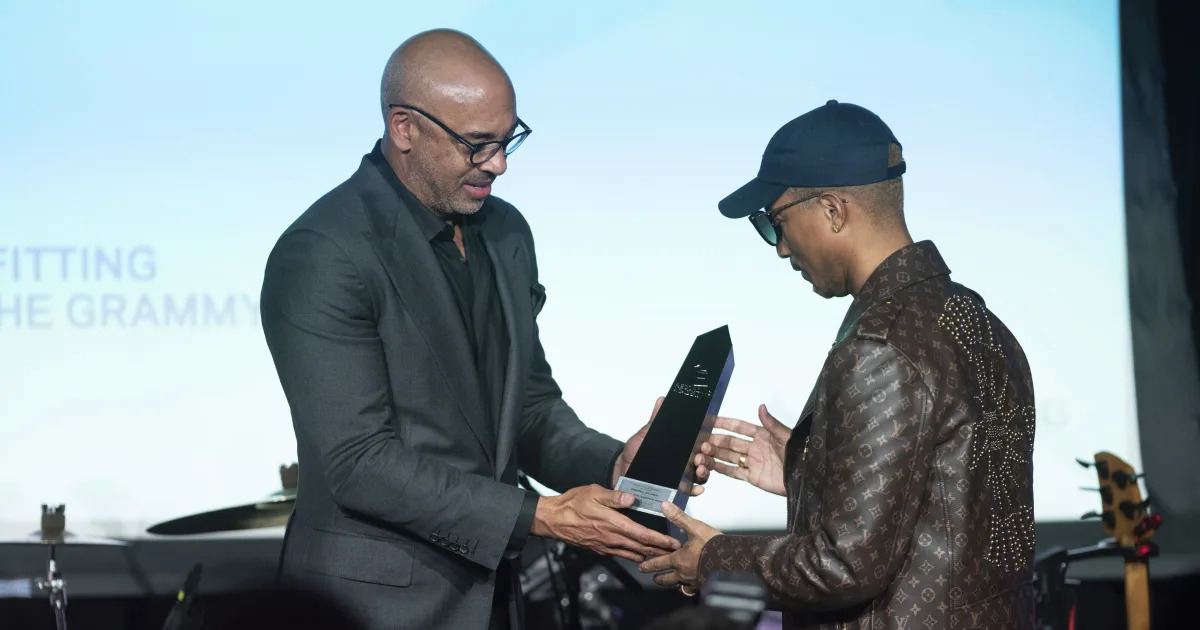
The Recording Academy will consider music with limited AI-generated voices or instrumentation for award recognition, but only honor songs written and performed "mostly by a human." The CEO acknowledged that AI would upend the music industry and discussed how the Recording Academy can play a role in the future of AI in music. The decision means that AI-generated songs like the fake Drake/The Weeknd song "Heart on My Sleeve" or fake Frank Ocean tracks wouldn't be eligible for a Grammy.
The Recording Academy has updated its rules for the 66th annual Grammy Awards, stating that purely algorithmically generated music cannot win a Grammy. Works that incorporate elements of "AI-generated material" are eligible if they meet two key criteria: the human-authored components of the work must be meaningful and relevant to the category in which the work is entered. The individuals or teams who programmed or operated the AI to generate that material cannot be considered for a Grammy award based on that contribution. The new rules serve as a notable statement about the importance of human creativity in the music industry.
The US Copyright Office has stated that most works generated by artificial intelligence (AI) are not copyrightable, but AI-assisted material can qualify for protection if a human "selected or arranged" it in a "sufficiently creative way that the resulting work constitutes an original work of authorship." The determining factor is the extent to which a human had "creative control over the work's expression and actually formed the traditional elements of authorship." The office plans to host public listening sessions and solicit public comments on issues arising from the use of AI.