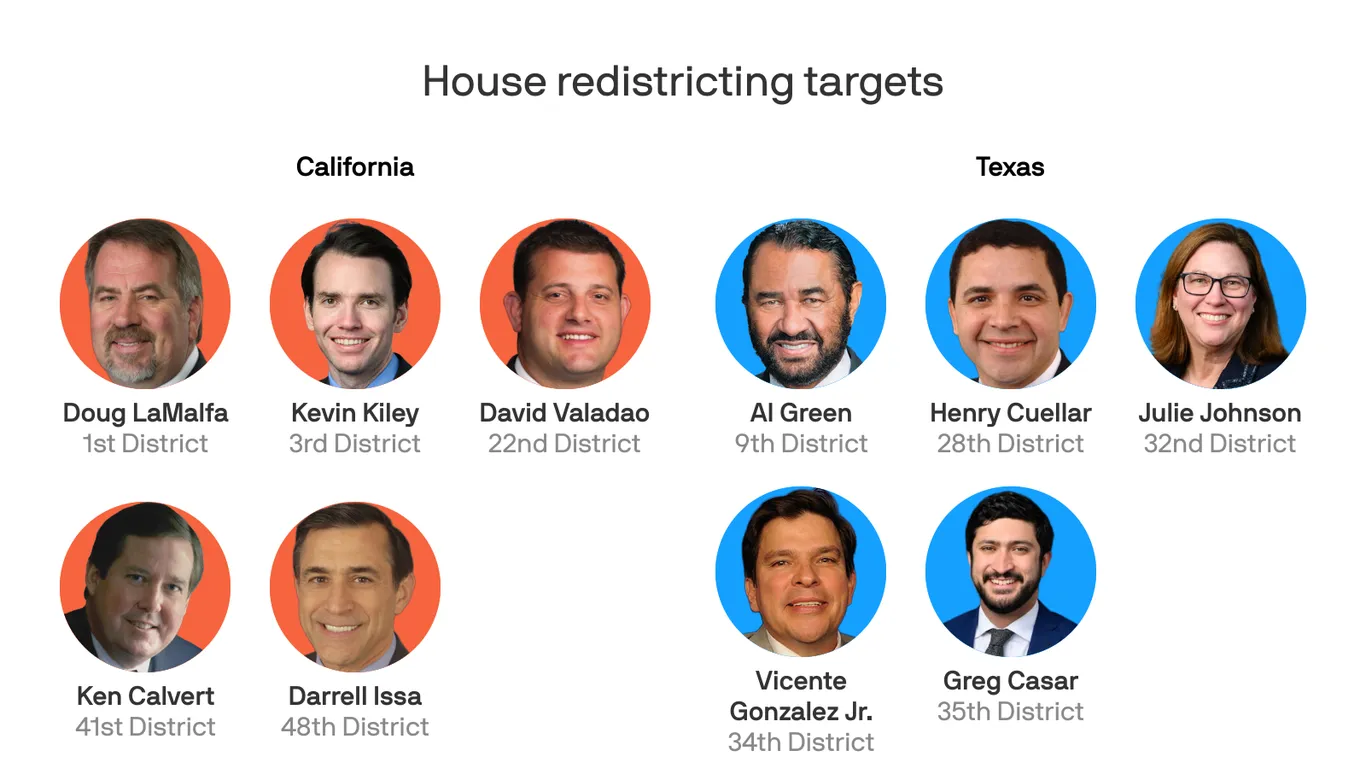
More than a dozen House members from both parties are at risk due to ongoing mid-decade redistricting efforts in several states, which could significantly impact control of the House in the upcoming elections, with states like Texas, California, Missouri, Ohio, and others actively considering or implementing district redraws amidst political tensions and legislative battles.
The House Ethics Committee is establishing a bipartisan subpanel led by Reps. Moran and Garcia to review and update guidance on campaign activities for House members, aiming to clarify ambiguous rules and address recent allegations of violations.
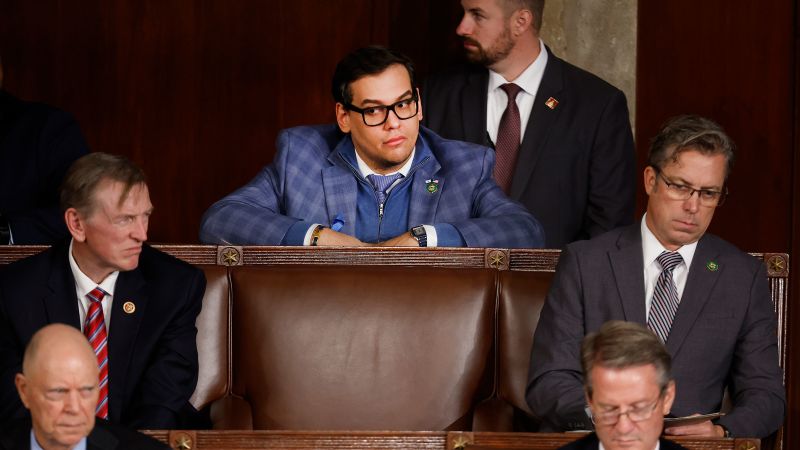
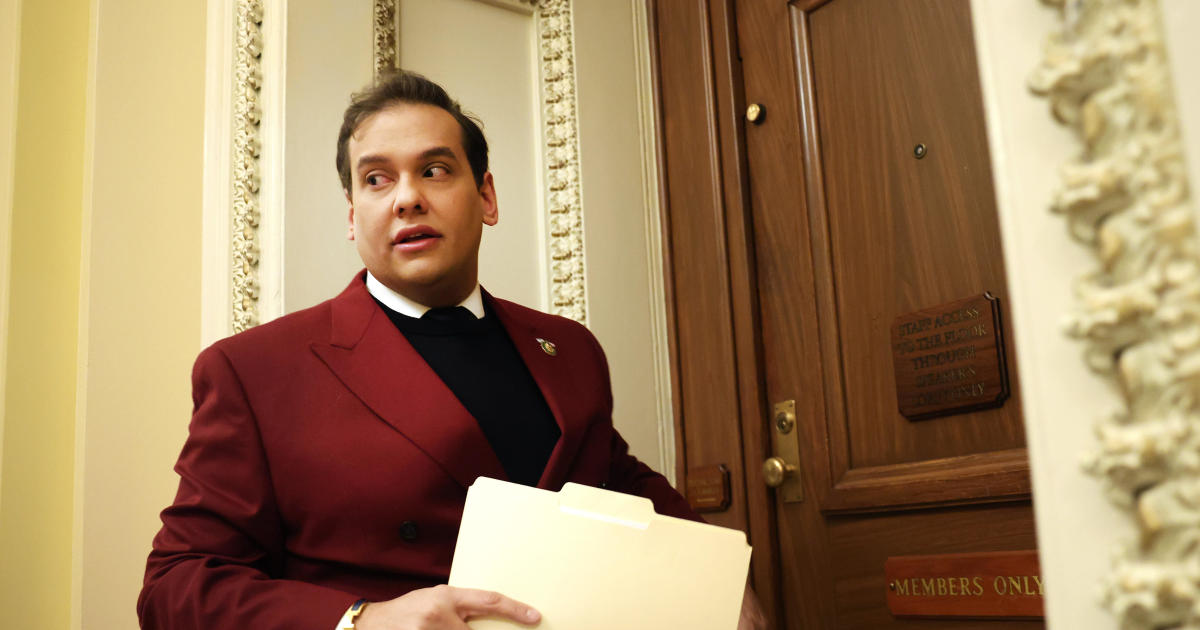
The House is set to vote on a resolution to expel Republican Rep. George Santos of New York, who is facing federal charges for alleged theft, campaign finance violations, and fraud. If two-thirds of lawmakers agree to expel him, Santos would become the sixth member in U.S. history to be ousted from Congress. The previous five members were expelled for disloyalty to the Union during the Civil War or for criminal convictions. Santos has survived two previous expulsion attempts but expects to be removed this time. Expulsion would result in immediate removal from the House, but Santos would not be barred from running for Congress again.
Five vulnerable New York Republican House members are urging their colleagues to vote to expel GOP Rep. George Santos, who is facing 23 charges including wire fraud and identity theft. The lawmakers argue that expelling Santos prior to a criminal conviction would set a positive precedent and emphasize that this is a moral issue. They also address concerns about risking their slim majority and highlight the importance of giving voters proper representation. The House Ethics Committee is expected to provide an update on their investigation by November 17th.
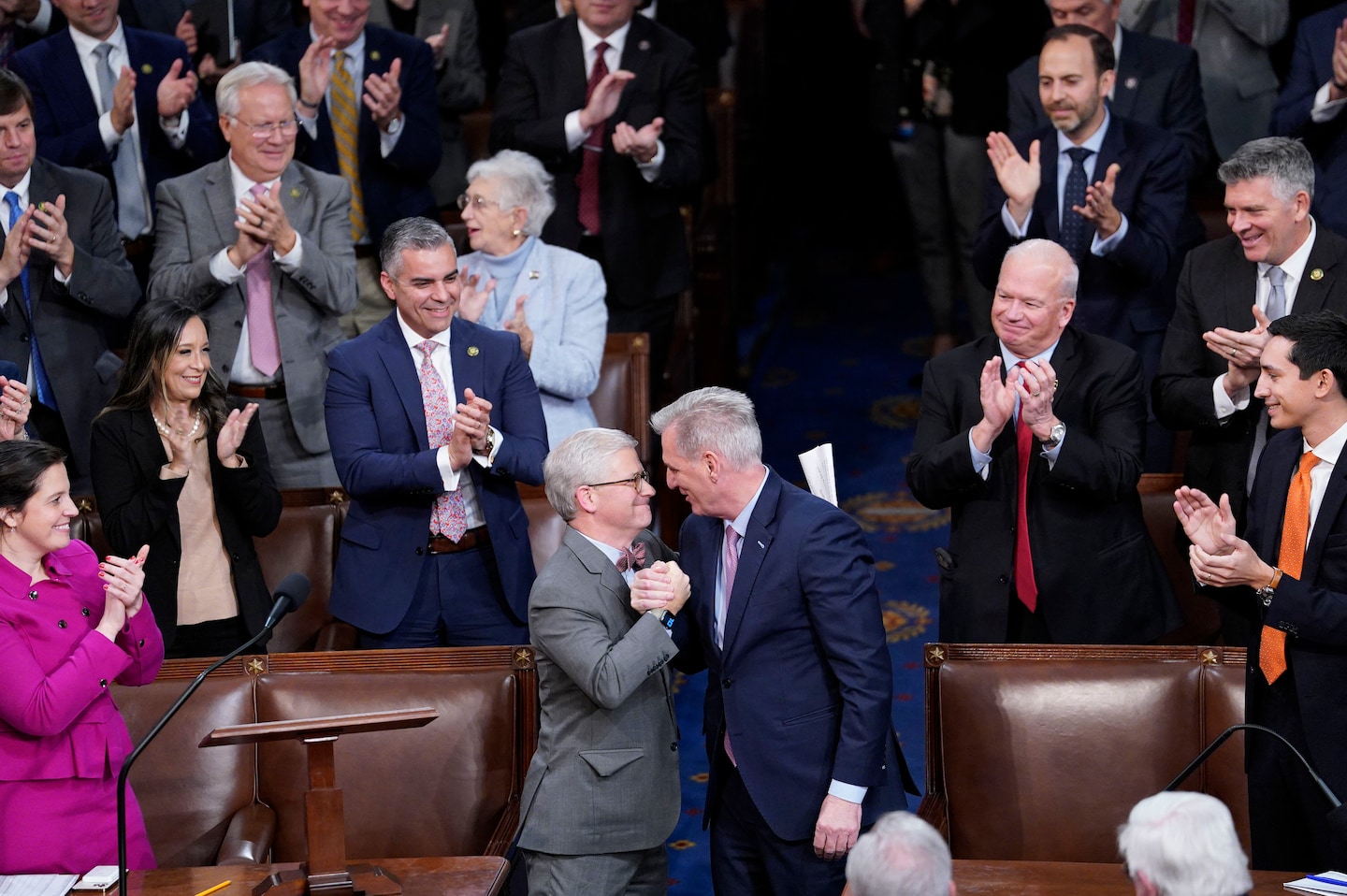
House members are discussing the possibility of granting additional powers to Speaker Pro Tempore Patrick T. McHenry, who is currently serving as a placeholder following the removal of former speaker Kevin McCarthy. The debate centers around whether McHenry should have the authority to oversee the process of finding a new speaker or if he should be granted more substantial powers for a limited period of time. Some Republicans argue that McHenry should be able to run important legislation through, while Democrats view him as a figurehead. The precise powers of a pro tem speaker would be determined by a majority vote, and there is a growing consensus that the current interpretation of McHenry's authority defeats the purpose of having a speaker pro tempore succession. Legislation may be needed to resolve these questions in the future.
With the absence of a consensus pick to replace Rep. Kevin McCarthy as House speaker, the chamber is currently being led by acting speaker Patrick T. McHenry. However, it remains uncertain how much authority McHenry holds, as he does not possess the full powers of an elected speaker. This situation has left the House in a state of uncertainty, particularly as the deadline to pass appropriations bills to fund the federal government approaches in mid-November.
Rep. Rashida Tlaib is circulating a letter among House members, urging them to sign it and call on the Justice Department to end its prosecution of Wikileaks founder Julian Assange, who is accused of publishing classified documents. Tlaib argues that the prosecution of Assange under the Espionage Act seriously undermines freedom of the press and the First Amendment. If extradited to the US, Assange could face up to 175 years in prison. The letter comes just ahead of the fourth anniversary of Assange's detention.