The death of Republican Rep. Doug LaMalfa, along with Rep. Marjorie Taylor Greene vacating her seat, further narrows the GOP's majority in the House, potentially complicating the passage of partisan legislation.
Democrat Adelita Grijalva wins a special election in Arizona's 7th District, further narrowing the GOP's House majority to 219-214, and succeeds her late father, Raúl Grijalva, in Congress, with implications for upcoming votes on Epstein files and legislative dynamics.
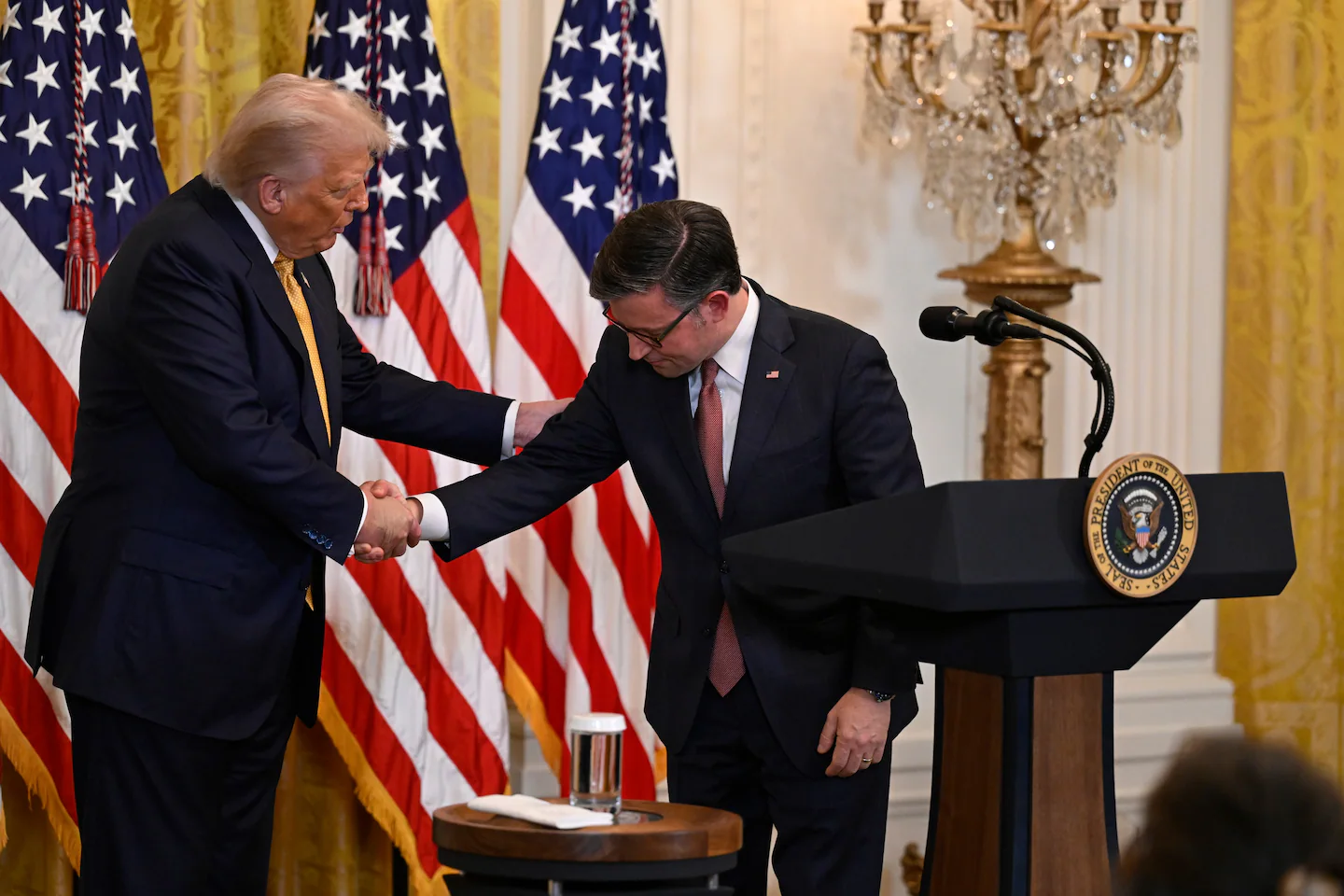
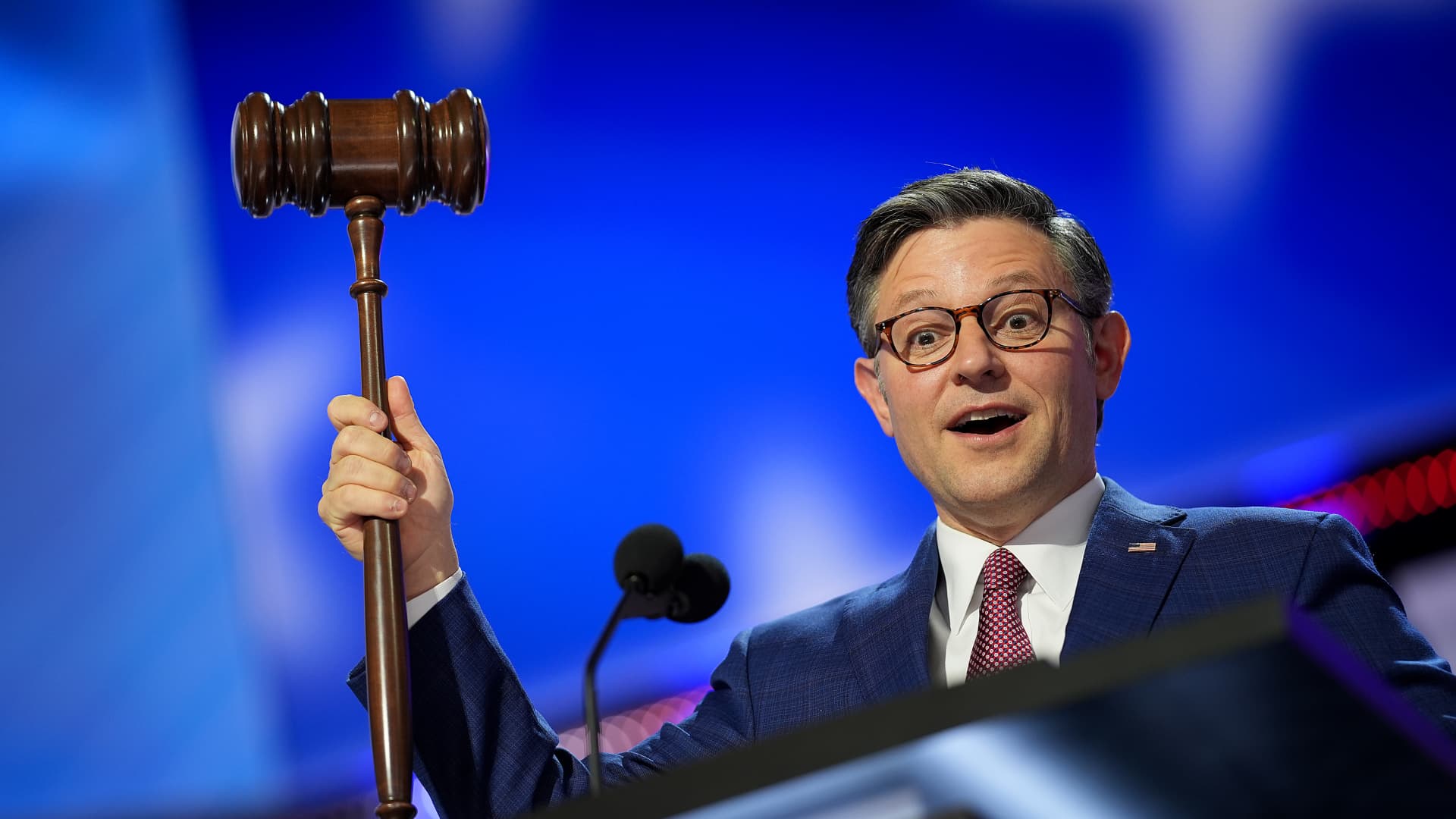
House Speaker Mike Johnson is navigating a challenging position, balancing the concerns of GOP members worried about redistricting conflicts with President Trump's efforts to expand the GOP House majority.
Republicans are attributing their narrow House majority to third-party candidates, particularly Libertarians, who they believe siphoned votes in key races. In Ohio, North Carolina, and Oregon, Libertarian candidates received significant votes, potentially affecting GOP outcomes. Two super PACs, Voter Protection Project and Save Western Culture, spent heavily to support these third-party candidates, raising suspicions of Democratic involvement. While it's unclear how Libertarian votes would have otherwise been cast, the GOP argues these candidates cost them crucial seats.
House Speaker Mike Johnson's narrow Republican majority is threatened by members leaving for private-sector jobs, as the GOP's majority could become the smallest since the Great Depression. With a starting majority of 221-213, Johnson's power is tied to President-elect Trump, and maintaining it depends on convincing members to delay lucrative private-sector opportunities. The departure of lawmakers for better-paying jobs could further reduce the majority, complicating Johnson's efforts to push Trump's agenda.
Republicans have secured a majority in the House of Representatives, completing a governing trifecta with control of the presidency and Senate. This victory, marked by key wins in Arizona, Michigan, Pennsylvania, and Colorado, allows the GOP to advance its agenda, including border security and tax cuts. However, the slim majority poses challenges, as internal party divisions may affect policy implementation. The Democratic Party, despite some unexpected wins, failed to maintain control, with concerns over issues like public safety and immigration influencing voter decisions.
The Republican Party has retained its narrow majority in the House of Representatives, securing control of both chambers of Congress as President-elect Trump prepares to take office. This victory, marked by key wins in California and Arizona, gives the GOP a 53-seat majority in the Senate for the first time in four years. House Speaker Mike Johnson and other GOP leaders are optimistic about advancing their right-wing policy agenda despite the slim margin in the House.
Republicans have secured a majority in the US House of Representatives, completing a governing trifecta with control of the White House and Senate, which could enable Donald Trump to advance his legislative agenda. Despite a narrow majority, Republicans plan to maximize their influence, with House Speaker Mike Johnson expressing confidence in their ability to legislate effectively. Trump's cabinet picks, including Matt Gaetz as attorney general, have sparked controversy, but Johnson remains optimistic about the party's prospects. Democrats, while unable to flip the House, highlighted their gains in New York as a positive outcome.
Republicans have secured full control of Congress, winning a narrow majority in the House and a three-seat majority in the Senate. This victory allows President-elect Donald Trump to advance his agenda, including border security and extending 2017 tax cuts. House Republicans have chosen Mike Johnson as Speaker, while John Thune will lead the Senate majority. Both leaders emphasize unity and commitment to Trump's priorities.
Republicans have retained their majority in the House of Representatives, solidifying their control over both chambers of Congress and enhancing President-elect Donald Trump's power in Washington. This GOP dominance allows Trump to pursue his agenda, including tax cuts and strict immigration policies. Speaker Mike Johnson, who has struggled with party infighting, now faces the challenge of maintaining unity and managing the narrow majority. Democrats, meanwhile, are left to regroup without any power in Washington, as they failed to flip enough seats to counter Trump's influence.
Republicans are projected to maintain control of the House of Representatives, securing a GOP trifecta with the presidency and Senate. Despite Democrats' significant fundraising efforts, they failed to gain the necessary seats to flip the House. Key legislative issues for the one-party Congress include the potential extension of the Tax Cuts and Jobs Act and enhanced subsidies under the Affordable Care Act, as well as an upcoming debt ceiling debate.
Republicans are nearing control of the House with a projected 220-to-222 seat majority, similar to their current 221-seat majority. However, tight races in California, Arizona, and Alaska remain undecided. The GOP's narrow margin is further complicated by vacancies due to Reps. Elise Stefanik and Michael Waltz joining the Trump administration, potentially leaving Republicans with an effective one-seat majority until those seats are filled. A recent victory in Colorado's 8th district has bolstered their position.
Republicans are close to achieving a 'trifecta' by gaining control of the House, Senate, and White House, following recent election victories. They have potentially flipped a fourth Democratic seat in Colorado, with Rep. Yadira Caraveo conceding to Republican Gabe Evans, although the Associated Press has not officially called the race yet.