Hindus around the world celebrate the Holi festival, known as the festival of colours, to mark the start of spring with joyous street gatherings, coloured powders, special foods, music, and dancing, symbolizing the welcoming of the good and the release of negativity for a time of renewal and rejuvenation.
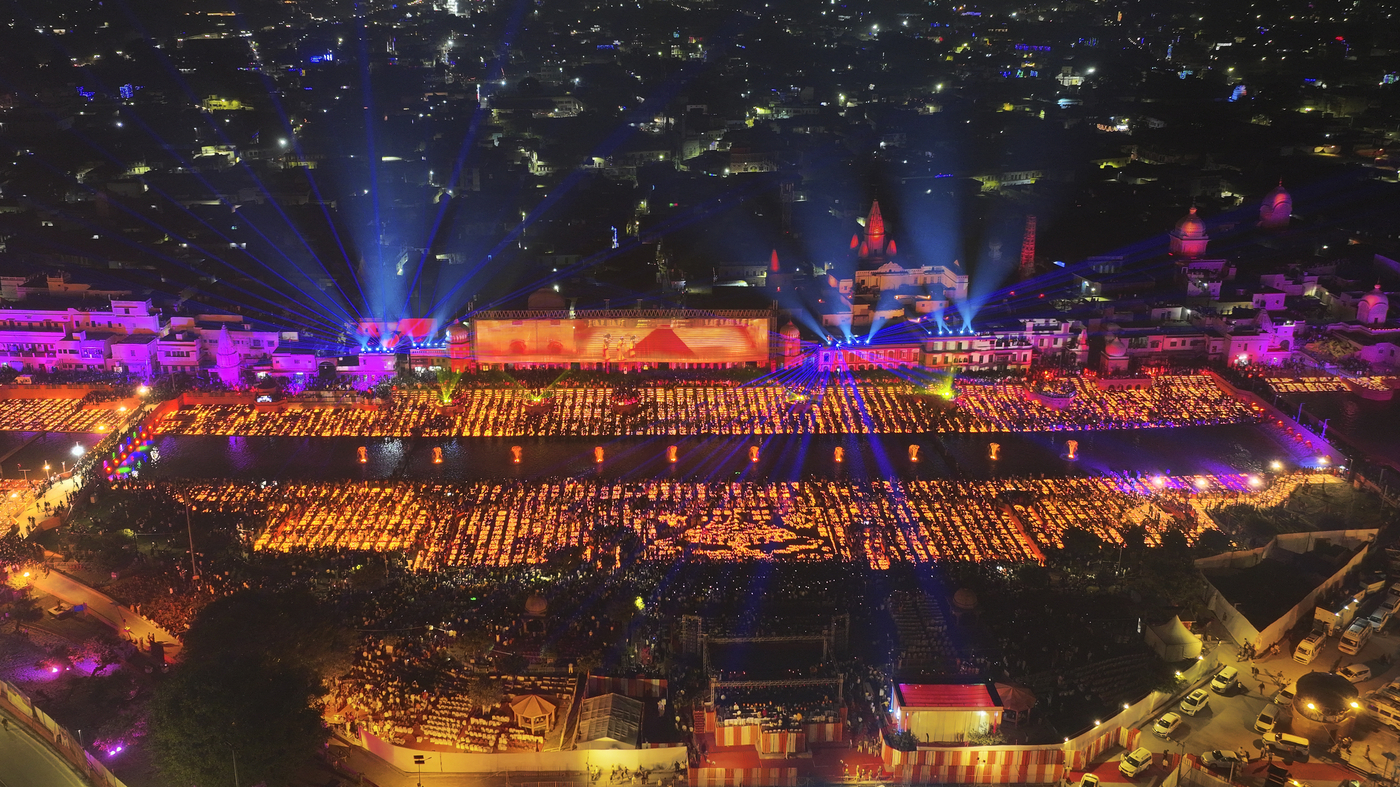
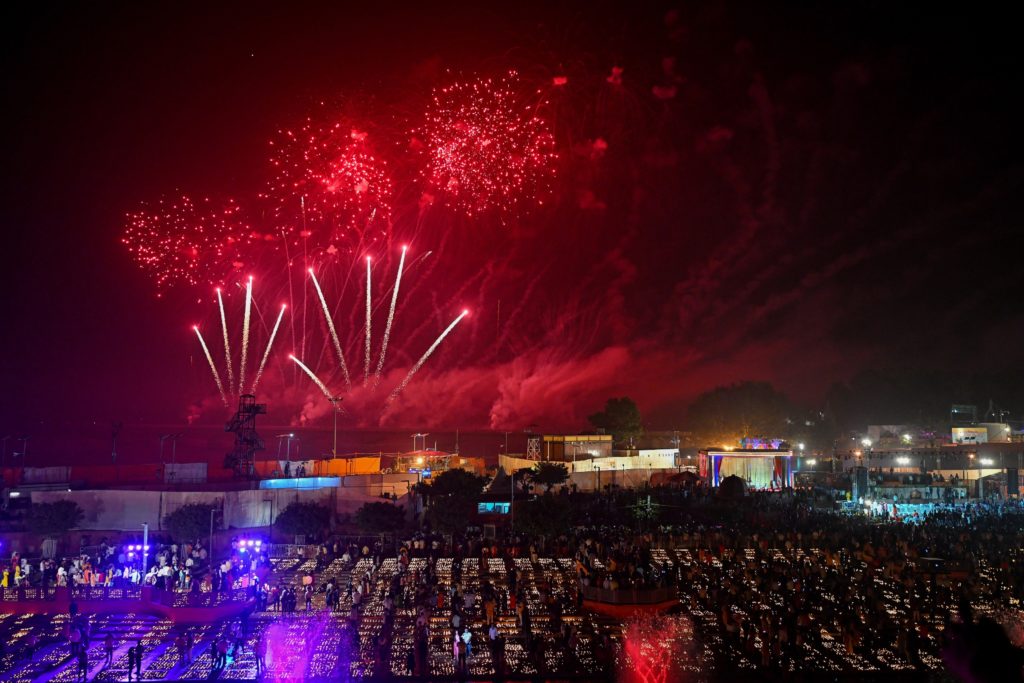
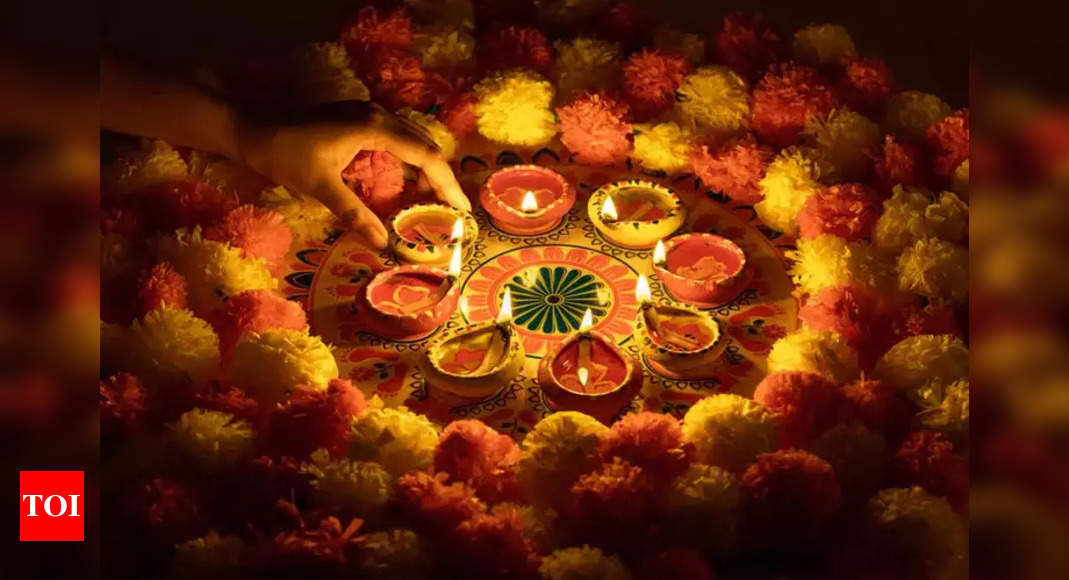
Millions of Indians celebrated Diwali, the Hindu festival of light, by setting a Guinness World Record for the largest number of bright earthen oil lamps. Despite concerns about air pollution in India, devotees lit over 2.22 million lamps at the banks of the Saryu River in Ayodhya. Lasting for 45 minutes, the lighting ceremony symbolized the victory of light over darkness. The festival, marked by socializing, exchanging gifts, and special prayers, took place amidst worries about air quality, with the air pollution index reaching hazardous levels. Authorities implemented measures to reduce pollution, including banning polluting vehicles and construction work, but the use of fireworks during Diwali is expected to worsen air pollution levels after the celebrations.
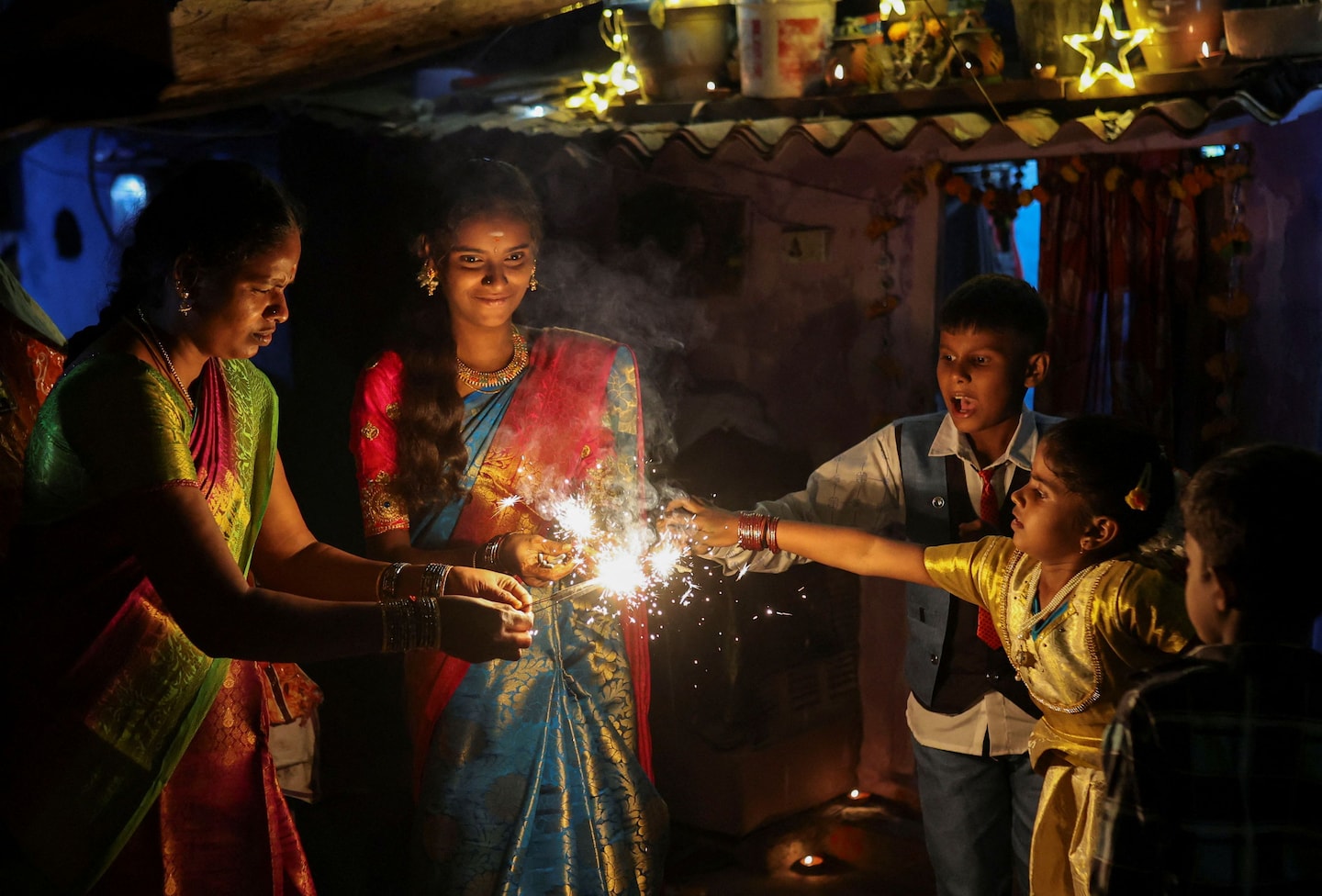
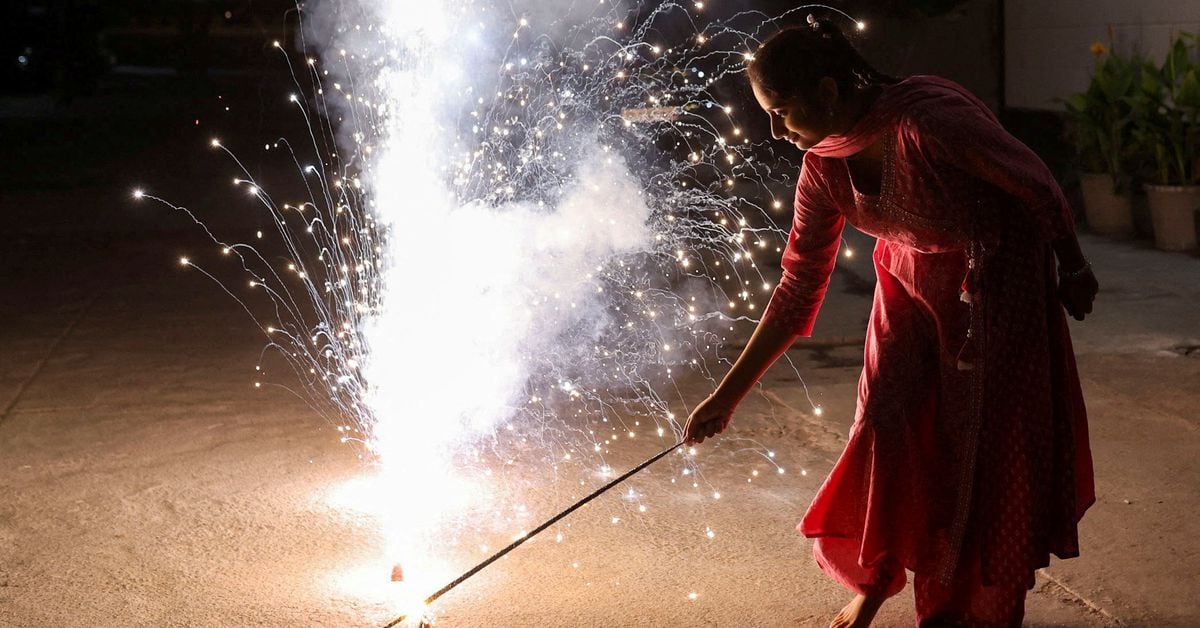
India celebrated Diwali, the Hindu festival of lights, with record-breaking displays of earthen oil lamps, despite worsening air pollution. Millions of people defied the ban on firecrackers and lit sparklers and candles, causing a new cloud of smoky haze in cities like New Delhi. The festival, symbolizing the victory of light over darkness, is celebrated across faiths and countries. In Uttar Pradesh, over 2.2 million oil lamps were lit, setting a new Guinness World Record.
Millions of Indians celebrated Diwali, the Hindu festival of light, with a record-breaking number of earthen oil lamps. The lighting of over 2.22 million lamps at the Saryu River in Ayodhya set a new Guinness World Record. However, concerns about air pollution in India have risen, with the country experiencing hazardous levels of pollution. Despite efforts to reduce pollution, such as banning polluting vehicles and construction work, the use of fireworks during Diwali is expected to worsen air quality. The celebrations also coincide with the inauguration of a long-awaited temple at the site of a demolished mosque in Ayodhya.
Despite a ban on firecrackers during Diwali, the Hindu festival of lights, residents of New Delhi defied the restrictions, resulting in a toxic haze and smoky skies in the city. The Air Quality Index (AQI) reached "poor" levels, with the concentration of poisonous particulate matter 20 times higher than the WHO's recommended maximum. Doctors anticipate worsening air quality and potential health issues due to the lingering smoke. Some Hindus view the bans as interference with their religious observances, while others emphasize the importance of clean air.
Millions of Indians celebrated Diwali, the Hindu festival of light, by setting a new Guinness World Record for the largest number of bright earthen oil lamps. Over 2.22 million lamps were lit at the Saryu River in Ayodhya, the birthplace of the god Ram. Concerns about air pollution in India were heightened as the country recorded hazardous levels on the air quality index. Despite efforts to reduce pollution, the use of fireworks during Diwali is expected to worsen air quality. The festival also coincided with preparations for the inauguration of a temple at the site of a demolished mosque in Ayodhya.
Diwali, also known as Deepavali, is a major Hindu festival celebrated on November 12, 2023. It signifies the victory of good over evil and the triumph of light over darkness. The festival lasts for five days, starting with Dhanteras and ending with Bhai Dooj. People celebrate by cleaning and decorating their homes, lighting diyas and lamps, performing Laxmi Puja, exchanging gifts, and visiting relatives and neighbors. Diwali is also associated with the worship of Goddess Laxmi and Goddess Saraswati. It is a time of joy, togetherness, and seeking blessings for prosperity and knowledge.
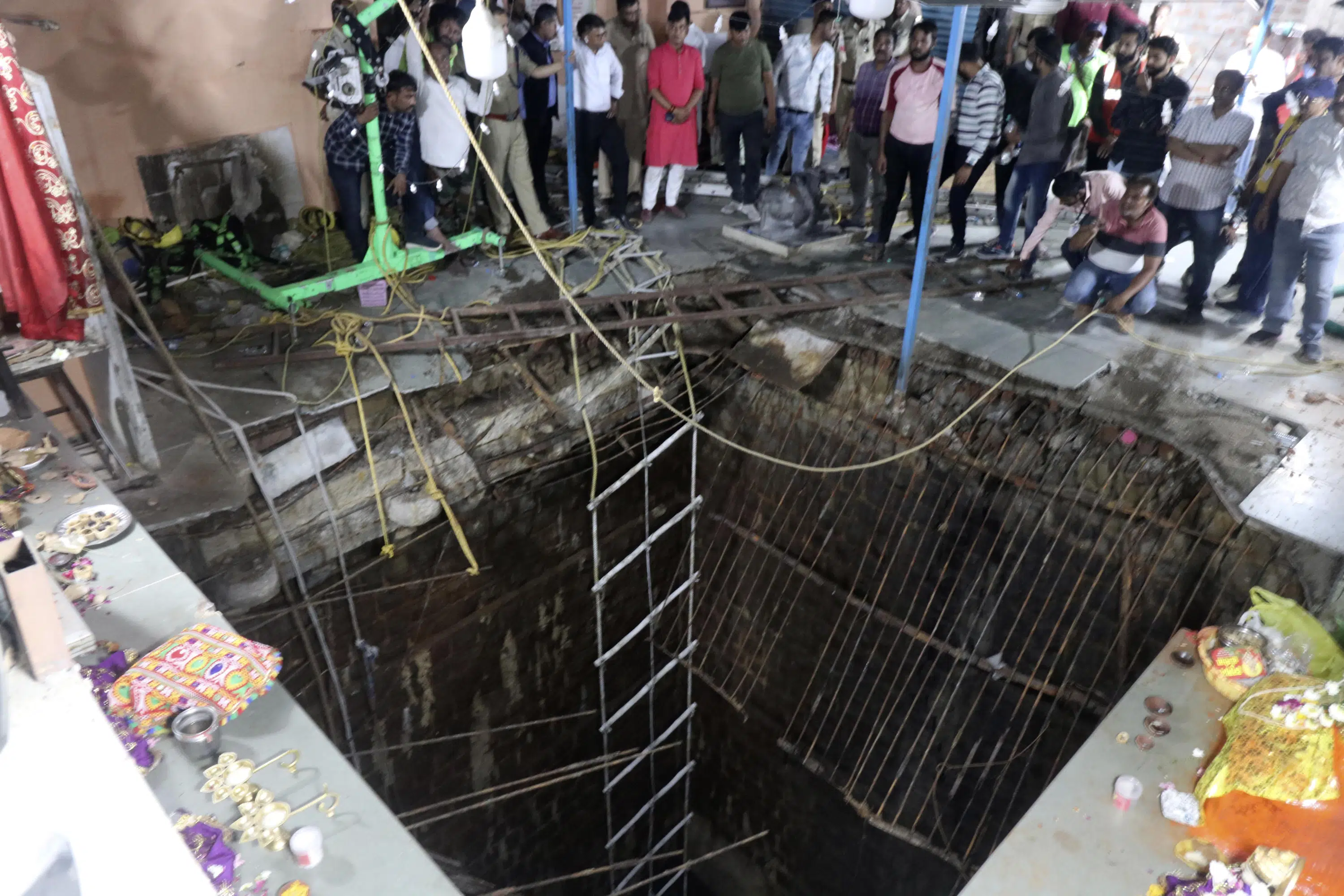
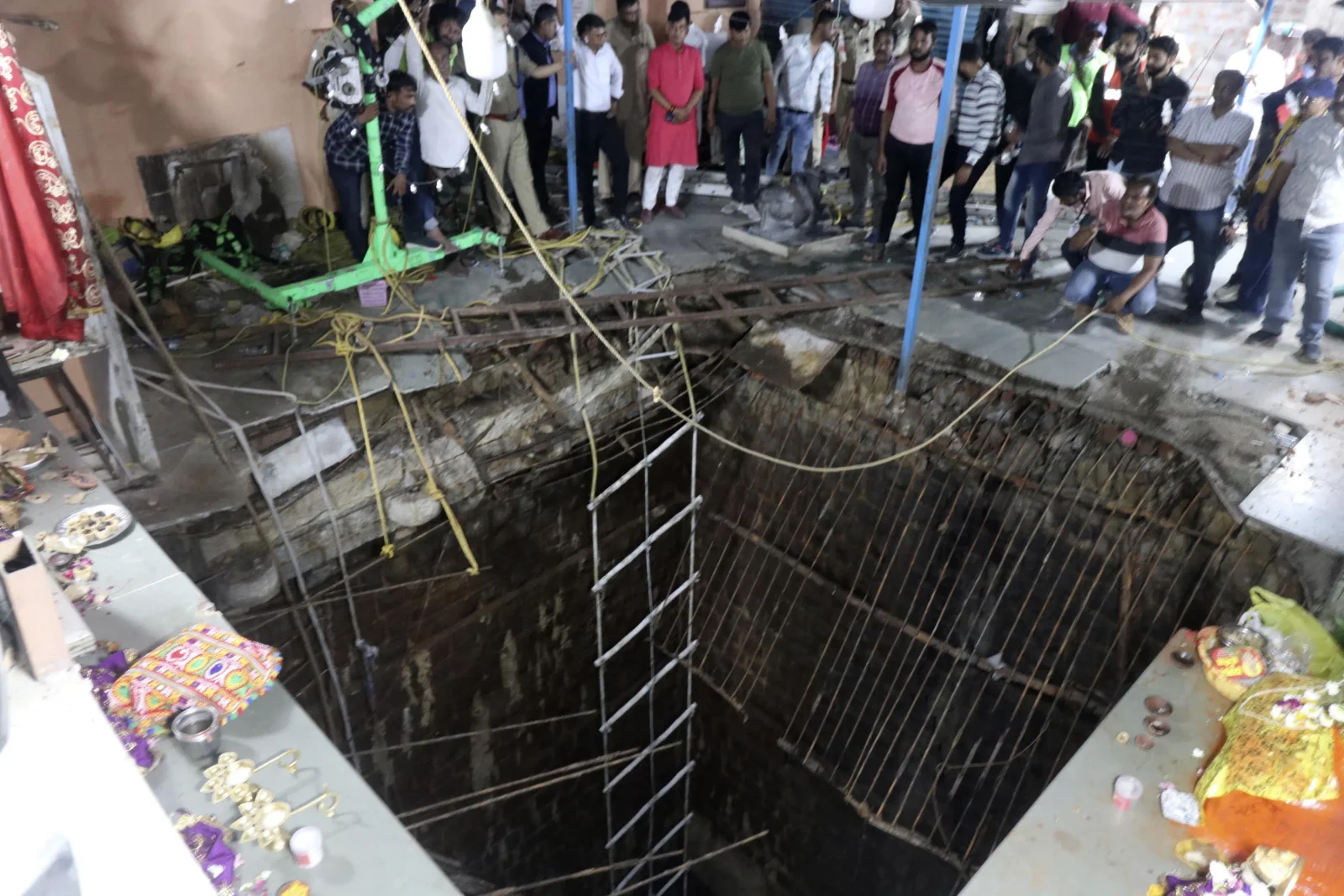
A structure built over a well at a temple complex in Indore, India collapsed during a Hindu festival, killing 35 people and injuring 18. The well had been covered with the structure, which apparently could not handle the weight of the large crowd. The temple authorities had stopped using the well years ago and covered it with the structure. Building collapses are common in India due to poor construction and a failure to observe regulations. An investigation has been ordered.
A structure built over an old temple well in India collapsed during a Hindu festival, killing at least 11 people and injuring 18 others. Up to 35 people fell into the well when the structure collapsed due to the weight of the large crowd. The temple authorities had stopped using the well years ago and covered it with the structure. An investigation has been ordered by the state's top elected official.