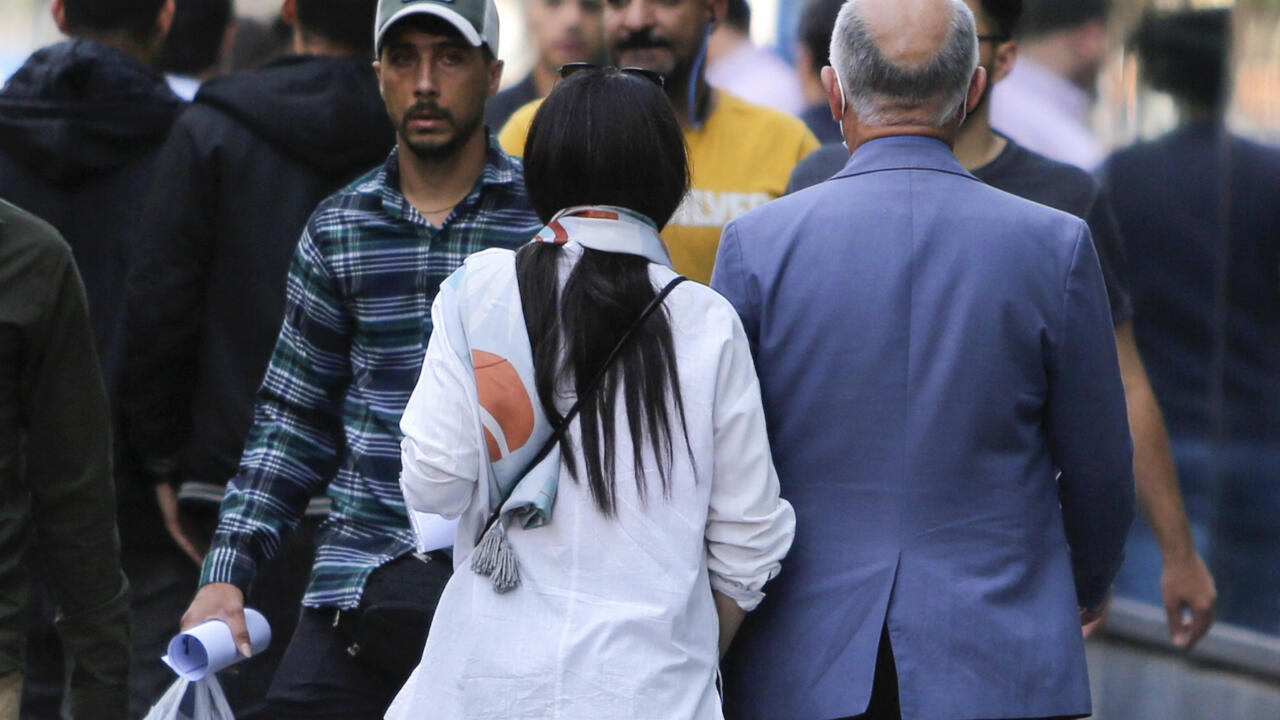
Young women in Iran continue to defy strict hijab laws despite increased enforcement and penalties, driven by a desire for personal freedom and disillusionment with the regime's priorities, signaling a shift in public attitude and resilience against authoritarian control.
Jamileh Alamolhoda, the wife of Iranian President Ebrahim Raisi, defended Iran's mandatory hijab laws and crackdown on protests during an interview with NPR. She argued that many Iranian women support the head coverings and that traditional feminist movements are not helpful to women who prioritize their roles as wives and mothers. Alamolhoda claimed that Iranian women who rebelled against the dress code were influenced by Western culture and advocated for a more traditional focus on family. However, many Iranian women have become more educated and connected to the wider world, leading some to demand the choice to dress and act differently. The dress code remains important to the government as it is seen as crucial to maintaining the revolution's ideals.
Iranian authorities are resorting to sending women who defy hijab laws into psychiatric treatment as a means of enforcing compliance. This move has raised concerns among healthcare organizations, who argue that the judiciary is misusing psychiatric medicine. The increasing number of women choosing to show their hair in public has highlighted the government's inability to enforce hijab laws. The misuse of psychiatric treatments reflects the disarray of the authorities and the growing disconnect between the government and Iranian society, particularly its youth. A proposed bill could introduce even harsher penalties for women who refuse to wear a headscarf, including the possibility of being sentenced to death for repeated offenses.
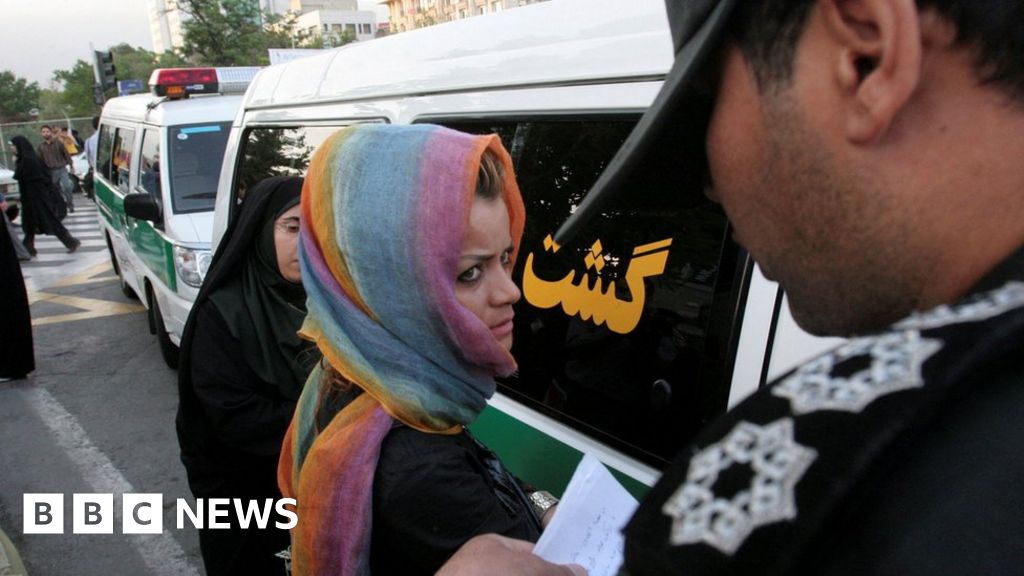
Iran's morality police, tasked with enforcing the country's strict dress code, will resume patrols to ensure women comply with hijab laws and cover their hair in public. This comes 10 months after the death of Mahsa Amini, a young woman who died in custody following her arrest for allegedly breaking the dress code. Her death sparked nationwide protests and led to a pause in the patrols. However, Islamic hardliners have been demanding their resumption. The morality police will warn women who are not complying with the rules and may take legal action if orders are disobeyed. The protests following Amini's death saw many women stop wearing hijabs altogether, but the authorities responded with stiffer punishments.