John Bolton's investigation for mishandling classified information is compared to other high-profile cases involving officials like Trump, Biden, Clinton, and Petraeus, highlighting similarities and differences in legal outcomes and conduct.
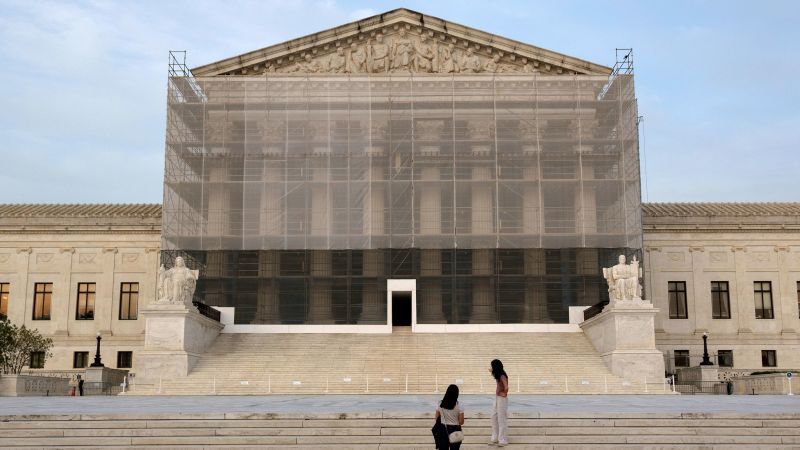
The Supreme Court is set to deliver its final rulings of the term, including a highly anticipated decision on President Trump's executive order on birthright citizenship, along with rulings on cases involving LGBTQ rights in schools, healthcare coverage under Obamacare, and voting district maps, marking a significant and busy last day of the court's session.
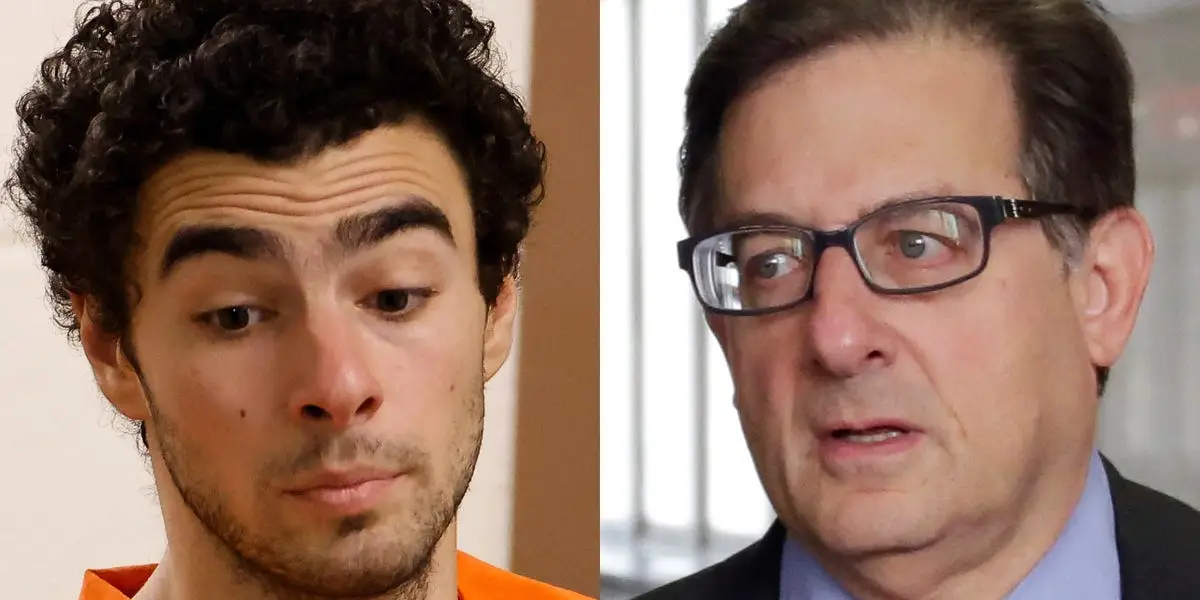
Joel Seidemann, a veteran assistant district attorney known for his expertise in high-profile cases and psych defenses, has been appointed to prosecute Luigi Mangione in the ambush shooting of UnitedHealthcare CEO Brian Thompson. Seidemann's 40-year career includes notable cases like the Etan Patz murder and Brooke Astor swindle, earning him a reputation as a tenacious and detail-oriented prosecutor. His ability to turn complex evidence into compelling narratives has been praised by colleagues, making him a formidable figure in the Manhattan DA's office.
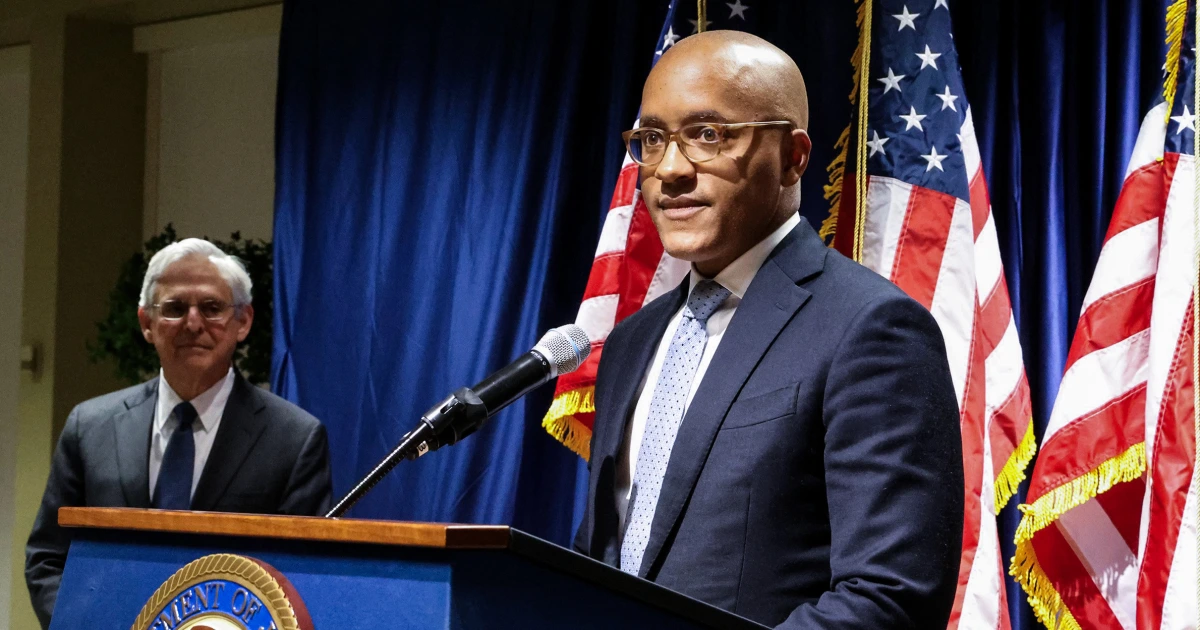
Damian Williams, the U.S. attorney for the Southern District of New York, announced his resignation effective December 13. Williams, the first Black man to hold the position, oversaw high-profile cases including those against Sen. Robert Menendez, Ghislaine Maxwell, and Sam Bankman-Fried. His deputy, Edward Y. Kim, will serve as acting U.S. attorney. Former President Trump plans to nominate Jay Clayton for the position, a move previously blocked by New York senators.
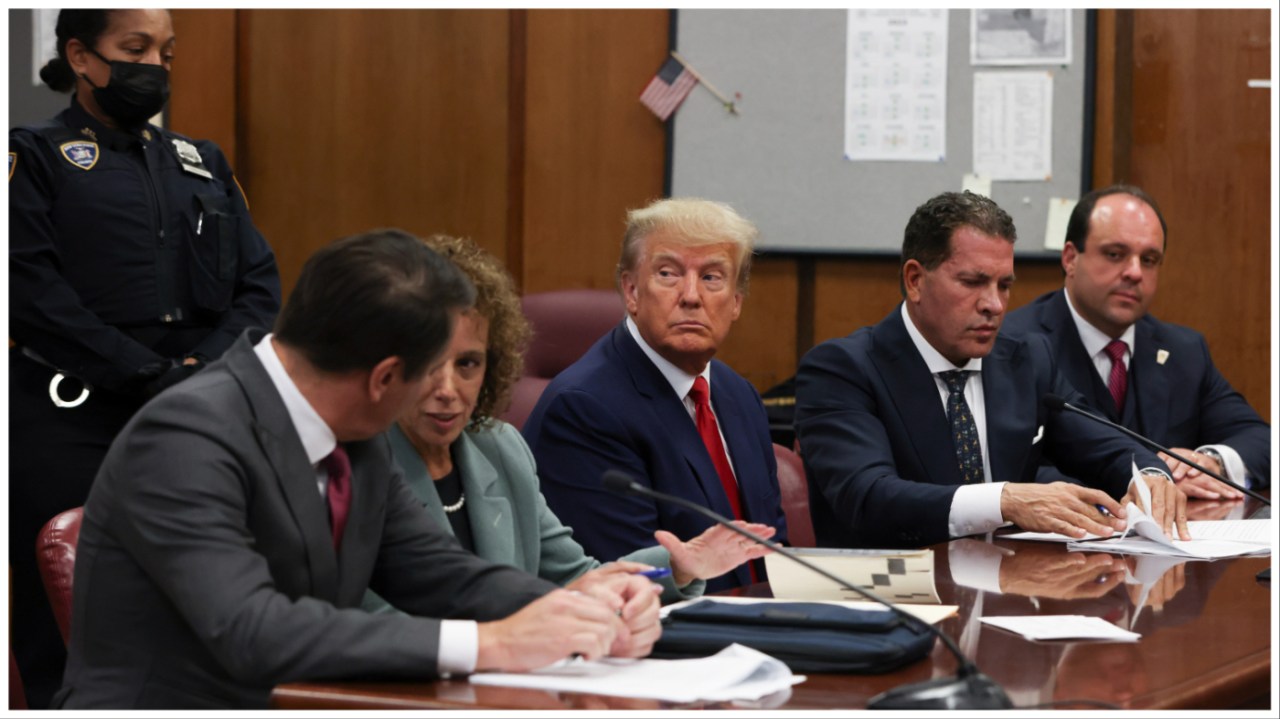
Joe Tacopina, a prominent New York trial lawyer known for representing high-profile clients, has withdrawn from representing former President Trump in his criminal hush money case and a sexual battery civil lawsuit brought by E. Jean Carroll. The reasons for Tacopina's departure remain unclear, but it comes on the eve of Carroll's trial seeking damages for defamation. Tacopina's withdrawal adds to the list of lawyers who have represented Trump in various legal entanglements, including criminal charges related to alleged efforts to overturn the 2020 election.
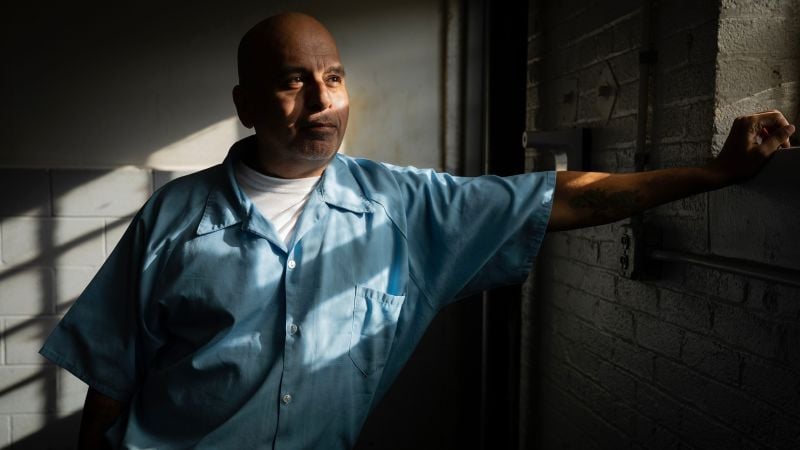
Two cousins in Illinois, James Soto and David Ayala, have been released after spending 42 years wrongfully imprisoned for crimes they did not commit. They were convicted in 1981 for the deaths of two Chicago teenagers and served the longest wrongful conviction sentence in state history. This is the latest in a series of high-profile exonerations this week, including the release of Brian Beals in Cook County, Illinois, and the exoneration of two men in California. Soto, who earned a bachelor's degree while incarcerated, plans to attend law school and help others who have been wrongfully convicted.
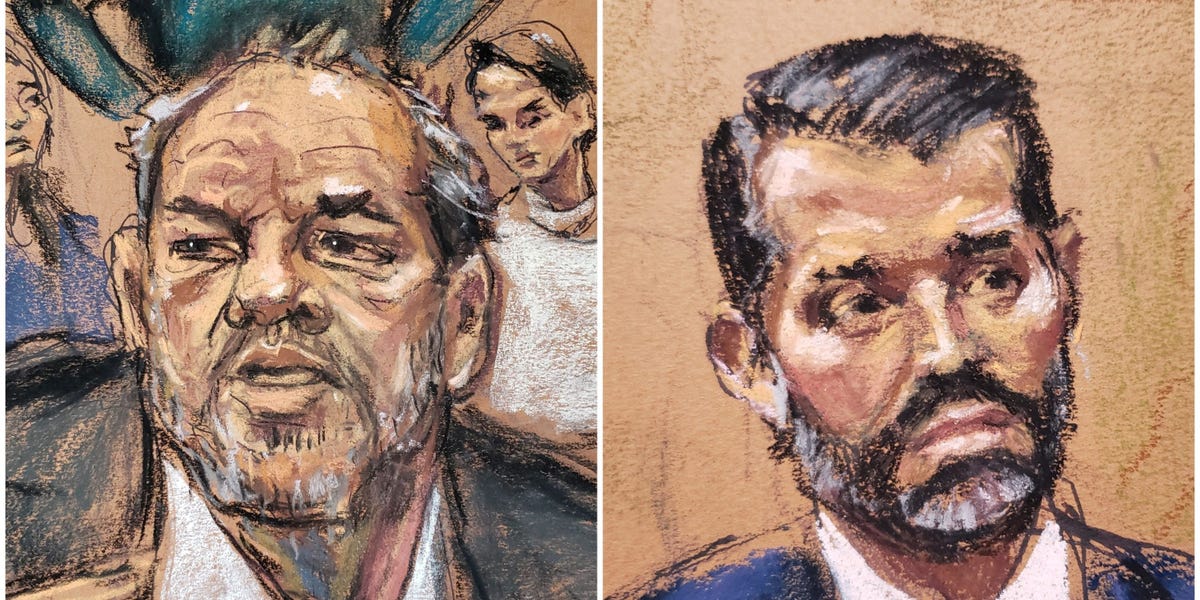
Jane Rosenberg, a veteran courtroom artist with over 40 years of experience, has sketched many high-profile defendants, including Donald Trump Jr., Harvey Weinstein, and Jeffrey Epstein's accomplice Ghislaine Maxwell. Recently, her sketches of Sam Bankman-Fried and Caroline Ellison in their respective trials garnered attention on social media, with some criticizing the portrayal of Ellison. Rosenberg defended her work, explaining the time constraints and her intention to capture the emotional state of the subjects. Donald Trump Jr. also interacted with Rosenberg during his testimony, jokingly asking her to make him look handsome and sexy. In the past, Harvey Weinstein had also requested Rosenberg to give him more hair in his sketch. Despite the attention, Rosenberg remains focused on her job as a courtroom artist.
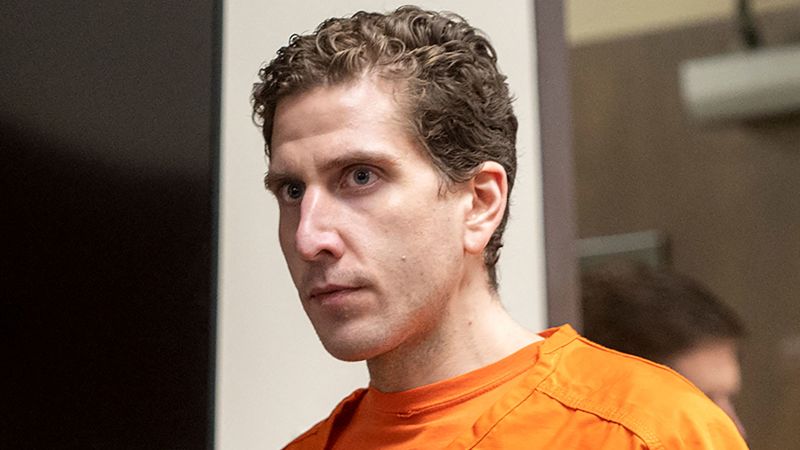
A coalition of media organizations and the father of a murder victim are set to challenge a gag order in the criminal case against Bryan Kohberger, the criminology graduate student at Washington State University accused of fatally stabbing four University of Idaho students in their off-campus home. Due to the wide-ranging gag order, prosecutors, defense lawyers, and attorneys for victims’ families and witnesses are prohibited from saying anything publicly, aside from what is already in the public record. Gag orders are a common occurrence in high-profile cases, such as the man accused of carrying out January’s mass shooting in Half Moon Bay, California, or the involuntary manslaughter trial of the parents of Oxford High School shooter Ethan Crumbley.