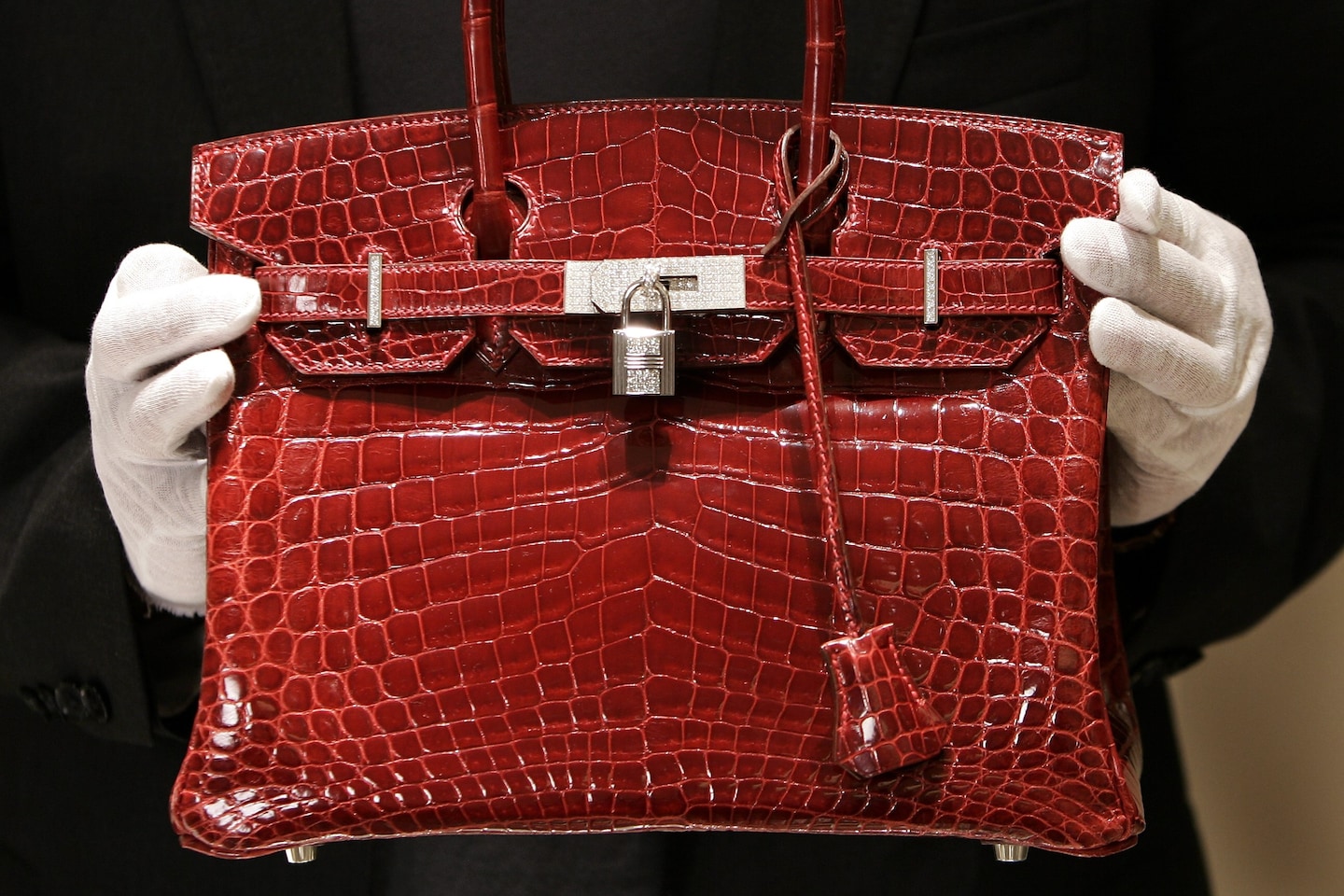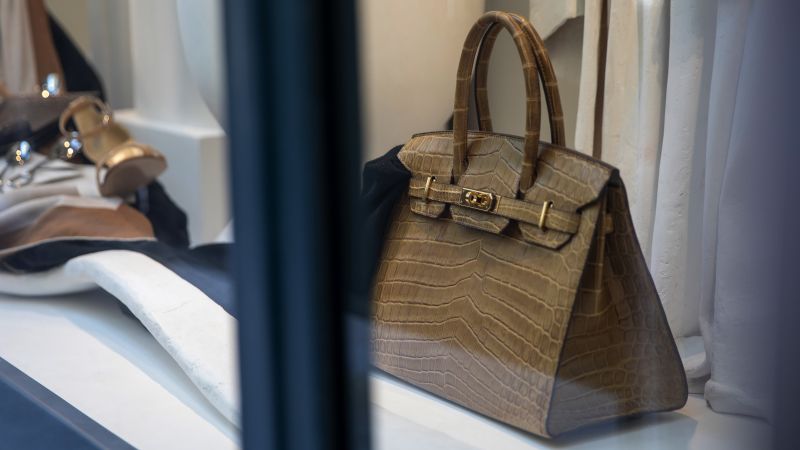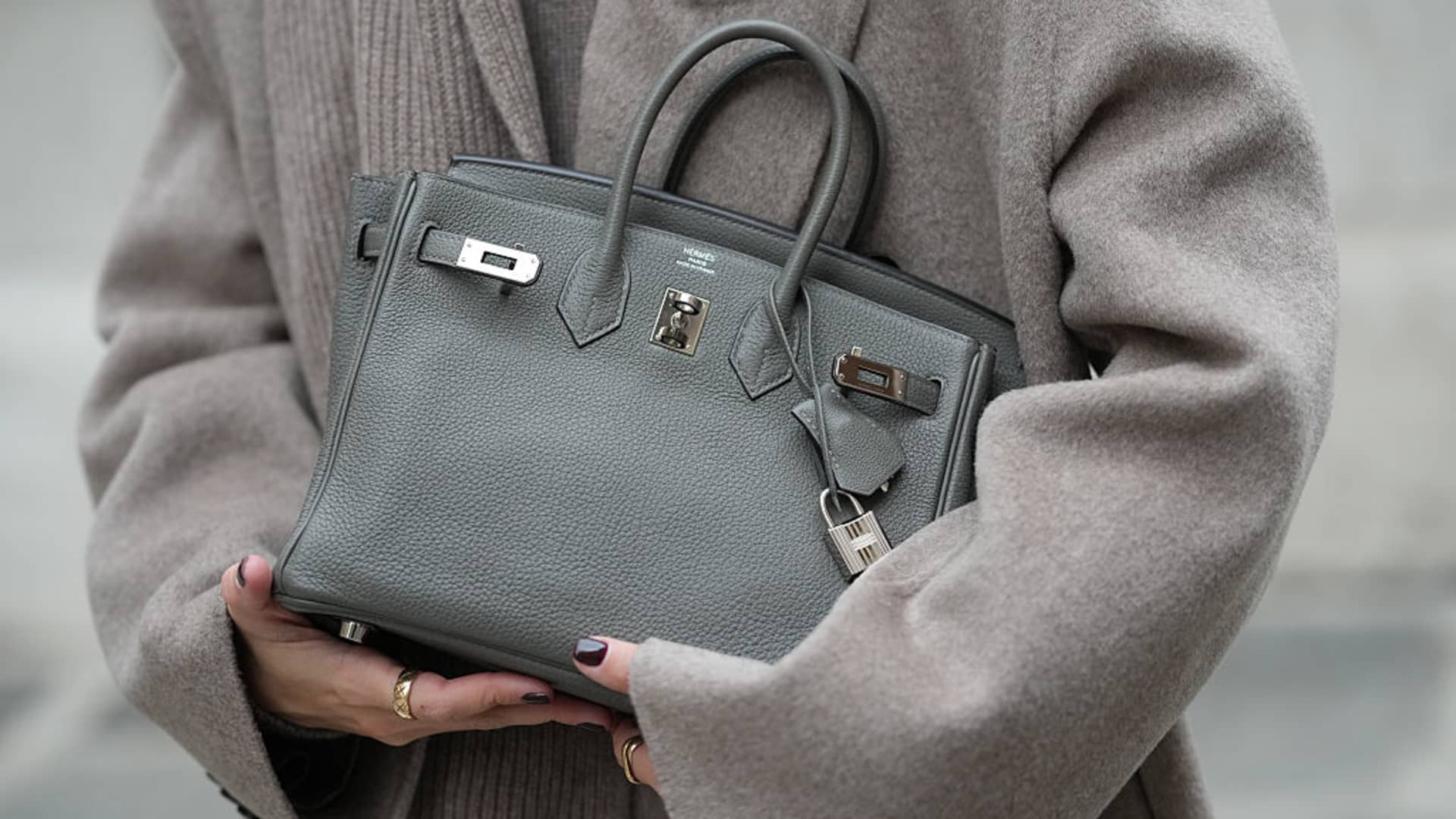
Despite high-profile sales like Jane Birkin's bag fetching millions, overall auction prices for Hermès Birkin bags are declining due to increased supply, economic pressures, and changing consumer behavior, though demand still generally exceeds supply and Hermès remains a top luxury brand.

British designer Grace Wales Bonner has been appointed as Hermès' new creative director of menswear, making her the first black woman to lead design at a major fashion house. She will start her role in 2027, succeeding Véronique Nichanian, and will continue her own label alongside her new position. Her appointment is seen as a move towards contemporary fashion that blends heritage with modernity.
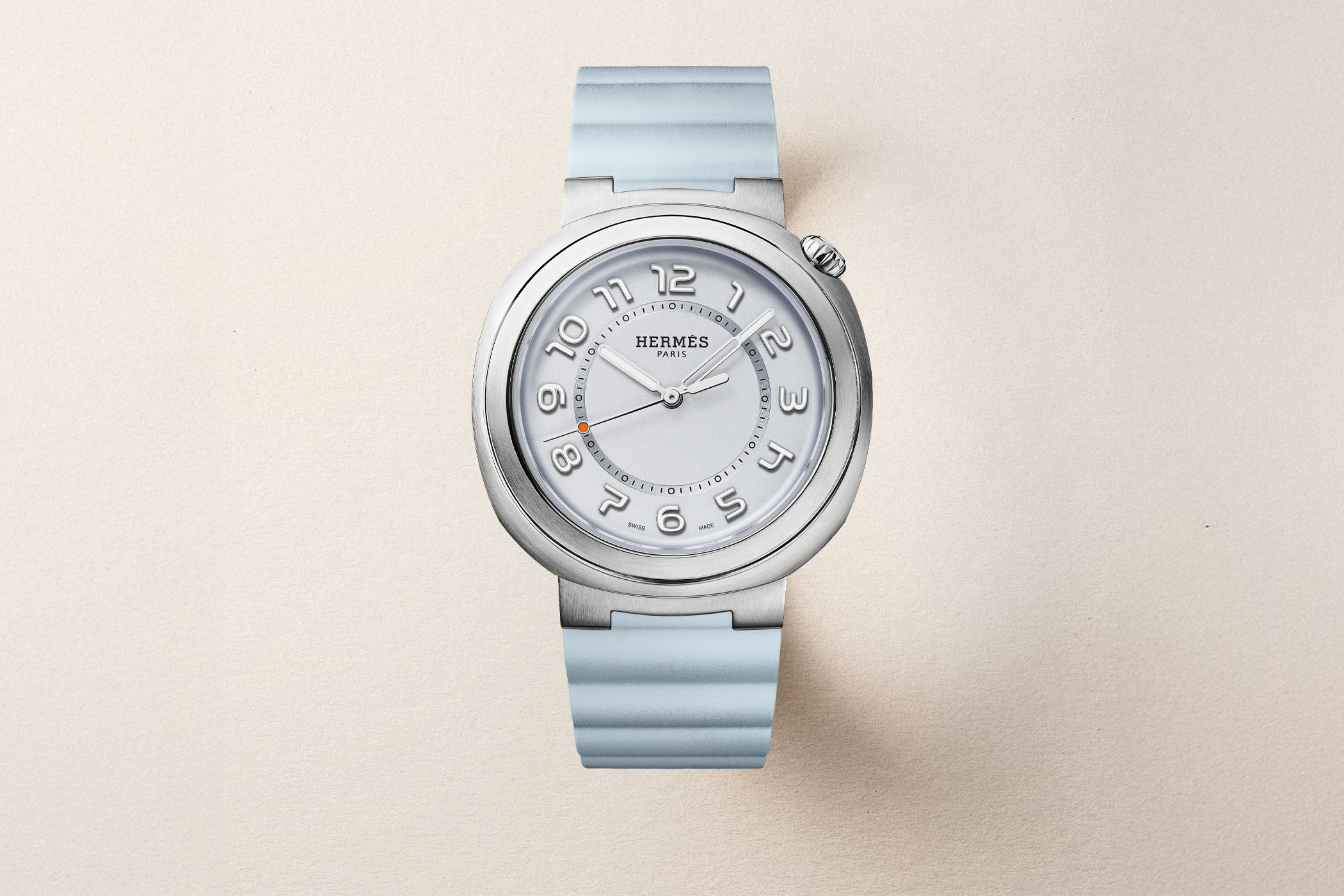
Hermès has launched the new 'Cut' watch in 2024 featuring a light blue dial, a unique cushion-shaped case with a sophisticated design, in-house movement, and options with or without diamond accents, priced at EUR 5,400 and EUR 10,500 respectively.
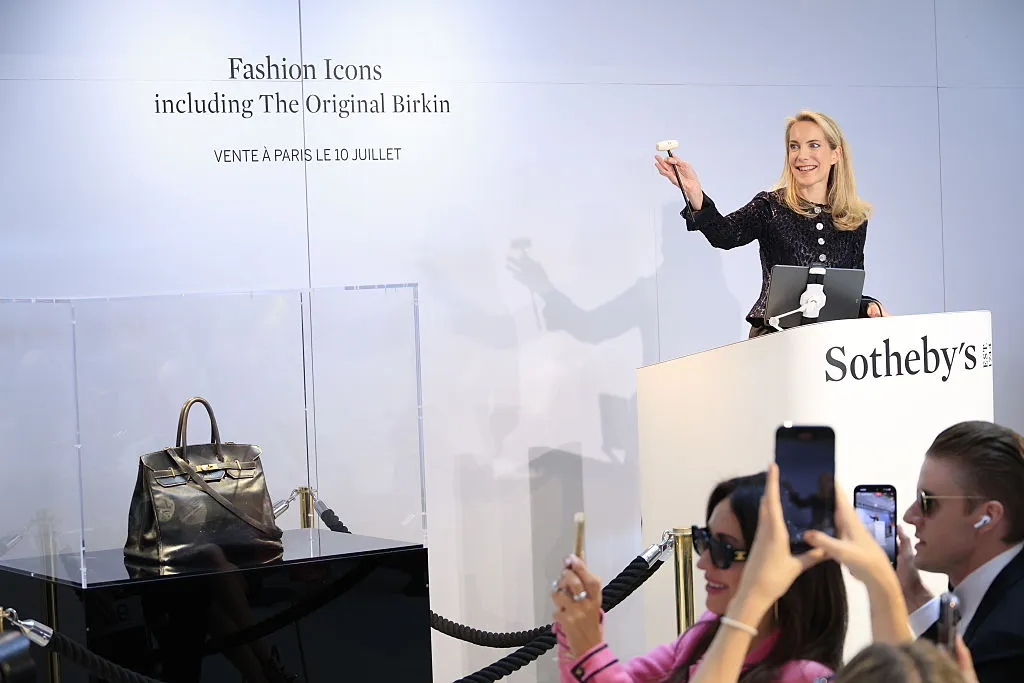
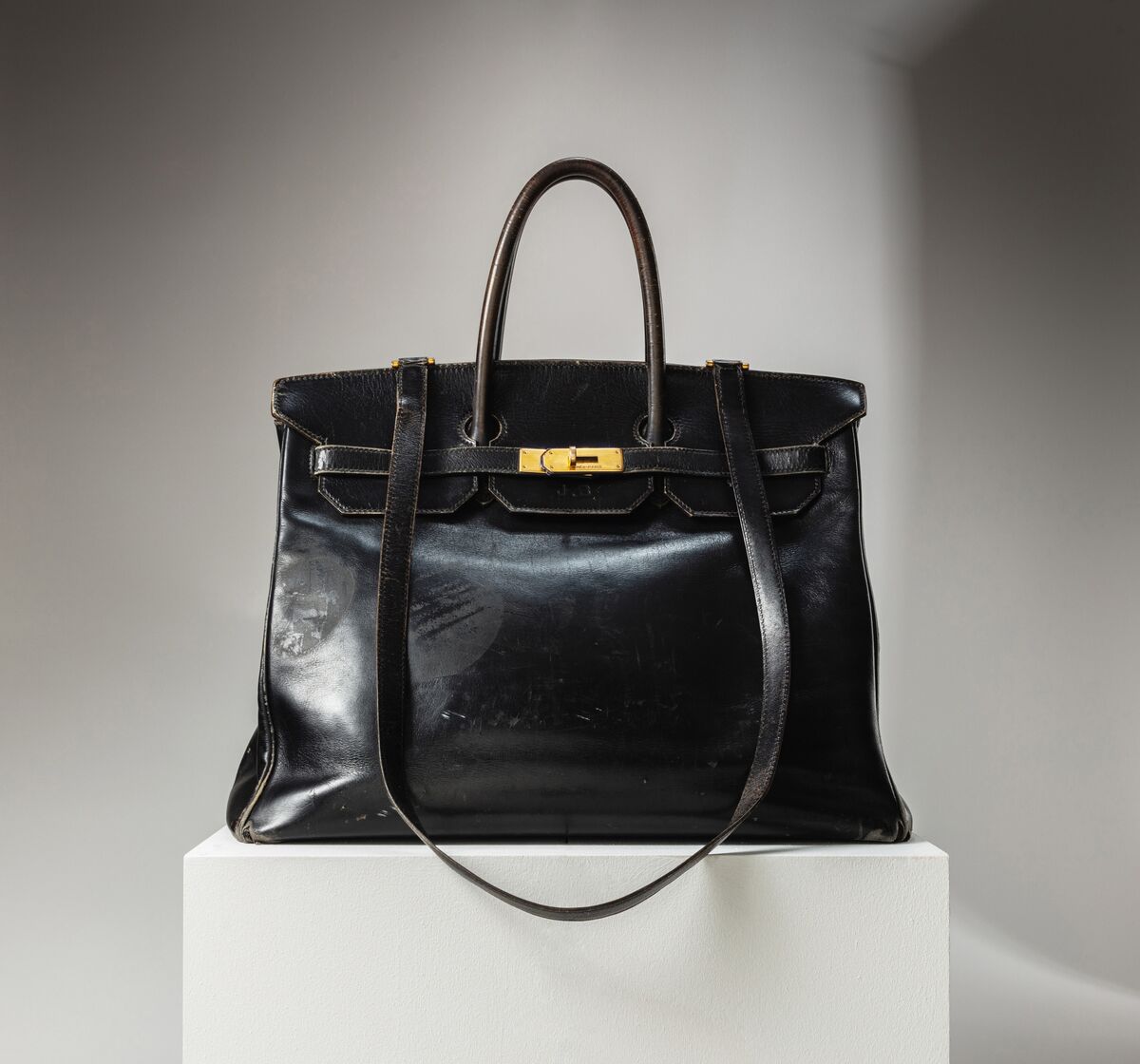
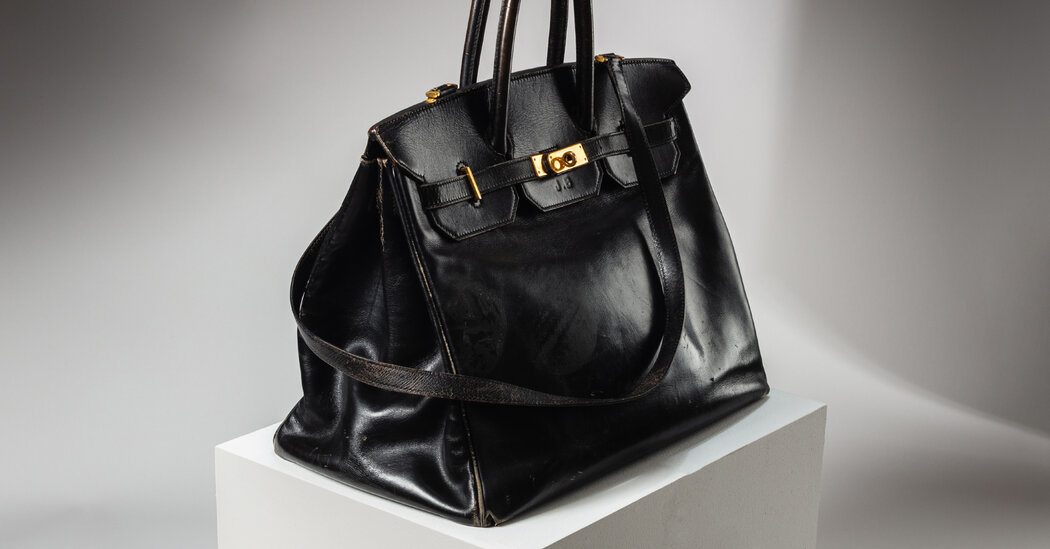
The original Hermes Birkin bag sold for a record-breaking €8.6 million ($10 million) at Sotheby's Paris, becoming the most expensive Birkin ever sold, with an anonymous Japanese buyer and a notable bidding battle, highlighting its status as a cultural and luxury icon.
The original Birkin bag owned by Jane Birkin sold for €8.6 million (£7.4 million) at Sotheby's, setting a record for the most valuable handbag ever sold at auction, with a fierce bidding war among collectors.
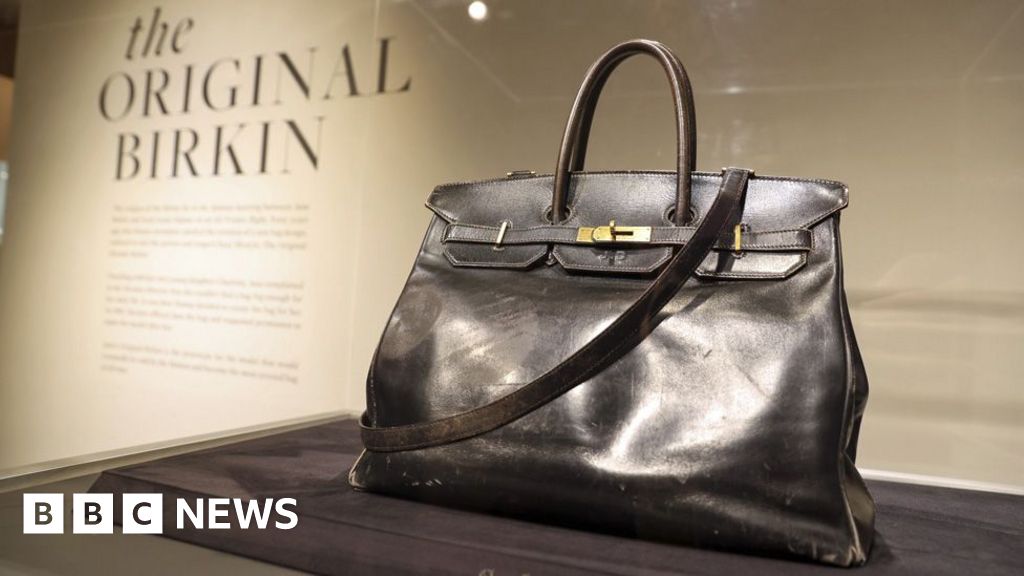
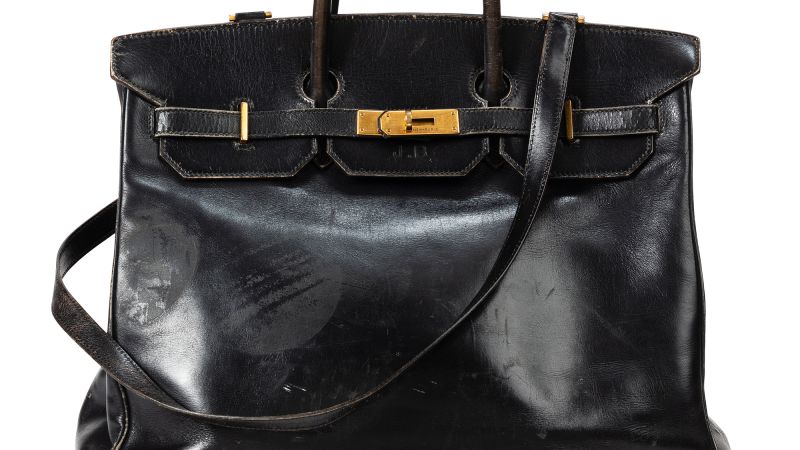
The original Hermès Birkin bag, inspired by Jane Birkin and considered a fashion icon, will be auctioned at Sotheby’s in Paris on July 10. This rare, all-black leather bag, which differs from later versions in several ways and features Birkin’s initials and a pair of nail clippers, is expected to fetch a high price due to its legendary status and provenance. The bag will be on display in New York before the auction.
Sotheby’s will auction the original Hermès Birkin bag that belonged to Jane Birkin in Paris on July 10. The bag, commissioned in 1984 and associated with the late singer, has a storied history and is now owned by collector Catherine B. Hermès bags are highly valuable, often selling for more than retail prices, with record sales reaching over $500,000.
The original prototype of the Hermès Birkin bag, created after actress Jane Birkin sketched it on an airsickness bag, is being auctioned by Sotheby’s in July as part of a Paris Fashion Icons sale, with no estimated price.
Two California residents have filed a proposed class action lawsuit against Hermès, accusing the luxury retailer of unfairly withholding coveted Birkin bags from all but the highest-spending customers, in violation of antitrust law. The plaintiffs argue that they were coerced into purchasing other Hermès items before being given a chance to buy a Birkin bag, despite having spent tens of thousands of dollars at the store. The exclusivity of the Birkin bag is a key part of its appeal, but these customers are challenging the brand's practices in pursuit of the elusive accessory.
Shoppers in California have filed a lawsuit against Hermès, alleging that the luxury brand's sales tactics for its coveted Birkin bag violate antitrust laws by tying the purchase of the bag to other Hermès products. The lawsuit claims that the scarcity and high demand for Birkin bags give Hermès significant market power, and seeks class-action status, damages, and an order to stop the alleged illegal practices. Some social media users have dismissed the complaint as a problem of the wealthy.
Californians file a lawsuit against Hermès International, alleging unfair competition and antitrust violations in the sale of its coveted Birkin bags, claiming the luxury brand forces customers to buy ancillary products to gain access to the bags. Legal experts are uncertain about the merits of the case, as Hermès' practices are inconsistent and not clearly defined, making it difficult for the plaintiffs to pinpoint a specific problem with the policy. The lawsuit could have implications for consumers who have experienced gatekeeping when purchasing products, and it raises questions about the legality and fairness of tying one product to another.
Two customers in California have filed an antitrust lawsuit against Hermès, alleging that the company's sales tactics for its coveted Birkin handbags constitute a violation of antitrust law. The customers claim that Hermès requires them to purchase other products before being allowed to buy a Birkin bag, alleging that this tying conduct is anticompetitive. The lawsuit faces challenges in proving Hermès as a monopoly and the illegality of its product tie-in strategy, but it has already drawn attention to the exclusive and elusive nature of Birkin bag purchases.
A lawsuit filed in San Francisco accuses luxury retailer Hermes of violating antitrust law by requiring customers to make substantial purchases of other goods before being allowed to buy its coveted Birkin handbags, which can cost tens of thousands of dollars. The lawsuit claims that sales associates are directed to offer Birkins only to customers with a sufficient purchase history, using the bags to coerce additional purchases for which they receive a commission. The plaintiffs seek class action status and monetary damages, alleging that Hermes' selling tactics are unfair.
A lawsuit filed in San Francisco accuses luxury retailer Hermes of violating antitrust law by selling its coveted Birkin handbags only to customers who have spent significant amounts of money on other goods at the store. The lawsuit claims that customers must be "deemed worthy" by sales associates and have an established purchase history or profile with the store to be shown a Birkin in a private room. The plaintiffs seek class action status and monetary damages, alleging that Hermes uses the Birkin handbags to coerce customers into buying other products.
A lawsuit filed in San Francisco accuses luxury retailer Hermes of violating antitrust law by allegedly reserving its iconic Birkin handbags for customers who have spent significant amounts on other goods at the store. The lawsuit claims that sales associates are directed to offer Birkin handbags only to customers with a sufficient purchase history, using them as a means to coerce purchases of other products. The plaintiffs seek class action status and monetary damages, alleging that Hermes' selling tactics are unfair.