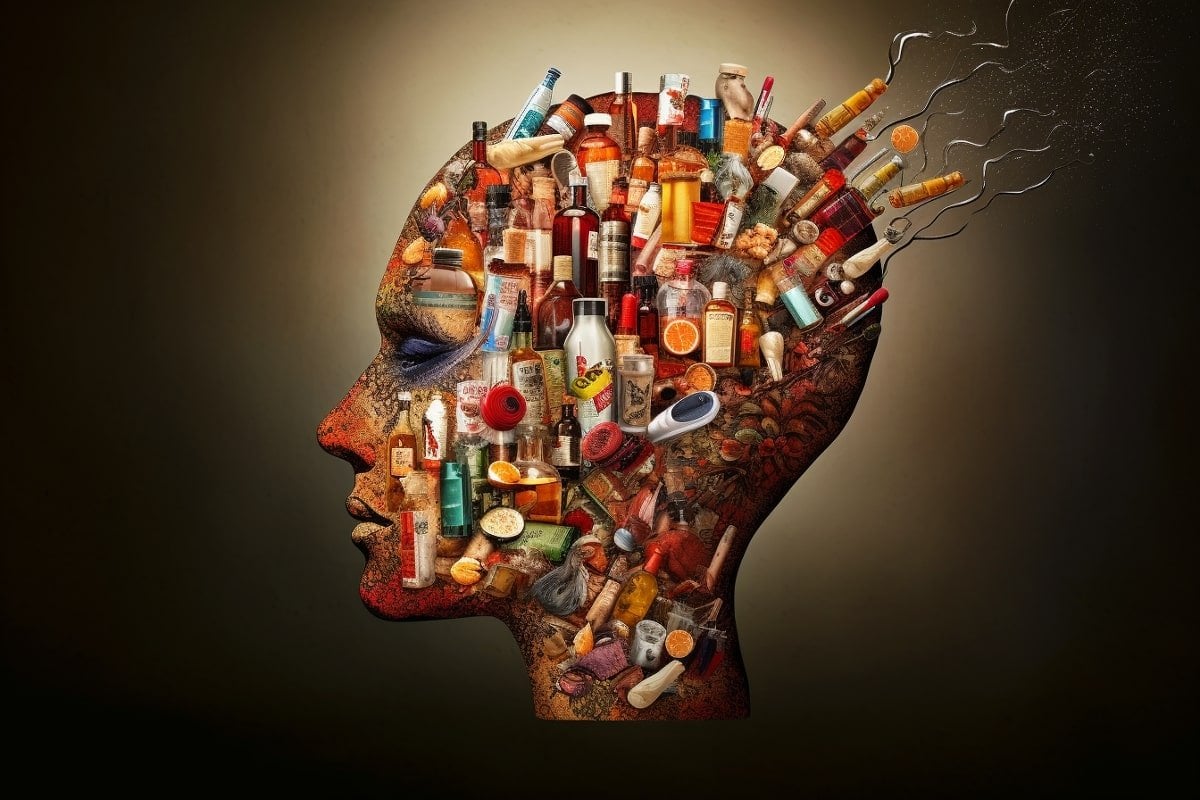
A study from Mass General Brigham links heavy alcohol consumption to larger, earlier brain bleeds, damaging small blood vessels and increasing stroke risk, with even moderate drinking showing adverse effects.
A study from USC reveals a significant increase in serious liver scarring among heavy drinkers over the past two decades, especially affecting women, older adults, and those with obesity or diabetes, highlighting the need for better early detection methods.
A USC study reveals a significant increase in serious liver disease among heavy drinkers in the US over two decades, especially among women, older adults, and those with metabolic conditions, despite stable drinking patterns, highlighting the need for revised screening and public awareness.
A study from the University of São Paulo found that heavy drinkers have a significantly higher risk of brain tissue injury, including lesions and Alzheimer's biomarkers, and tend to die earlier, highlighting long-term brain health risks associated with alcohol consumption.
Europeans consume more alcohol than any other region in the world, with an average of 9.5 liters of pure alcohol per person aged 15 and over each year. Among the top 10 countries with the highest alcohol consumption per capita in Europe are Czechia, Latvia, Moldova, Germany, Lithuania, Ireland, Spain, Bulgaria, Luxembourg, and Romania. There are significant differences in alcohol consumption between EU countries, with men generally drinking more than women. Heavy drinking episodes are most prevalent in Denmark, Romania, Luxembourg, Germany, and Belgium. The WHO warns that there is no safe level of drinking, and alcohol is linked to a significant number of deaths and negative health consequences worldwide.
Individuals with alcohol use disorder (AUD) display less impairment after consuming a standard intoxicating dose, but they exhibit significantly more impairment when the consumption aligns with their usual heavier drinking habits. Interestingly, this higher impairment does not return to baseline even three hours post-drinking. While heavy drinkers can tolerate a certain amount of alcohol better than light or moderate drinkers, the concept of “holding your liquor” is more nuanced than commonly believed.
Heavy drinkers may misjudge their level of impairment and exhibit substantial impairments when consuming amounts closer to their usual pattern, according to a study. Despite similar levels of impairment to light drinkers, heavy drinkers perceived themselves to be less affected, potentially leading to dangerous decision-making. The study examined data from 400 young adults with varying drinking patterns and found that heavy drinkers perceived themselves to be less impaired than light drinkers after consuming the same amount of alcohol.