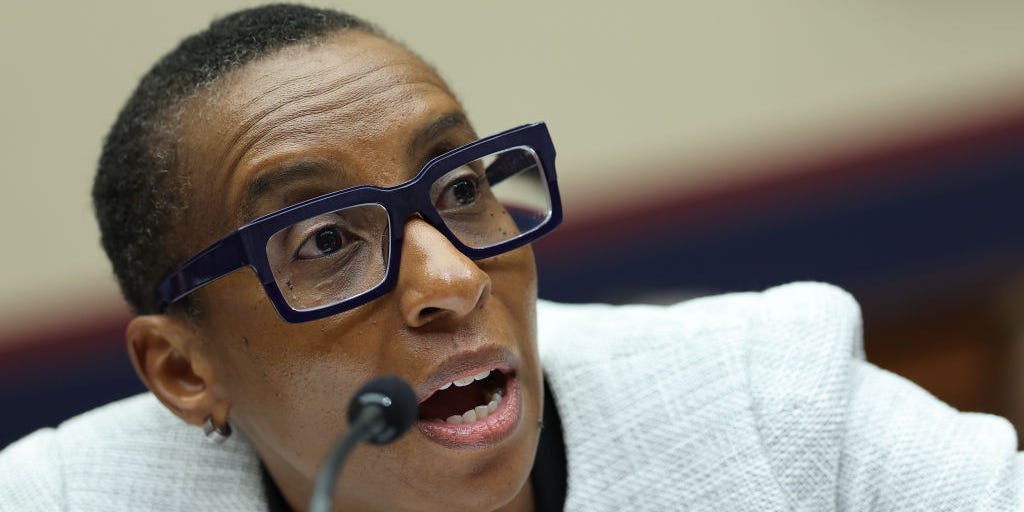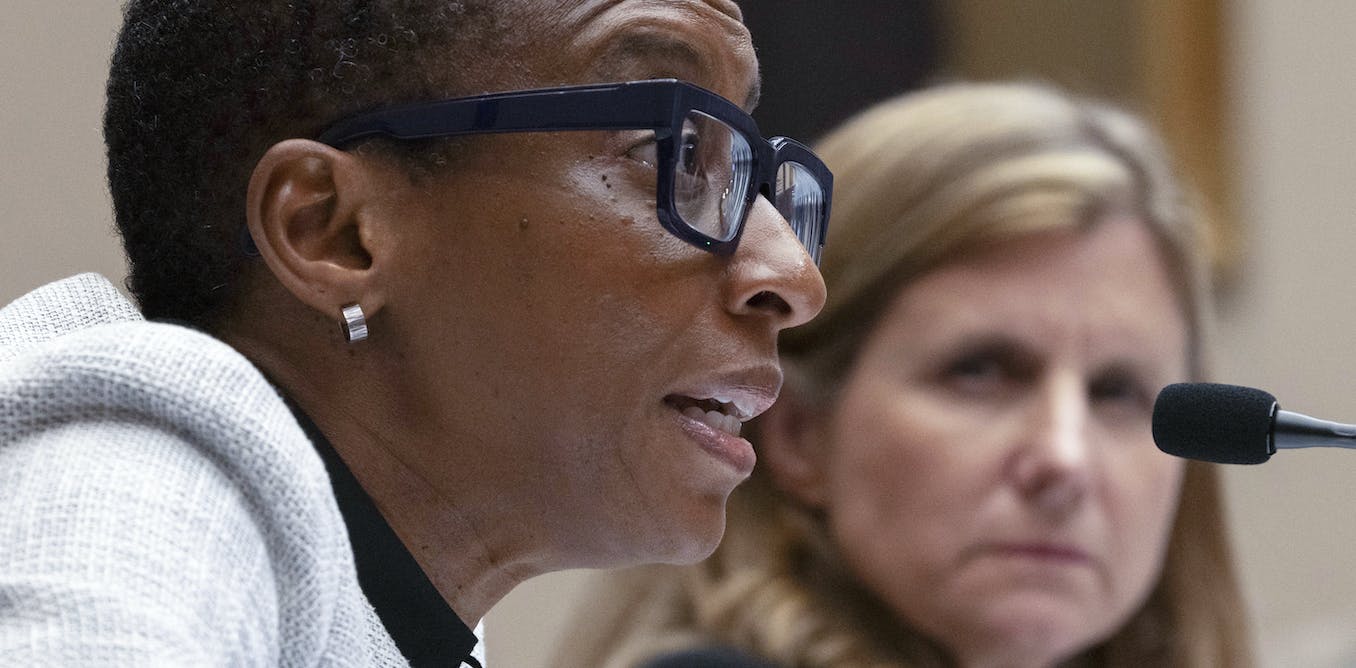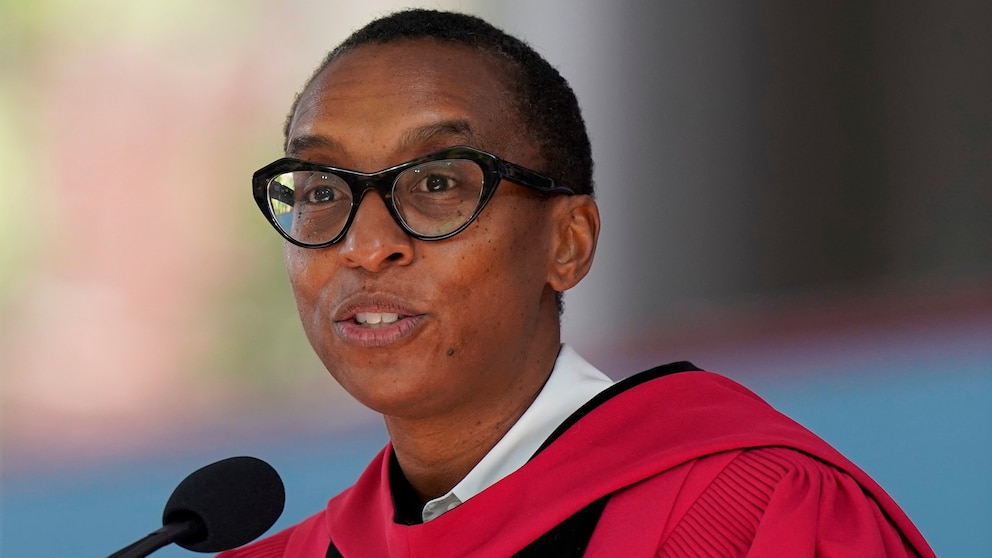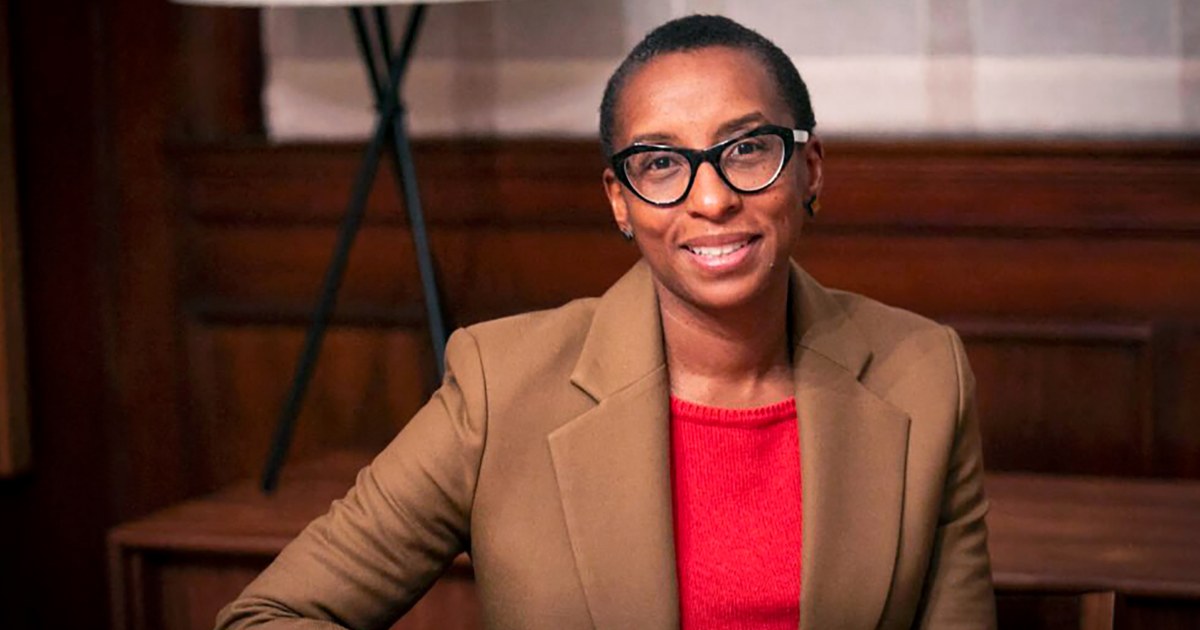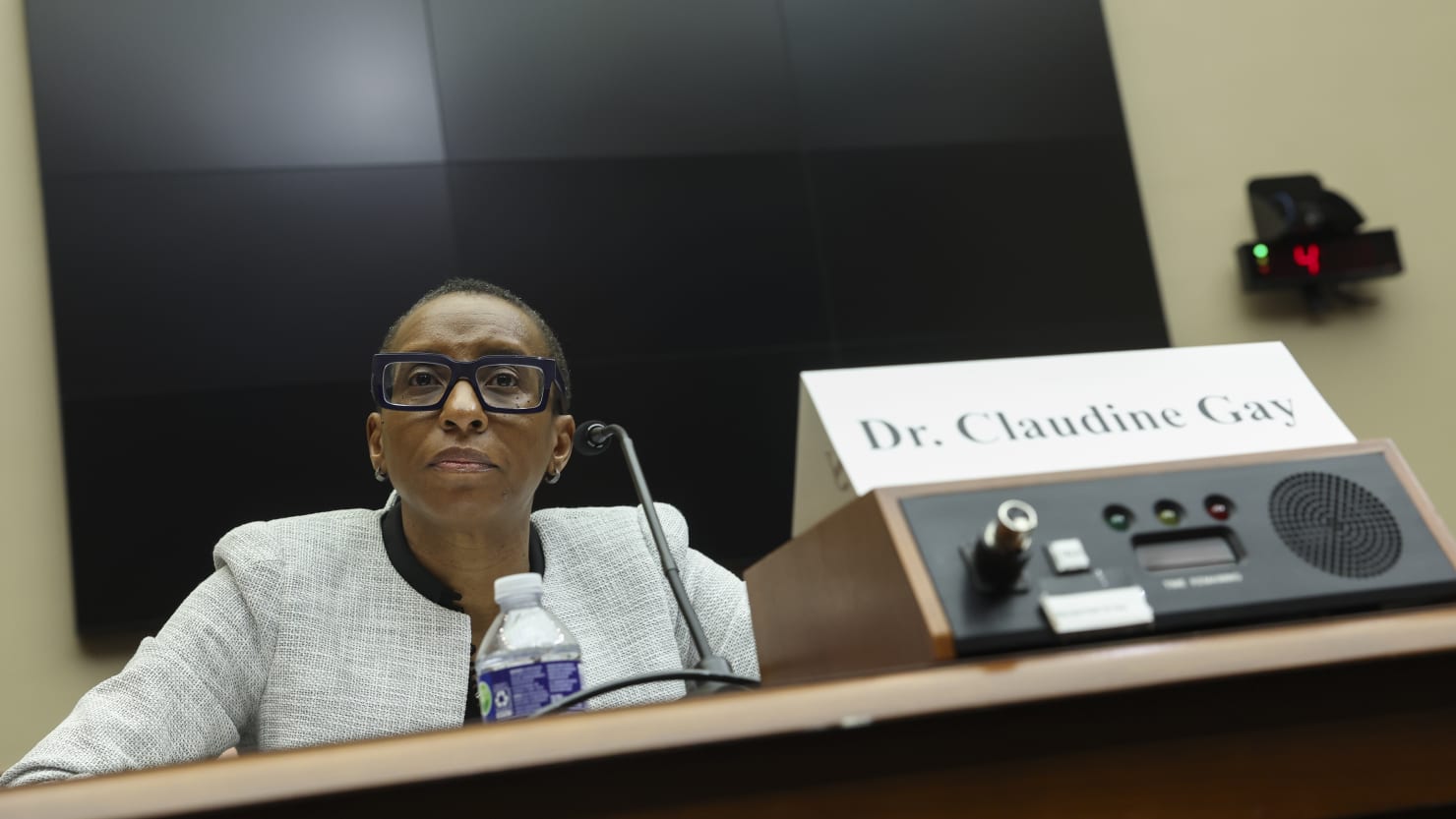
Claudine Gay, Harvard University's first Black president, was forced to resign during her vacation in Rome following a controversy involving her congressional testimony about anti-semitism and plagiarism allegations, which she denies. Despite initial support from the Harvard Corporation, pressure from the Board and public criticism, including racist attacks and death threats, led to her resignation. Gay has spoken out against the racism and false narratives that contributed to the campaign against her.

Harvard and Boston University researchers have developed a soft robotic exoskeleton designed to help individuals with Parkinson's disease overcome "freezing" episodes during walking. The wearable technology uses sensors and algorithms to assist with gait and has shown promising results in a study published in Nature Medicine. A 73-year-old participant experienced a significant reduction in freezing episodes and improved walking ability both indoors and outdoors. This innovation could lead to commercialization, similar to a previous exosuit developed for stroke patients by Harvard's Biodesign Lab.
Claudine Gay, Harvard's first Black president, resigned after facing a barrage of death threats and racist attacks, which led to constant police surveillance of her home. Despite initially retaining support from the Harvard Corporation following her criticized congressional testimony and allegations of plagiarism, Gay lost confidence from some board members. Her resignation on January 2 marked the shortest tenure in Harvard's history and has sparked discussions about the political pressures and independence of universities.
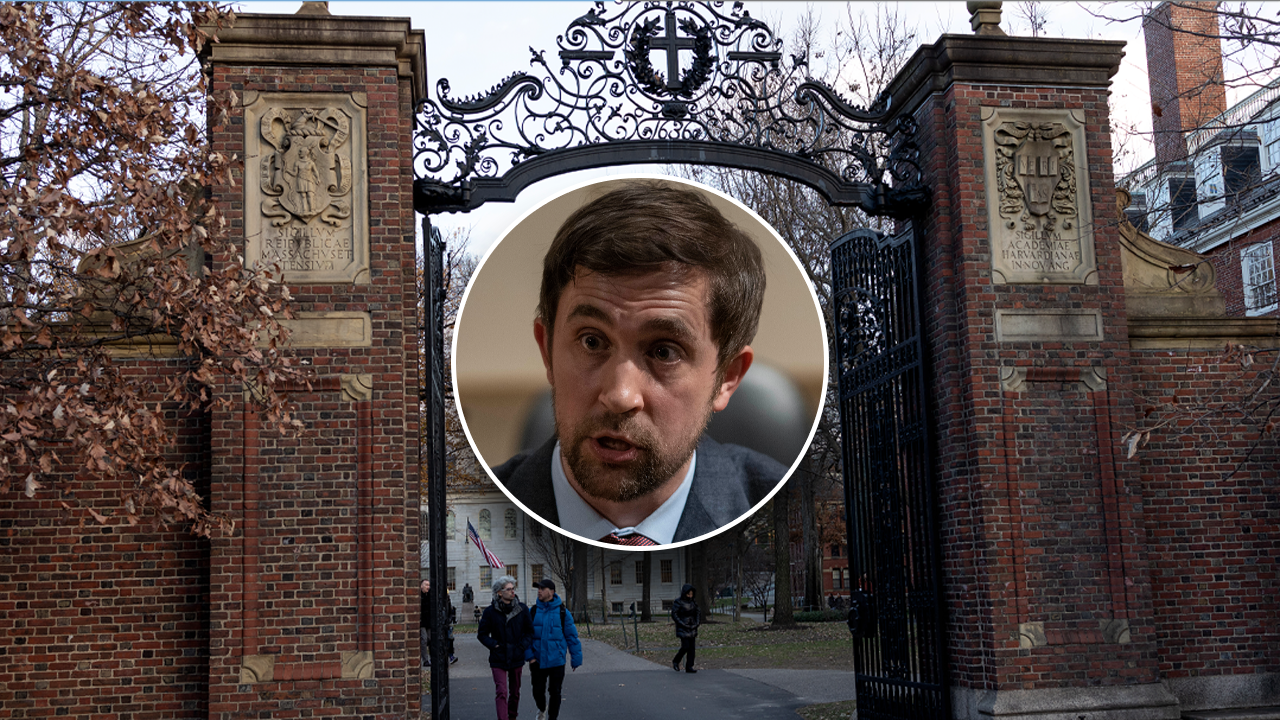
Conservative activist Christopher Rufo outlines a strategy for conservatives to reclaim influence in elite institutions, following his role in exposing plagiarism allegations that led to Harvard President Claudine Gay's resignation. In his manifesto, "The New Right Activism," Rufo criticizes past conservative tactics and the belief in institutional neutrality, arguing for a new focus on language, institutions, and their fundamental purposes. He emphasizes the need for conservatives to engage in politics, recruit and replace leadership, and hold institutions accountable to their intended ends, suggesting that a shift in cultural power is necessary for conservative thought to enter the mainstream.
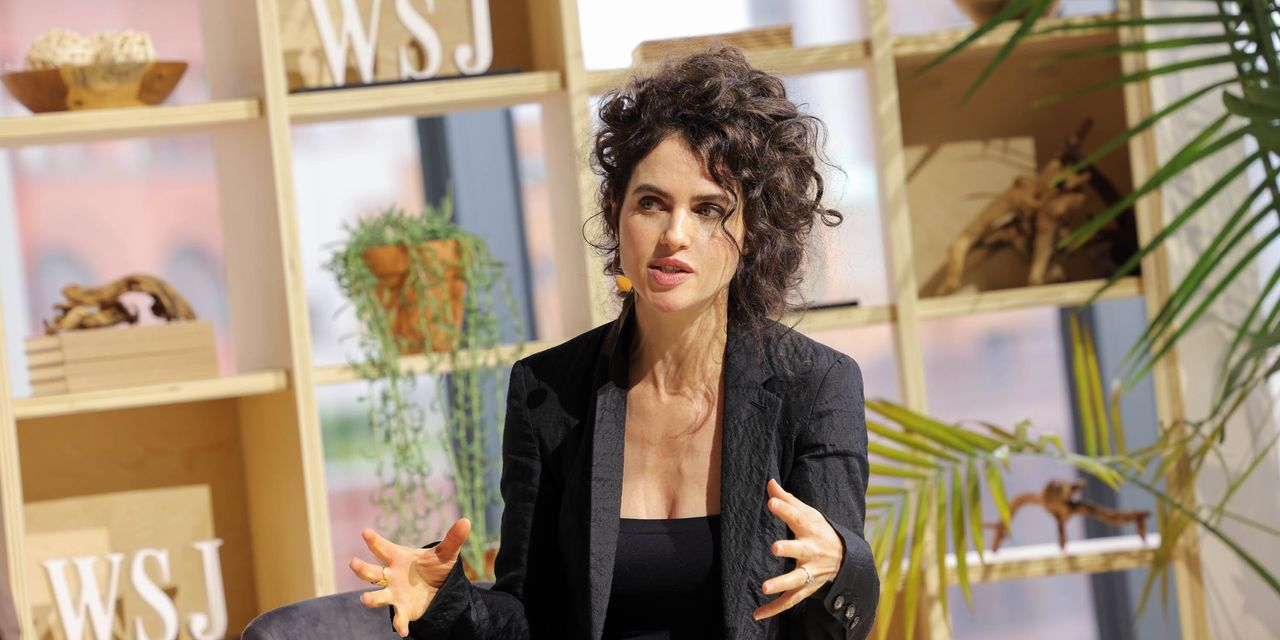
Neri Oxman, an architect and spouse of billionaire Bill Ackman, has issued an apology for plagiarizing parts of her 2010 doctoral dissertation. A Business Insider investigation revealed that Oxman failed to properly quote and cite sources in her work. This incident has brought attention to academic integrity and ethical standards within higher education.
Claudine Gay, the first Black president of Harvard University, resigned amid controversies including accusations of plagiarism and failure to address antisemitism on campus. Her resignation has been seen as a victory by conservative activists who are targeting higher education institutions as part of a broader culture war. These activists aim to dismantle diversity, equity, and inclusion programs and reshape the teaching of history and other subjects in K–12 education. Gay's departure is viewed as part of a larger effort to undermine public faith in education and expertise, with her case highlighting the intersection of academic standards, political pressure, and the ongoing debate over the role of higher education in society.
Claudine Gay, despite resigning as Harvard University's president amid controversies, remains employed as a professor due to her tenured status, which provides significant job security and requires a formal process for revocation. Tenure is designed to protect academic freedom and job stability, making it difficult to fire tenured faculty without cause. The future of tenure is uncertain as the proportion of non-tenured faculty grows, prompting debates over its relevance and sustainability in modern academia.
Claudine Gay has resigned as Harvard University's president amidst controversies including a heated congressional hearing on antisemitism, allegations of plagiarism, and a conservative campaign against diversity, equity, and inclusion (DEI) initiatives. Gay, who was a symbol for DEI in higher education, faced criticism from conservative figures and a tense exchange during a congressional hearing regarding her stance on free speech and handling of antisemitism on campus. Despite the Harvard Corporation's initial support, the accumulation of these issues led to her resignation. Gay will continue as a professor at Harvard, and the university community is now grappling with the implications of her departure on academic integrity and the influence of external political pressures.
Claudine Gay, the first Black female president of Harvard University, resigned following backlash over her congressional hearing testimony on antisemitism and subsequent allegations of plagiarism. Her resignation has sparked discussions within the Harvard community and beyond about the systemic challenges and heightened scrutiny faced by Black women in positions of authority. Despite initial support from over 700 faculty members and the Harvard Corporation, the pressure from conservative activists and the intense scrutiny of her actions led to her stepping down. Gay's situation has highlighted issues of racism and the standards to which Black women leaders are held, raising concerns about the support systems in place for diversity in academia.
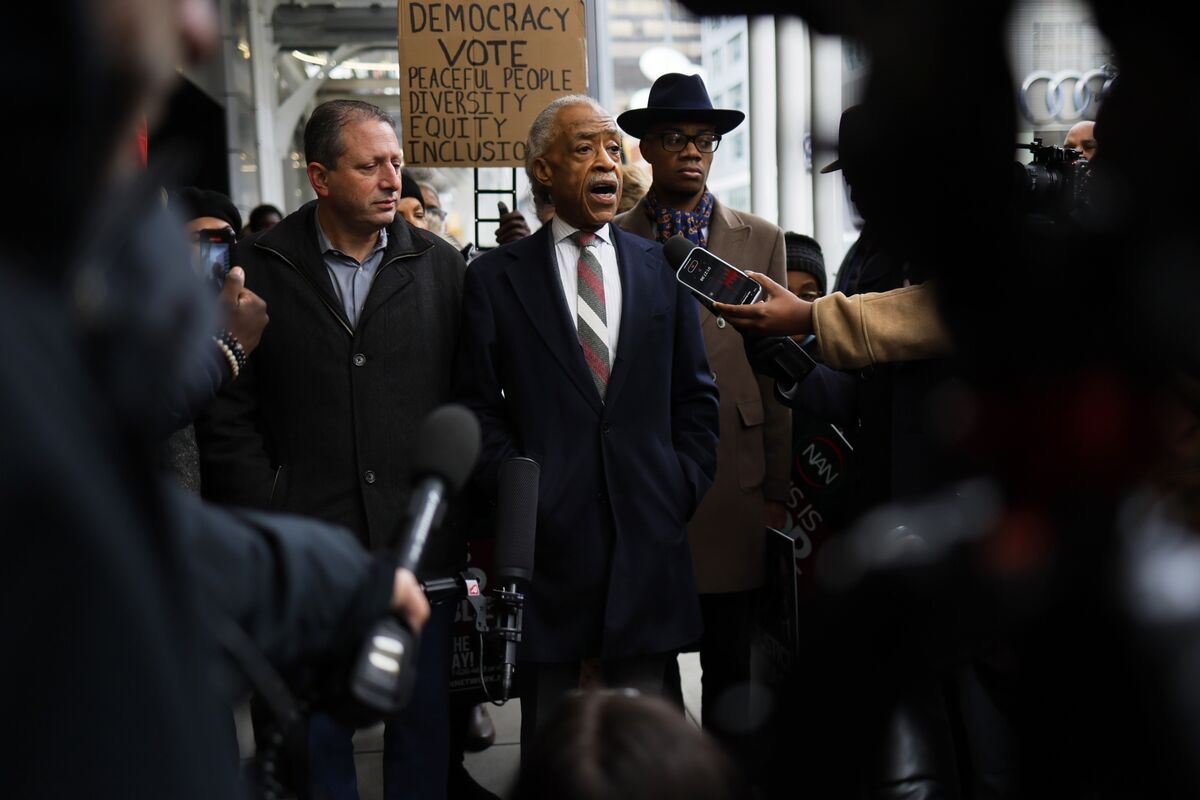
Civil rights activist Al Sharpton led protests at billionaire Bill Ackman's NYC offices following the resignation of Harvard University president Claudine Gay. The protests were in response to Ackman's criticism of Gay and Harvard's diversity initiatives. Sharpton emphasized that Gay's resignation represents a threat to diversity, equity, and inclusion programs nationwide, highlighting the significance of the issue beyond the individual case.
Claudine Gay's resignation as Harvard University President adds to the uncertainty in the college admissions process, particularly in the context of the Supreme Court's stance against affirmative action. The early admission applications for Harvard fell by 17% for the Class of 2028, which could be attributed to the omission of race as a consideration and incidents of antisemitism on campus. Despite these challenges, experts believe Harvard's reputation will recover, and the acceptance rate has slightly increased. Future applicants are expected to be influenced by social justice issues when choosing colleges, indicating a broader trend in higher education.
Former Harvard President Claudine Gay revealed she faced racial slurs and death threats before resigning amid controversy over her congressional testimony on antisemitism and plagiarism allegations. Gay, along with other university presidents, was questioned about the rise of antisemitism on campuses following military actions between Israel and Hamas. Over 70 lawmakers called for the presidents' dismissal due to their responses during the hearing. Gay's resignation was seen by her as part of a broader attack on American institutions.
Claudine Gay, the former president of Harvard University, defended her resignation in a New York Times op-ed, citing her desire to prevent political figures from using her as a tool to attack the university's values. She acknowledged mistakes in addressing antisemitism on campus and faced plagiarism accusations, which she has taken steps to correct. Gay's resignation came after intense scrutiny and political pressure, including racist attacks and death threats. She warns that the campaign against her is part of a larger effort to erode public trust in American institutions.
Former ESPN host Sage Steele criticized Rev. Al Sharpton for his comments defending Claudine Gay's resignation as Harvard University president, suggesting it was an attack on all black women. Steele argued that Gay's resignation was due to character issues, including her handling of antisemitism and plagiarism accusations, rather than her race. Steele expressed frustration with Sharpton's representation of people of color and emphasized the importance of character over skin color, referencing Martin Luther King Jr. Gay will remain on Harvard's faculty despite her resignation.
Claudine Gay, the former president of Harvard University, resigned after controversies surrounding her response to on-campus antisemitism and plagiarism allegations in her academic work. She admitted to mistakes in addressing the actions of Hamas and failed to condemn student groups blaming Israel for a terror attack. Gay faced intense criticism after a congressional hearing and was accused of plagiarism in her 1997 Ph.D. thesis. Despite her resignation, she defended her academic integrity and warned against self-serving agendas influencing college campuses. Her tenure as Harvard's president was notably brief, lasting only six months and one day, and she was the first black person to hold the position.