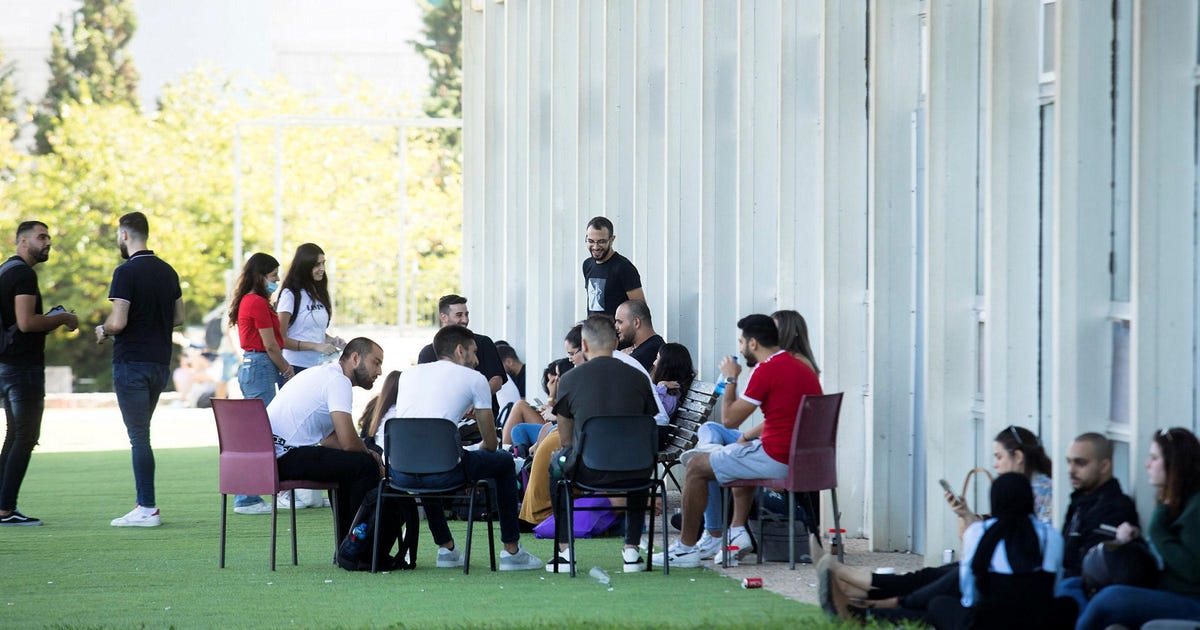
Haifa University in Israel has reversed the suspension of eight students who were previously alleged to have shown support for Hamas on social media. The decision to lift the suspension came after an appeal by Adalah, The Legal Center for Arab Minority Rights in Israel. The university had initially sought to suspend the students citing potential for 'extreme situations' following their posts related to the October 7 attack.
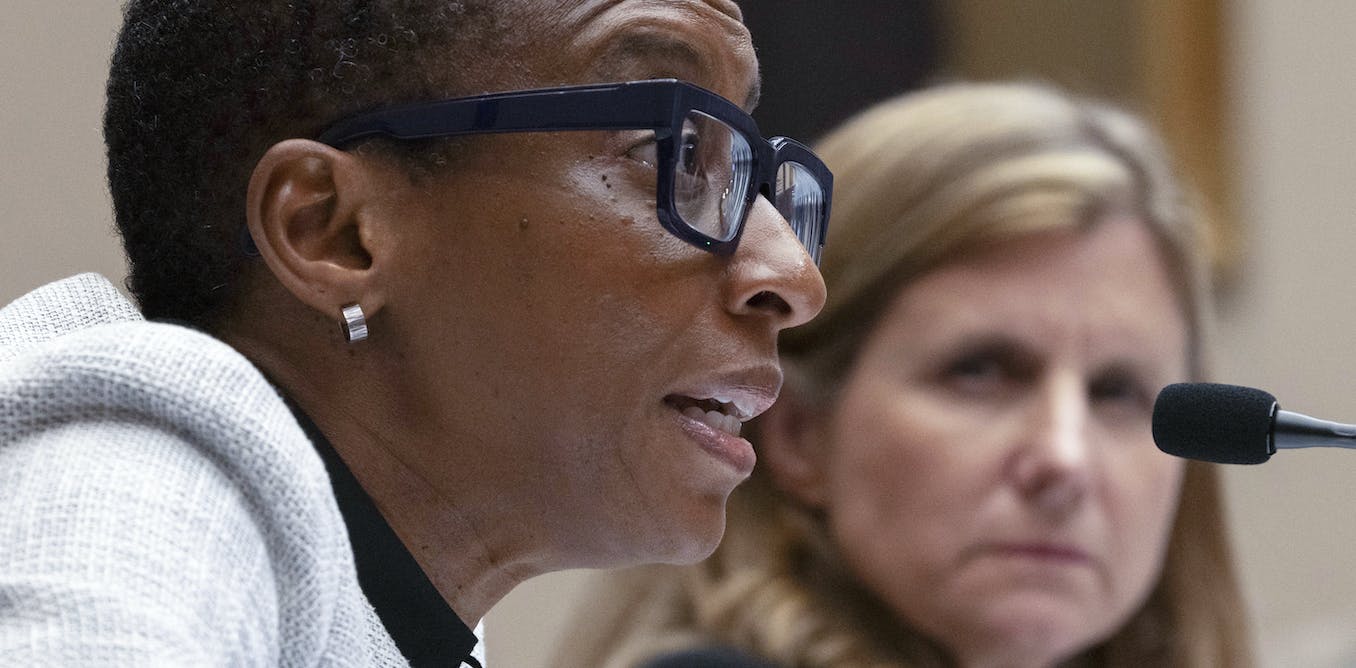
Claudine Gay, despite resigning as Harvard University's president amid controversies, remains employed as a professor due to her tenured status, which provides significant job security and requires a formal process for revocation. Tenure is designed to protect academic freedom and job stability, making it difficult to fire tenured faculty without cause. The future of tenure is uncertain as the proportion of non-tenured faculty grows, prompting debates over its relevance and sustainability in modern academia.
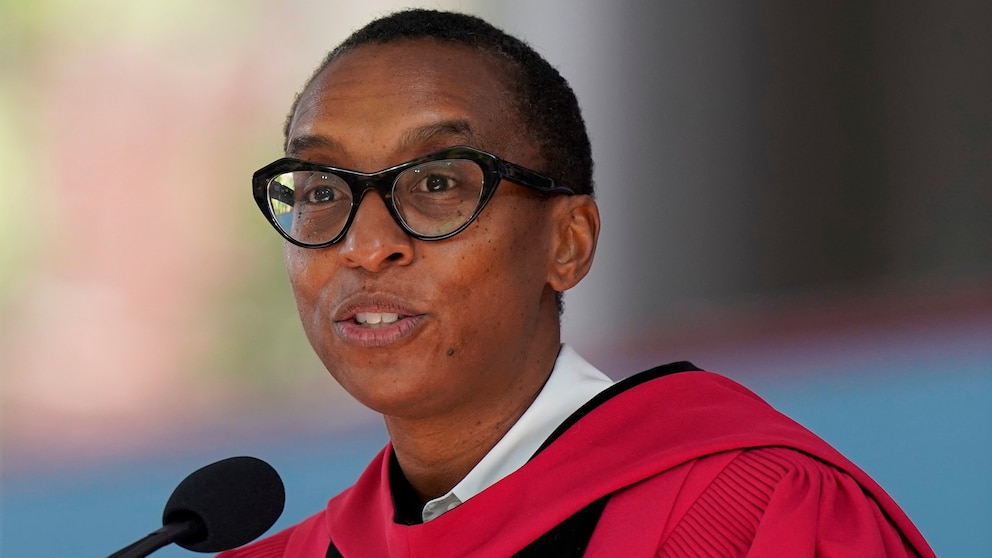
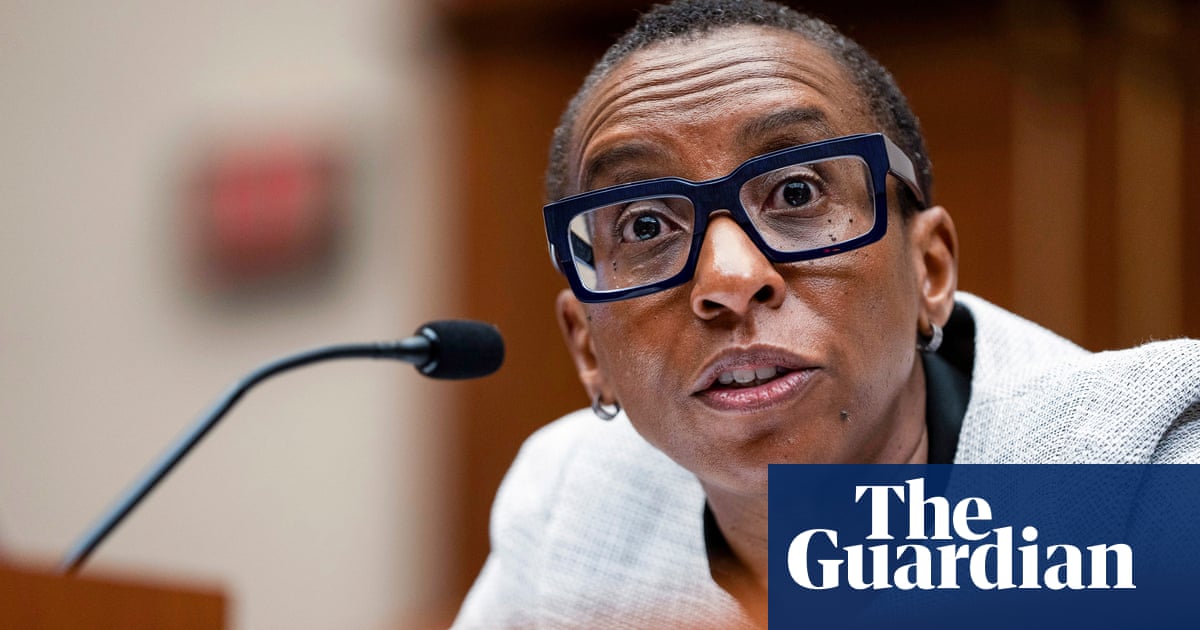
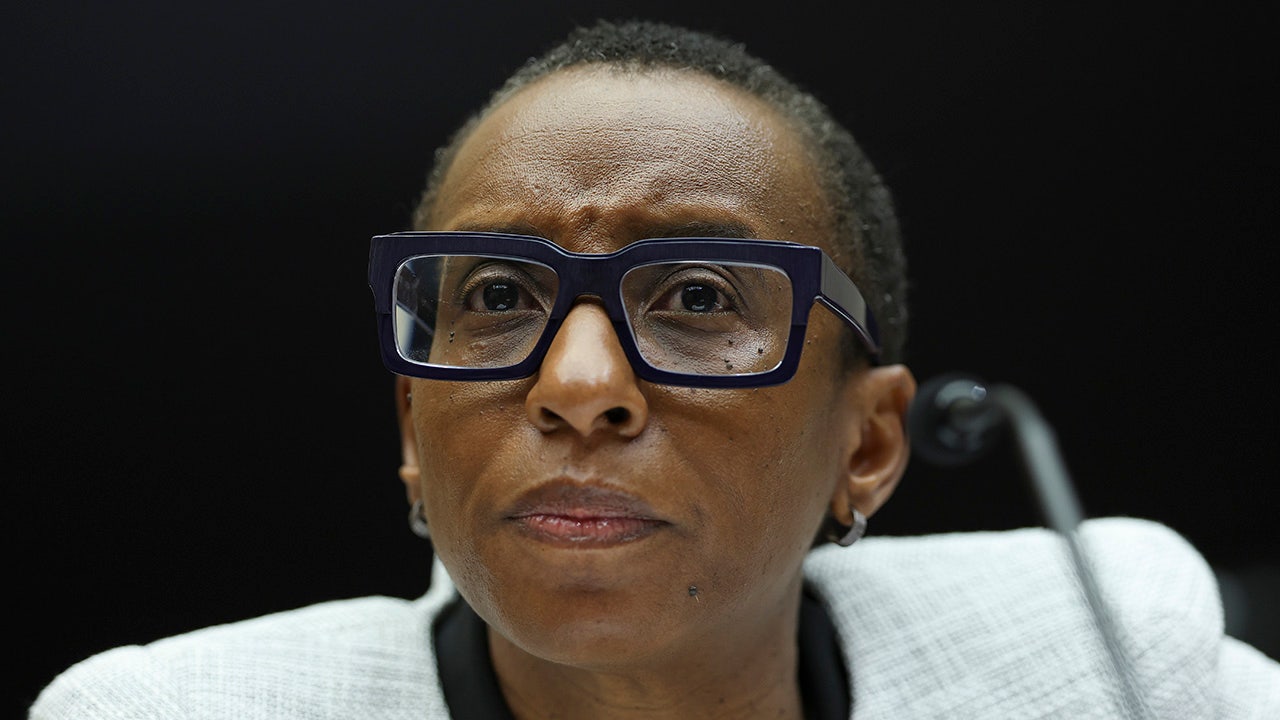
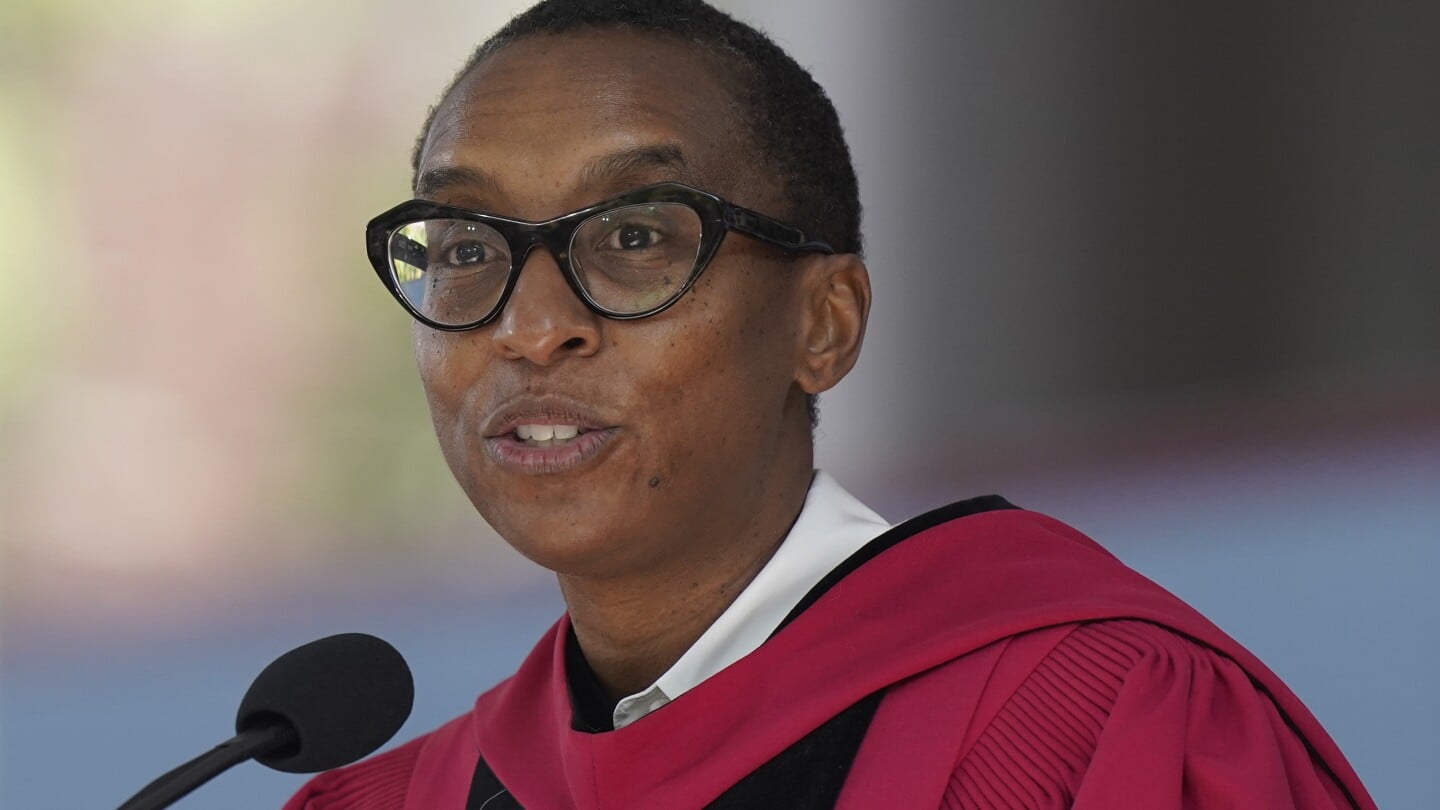
Claudine Gay has resigned as Harvard University's president amidst controversies including a heated congressional hearing on antisemitism, allegations of plagiarism, and a conservative campaign against diversity, equity, and inclusion (DEI) initiatives. Gay, who was a symbol for DEI in higher education, faced criticism from conservative figures and a tense exchange during a congressional hearing regarding her stance on free speech and handling of antisemitism on campus. Despite the Harvard Corporation's initial support, the accumulation of these issues led to her resignation. Gay will continue as a professor at Harvard, and the university community is now grappling with the implications of her departure on academic integrity and the influence of external political pressures.
Claudine Gay resigned as Harvard University's president after a brief six-month tenure amid allegations of plagiarism and a campaign against her that many argue was racially motivated. Her resignation followed intense scrutiny after a congressional testimony on campus antisemitism and subsequent attacks on her character and academic integrity. Supporters, including the NAACP Legal Defense Fund and the Boston University Center for Antiracist Research, have condemned the attacks as racist. The Harvard Corporation has supported Gay, denouncing the racist vitriol directed at her. The incident reflects a broader rightwing effort to challenge diversity, equity, and inclusion initiatives in higher education. Despite her resignation, Gay will continue as a faculty member at Harvard.
Claudine Gay, the president of Harvard University, resigned amid controversies involving alleged plagiarism and accusations of enabling antisemitism on campus. Her resignation followed a period of intense scrutiny and criticism after she provided vague responses during a congressional hearing regarding hate speech against Jewish people. Despite an initial decision by the university's board to support her, a subsequent plagiarism scandal led to her resignation. Public figures have expressed a range of reactions, with some criticizing the university's handling of the situation and others suggesting that racism played a role in the attacks against Gay. She plans to return to teaching at Harvard as a faculty member.
Claudine Gay, the president of Harvard University, resigned amid accusations of plagiarism in her academic work, which surfaced during a conservative-led campaign against her and higher education institutions perceived as liberal. The allegations, which were not initially raised by academic peers but by political adversaries, questioned the integrity of her doctoral dissertation and journal articles. While a Harvard committee found "duplicative language" in her work, it did not deem the errors intentional or reckless. Critics argue that the plagiarism tool can be misused to undermine academia, while supporters of the campaign see it as a victory against what they consider "racialist ideology" in education. The incident has raised concerns about the potential weaponization of plagiarism investigations and the impact on academic freedom.
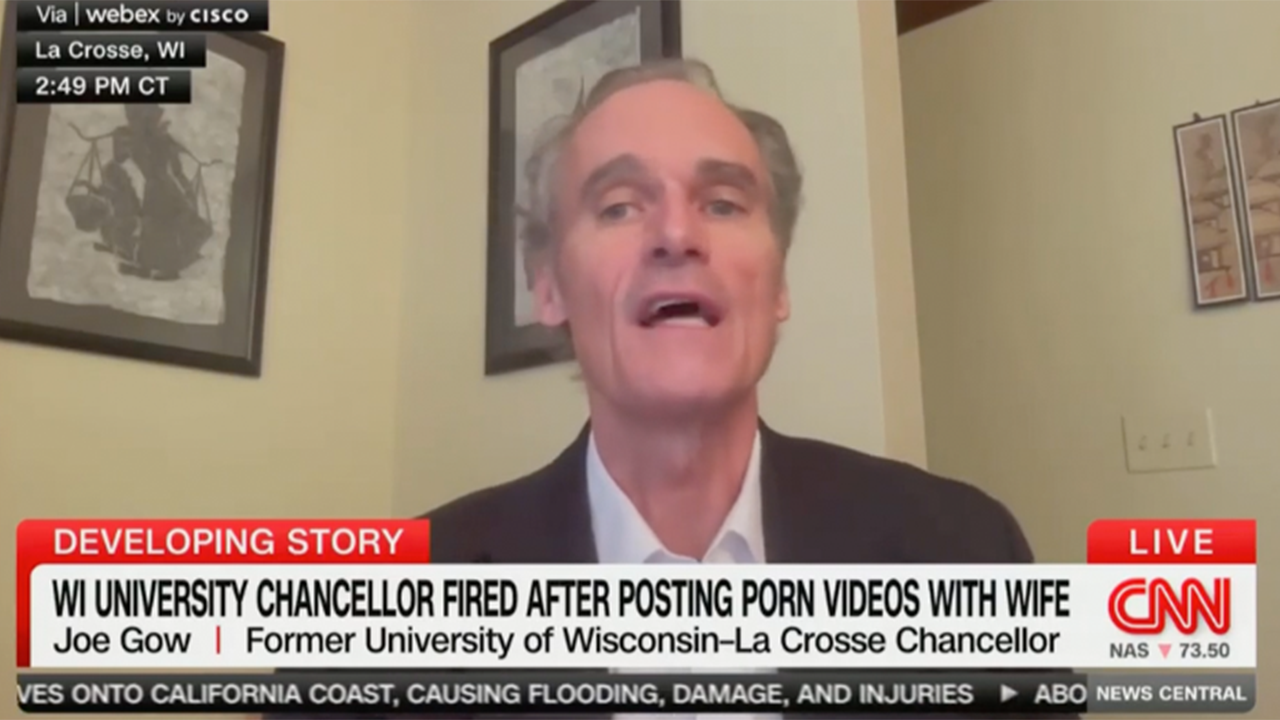
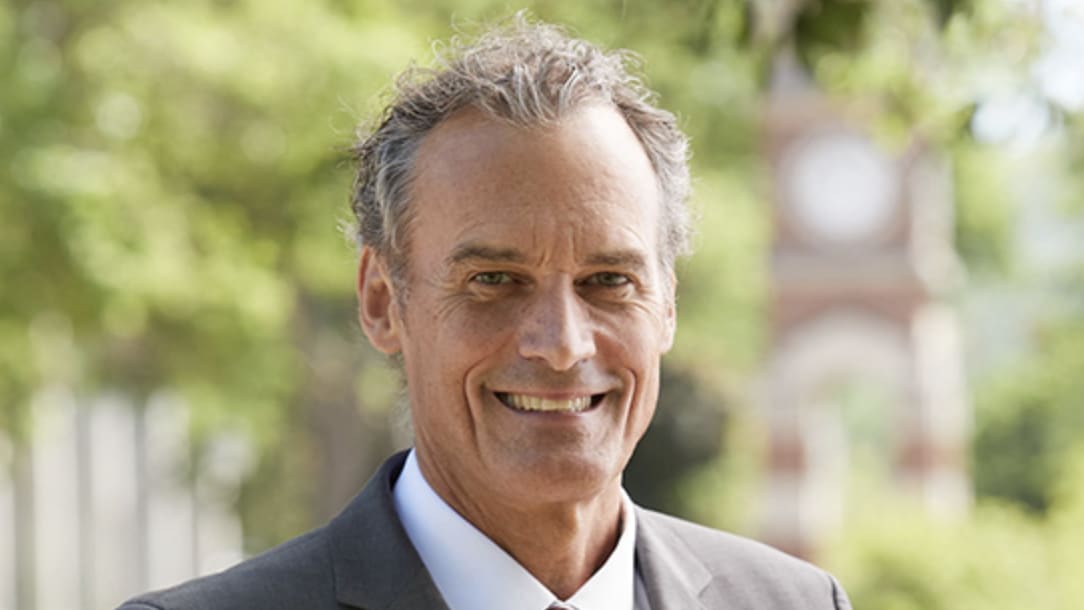
Former University of Wisconsin-La Crosse Chancellor Joe Gow was fired after pornographic videos with his wife surfaced online, which he claims is a violation of his First Amendment rights. The UW Board of Regents unanimously voted to terminate Gow, citing reputational harm to the university. Gow argues that he was given no due process and that his actions are protected under the principles of free speech and academic freedom. The university has not responded to requests for comment on the matter.
Joe Gow, the chancellor of the University of Wisconsin-La Crosse, was fired after it was revealed that he and his wife had been participating in and producing pornographic content. Students and alumni have expressed support for Gow, emphasizing his right to privacy and his contributions to the university. Gow, who had already planned to retire and return to teaching, is now considering legal action with the support of First Amendment attorneys. A petition and merchandise have surfaced advocating for his reinstatement, highlighting the polarized views on the matter.