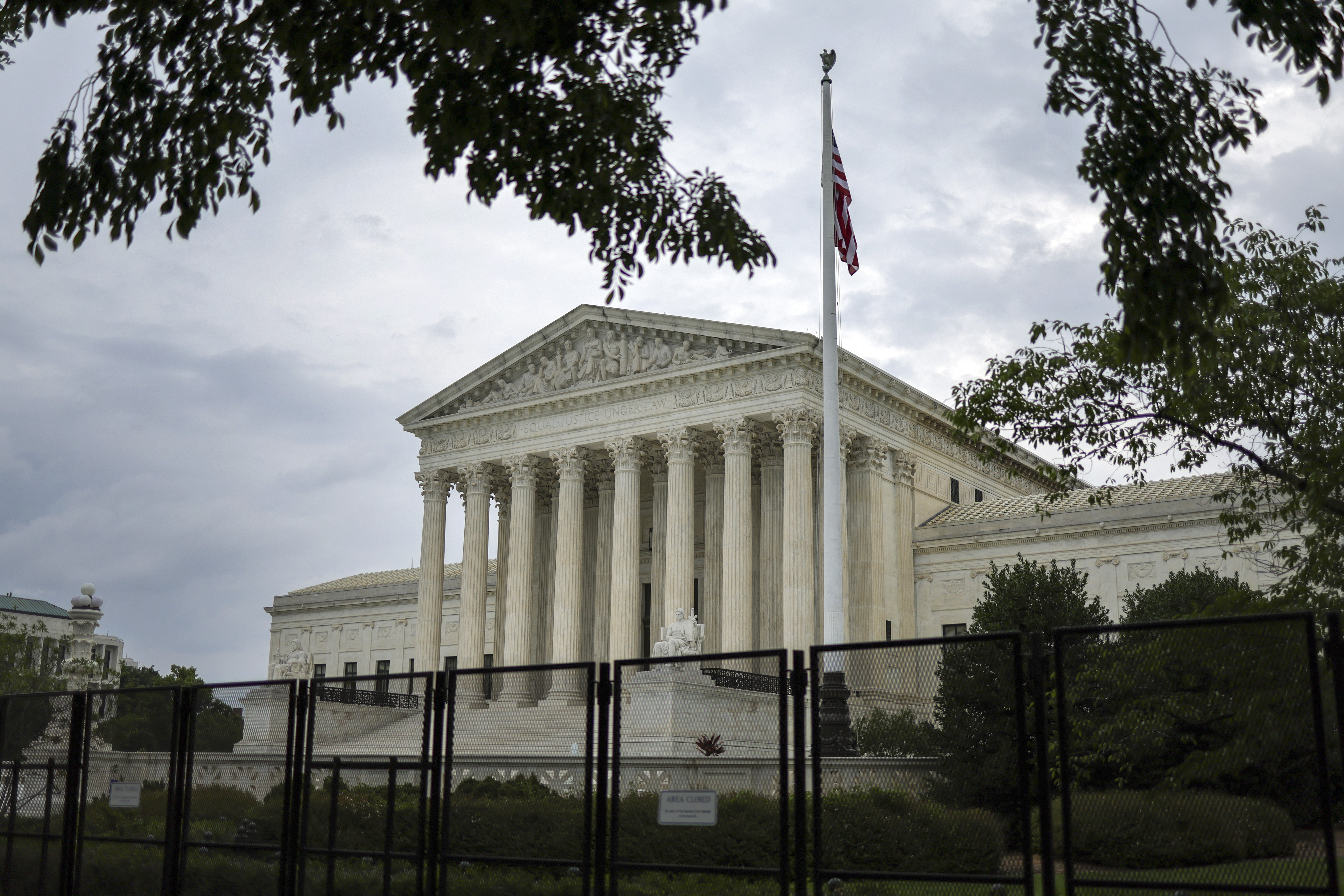
Following the Supreme Court's decision to end race-based affirmative action in higher education, DEI (Diversity, Equity, and Inclusion) programs in the workplace are facing increased legal challenges. The article suggests that DEI efforts will not be completely halted but will evolve to meet new legal standards. To mitigate legal risks while still promoting a just workplace, companies are advised to proactively adapt their DEI strategies. The authors provide criteria to identify high-risk DEI programs and offer solutions for organizations to navigate the changing legal landscape effectively.
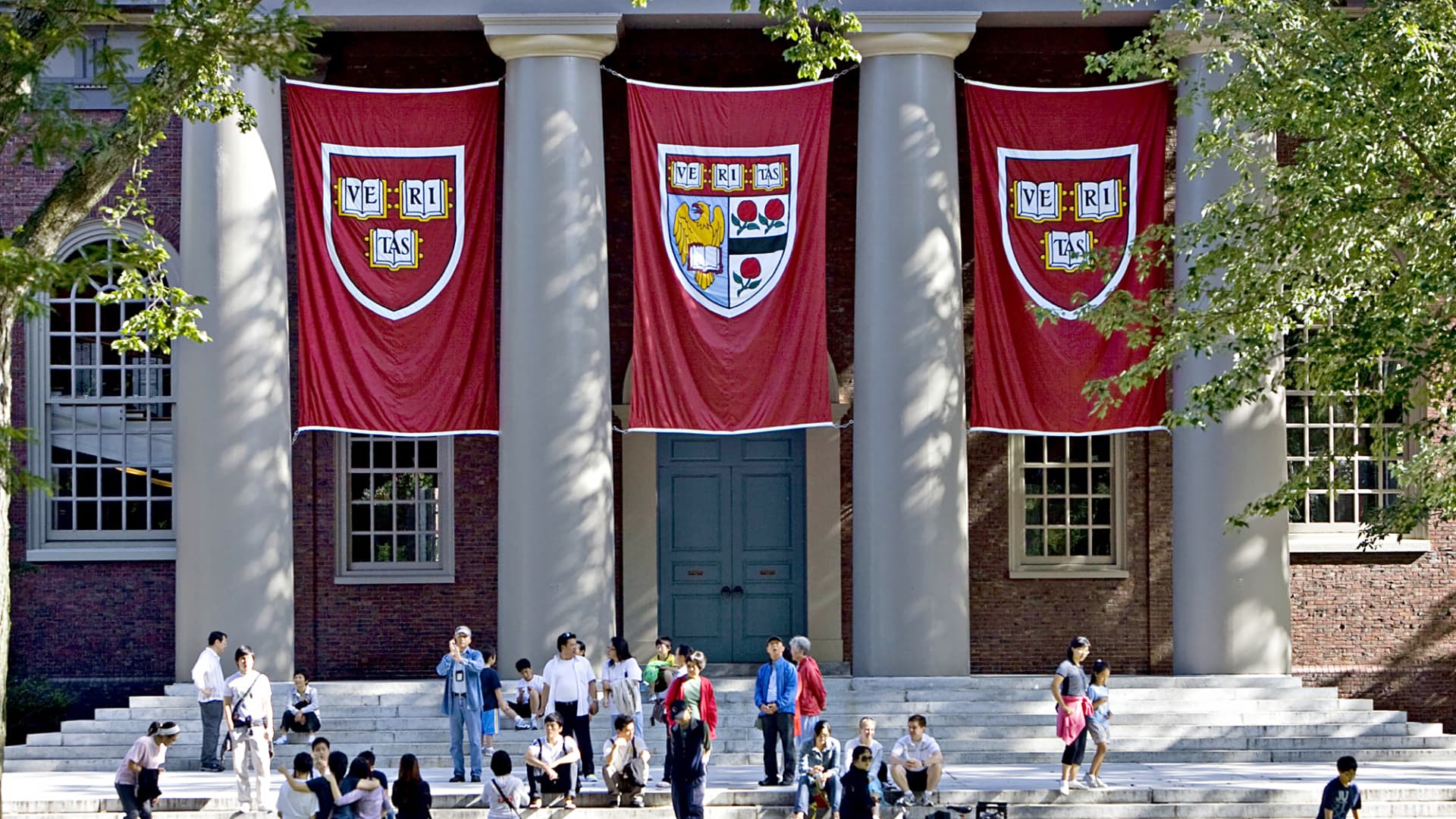
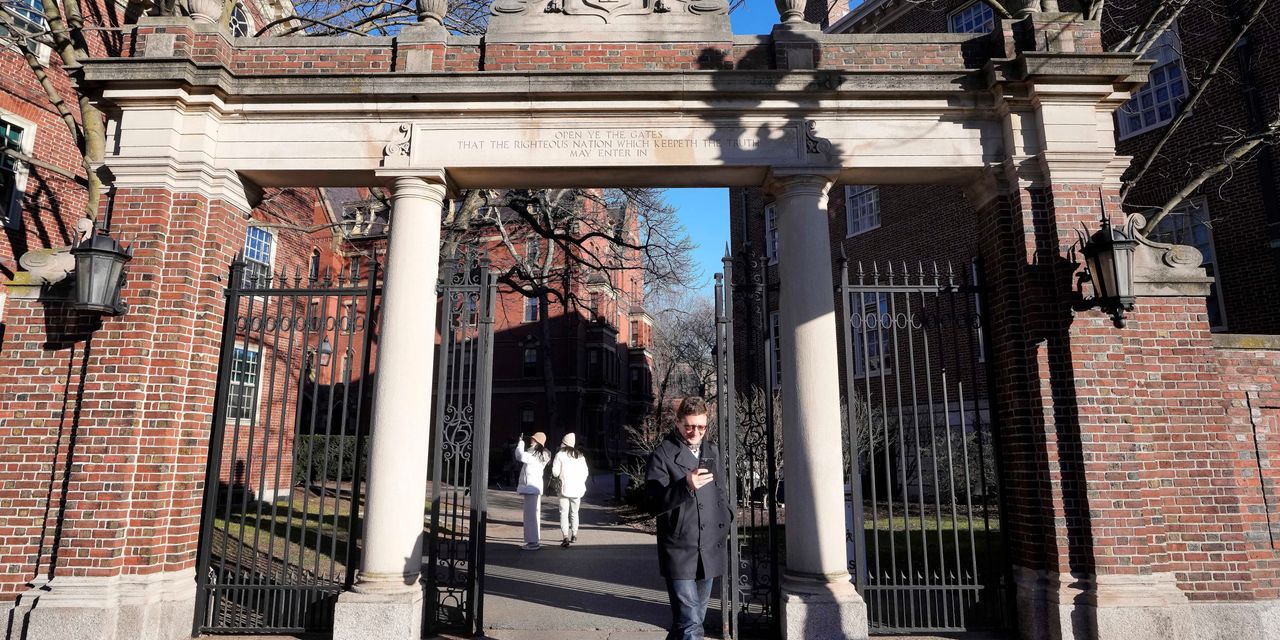
Claudine Gay's resignation as Harvard University President adds to the uncertainty in the college admissions process, particularly in the context of the Supreme Court's stance against affirmative action. The early admission applications for Harvard fell by 17% for the Class of 2028, which could be attributed to the omission of race as a consideration and incidents of antisemitism on campus. Despite these challenges, experts believe Harvard's reputation will recover, and the acceptance rate has slightly increased. Future applicants are expected to be influenced by social justice issues when choosing colleges, indicating a broader trend in higher education.
Diversity, Equity, and Inclusion (DEI) initiatives at colleges and companies are facing challenges due to a Supreme Court ruling against affirmative action, economic cutbacks, and controversies over responses to antisemitism, including the resignation of Harvard University President Claudine Gay. These factors have led to a reevaluation of DEI programs and their effectiveness in encompassing all student demographics.
The Supreme Court is expected to end affirmative action in college admissions, which has been a priority for decades. If race-conscious admissions fall, better-resourced schools are expected to use household incomes, ZIP codes, targeted recruiting programs, and other indirect methods to prop up their commitment to diversity. The decision hinges on two cases where Students for Fair Admissions is challenging race-conscious practices at Harvard and the University of North Carolina at Chapel Hill. The ruling could affect gender-focused programs as well. College admissions officers across the country are brainstorming ways to preserve diversity on campus if they can't use race. Congress may have to address admissions barriers for underrepresented students if the Supreme Court strikes down the use of race in college admissions.