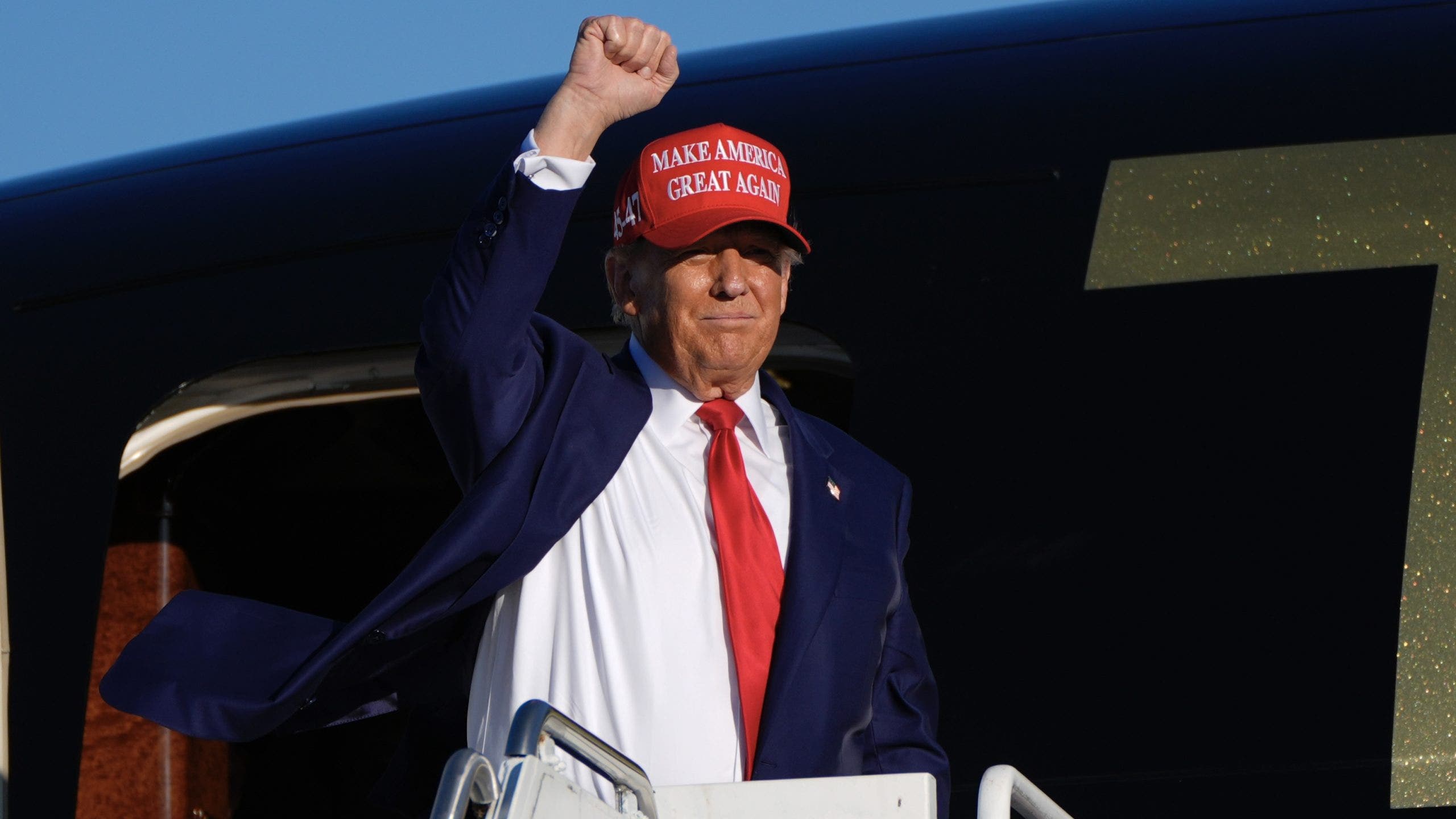
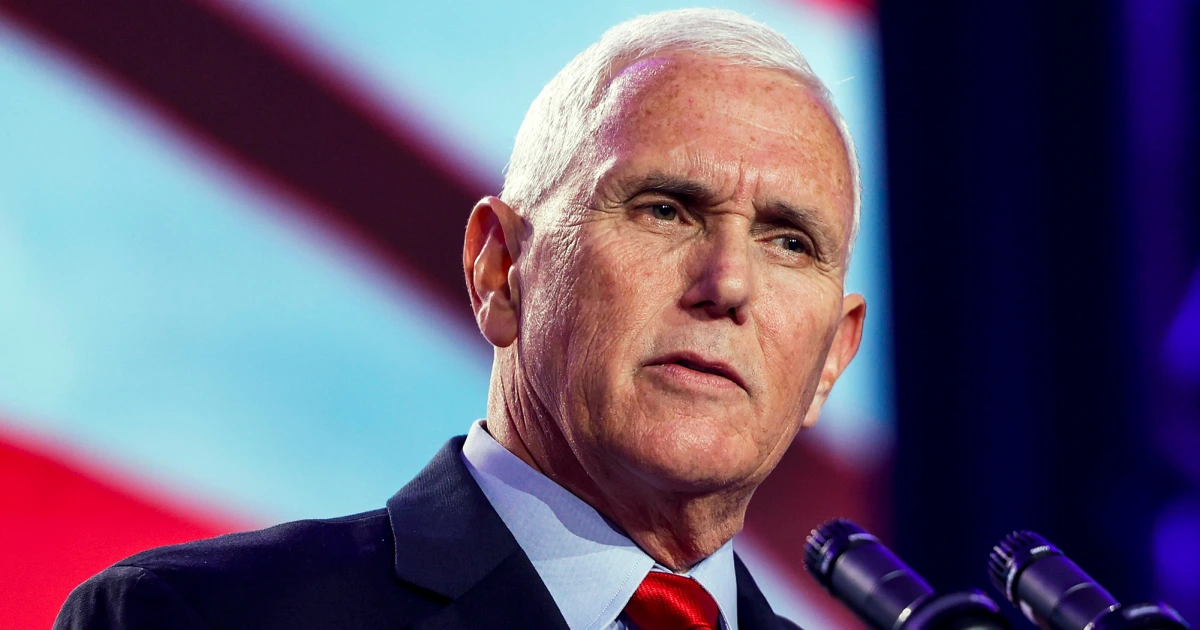
John Thune, Senate Republican leader, is strategizing for the 2026 midterms by aligning closely with Trump, influencing GOP primaries, and focusing on key Senate races in states like North Carolina, Georgia, Iowa, and Texas, while also addressing potential challenges such as candidate selection and political controversies.
John Thune discusses his 2026 Senate strategy, emphasizing coordination with Trump, candidate selection, and key races in North Carolina, Georgia, Iowa, and Texas, while also addressing potential challenges and political dynamics within the Republican Party.
Senate Republican leader John Thune is coordinating closely with Donald Trump for the 2026 midterms, focusing on candidate selection and primary challenges in key states like North Carolina, Georgia, Iowa, and Texas, while also addressing potential issues such as government shutdowns and political controversies.
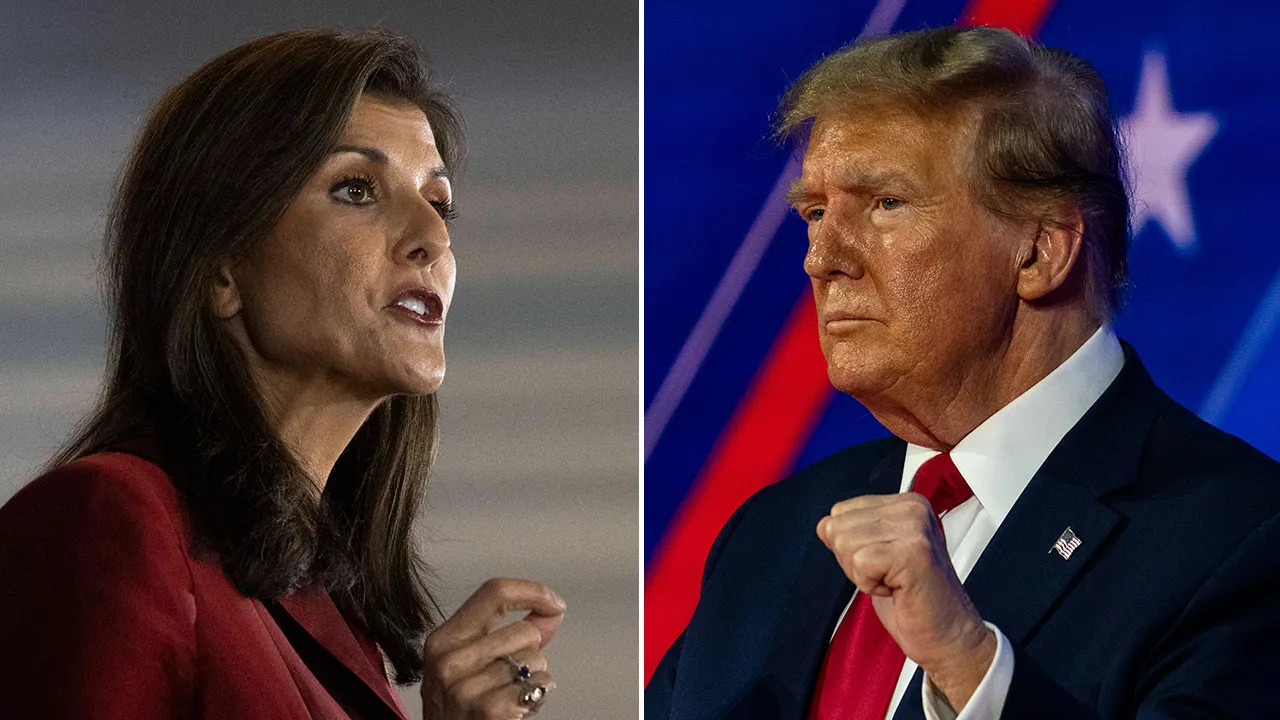
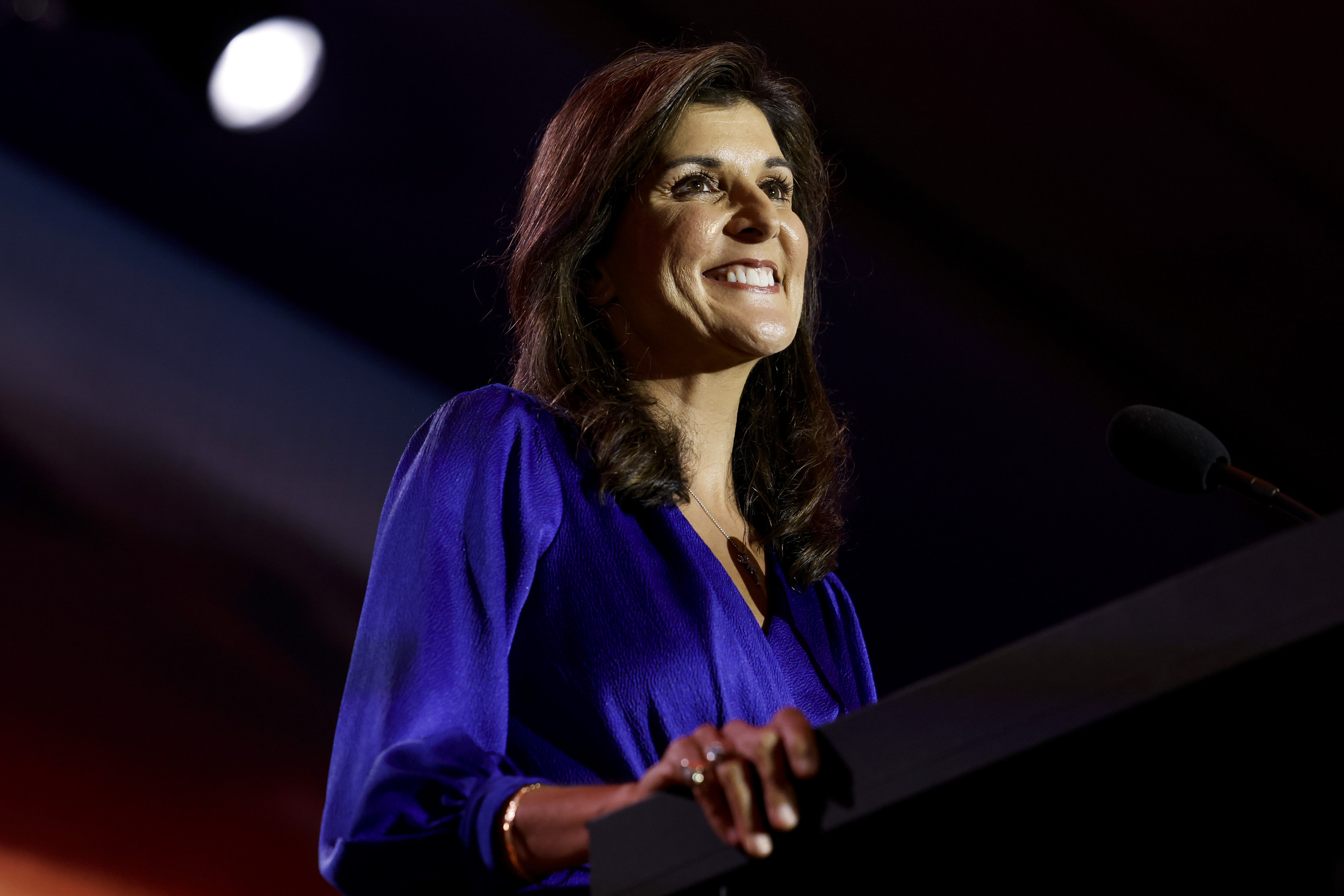
Former President Trump predicts that Nikki Haley, his former GOP primary rival, will join his team in some capacity as he faces President Biden in the 2024 election. Despite a contentious primary, Haley has stated she will vote for Trump, citing Biden's failures. Trump appreciates her support and believes the party is united.
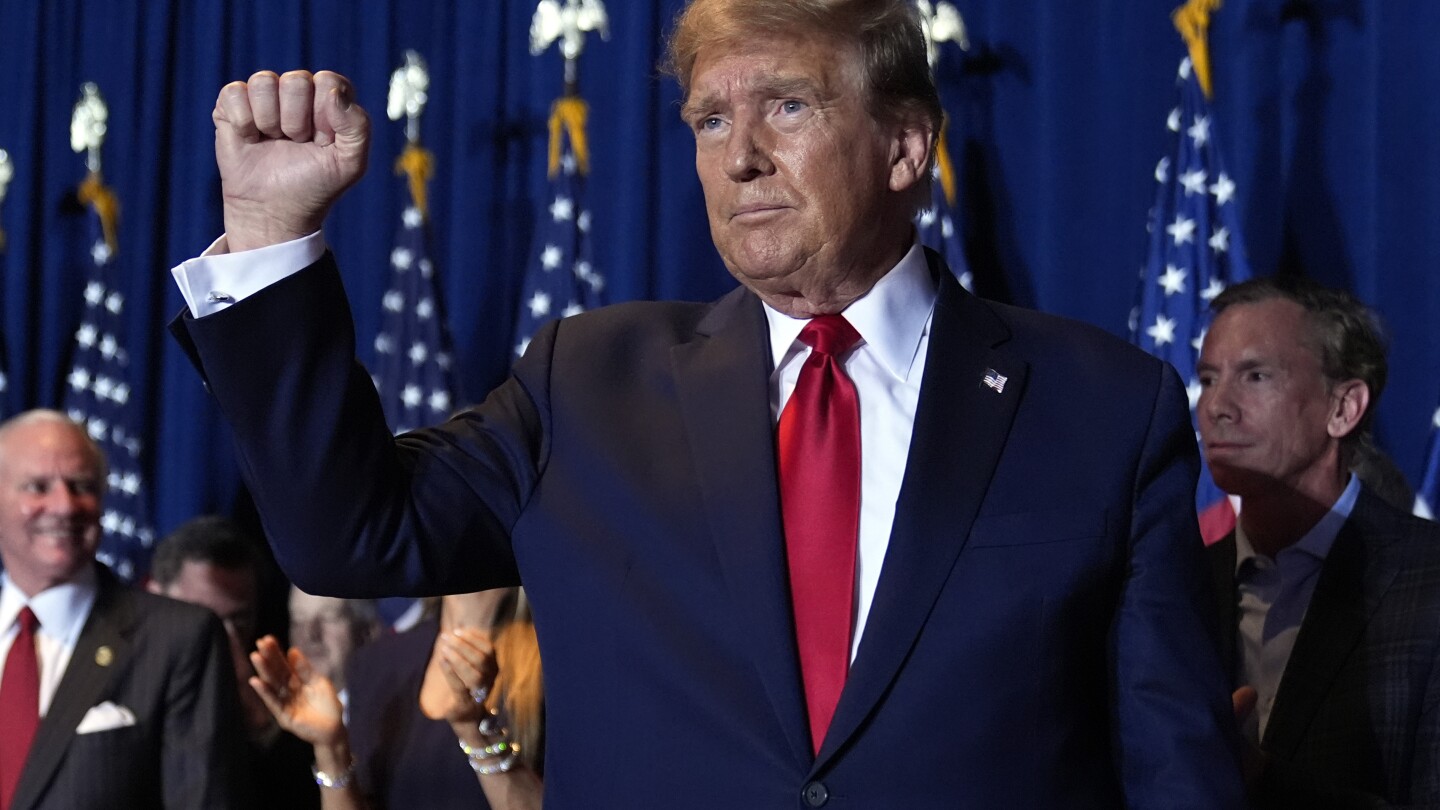
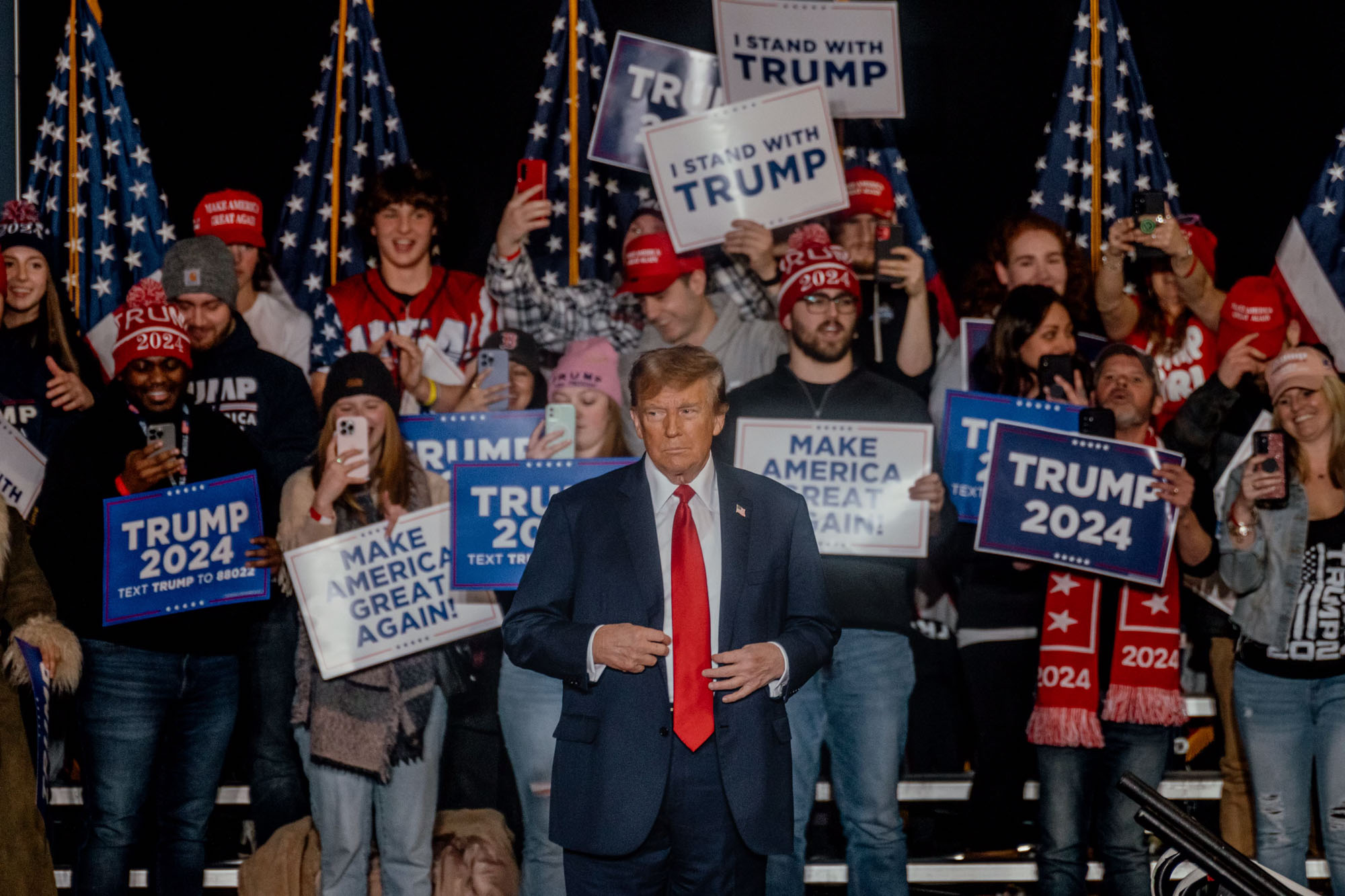
In Tuesday's primaries, candidates endorsed by former President Trump won key GOP contests, highlighting his continued influence within the party. Conversely, progressive candidates faced setbacks in Democratic primaries, with establishment-backed candidates prevailing in Oregon.
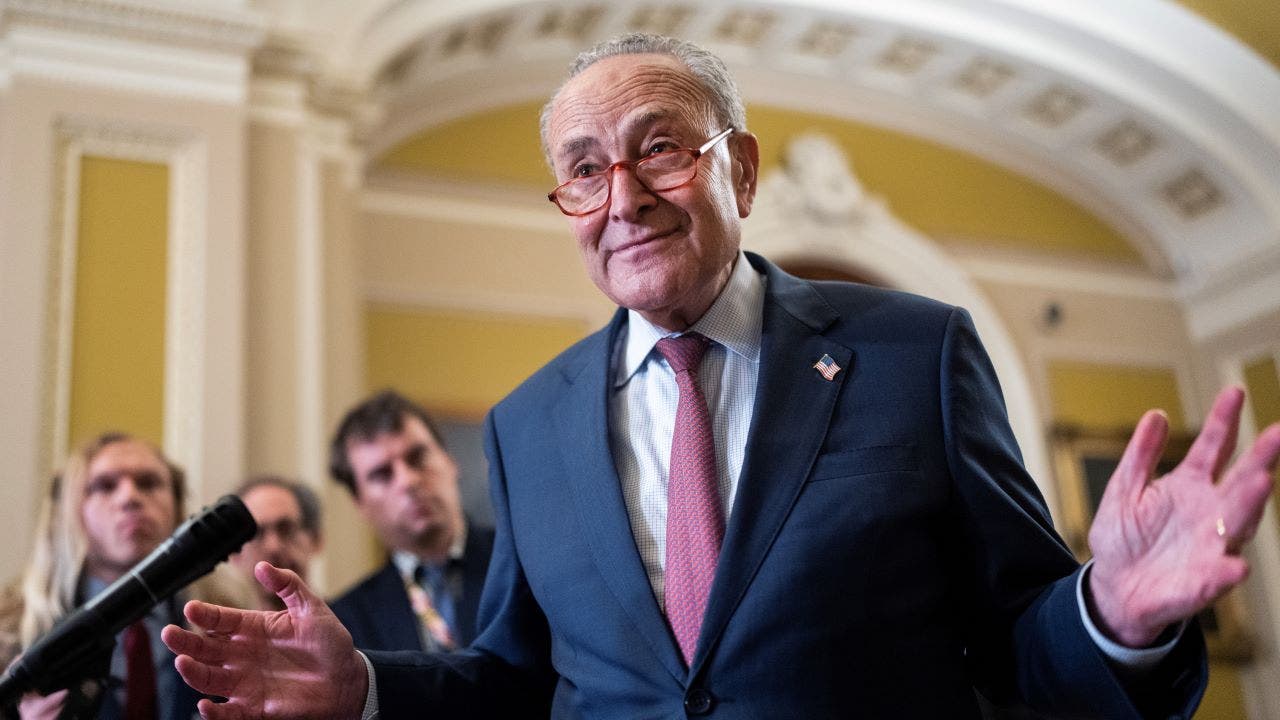
Groups aligned with Senate Majority Leader Chuck Schumer, such as the Senate Majority PAC and Majority Forward, have been involved in meddling in several Republican primaries by using other groups to conceal their involvement until after the primaries. They have targeted swing states by boosting candidates supported by former President Trump, likely viewing them as more prone to lose to their Democrat Senate candidate in the general election. This controversial approach has drawn scorn from Republicans, while Democrats have defended the tactic as a strategy that has brought them multiple victories.
Taylor Swift used her Instagram platform to encourage people to vote on Super Tuesday, reminding them to choose representatives who align with their values. She included a link to vote.org for polling station information. Swift has become increasingly vocal about political issues, advocating for LGBTQ rights, racial justice, and urging her followers to vote. Super Tuesday involves GOP primaries in 15 states and Democratic primaries in all but Alaska, with former President Donald Trump leading the Republican nomination race and President Joe Biden as the leading contender for the Democratic nomination.
Despite Donald Trump's strong support in the Republican primaries, there are signs that he may struggle to broaden his appeal for the general election. His base consists mainly of white, older, and non-college-educated voters, while potential supporters of former U.N. Ambassador Nikki Haley are limited within the GOP. The Republican Party has shifted towards favoring big government programs and retreating from foreign commitments, reflecting Trump's influence. However, Trump faces challenges in appealing to a more diverse electorate and winning over voters who did not support him in previous elections, as well as potential legal issues.
Despite Donald Trump's strong support in the Republican primaries, there are signs that he may struggle to broaden his appeal for the general election. His base consists mainly of white, older, and non-college-educated voters, which may not reflect the electorate he needs to win over in November. Former U.N. Ambassador Nikki Haley's limited traction in the primaries may foreshadow challenges for Trump, and the Republican Party's shift towards big government programs and less intervention abroad reflects Trump's influence. While Trump's base remains loyal, he faces potential weaknesses with moderates, liberals, and suburban voters, as well as opposition from a significant portion of Republican voters who won't back him in the general election.
Donald Trump is poised for a significant victory in the New Hampshire GOP primary, potentially driving his last remaining opponent out of the race. Meanwhile, the Democratic primary results in New Hampshire remain uncertain, with varying polls showing different leads for Joe Biden. Israeli officials have offered Hamas a plan for a ceasefire and the release of captives in Gaza, while the U.S. and British forces have struck new Houthi sites in Yemen.
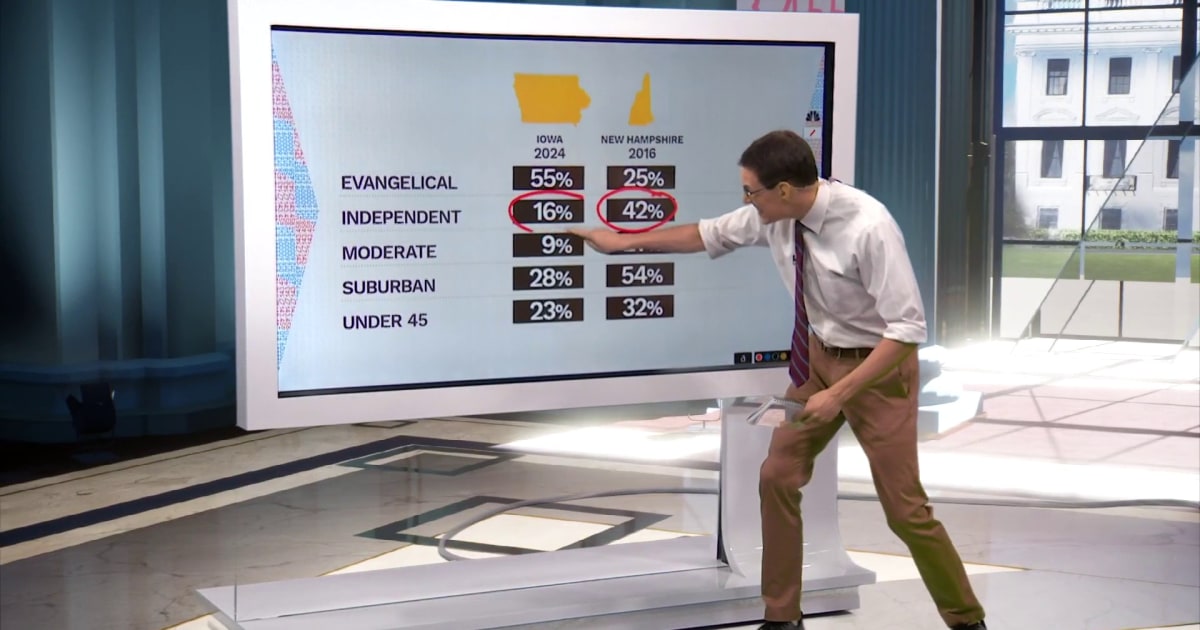
Steve Kornacki explains the significance of the independent electorate in New Hampshire, highlighting its impact on the state's primary elections and its potential influence on the GOP primaries and Iowa caucuses.
Some Democrats are planning to register as Republicans and vote in GOP primaries in order to influence the outcome of the 2024 election. This strategy, known as crossvoting, allows Democrats to support a rival they want their candidate to face or back a more moderate Republican in seats Democrats have little chance of winning. The impact of this strategy depends on varying primary rules state by state, but it has the potential to shape the outcomes of GOP primaries and potentially disrupt frontrunner Donald Trump's campaign. However, critics warn that this strategy may fuel partisan antagonism and polarization, and could have unintended consequences for the Democratic Party.
Former South Carolina Governor Nikki Haley's campaign for the Republican nomination is gaining traction, with strong debate performances and endorsements. While she faces a significant challenge from frontrunner Donald Trump, who maintains a substantial lead in national polls, Haley has a chance to win the nomination due to a tied delegate count. To secure victory, she will need strong showings in critical primary states like Iowa, New Hampshire, and South Carolina. However, defeating Trump in her home state poses a significant challenge, as he holds significant influence and support there. Haley's success will depend on consolidating anti-Trump votes and building a coalition of voters.
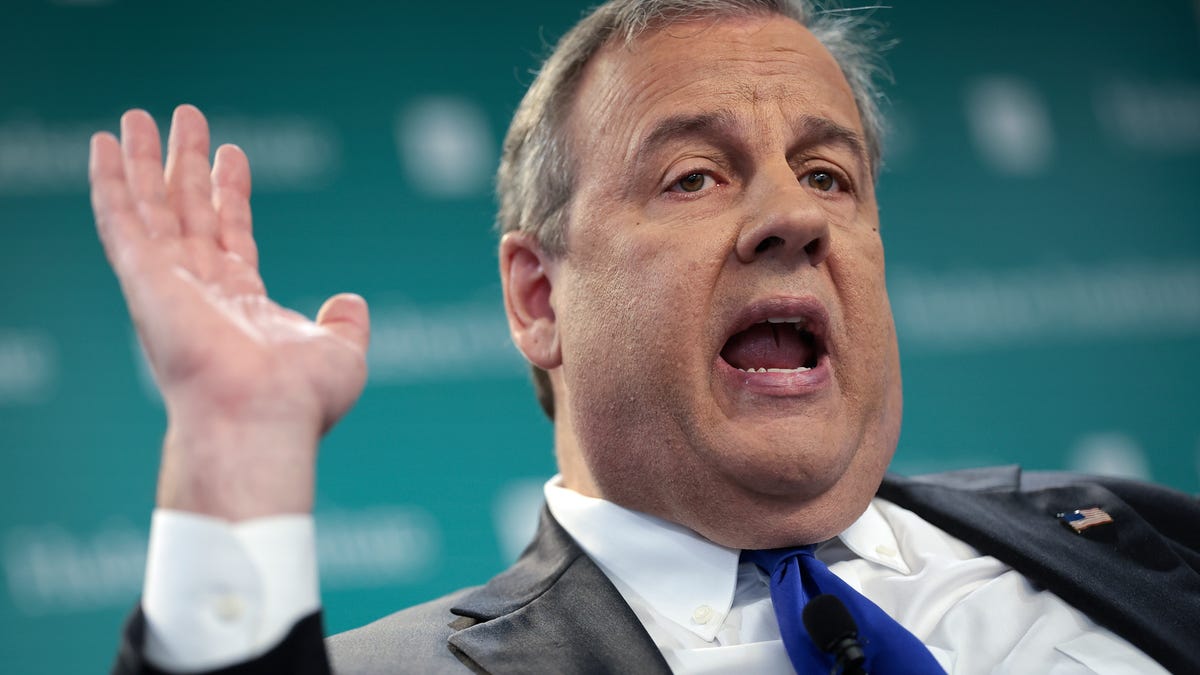
Former New Jersey Gov. Chris Christie criticized former President Donald Trump, saying he "acts like someone who wants to be a dictator" and doesn't care about democracy or the Constitution. Christie also took aim at other Republican presidential candidates, including Florida Gov. Ron DeSantis and entrepreneur Vivek Ramaswamy. He highlighted his refusal to support Trump in the 2024 GOP primaries and emphasized the need for decency and civility in politics.
Former Vice President Mike Pence's 2024 campaign is facing financial strain, with $620,000 in debt and only $1.2 million cash on hand. Pence's fundraising numbers raise concerns about his ability to compete in the GOP primaries, as accumulating debt is often a sign of a struggling campaign. In comparison, his rivals, such as Nikki Haley and Ron DeSantis, have significantly larger campaign funds. Pence's limited cash position may hinder his campaign's activities, and a portion of his funds is not usable until the general election. With the upcoming Republican primary debate, Pence may face challenges in meeting the criteria for participation. Despite running on traditional conservative values, Pence's poll numbers have stagnated, and his party seems to have shifted in a different direction.