Netflix canceled the controversial animated revival of the classic sitcom Good Times after one season due to widespread backlash and accusations of racism, marking a disappointing end to the series' attempt to modernize the beloved original.
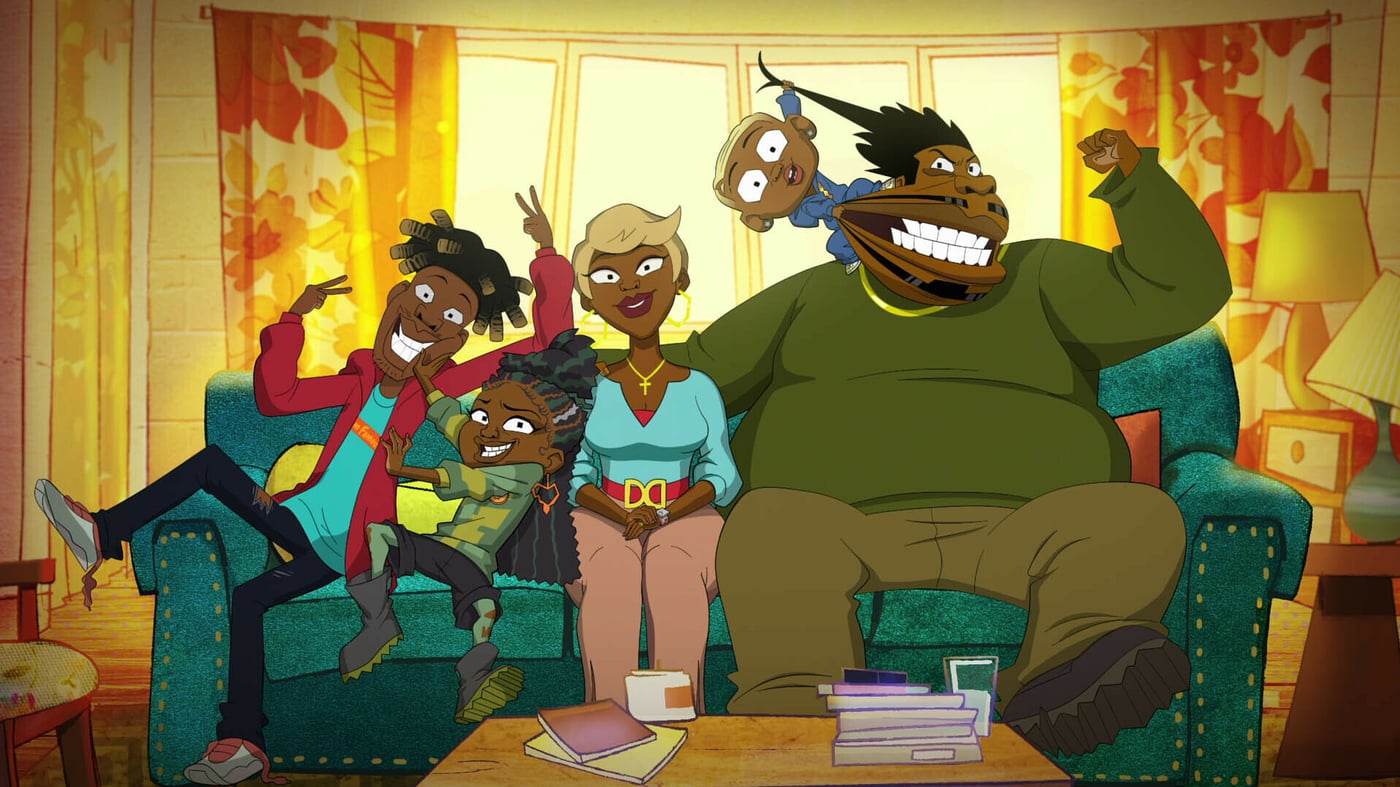
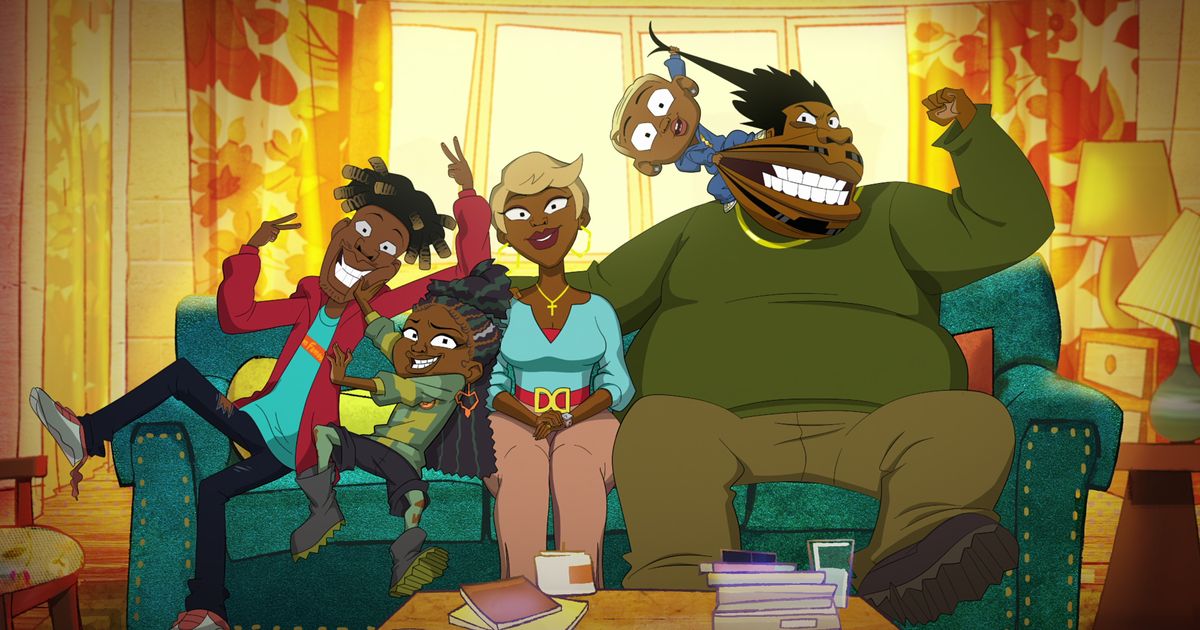
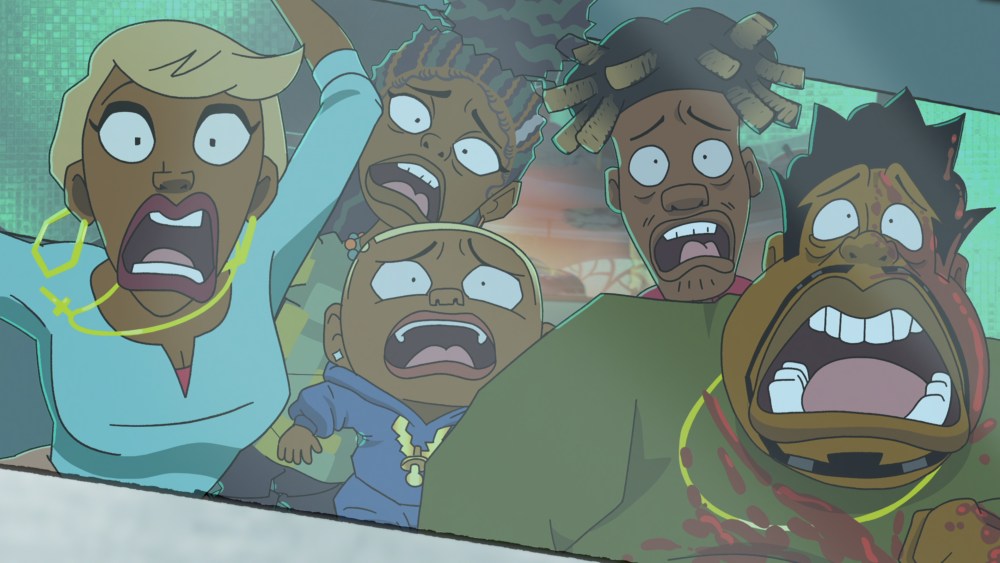
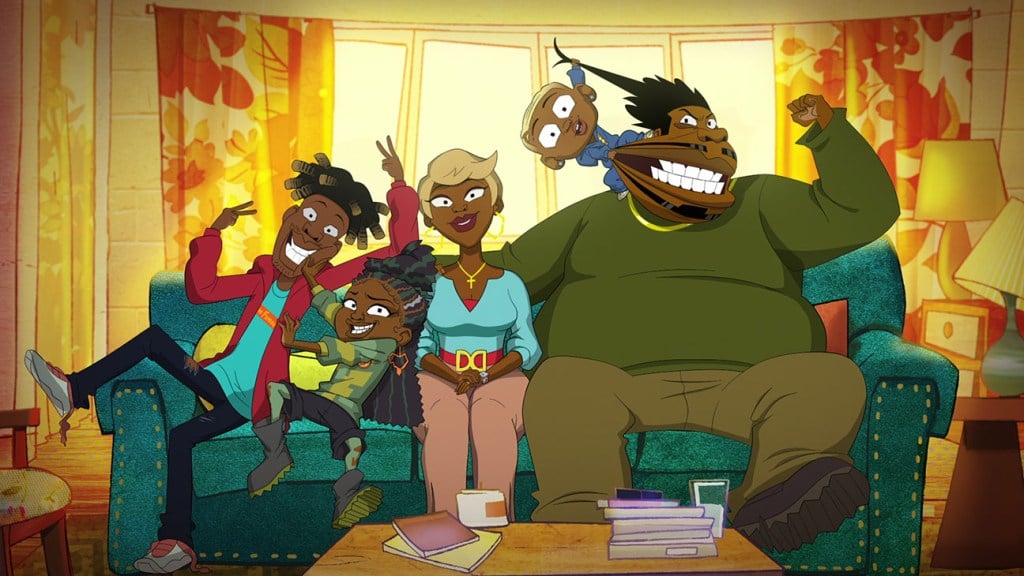
Netflix's animated series revival of Good Times has sparked controversy for its explicit and stereotypical portrayal of the Evans family, with critics accusing it of being calculated to offend. The show, described as a "spiritual sequel," features the fourth generation of the original series' family living in a Chicago housing project, but its edgy content and jarring imagery have drawn criticism from viewers and organizations like the NAACP. While the new show attempts to address important issues, it struggles to capture the same mission and pride that made the original series a television landmark, leaving some longtime fans disappointed.
The "Good Times" reboot, an animated series on Netflix, has received widespread criticism for its offensive and stereotypical portrayal of Black characters and themes. The show, featuring a new generation of the Evans family, has been heavily panned for its lack of humor, reliance on stereotypes, and overall disconnect from the original series, leading to disappointment and frustration among viewers and critics alike.
The animated reboot of "Good Times" on Netflix has received criticism for its mind-numbing portrayal of Black characters and outdated stereotypes. The series, set in present-day Chicago, follows the Evans family two generations after the original show, but has been panned for its repetitive stereotypes, stale jokes, and lack of humor. Despite a few interesting components, the reboot fails to infuse relevance and wit into its storytelling, ultimately missing the mark in connecting with a 21st-century audience.
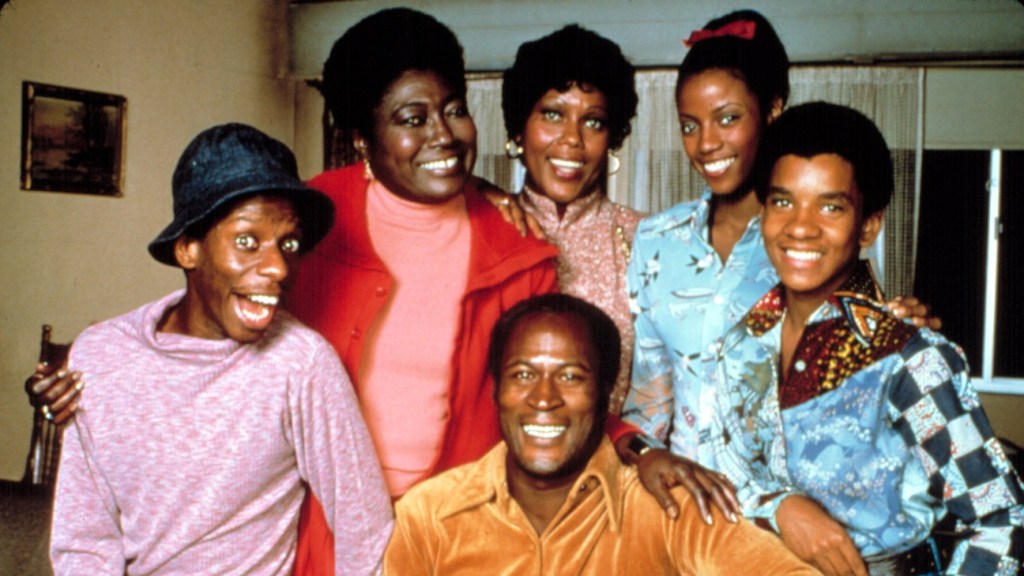
The original cast of "Good Times" has reacted to the trailer for Netflix's upcoming animated reboot, with John Amos and BernNadette Stanis expressing reservations about the new project. Amos, who played patriarch James Evans, believes it will be challenging for the new series to match the high quality and educational value of the original show. Stanis, known for her role as Thelma, acknowledges that some fans may be confused by the new series not prominently featuring the original cast. The animated reboot, set to launch on April 12, has sparked a divisive response on social media, with some questioning its portrayal of the Evans family.
Netflix has released a raunchy R-rated trailer for its upcoming animated reboot of the beloved sitcom Good Times, offering a new look at the Evans family through the eyes of exec producer Seth MacFarlane and showrunner Ranada Shepard. The series features a star-studded voice cast and is set to debut on April 12, with the late Norman Lear credited as an exec producer. The 10-episode first season will follow the latest generation of the Evans family as they navigate life in one of the last remaining housing projects in Chicago.
Ranada Shepard has been announced as the showrunner and co-creator of the animated reboot of "Good Times" on Netflix. The voice cast will include JB Smoove, Yvette Nicole Brown, Jay Pharoah, Marsai Martin, Slink Johnson, and Rashida "Sheedz" Olayiwola. The series follows the fourth generation of the Evans family living in a Chicago housing project, facing the challenges of life and love. The release date is targeted for Summer 2024.
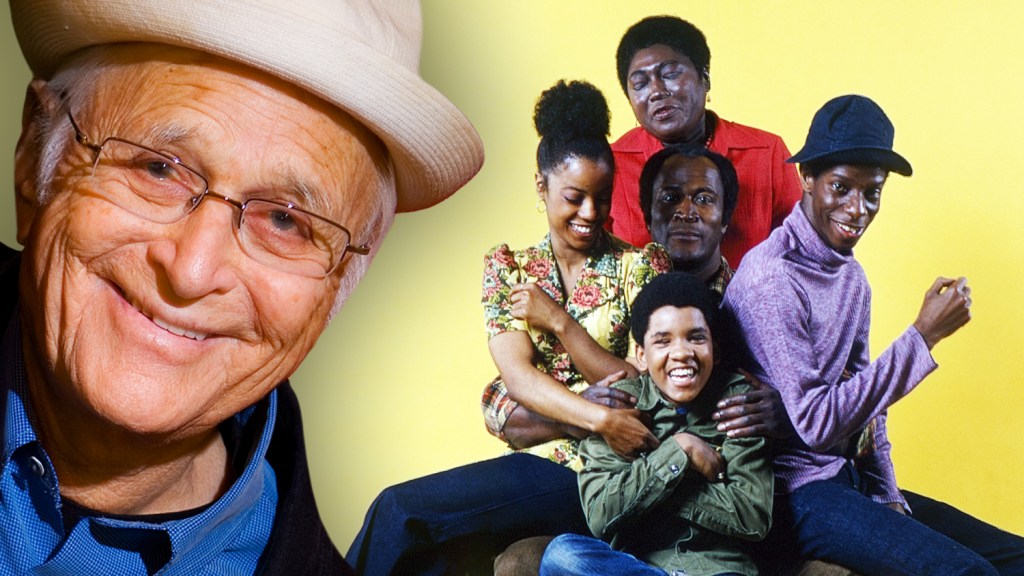
Norman Lear, the TV legend who passed away at the age of 101, will make a cameo appearance in the upcoming animated series "Good Times" on Netflix. The show, which follows a new generation of the Evans family in Chicago, has yet to announce a release date. Lear had been actively involved in developing and producing new series, including the dramedy series "The Corps" and a remake of "Mary Hartman, Mary Hartman." He also completed two successful TV specials, "Live in Front of A Studio Audience," featuring his classic shows. Additionally, a sequel to "Who's the Boss?" is still in development, with Lear serving as executive producer.
The latest data on unemployment claims in the US suggests that a recession is not on the horizon. Initial claims for state unemployment insurance benefits have fallen to their lowest level since February, while the number of people continuing to claim unemployment benefits has also decreased. These indicators, along with other labor market data, indicate that the economy remains solid and there is no immediate sign of a recession. However, it is acknowledged that recessions are inevitable at some point in the future, and continued monitoring of economic indicators is necessary.