Central banks are engaging in gold trading to combat smuggling activities, reflecting efforts to tighten financial controls and curb illegal trade. The article discusses the strategic move by authorities to use gold transactions as a tool against illicit activities.
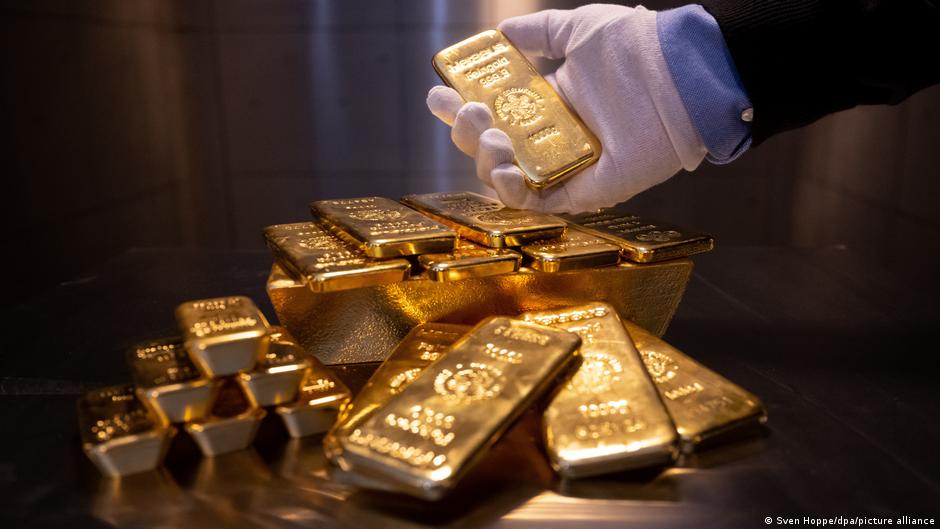
The US has imposed tariffs on one-kilo gold bars, affecting Switzerland's gold exports and disrupting the global bullion market, especially impacting Switzerland's refining industry and trade relations.
The US imposed a 39% tariff on Swiss imports, mainly targeting luxury goods, due to trade imbalances, with Swiss gold refining playing a significant role in inflating the trade deficit. Despite gold being exempt from tariffs, the sector's large volume and the way trade data is calculated have drawn scrutiny, leading to tensions and potential economic impacts for Switzerland. The Swiss government is seeking to continue negotiations and avoid retaliatory measures.
The US Treasury has imposed sanctions on four companies and one individual connected to the Wagner Group, a Russian mercenary business, for their involvement in illegal gold trade in Africa. The companies include Midas Ressources, Diamville, Industrial Resources General Trading, and Limited Liability Company DM. The US has previously sanctioned the Wagner Group and its founder, Yevgeny Prigozhin, who is also connected to these companies. The sanctions highlight the risks associated with the gold trade in sub-Saharan Africa, including conflict financing, money laundering, sanctions evasion, human rights abuses, and environmental degradation. The Wagner Group has been active in Africa, particularly in countries like the Central African Republic, Sudan, Libya, Mozambique, and Mali, where it has been accused of various human rights abuses.