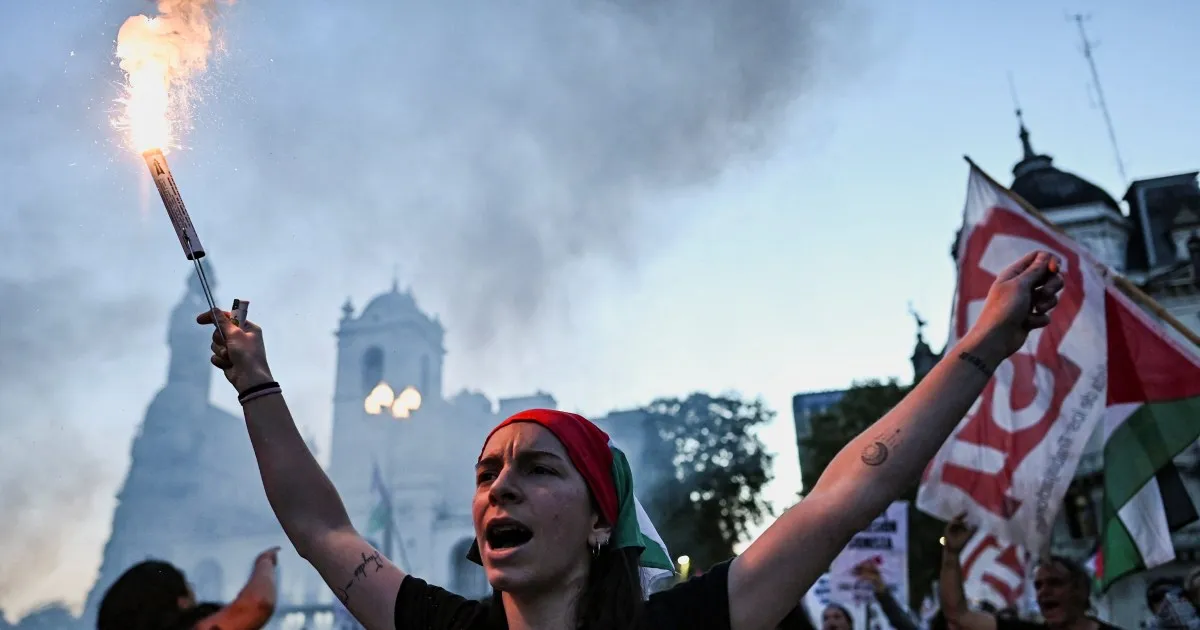
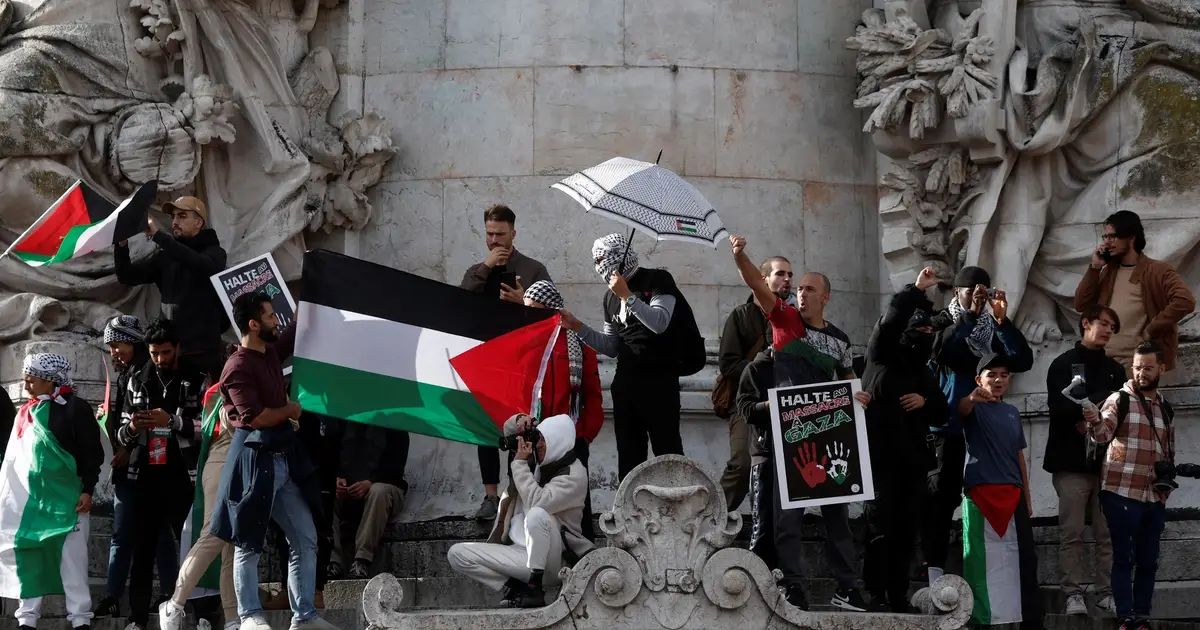
Israel intercepted the Gaza-bound Global Sumud Flotilla, prompting widespread international criticism and protests across multiple countries, with leaders condemning the action as a violation of international law and calling for the release of detained activists and safe passage for aid.
A leaked document reveals the Iranian Revolutionary Guard's role in directing an international campaign to disrupt the world economy in protest against Israel, with a confidential letter from IRGC's Brigadier General Majid Kazemi outlining support measures for global rallies aimed at achieving political isolation of Israel. The video promoting the April 15 rallies calls for a global economic blockade and is heavily promoted by far-left groups, including Antifa, on social media. The IRGC is accused of using brainwashing tactics to target youth in Western countries and organize chaos-inducing rallies, while Iran's ruler Ali Khamenei has called for the blockade of oil and food exports to Israel, leading to attacks on commercial vessels in the Red Sea by Yemen's Houthis, a proxy of the IRGC.
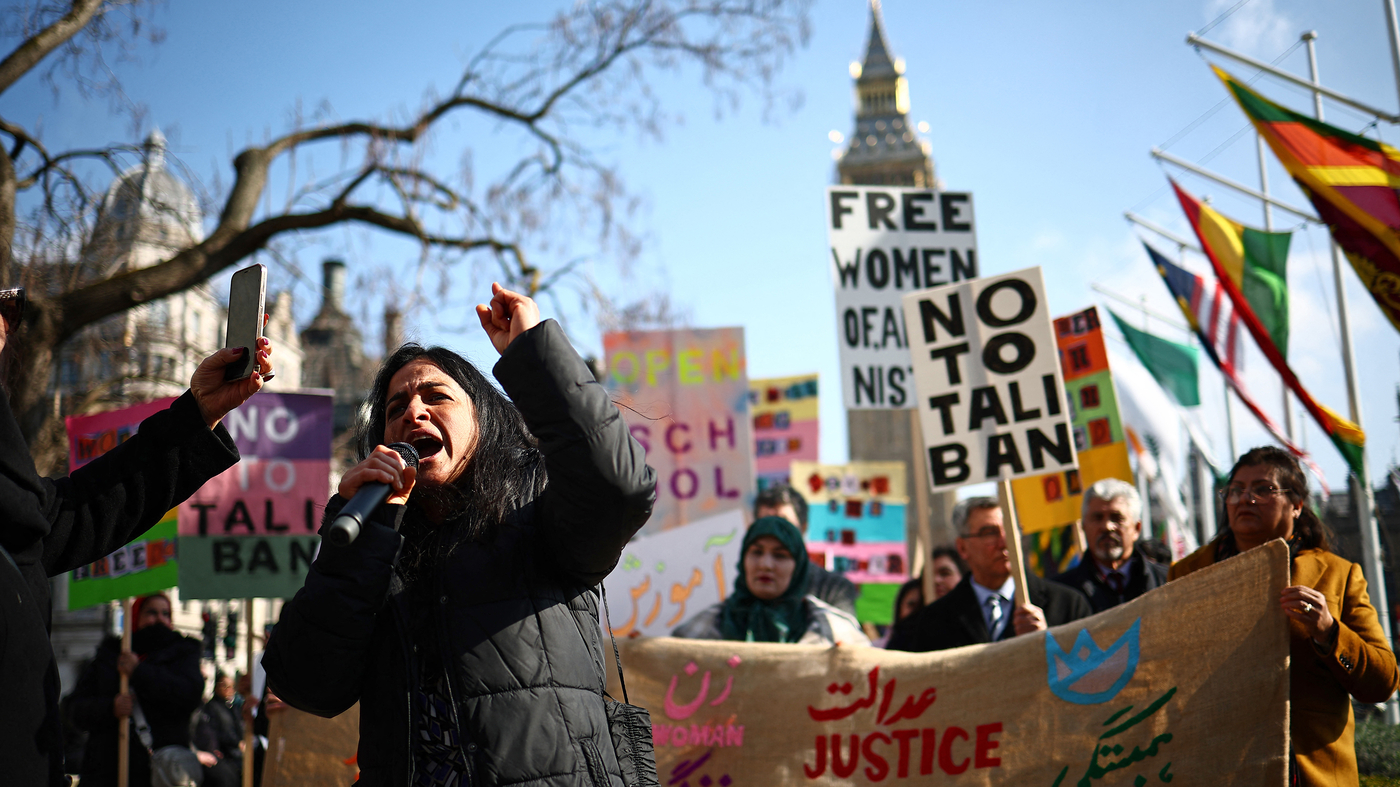
Demonstrators around the world took to the streets on International Women's Day to advocate for women's rights, with rallies addressing issues such as pay equality, domestic violence, and maternity rights. From London to Bangkok to Seoul, protesters called for better working conditions, longer maternity leave, and greater access to education in Taliban-controlled Afghanistan. Some also demanded a cease-fire in Gaza and the return of Israeli hostages, while others protested against femicide and advocated for better living and working conditions for women.
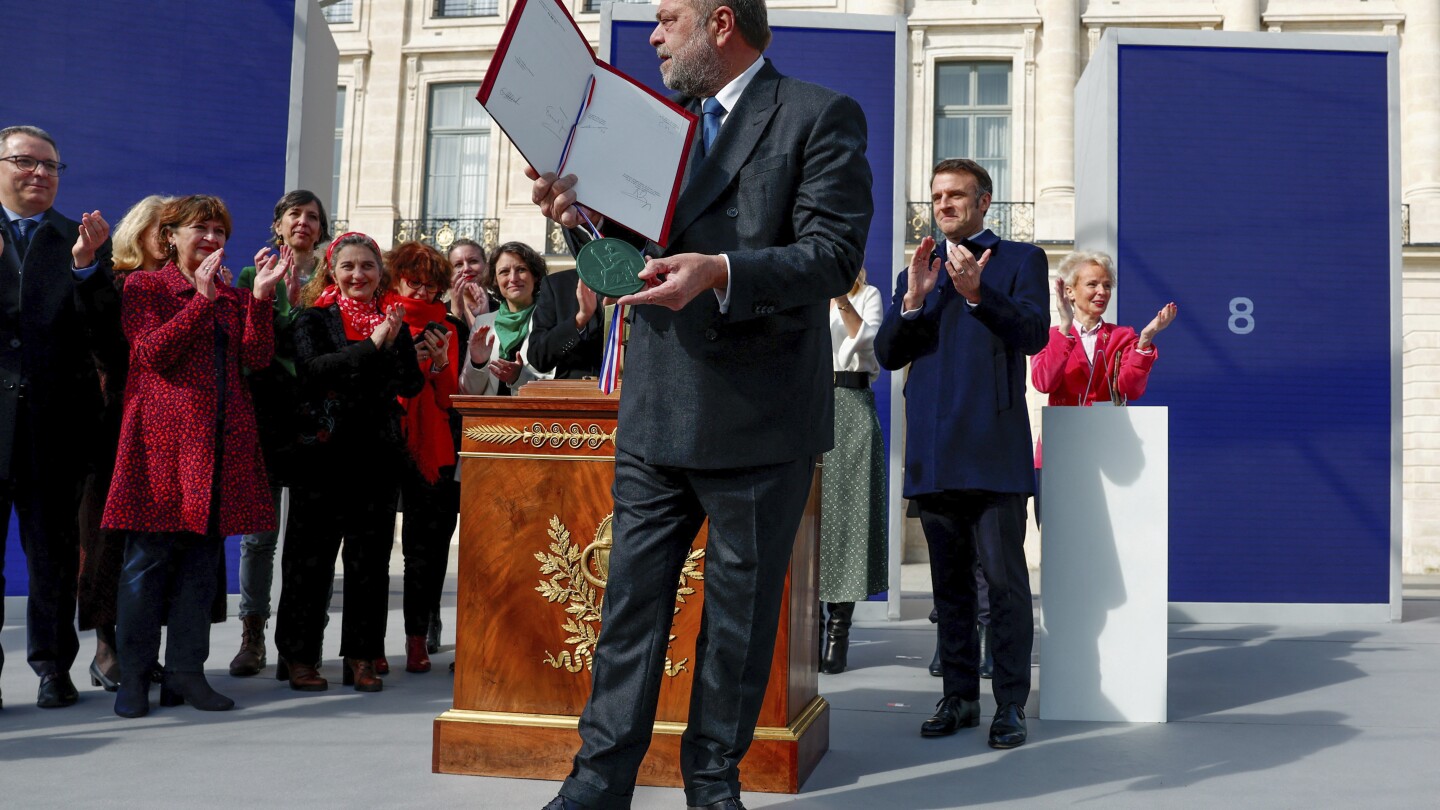
France enshrines the right to abortion in its constitution on International Women's Day, becoming the first country to do so, with President Macron calling for other countries to follow suit. The move is hailed by women's rights advocates globally, but critics question its necessity in a country with no obvious threat to abortion rights. Meanwhile, International Women's Day is marked with protests and events worldwide, addressing issues such as gender-based violence, gender equality, and workplace rights.
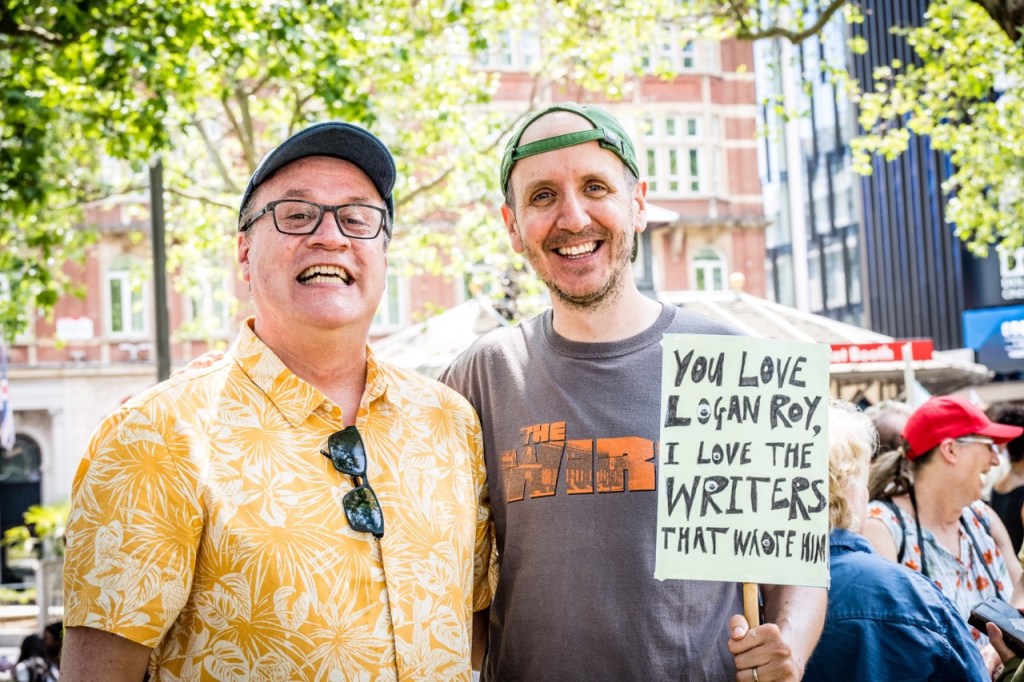
Writers and their allies from almost two dozen countries gathered for demonstrations in support of striking WGA writers. The Screenwriters Everywhere protests took place across the globe, including at Netflix’s office in Seoul, South Korea, Apple and Amazon in Canada, and the European Parliament in Brussels. Demonstrators included some of the UK’s biggest scribes, including Doctor Who showrunner Russell T. Davies, Succession creator Jesse Armstrong, and Black Mirror writer Charlie Brooker. The writers are seeking pay increases and structural changes to the business model, and many are also concerned about the effects of AI across the industry.