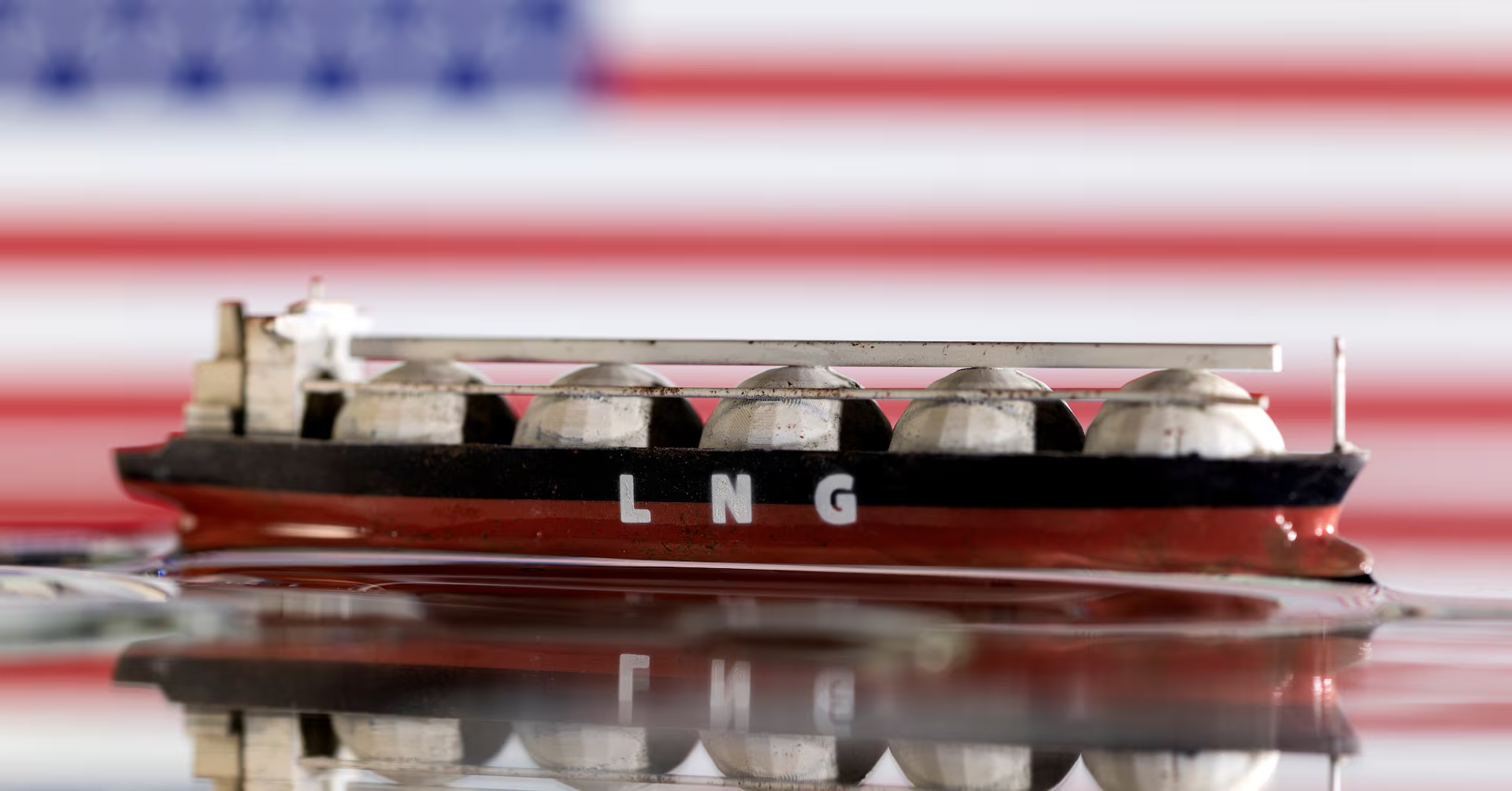
US LNG producers gained as the EU committed $750 billion to strategic energy purchases, boosting prospects for American LNG exports amid rising global demand and a new trade framework that includes tariffs and increased energy trade between the US and EU.
Recent attacks by Iranian proxy forces on U.S. targets and subsequent retaliation have raised concerns about a potential disruption in the global oil market. Iran's oil exports to China, despite sanctions, have been a significant factor in keeping oil prices down. However, the recent escalation in tensions could lead to a removal of this dampening effect, potentially causing oil prices to rise significantly. World Bank estimates suggest a possible increase to around $102 per barrel in the event of a small disruption in oil supply, and a 56-75 percent increase to between $140 and $157 per barrel in the event of a large disruption.
Russia has admitted to facing "problems" as its energy revenues fall due to the global energy market's volatility and the decline in oil prices. The country's economy is heavily dependent on energy exports, and the fall in revenues has led to economic problems.