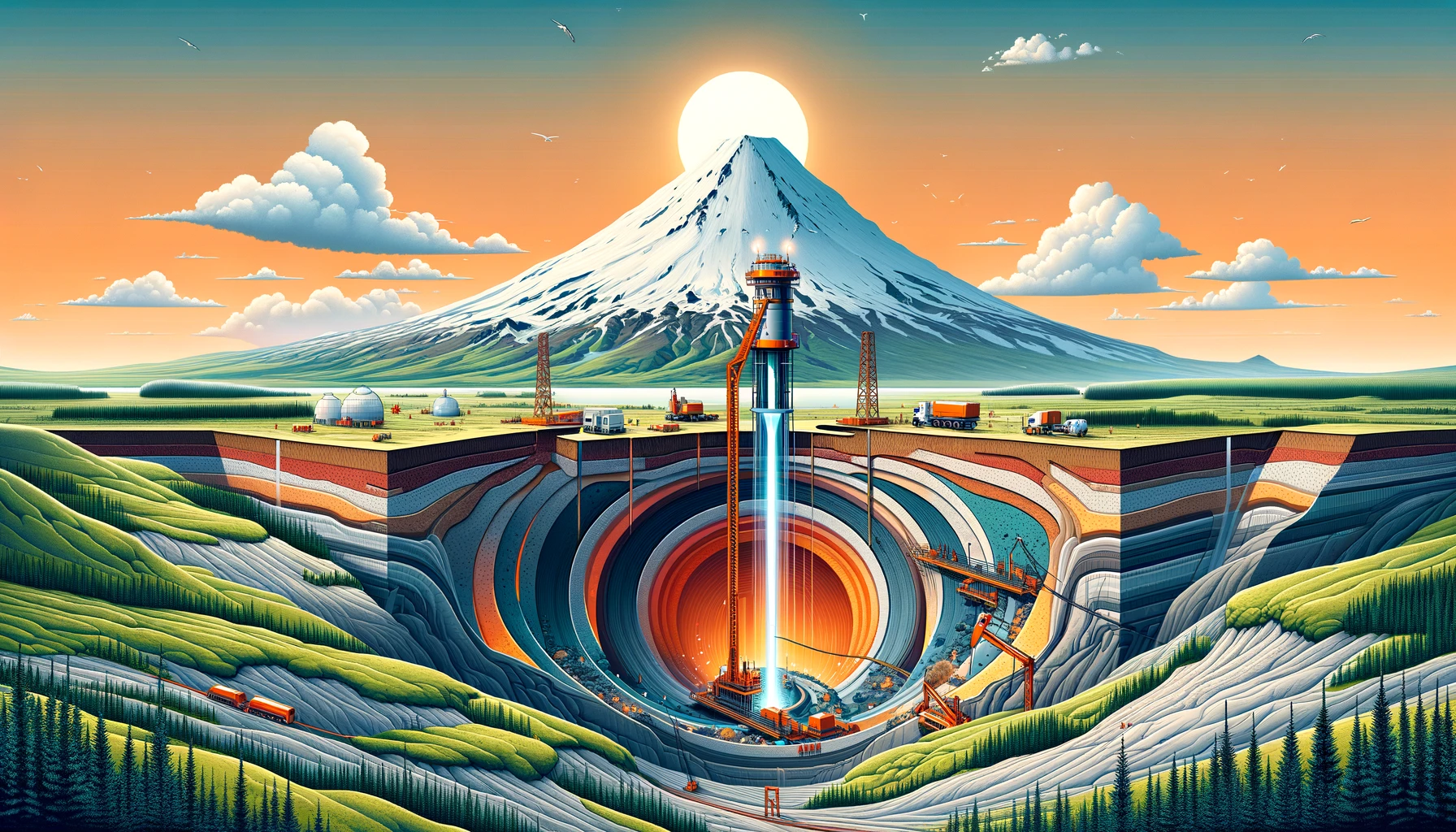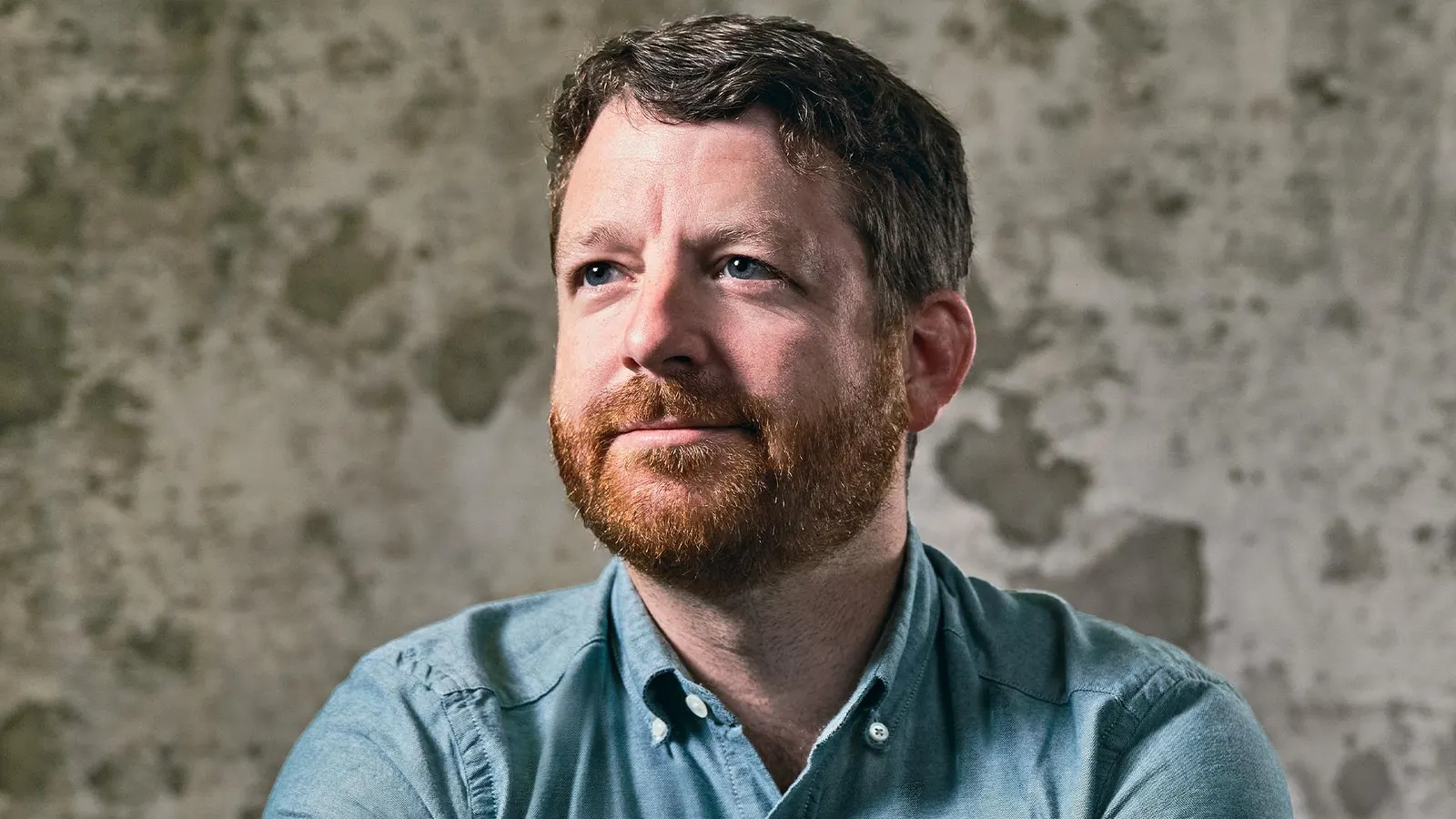
Tim Latimer, CEO of Fervo Energy, is pioneering the use of fracking techniques to harness geothermal energy from superhot rocks deep underground, aiming to produce 2,000 megawatts of zero-carbon power by 2030. Despite raising over $400 million from investors like Bill Gates and Mark Zuckerberg, the project faces potential challenges from President-elect Trump's plans to cut green energy subsidies. Fervo's innovative approach could revolutionize clean energy, but it must navigate technical, financial, and political hurdles.
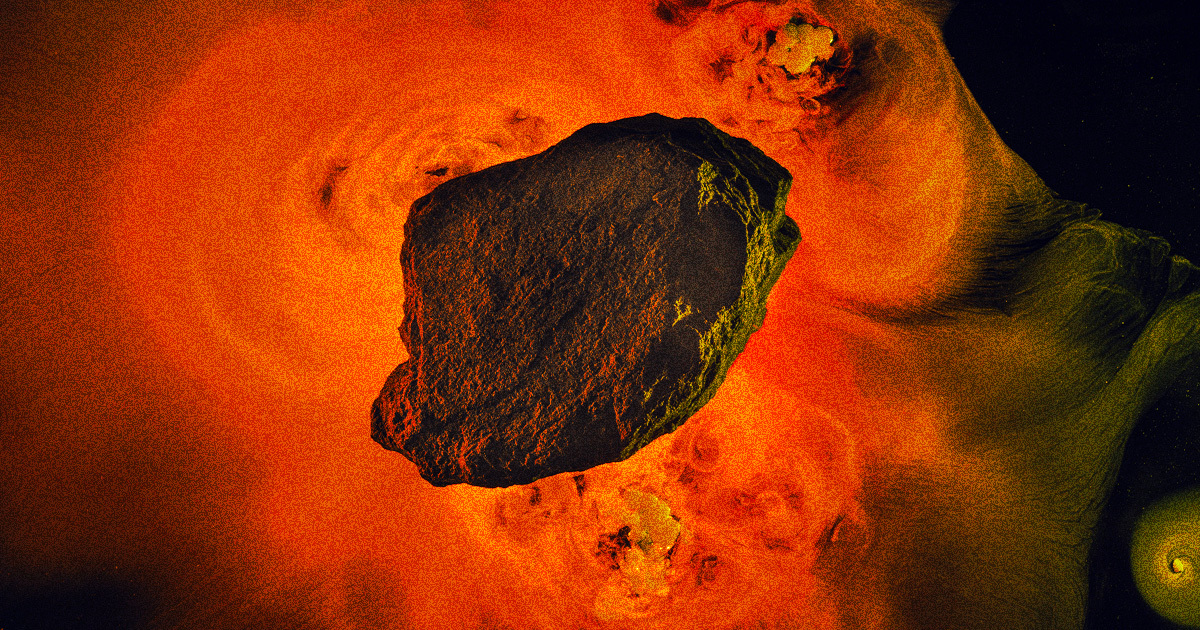
Scientists in Iceland are embarking on a groundbreaking project to drill into a magma chamber beneath the Earth's surface, potentially revolutionizing geothermal energy. The Krafla Magma Testbed (KMT) project, set to begin in 2026, aims to provide direct knowledge of magma chambers and improve our understanding of volcanic activity. If successful, the project could lead to the development of near-magma geothermal power, offering a new, highly efficient form of renewable energy by harnessing the extreme heat from molten rock.
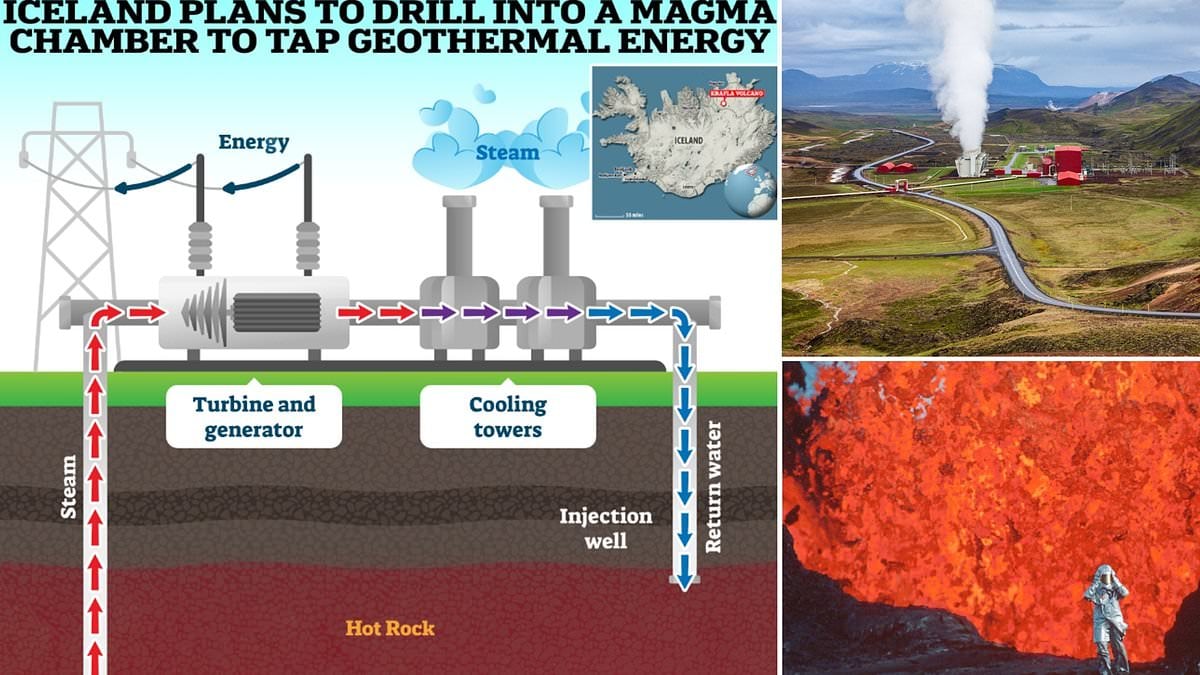
Iceland's Krafla Magma Testbed (KMT) project aims to drill into a volcano's magma chamber by 2026 to harness super-hot fumes for geothermal energy production. This could significantly increase energy efficiency compared to current geothermal systems, as it utilizes supercritical water from the magma, potentially yielding ten times more power. The project also presents an opportunity for scientific advancements in volcanic monitoring and eruption prediction, as well as a deeper understanding of geothermal processes and continental formation.
Iceland is set to embark on a groundbreaking scientific endeavor by drilling into the magma chamber of the Krafla volcano in 2026. The Krafla Magma Testbed (KMT) project aims to harness the intense heat from the magma to generate geothermal energy, potentially providing a more powerful and efficient energy source than current geothermal systems. Despite the high temperatures and technical challenges, experts believe the project is safe and will not provoke volcanic eruptions. Success could lead to advancements in volcanic research and eruption prediction, with implications for other active volcanic regions worldwide.