Tag

Genetic Genealogy

All articles tagged with #genetic genealogy

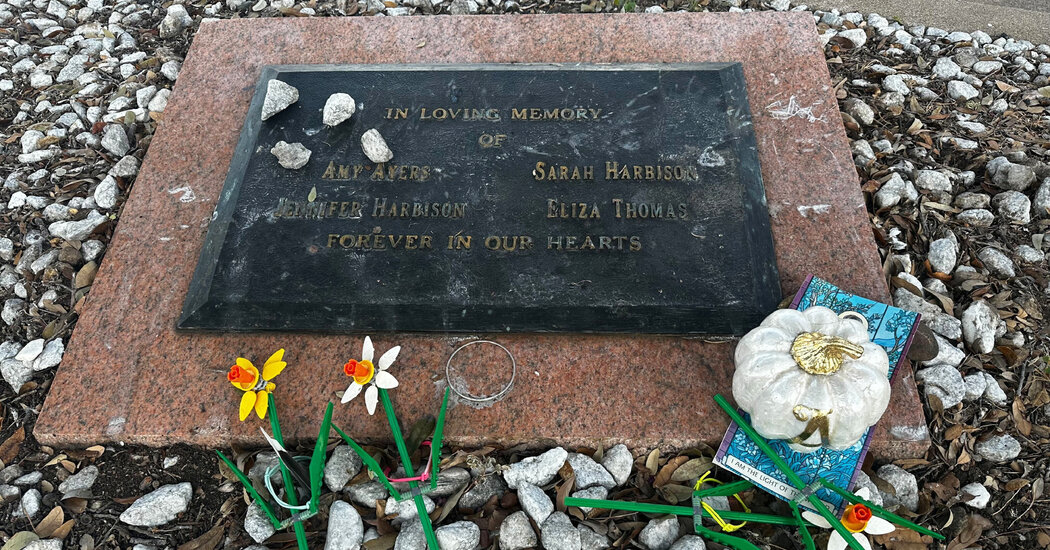
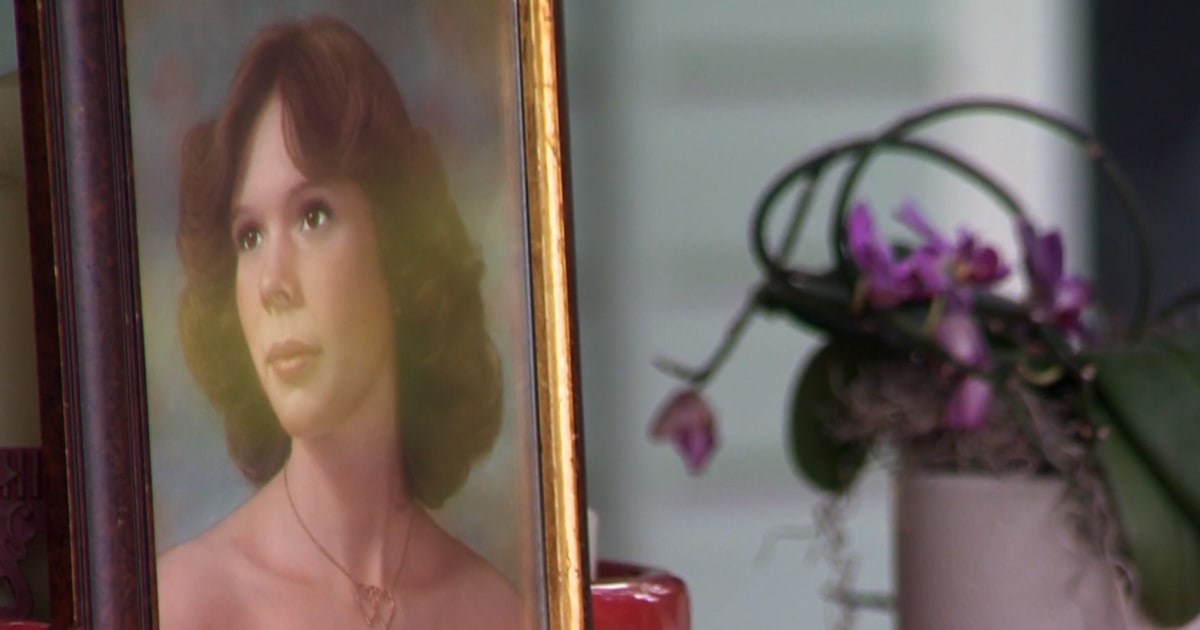
DNA links deceased man to 1991 Texas yogurt shop murders

Originally Published 3 months ago — by The New York Times

Featured image for DNA links deceased man to 1991 Texas yogurt shop murders
Source: The New York Times

The 1991 Yogurt Shop Murders in Austin, Texas, where four teenage girls were brutally killed, have been solved after 34 years using modern DNA and genetic genealogy techniques, leading to the identification of Robert Eugene Brashers as a suspect, who died by suicide in 1999. The case had remained unsolved due to limited evidence and technological constraints, but new methods finally provided closure for the victims' families and the city.

Argentine Grandmothers Unite to Find Disappeared Children

Originally Published 5 months ago — by NPR

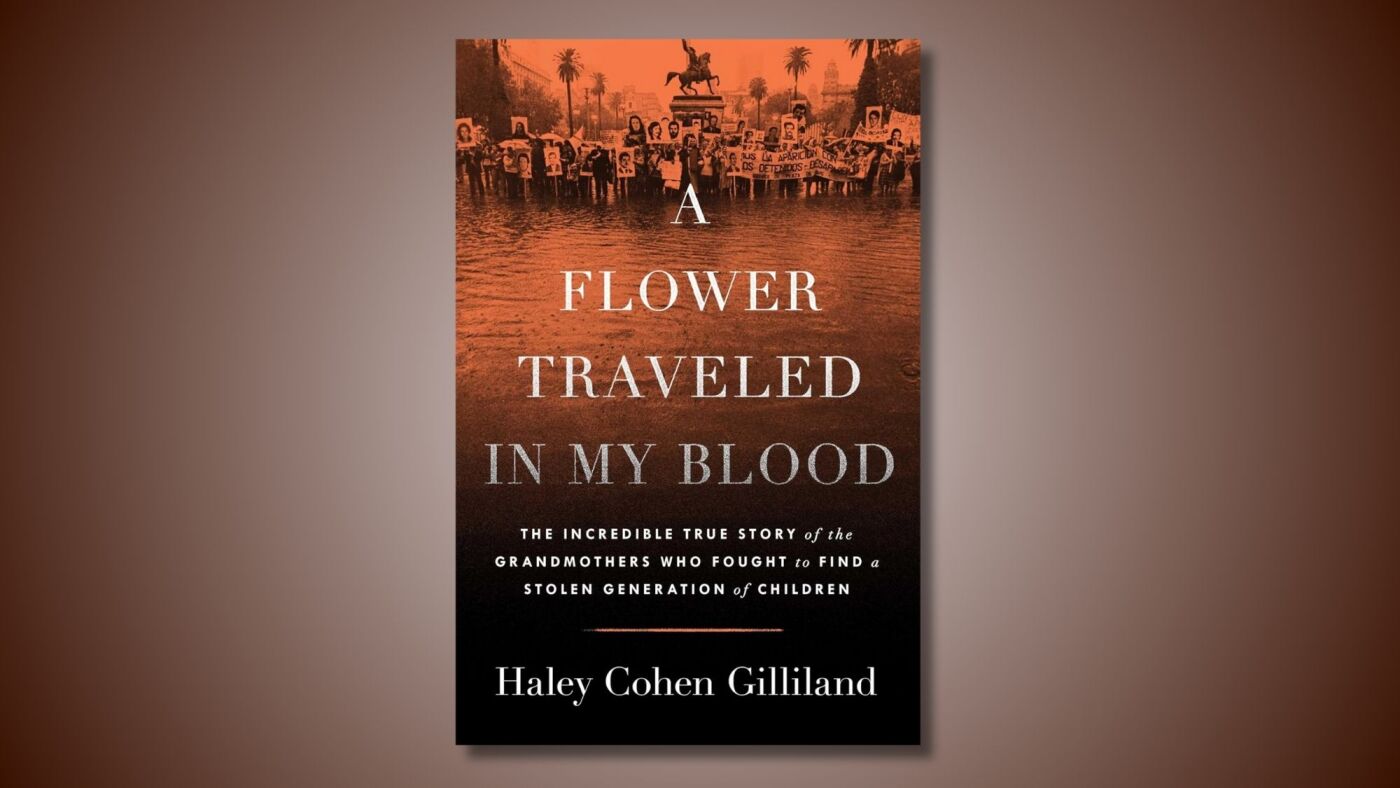
Featured image for Argentine Grandmothers Unite to Find Disappeared Children
Source: NPR

The article recounts the courageous efforts of the Abuelas de Plaza de Mayo in Argentina, who tirelessly searched for their stolen grandchildren kidnapped during the brutal military dictatorship from 1976-1983, using innovative methods and DNA technology, while also highlighting Argentina's political history and US involvement in the region.

DNA Evidence Solves 50-Year-Old Cold Case, Suspect Arrested

Originally Published 1 year ago — by CNN

Featured image for DNA Evidence Solves 50-Year-Old Cold Case, Suspect Arrested
Source: CNN

Investigators in Wisconsin have solved a 50-year-old cold case using genetic genealogy, leading to the arrest of 84-year-old Jon Miller for the 1974 murder of Mary K. Schlais, who was killed while hitchhiking to a Chicago art show. This marks the first time the Dunn County Sheriff's Office has used genetic genealogy to solve a case, with assistance from Ramapo College in New Jersey. Miller, who was adopted, confirmed his involvement in the crime and is awaiting extradition to Wisconsin.

Vermont's 42-Year-Old 'Baby Doe' Case Solved Through DNA Research

Originally Published 1 year ago — by CBS News

Featured image for Vermont's 42-Year-Old 'Baby Doe' Case Solved Through DNA Research
Source: CBS News

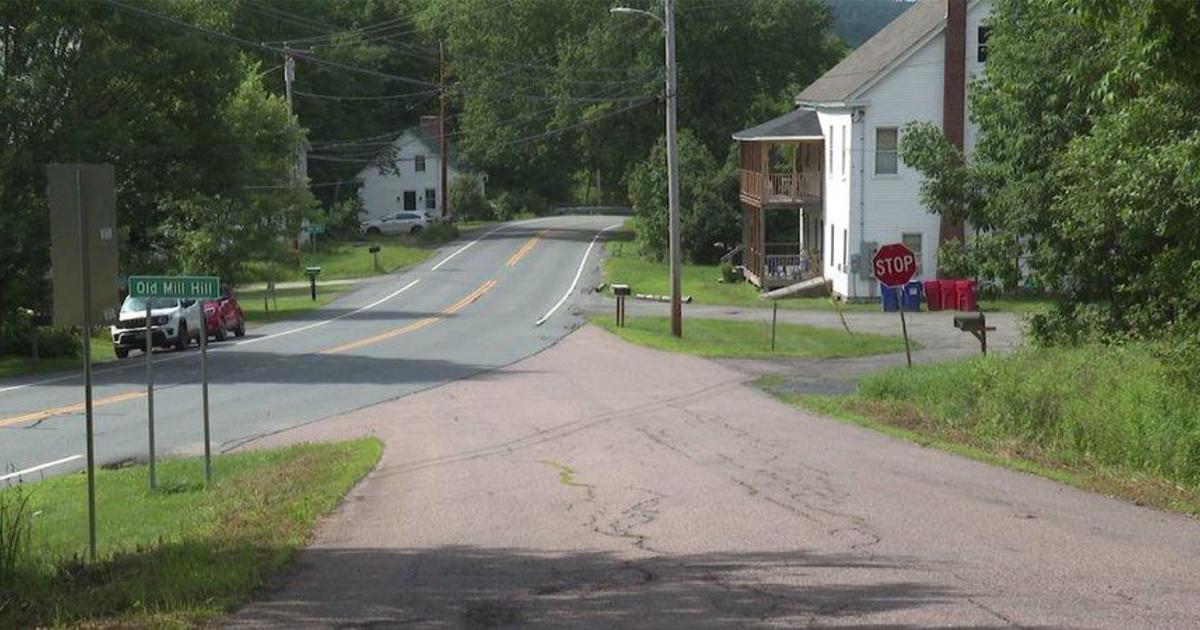
Over 40 years after a deceased infant was found by children in Northfield, Vermont, state police have identified the baby's parents using genetic genealogy. The mother admitted to unlawfully disposing of the baby, who was stillborn, but no charges will be filed due to the statute of limitations. The case, treated as a homicide until now, has finally been resolved.

"Rock-Collecting Child Discovers Jawbone of U.S. Marine Killed in 1951 Training Accident"

Originally Published 1 year ago — by NBC News

Featured image for "Rock-Collecting Child Discovers Jawbone of U.S. Marine Killed in 1951 Training Accident"
Source: NBC News

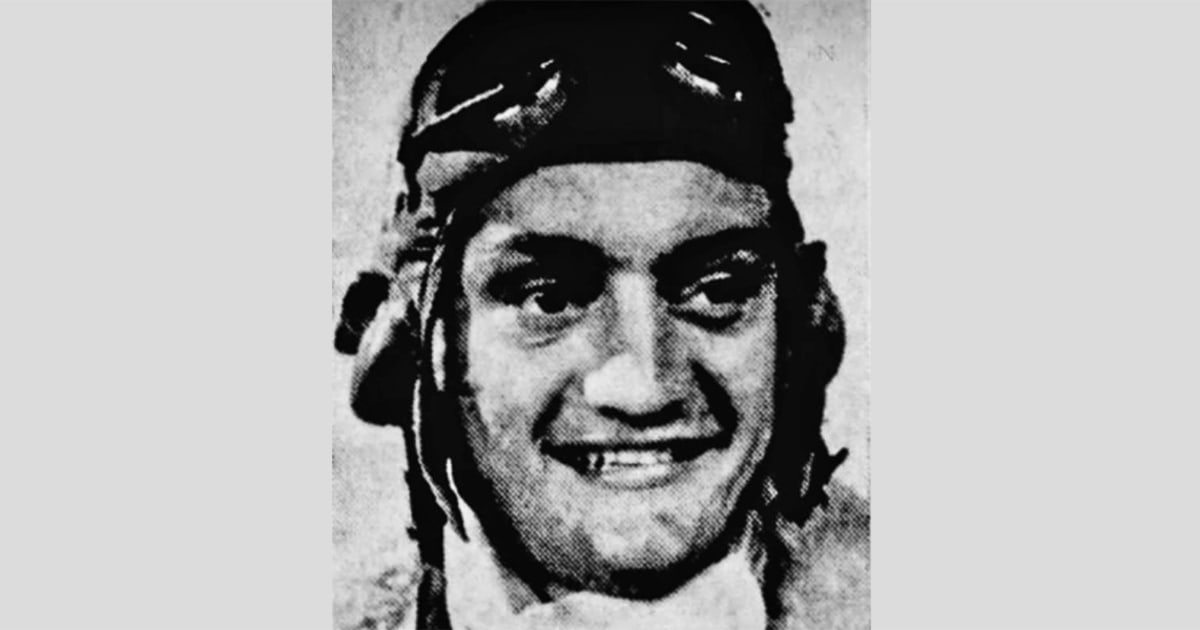
A jawbone found by a child in Arizona 20 years ago has been identified as belonging to U.S. Marine Capt. Everett Leland Yager, who died in a 1951 training accident. Traditional DNA testing had previously yielded no results, but a genetic profile was developed using genome sequencing and bioinformatics, leading to a match with Yager's daughter's DNA sample. The remains will be returned to Yager's family after being found in the child's rock collection and undergoing extensive forensic investigation.

Long-lost jawbone of U.S. Marine discovered in Arizona child's rock collection

Originally Published 1 year ago — by CBS News

Featured image for Long-lost jawbone of U.S. Marine discovered in Arizona child's rock collection
Source: CBS News

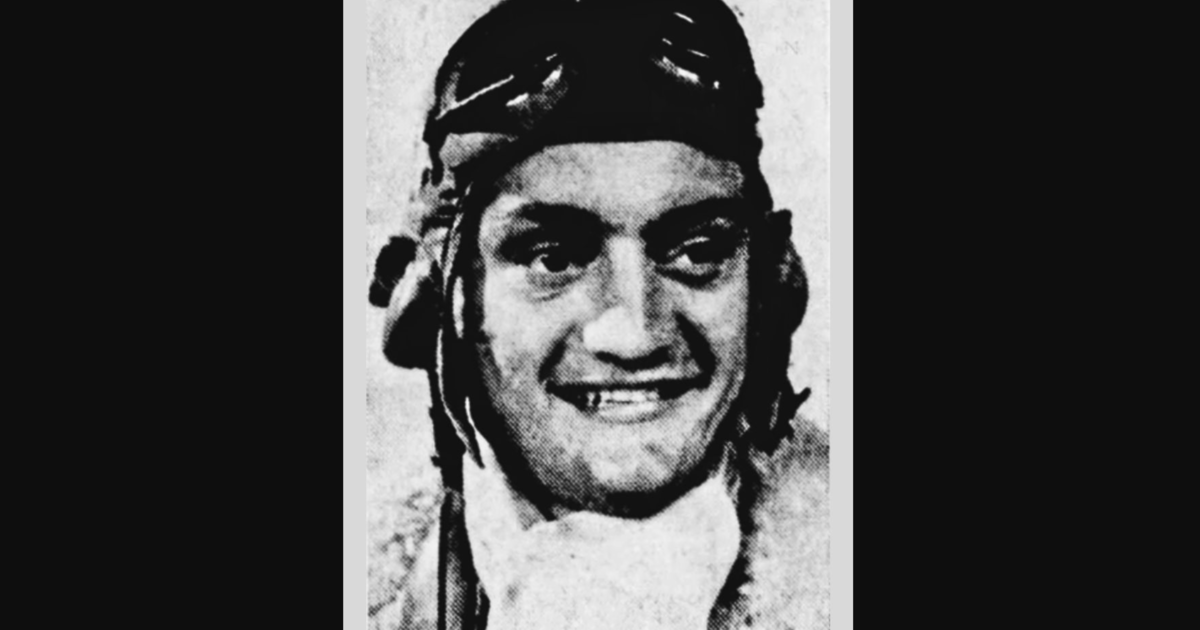
Experts have identified a human jawbone found in a child's rock collection as belonging to U.S. Marine Corps Captain Everett Leland Yager, who died in a 1951 military training exercise. The jawbone, discovered in Arizona, was linked to Yager through genetic genealogy testing performed by college students and a high school intern, making the intern potentially the youngest person to help solve such a case. The bone's presence in Arizona remains a mystery, with one theory suggesting it may have been carried there by a scavenger such as a bird.

"Chewing Gum DNA Leads to Conviction in 1980 Cold Case Murder"

Originally Published 1 year ago — by CNN

Featured image for "Chewing Gum DNA Leads to Conviction in 1980 Cold Case Murder"
Source: CNN

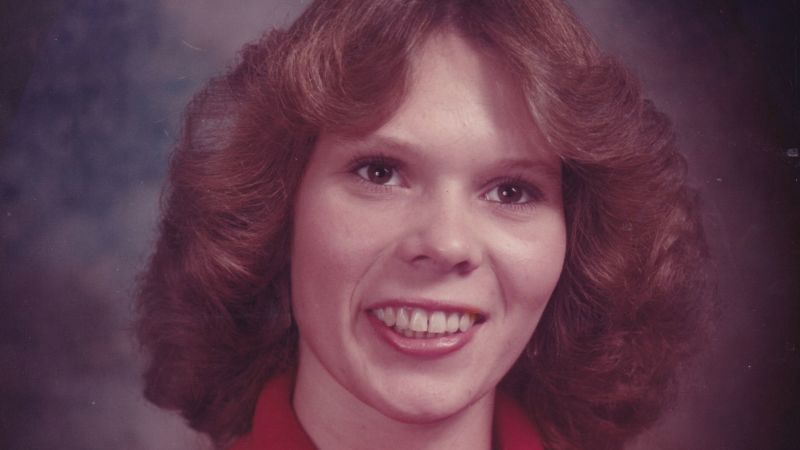
DNA from a discarded chewing gum led to the arrest and conviction of Robert Plympton for the 1980 murder of Barbara Tucker in Oregon. Tucker, a college student, was kidnapped, sexually assaulted, and beaten to death. Genetic genealogy and a "snapshot phenotype prediction" helped identify Plympton as the suspect. Swabs from Tucker's autopsy and DNA from the gum matched, leading to Plympton's arrest. Witnesses had seen a distressed woman around the time of the murder. Plympton's attorneys intend to appeal his convictions, and his sentencing is scheduled for June.

"DNA Breakthrough Leads to Conviction in 1980 College Student Murder Case"

Originally Published 1 year ago — by NBC News

Featured image for "DNA Breakthrough Leads to Conviction in 1980 College Student Murder Case"
Source: NBC News

An Oregon man, Robert Plympton, has been found guilty of the 1980 murder of college student Barbara Mae Tucker after DNA genetic genealogy and a discarded piece of chewing gum linked him to the case. Despite the lack of evidence showing a prior connection between Plympton and Tucker, DNA analysis from the gum matched the DNA profile developed from Tucker's autopsy swabs. Plympton, who pleaded not guilty, was convicted of first-degree murder and second-degree murder charges. He awaits sentencing in June.

"Breakthrough: Second Suspect Identified in Decades-Old Cold Case Killing of Maryland Teen"

Originally Published 1 year ago — by CNN

Featured image for "Breakthrough: Second Suspect Identified in Decades-Old Cold Case Killing of Maryland Teen"
Source: CNN

After more than 50 years, investigators have identified a second suspect, Donald Willard, in the 1970 strangling death of 16-year-old Pamela Lynn Conyers in Maryland, using genetic genealogy and traditional investigative techniques. Both suspects have died, and it's unclear if they knew the victim. The FBI is seeking the public's help to piece together the events leading to the killing and determine if the suspects were involved in other crimes.

DNA Links Virginia Man to 1980s Cold-Case Murders

Originally Published 1 year ago — by NBC News

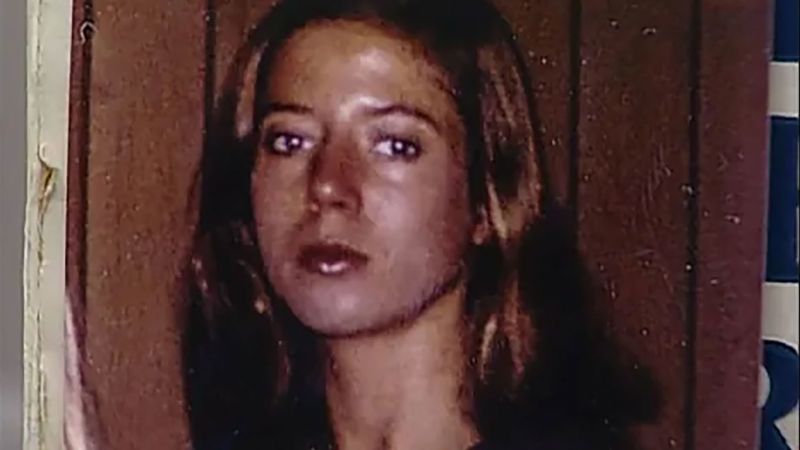
Featured image for DNA Links Virginia Man to 1980s Cold-Case Murders
Source: NBC News

Elroy Harrison, 65, has been indicted for the 1986 killing of Jacqueline Lard and is a suspect in the 1989 slaying of Amy Baker, with authorities using genetic genealogy to link him to both cases. Lard was found dead in a wooded area after a struggle at her workplace, while Baker was discovered strangled near her abandoned car. Harrison was arrested and is being held without bond, with detectives seeking charges in Baker's death.

Oregon Teen Sandra Young's Remains Identified Over 50 Years After Disappearance

Originally Published 1 year ago — by CBS News

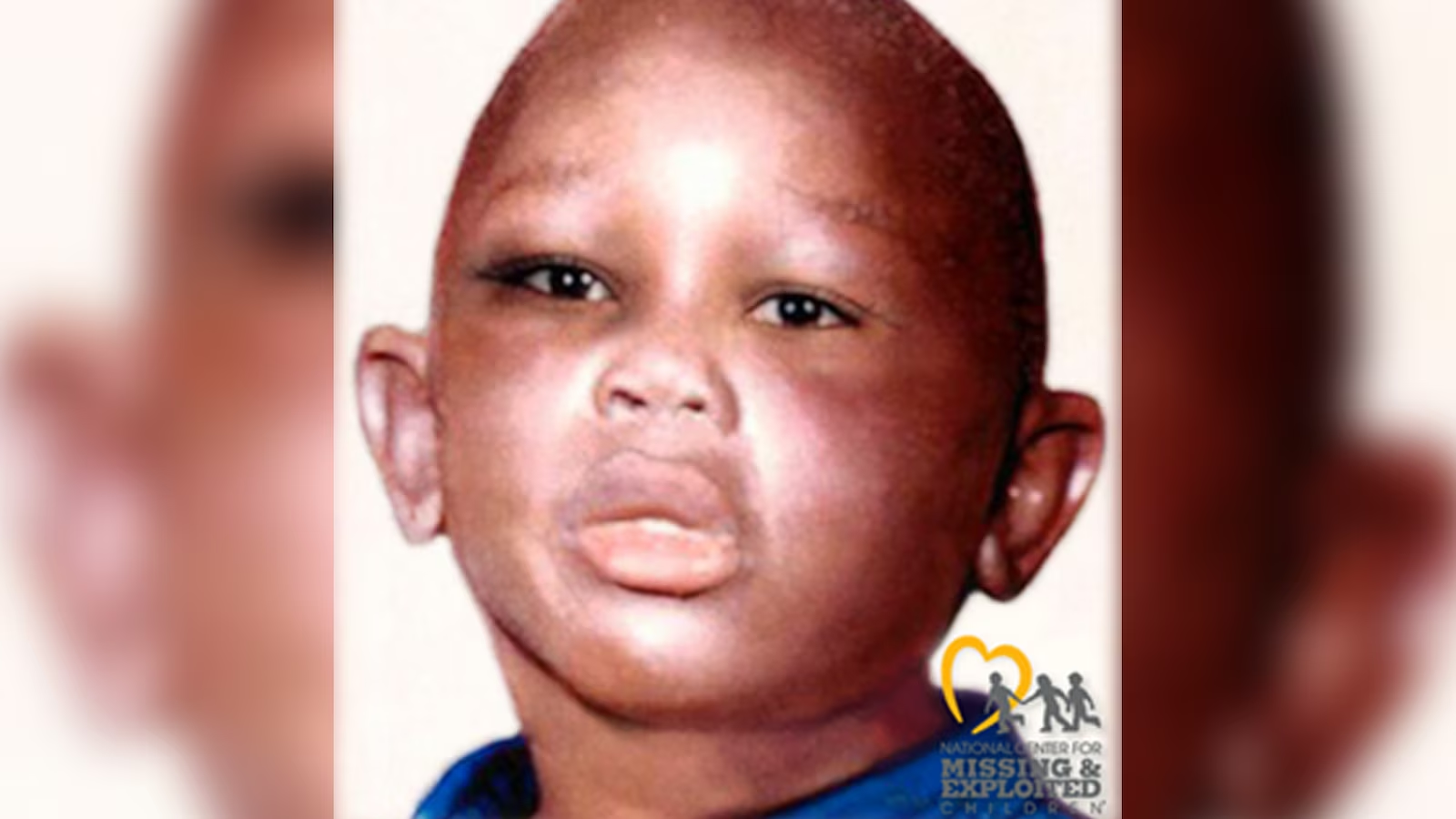
Featured image for Oregon Teen Sandra Young's Remains Identified Over 50 Years After Disappearance
Source: CBS News

The remains of Sandra Young, a Portland high school student who went missing in the late 1960s, have been identified over 50 years after they were found in a shallow grave. DNA analysis and genetic genealogy techniques helped link the remains to Young, with the investigation revealing her West African, South African, and Northern European descent. The identification was made possible after a family member uploaded their DNA to a genealogy database, leading to the confirmation of Young's identity. The case is now under investigation, providing closure to Young's family and showcasing the potential of innovative DNA technologies in solving cold cases.

"Oregon Teenager's Remains Identified by DNA 50 Years Later"

Originally Published 1 year ago — by The Guardian US

Featured image for "Oregon Teenager's Remains Identified by DNA 50 Years Later"
Source: The Guardian US

The remains of a teenager found over 50 years ago have been identified through advanced DNA technology as Sandra Young, a high school student who disappeared in 1968 or 1969. The diligent collaboration between family members, law enforcement, medical examiner staff, and DNA company Parabon NanoLabs led to this breakthrough. Despite trauma indicating foul play, what happened to Young remains unknown. Advanced DNA testing and genetic genealogy ultimately led to the identification, highlighting the potential for closure in cold cases but also the high cost of such investigations.