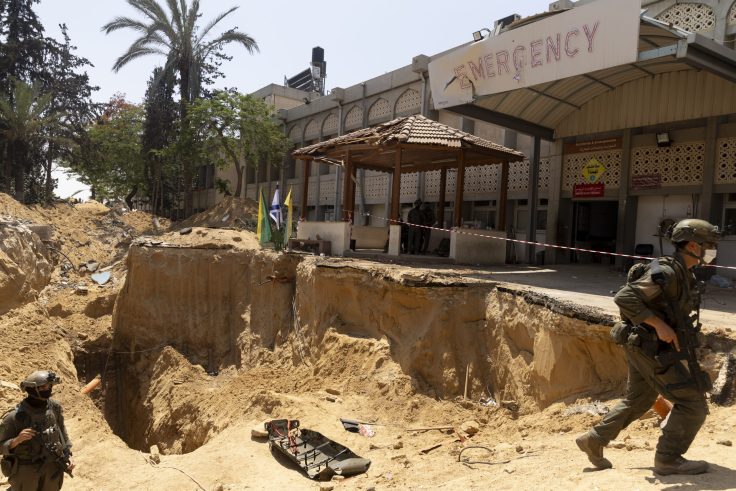
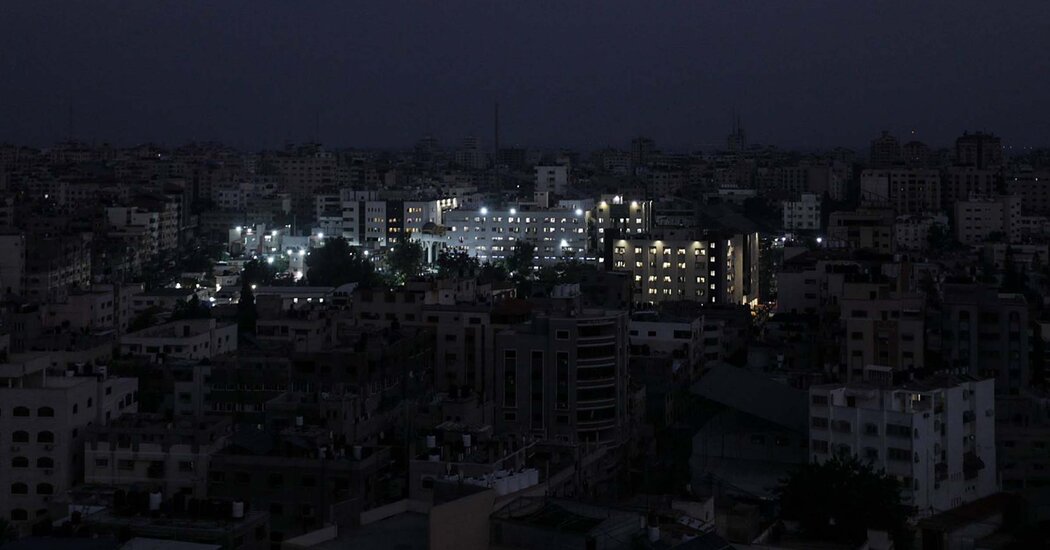
The New York Times confirmed the existence of a Hamas tunnel beneath the European Gaza Hospital, highlighting the ongoing narrative battle between Israelis and Palestinians over the use of civilian sites for military purposes, with Hamas accused of endangering civilians by embedding military infrastructure in hospitals.
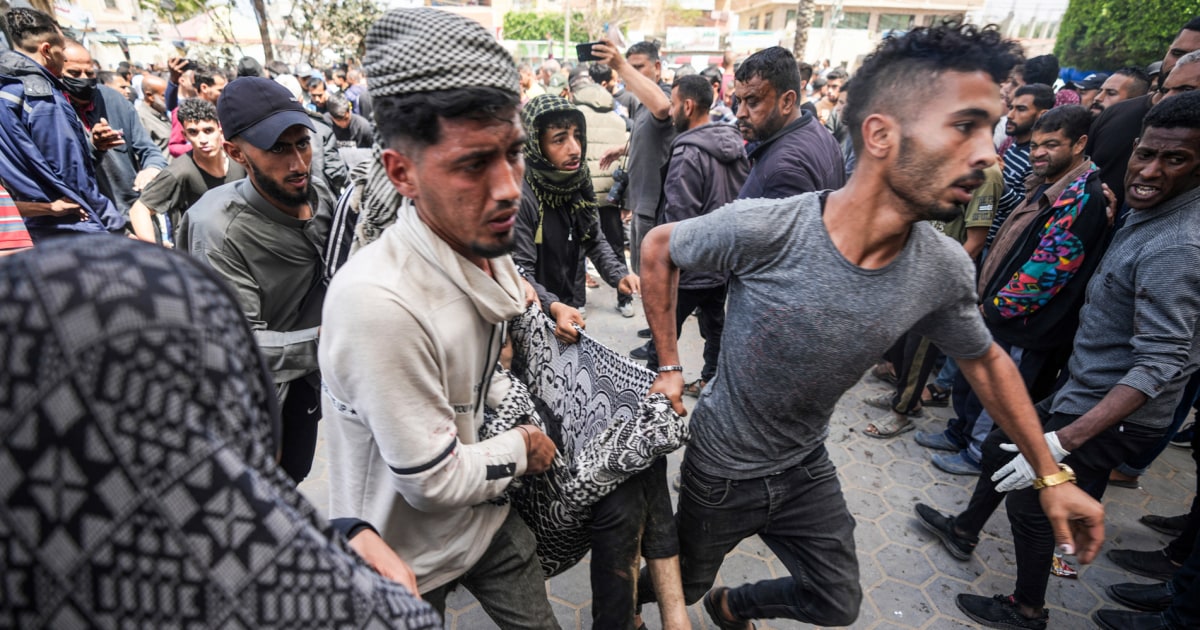
An Israeli airstrike hit a tent camp in a Gaza hospital, killing two Palestinians and injuring 15, including journalists. The strike targeted a command center of the Islamic Jihad militant group, according to the Israeli military. The ongoing conflict has led to a humanitarian crisis, with thousands seeking shelter in Gaza's hospitals and warnings of famine in the northern region. Cease-fire talks have resumed, but Hamas is demanding an end to the war and the withdrawal of Israeli forces, while Prime Minister Benjamin Netanyahu rejects these demands.
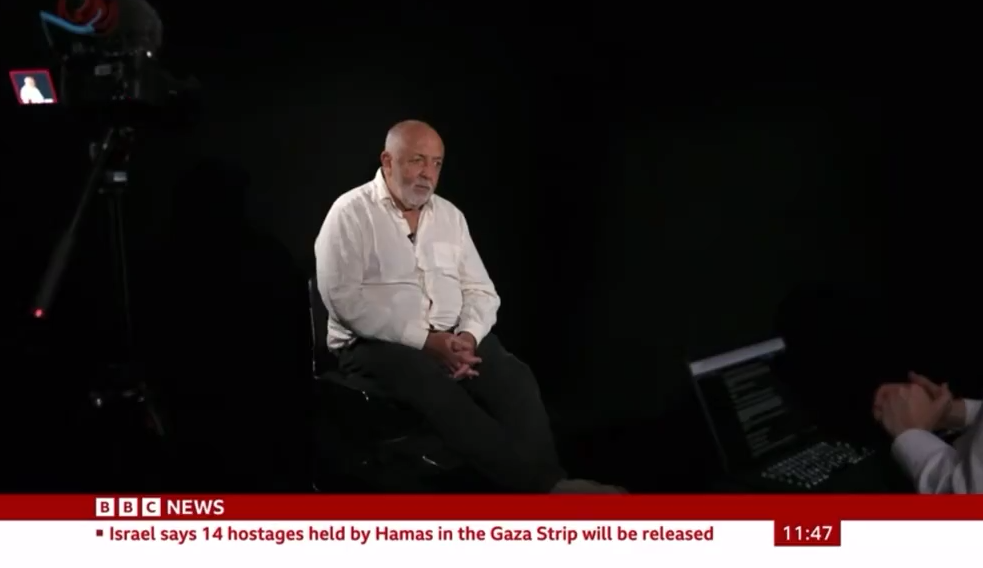
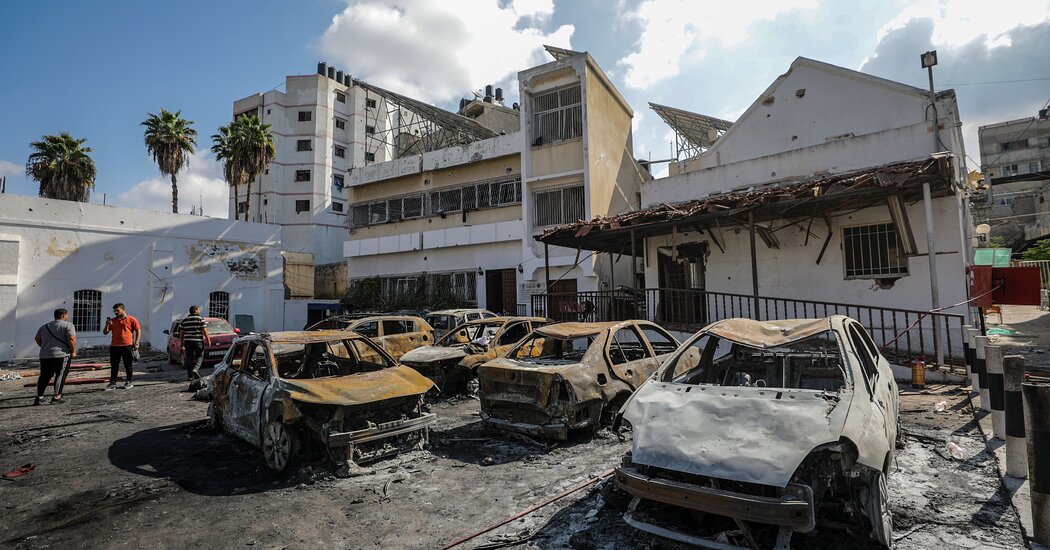
BBC's international editor Jeremy Bowen faced criticism for his coverage of an explosion at a Gaza hospital, with many Western media outlets initially reporting that Israel bombed the hospital based on Hamas-linked statements. However, it was later revealed that the explosion was likely an Islamic Jihad rocket misfire. Bowen admitted to errors in his coverage but defiantly stated that he doesn't regret anything about his report. The BBC also offered a correction and apology for speculating about Israel's involvement in the blast.
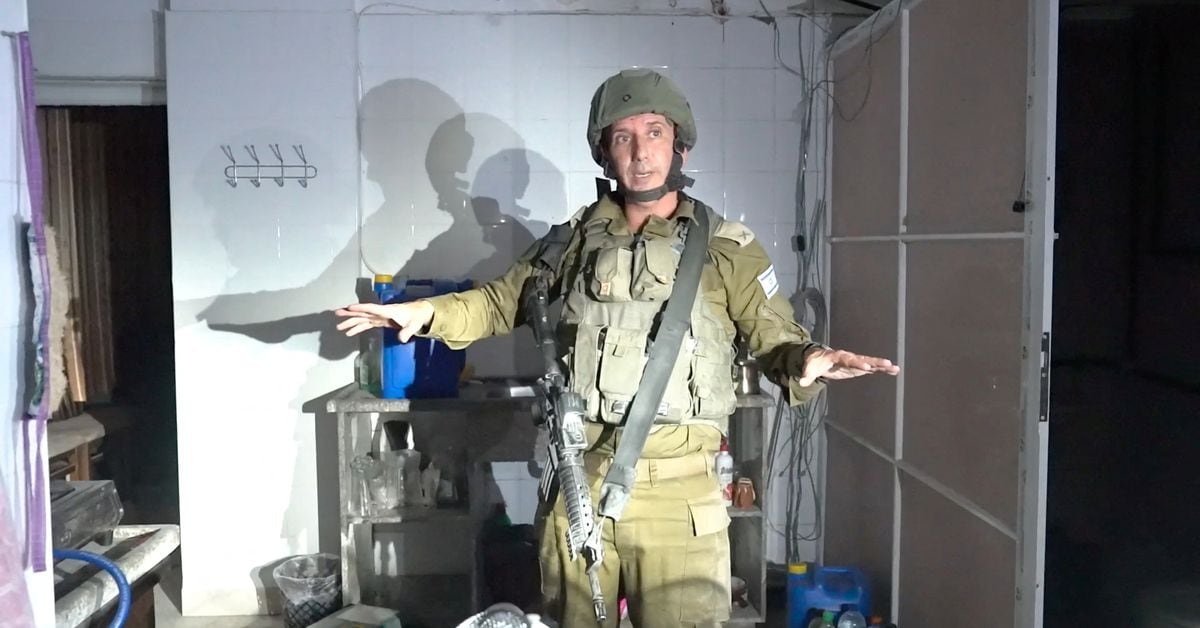
The Israeli military has released video and photographs showing weapons stored by Hamas in the basement of a children's hospital in Gaza, where they claim hostages were also held. The military spokesperson stated that they found a command center with an arsenal of weapons, signs of hostage captivity, and a tunnel leading to the house of a senior Hamas naval commander. Israel has accused Hamas of using hospitals and civilian infrastructure to hide weapons and command centers, while Hamas and hospital authorities deny these allegations. The United Nations has called for a halt to attacks on healthcare in Gaza.
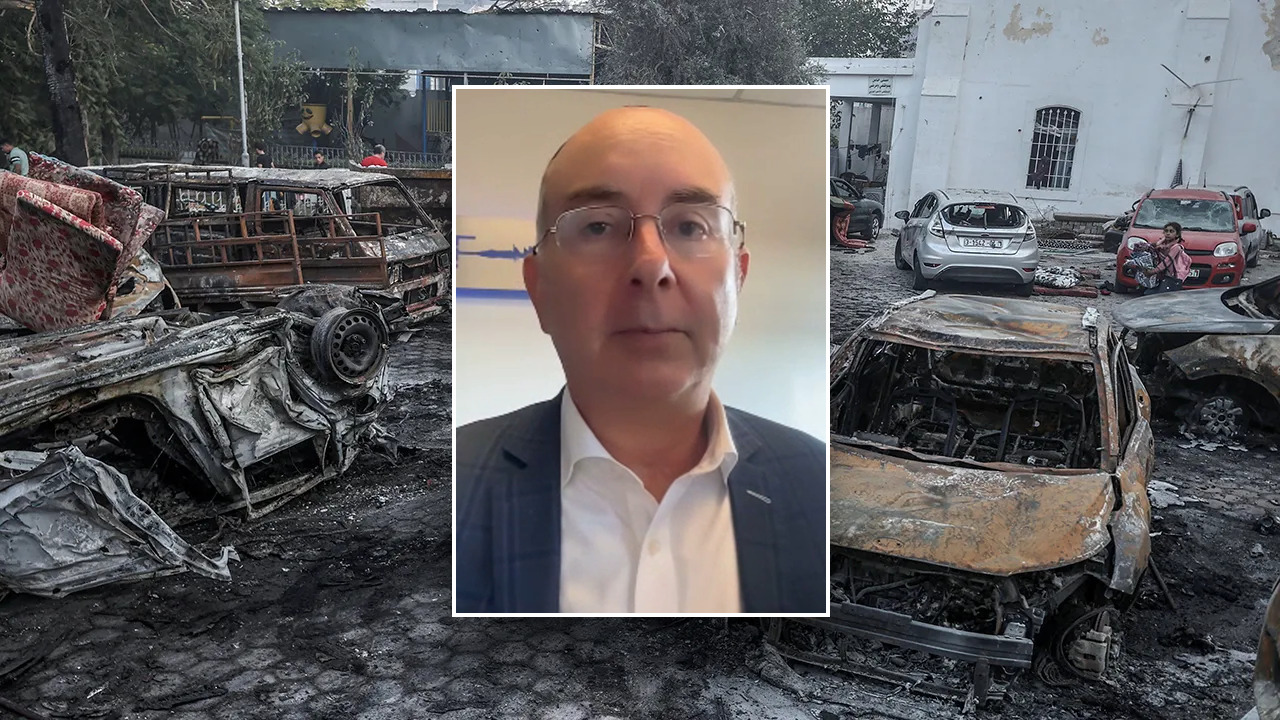
The media's coverage of the recent Gaza hospital explosion has come under scrutiny for relying on the Hamas-backed Gaza Health Ministry's initial framing of the story, which turned out to be inaccurate. National Center for Audio and Video Forensics founder David Notowitz emphasizes the need for skepticism when it comes to sources, especially Hamas, which has a history of pushing propaganda and misinformation. The New York Times, Reuters, and the BBC were among the outlets that reported claims made by the Gaza Health Ministry without verifying them. Notowitz highlights the rise of deepfake videos and manipulated photos as reasons for journalists to be more cautious. The media's reliance on Hamas's narrative has been criticized for endangering US embassies abroad and contributing to the spread of disinformation.
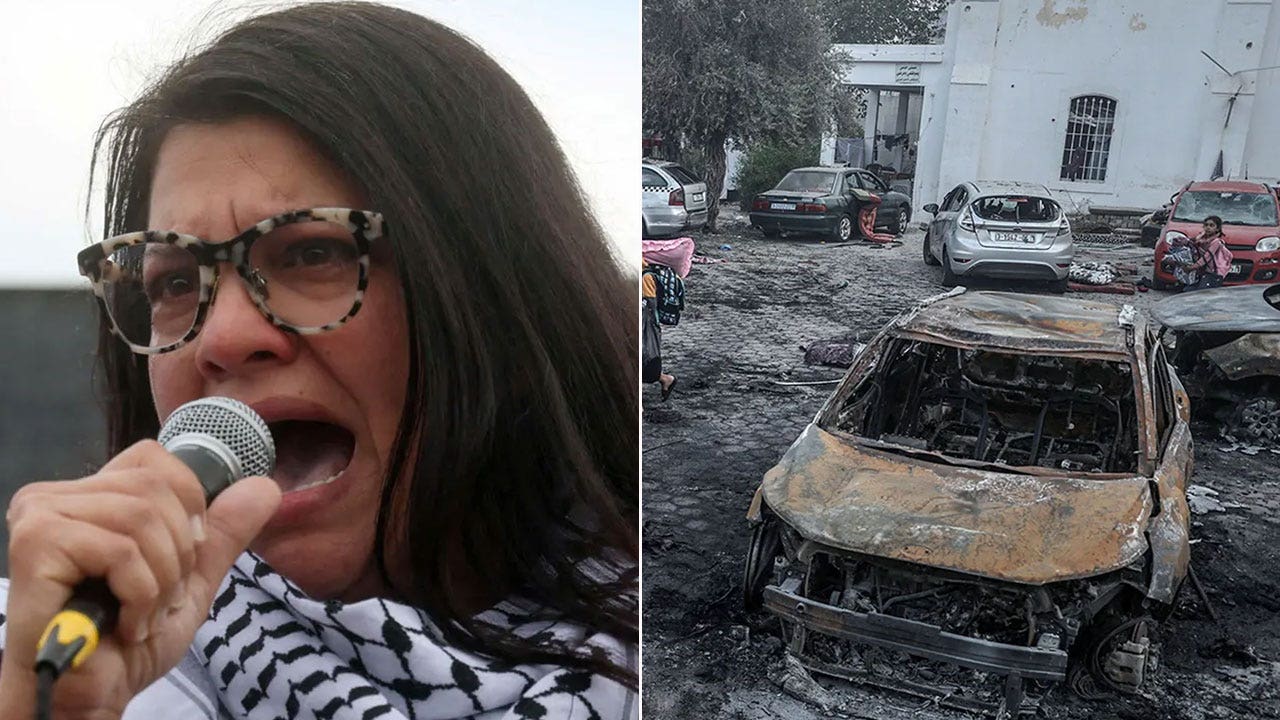
Rep. Rashida Tlaib, D-Mich., continues to support the debunked Hamas narrative that Israel was responsible for the explosion at a Gaza hospital. Tlaib calls for an independent investigation, casting doubt on findings from both Israeli and U.S. intelligence. She cites previous instances of alleged misinformation by both governments and emphasizes the need for a ceasefire to protect innocent lives. Tlaib's colleague, Rep. Ilhan Omar, D-Minn., walked back her initial comments but did not apologize. The New York Times also admitted to relying too heavily on Hamas' claims in its coverage of the incident.
The New York Times published an editors' note acknowledging that their initial coverage of an explosion at a hospital in Gaza City relied too heavily on claims by Hamas officials and did not adequately verify the information. The note states that the report left readers with an incorrect impression and outlines the steps the Times plans to take to cover the ongoing conflict between Israel and Hamas.