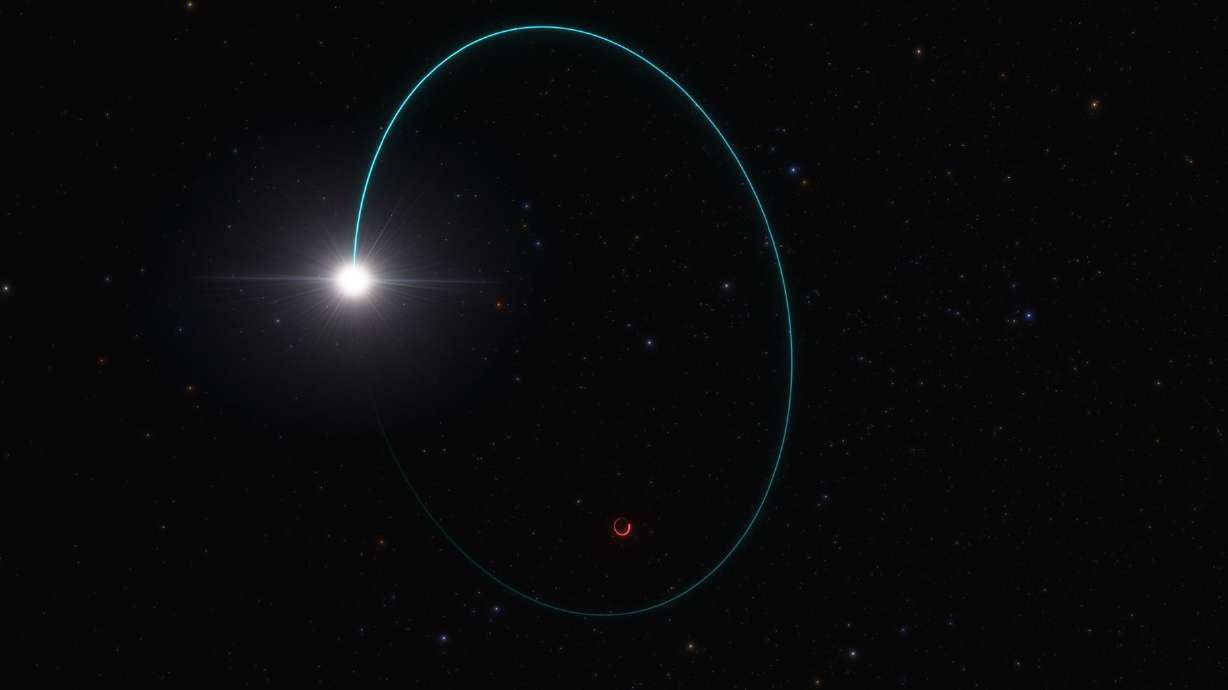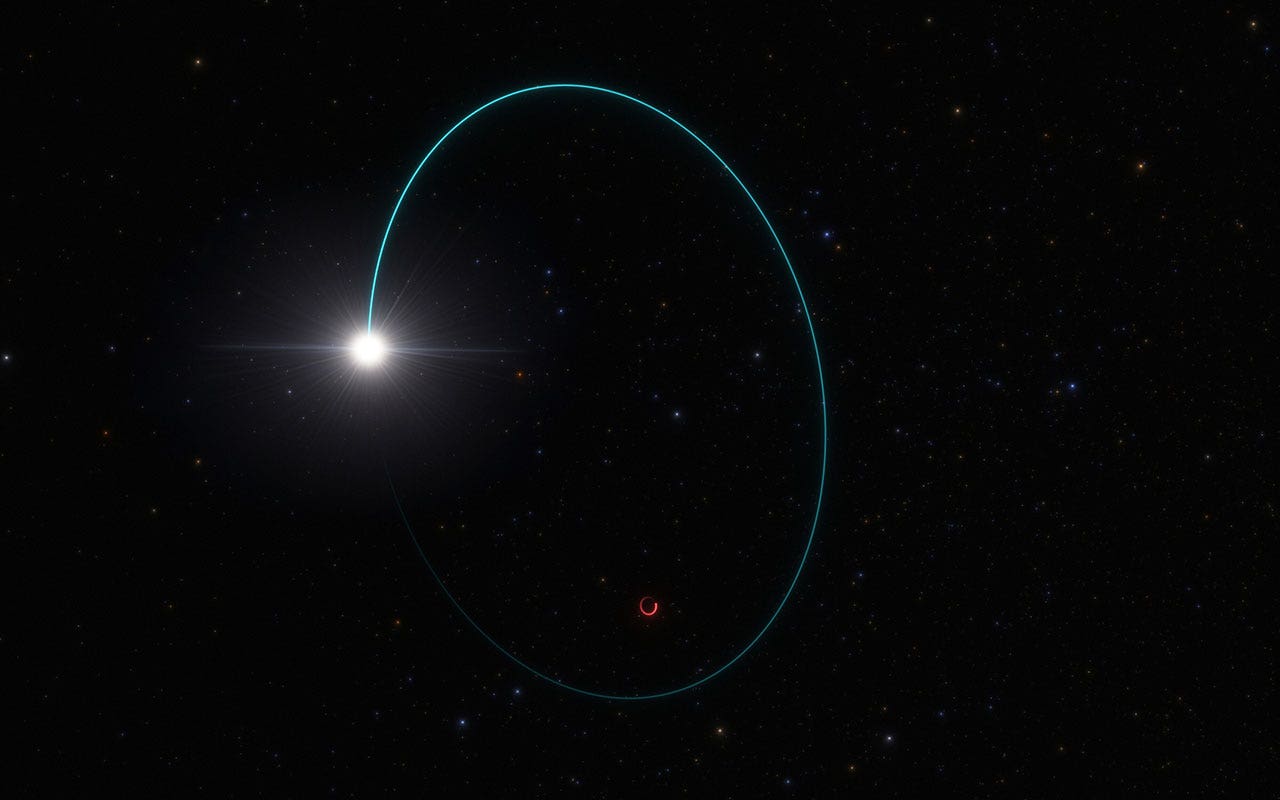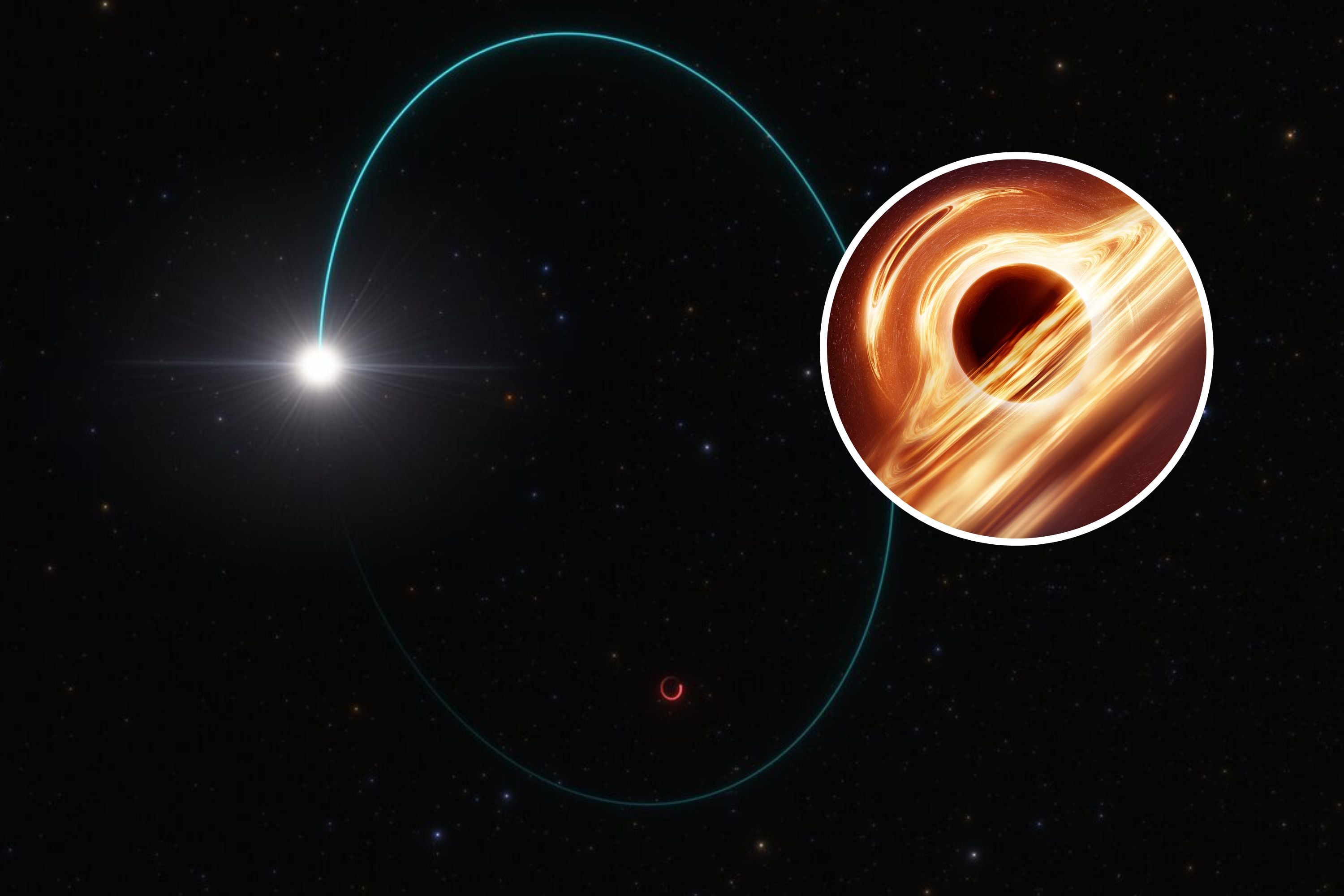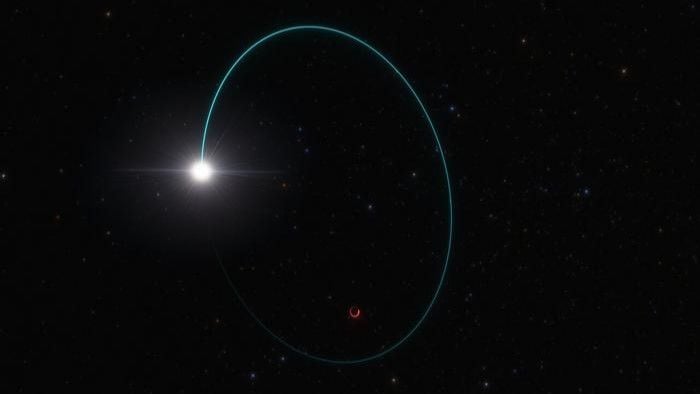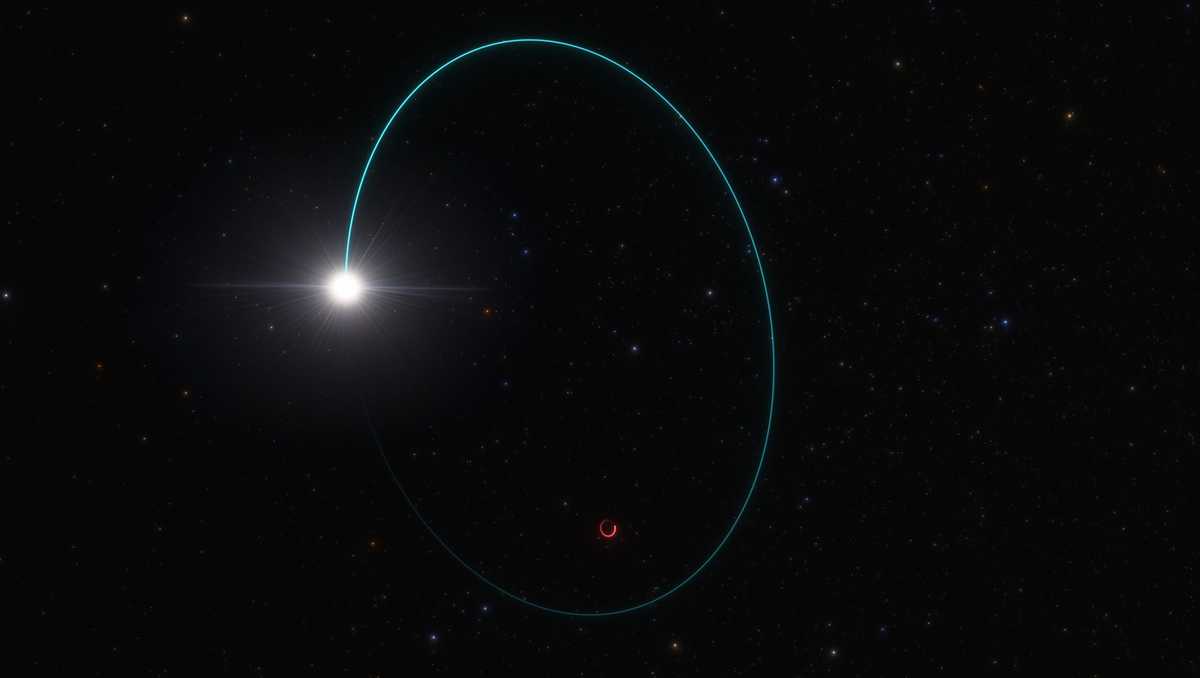
Astronomers have discovered the most massive known stellar black hole in the Milky Way, named Gaia BH3, located 1,926 light-years away in the Aquila constellation. This "sleeping giant" has a mass nearly 33 times that of our sun and was found through observations taken by the Gaia space telescope. The discovery offers new insights into the formation of high-mass black holes and their connection to metal-poor stars. This unexpected find has the potential to transform our understanding of astronomy and astrophysics.
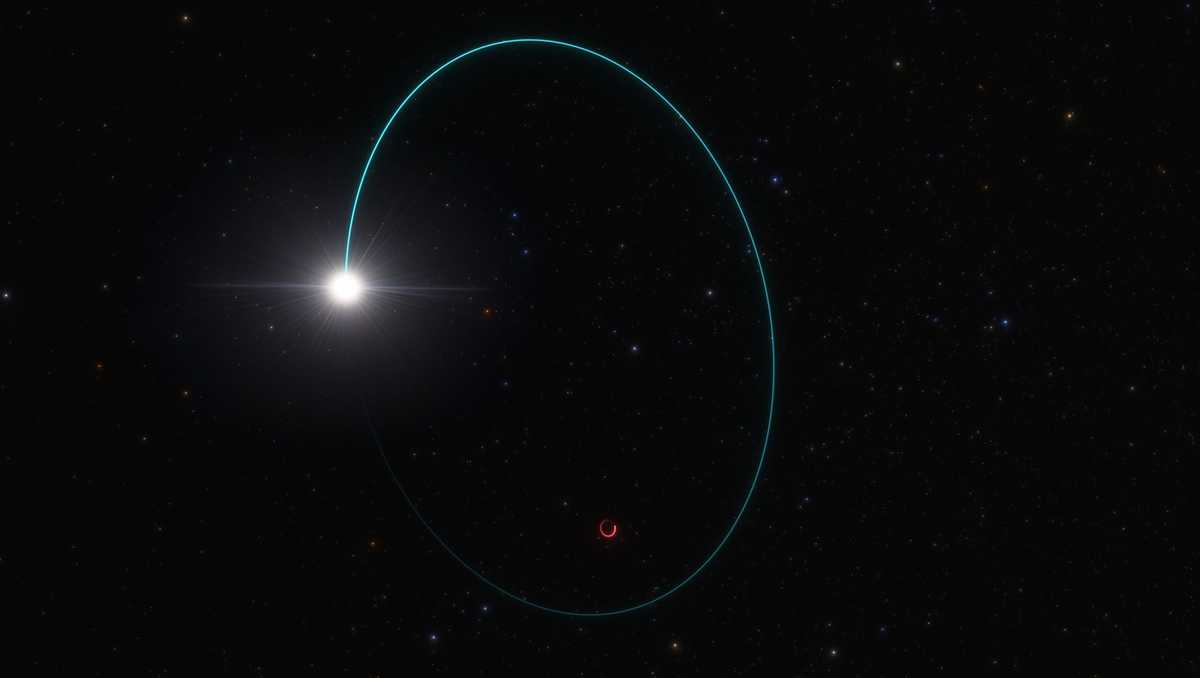
Astronomers have discovered the most massive known stellar black hole in the Milky Way, named Gaia BH3, located 1,926 light-years away in the Aquila constellation. This "sleeping giant" has a mass nearly 33 times that of our sun and was found through observations taken by the Gaia space telescope. The discovery offers new insights into the formation of high-mass black holes and their connection to metal-poor stars. The findings, published in Astronomy & Astrophysics, have the potential to transform our understanding of astronomy and astrophysics.
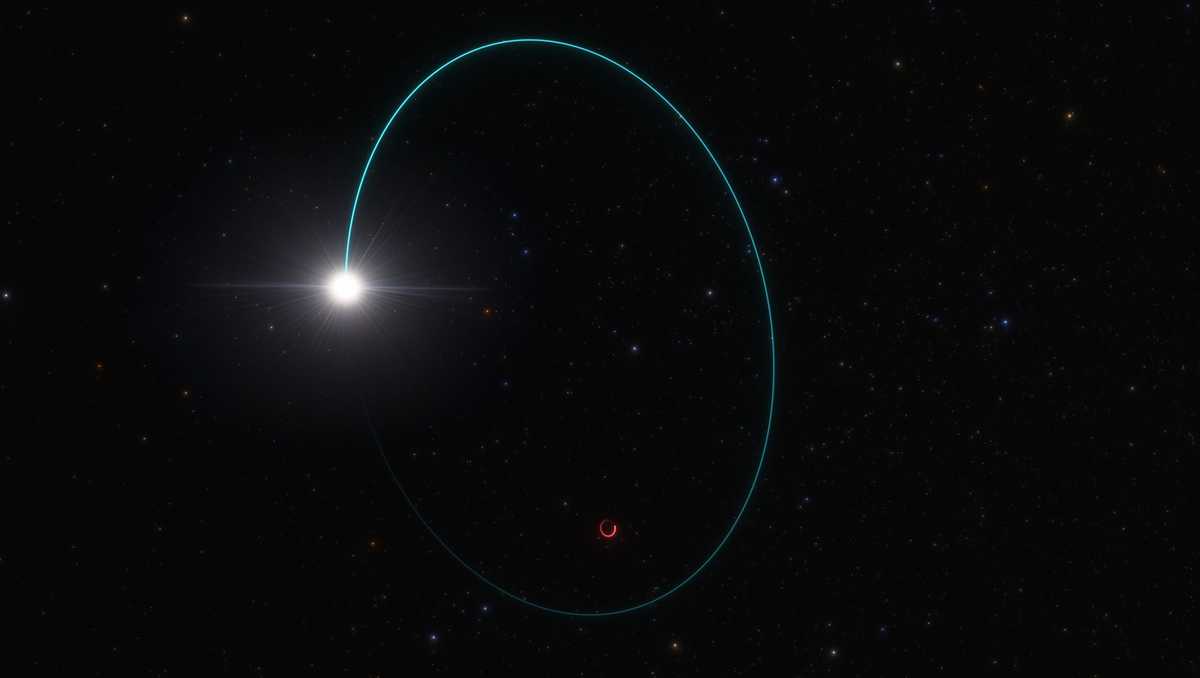
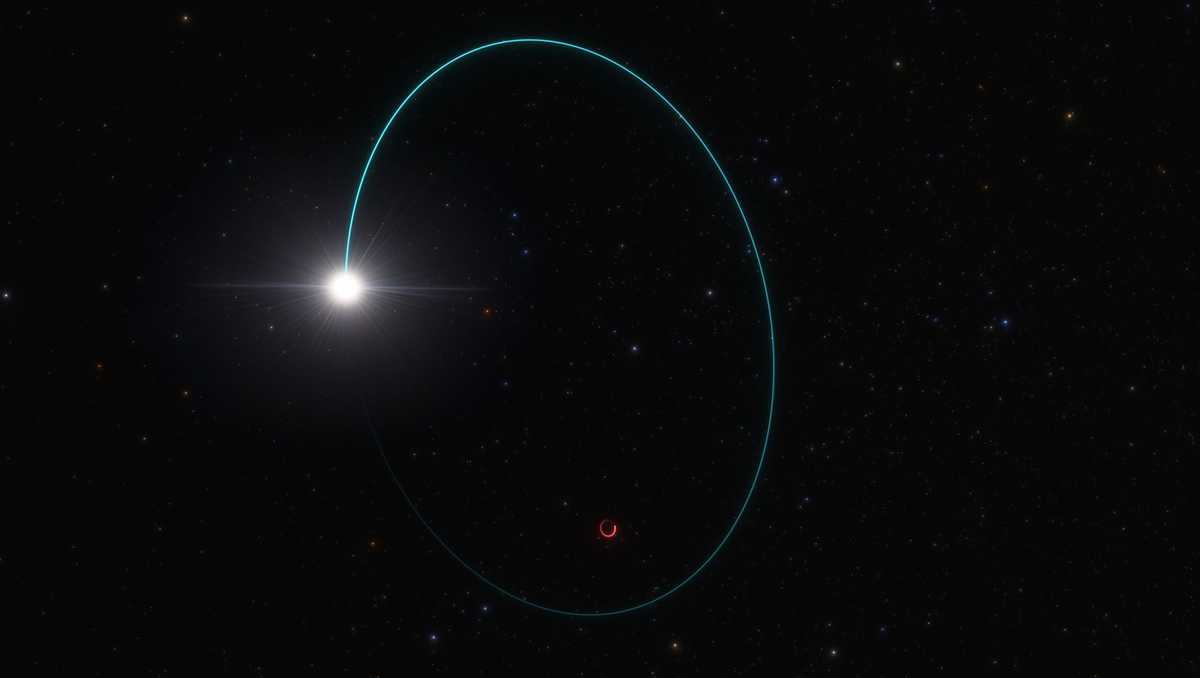
Astronomers have discovered the most massive known stellar black hole in the Milky Way, named Gaia BH3, located 1,926 light-years away in the Aquila constellation. This "sleeping giant" has a mass nearly 33 times that of our sun and was found through an unusual wobble in space. The discovery offers new insights into the formation of high-mass black holes and their connection to metal-poor stars. The findings, published in Astronomy & Astrophysics, were made using the European Space Agency’s Gaia space telescope and ground-based observatories. This unexpected discovery is expected to have a significant impact on astronomy and astrophysics.
Astronomers have discovered a massive stellar black hole, named Gaia BH3, in the Milky Way galaxy, located 1,926 light-years away in the Aquila constellation, making it the second-closest known black hole to Earth. This "sleeping giant" has a mass nearly 33 times that of our sun and was found through observations taken by the Gaia space telescope. The discovery offers new insights into the formation of high-mass black holes and their connection to metal-poor stars, shedding light on the secrets of ancient stars and the evolution of our galaxy.
Astronomers have discovered a black hole, named Gaia BH3, within the Milky Way with a mass 33 times greater than that of the sun, making it the second-largest known in our galaxy. Located 2,000 light-years away in the constellation Aquila, it has a companion star orbiting it and is peculiar in many aspects, including its direction of travel within the galaxy. The discovery supports stellar evolution models and raises questions about the maximum mass of stellar black holes.
Astronomers have discovered a massive stellar black hole, named Gaia BH3, located less than 2,000 light-years away in the Aquila constellation, making it the second-closest known black hole to Earth. This "sleeping giant" has a mass nearly 33 times that of our sun and was found through observations taken by the Gaia space telescope. The discovery offers new insights into the formation of high-mass black holes and their link to metal-poor stars, shedding light on the early universe.
Astronomers have discovered the largest stellar black hole, Gaia BH3, in our galaxy, which is around 33 times the mass of the sun and located 2,000 light years away. This once-in-a-lifetime find was made possible by analyzing data from the European Space Agency's Gaia mission, which revealed a star's wobbling motion caused by its orbit around the black hole. The discovery sheds light on the formation of high-mass black holes and challenges conventional wisdom about their origins, with further data expected to be released in 2025.
Astronomers have discovered the most massive stellar-mass black hole, named Gaia BH3, in the Milky Way, located roughly 2,000 light-years away in the constellation Aquila, making it the second-closest known black hole to Earth. This black hole is 33 times more massive than our sun and was found using the European Space Agency's Gaia spacecraft. The discovery provides insights into the formation and effects of black holes, and the star orbiting it is "metal poor," supporting a theory about the formation of small black holes.