Hundreds of public figures, including Nobel laureates, royalty, and celebrities, signed a statement calling for a global ban on developing AI superintelligence until it can be ensured to be safe and controllable, highlighting concerns over rapid AI advancements and potential risks to humanity.
Jaan Tallinn, the founding engineer of Skype and member of the Future of Life Institute, warns of the dangers of advancing AI technologies too quickly. He expresses concerns about the potential for an AI arms race and the use of "slaughterbots" by military forces. Tallinn emphasizes the need for humanity to remain in control of AI and urges necessary precautions to ensure a positive future.
Jaan Tallinn, a founding engineer of Skype and founder of the Future of Life Institute, has warned about the risks of an AI arms race, expressing concerns about the development of weaponized artificial intelligence. He referred to the short film "Slaughterbots," which depicts a dystopian future where militarized killer drones powered by AI dominate the world. Tallinn emphasized that putting AI in the military could make it difficult for humanity to control its trajectory, leading to swarms of miniaturized drones that can be produced and released without attribution. The Future of Life Institute, which shares Tallinn's concerns, has previously called for a pause on advanced AI development.
Ray Kurzweil, a director of engineering at Google and a member of the board at Singularity Group, responded to the Future of Life Institute's recent call to pause the development of algorithms more powerful than OpenAI's GPT-4. Kurzweil believes that the criterion is too vague and faces a serious coordination problem. He suggests that safety concerns can be addressed in a more tailored way that doesn't compromise vital lines of research, such as AI in medicine, education, and renewable energy.
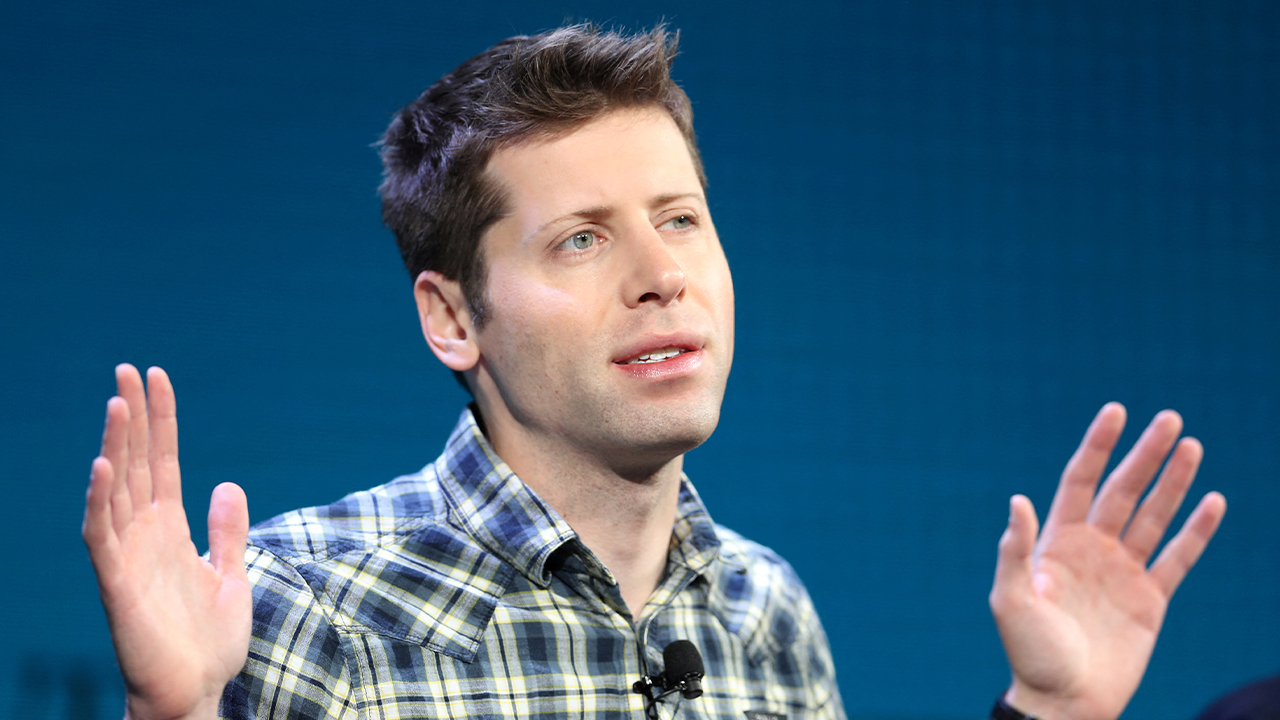
OpenAI CEO Sam Altman agrees with the safety component of a letter signed by Elon Musk and other tech leaders calling for a pause on "giant AI experiments," but says the letter wasn't the optimal way to address the issue. The letter, made by the Future of Life Institute and signed by over 1,000 people, called for a pause to develop safety protocols for advanced AI design and development that are rigorously audited and overseen by independent outside experts. People who signed the letter said that AI development overall shouldn't be paused, but called for "stepping back from the dangerous race to ever-larger unpredictable black-box models with emergent capabilities."
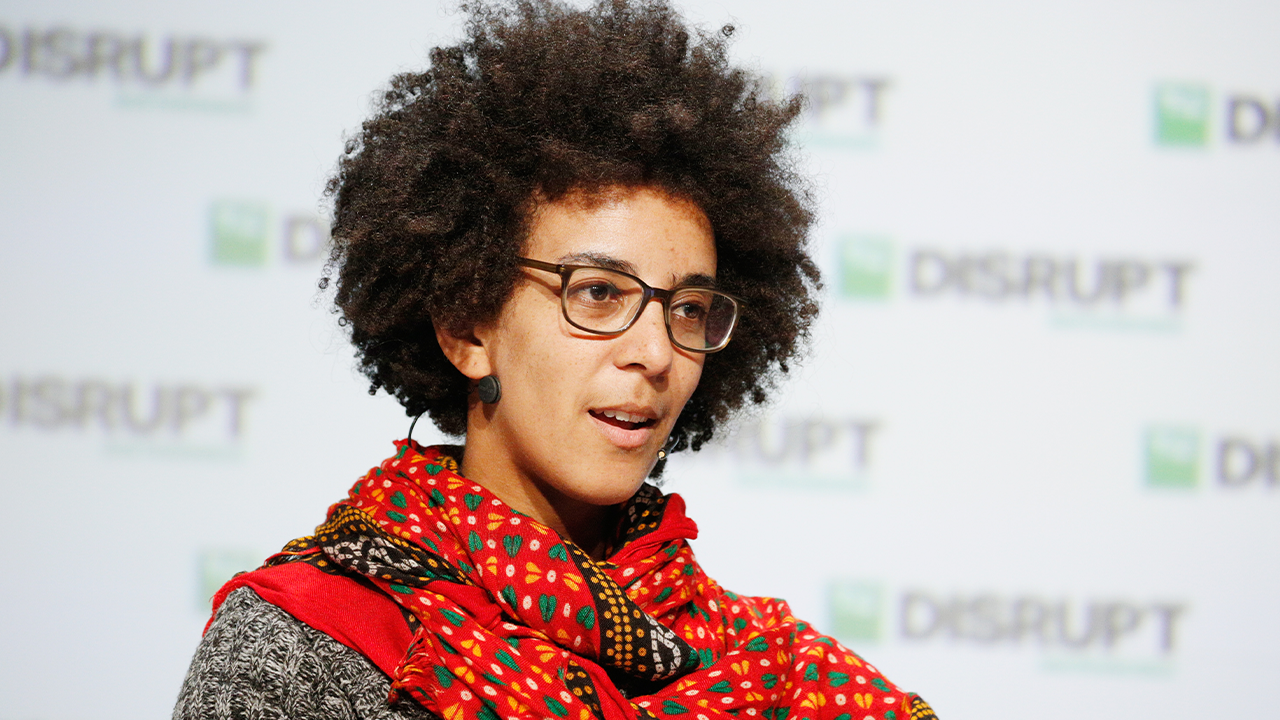
AI experts cited in an open letter calling for a pause on AI research have distanced themselves from the letter and criticized it for "fearmongering." The four experts, including Timnit Gebru and Margaret Mitchell, argue that the letter spreads "AI hype" and inflates the capabilities of automated systems. The letter, published by the Future of Life Institute, has garnered over 2,000 signatures, including from Elon Musk and Steve Wozniak. While some experts agree with the letter's contents, others disagree with how their research was used and argue that the focus should be on the exploitative practices of companies claiming to build powerful AI systems.
AI expert Eliezer Yudkowsky believes that the US government should shut down the development of powerful AI systems, claiming that AI could become smarter than humans and turn on them. He disputes the six-month "pause" on AI research suggested by tech innovators, including Elon Musk, and argues that the most likely result of building a superhumanly smart AI is that everyone on Earth will die. Yudkowsky proposes international cooperation to solve the safety of superhuman intelligence, which he claims is more important than preventing a full nuclear exchange.
Elon Musk, Steve Wozniak, Andrew Yang, and over 1,000 others signed an open letter to AI labs urging them to pause production of AI models more powerful than GPT-4 for at least six months so potential risks can be studied. The letter comes from the Future of Life Institute, a nonprofit that campaigns for responsible use of artificial intelligence. The letter urged AI labs and experts to work together to develop safety protocols for AI design and development, which should then be audited and overseen by independent outside experts.
Over 2,600 tech leaders and researchers, including Elon Musk and Steve Wozniak, have signed an open letter calling for a temporary pause on further AI development, citing concerns about the "profound risks to society and humanity" posed by human-competitive intelligence. The Future of Life Institute has called on all AI companies to "immediately pause" training AI systems that are more powerful than GPT-4 for at least six months. The institute also suggested that the entrepreneurial efforts of these AI companies may lead to an existential threat.
Elon Musk, Steve Wozniak, and Andrew Yang are among the 1,124 people who signed an open letter calling for a six-month pause on AI development due to the potential risks to society and humanity. The letter points to OpenAI's GPT-4 as a warning sign and suggests that AI development should be made more accurate, safe, interpretable, transparent, robust, aligned, trustworthy, and loyal while working alongside lawmakers to create AI governance systems.
Tech leaders, including Elon Musk and Bill Gates, have signed a letter calling for a pause in the training of the most powerful AI systems for at least six months, citing "profound risks to society and humanity." The letter, published by the Future of Life Institute, also calls for independent experts to develop and implement a set of shared protocols for AI tools that are safe "beyond a reasonable doubt." The wave of attention around AI tools has sparked concerns about biased responses, misinformation, and consumer privacy.
Over 1,000 tech leaders and researchers, including Elon Musk, have signed an open letter calling for a moratorium on the development of the most advanced artificial intelligence (AI) systems, citing "profound risks to society and humanity." The letter urges a pause in the development of AI systems more powerful than GPT-4, the chatbot introduced this month by OpenAI, which Musk co-founded. The pause would provide time to implement "shared safety protocols" for AI systems, the letter said.
Over 1,100 AI experts, including Elon Musk, have signed an open letter calling for a moratorium on the development of AI systems more powerful than GPT-4 for at least six months. The letter, released by the Future of Life Institute, warns that society is not ready for the increasingly advanced systems that labs are racing to deploy. The signatories include foundational figures in artificial intelligence, including Yoshua Bengio, Stuart Russell, and Victoria Krakovna. The letter argues that we need to slow down AI progress and ask ourselves whether we should let machines flood our information channels with propaganda and untruth, automate away all jobs, develop nonhuman minds that might eventually replace us, or risk loss of control of our civilization.
Elon Musk and other tech leaders have signed an open letter from the Future of Life Institute calling on AI labs to pause the development of systems that can compete with human-level intelligence. The letter urges AI labs to cease training models more powerful than GPT-4, the latest version of the large language model software developed by U.S. startup OpenAI. The Future of Life Institute campaigns for the responsible and ethical development of artificial intelligence and is calling on all AI labs to "immediately pause for at least 6 months the training of AI systems more powerful than GPT-4."
Elon Musk and several AI researchers have signed an open letter calling for a pause on the development of large-scale AI systems, citing concerns over the risks they pose to society and humanity. The letter calls for a six-month pause on the training of AI systems more powerful than GPT-4 and for the development of shared safety protocols for advanced AI design and development. The signatories suggest that governments should step in and institute a moratorium if the pause cannot be enacted quickly.