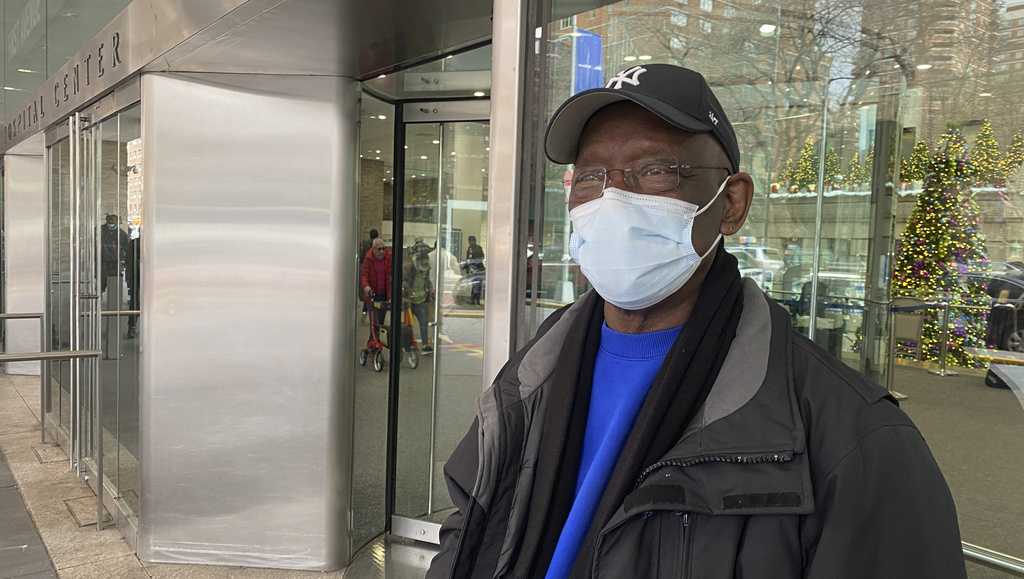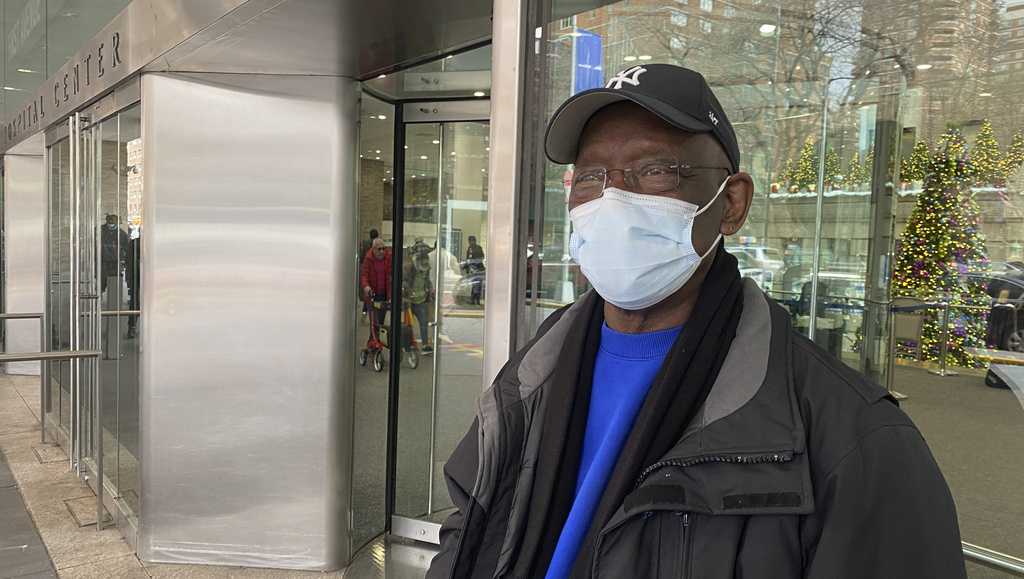
Several states, including New York, California, Illinois, Massachusetts, North Carolina, Washington, and Wisconsin, are reinstating mask mandates in hospitals due to a rise in COVID-19 and flu cases. The mandates are focused on patient care areas to protect both patients and medical workers. This comes as hospital admissions for COVID-19 and influenza have increased nationally, with the CDC reporting a significant rise in hospitalizations and flu activity. Health officials emphasize the importance of masking in reducing transmission, while the CDC provides guidelines for informed decision-making regarding mask use. Not all medical professionals agree on universal mask mandates, with some advocating for targeted use in high-risk settings.
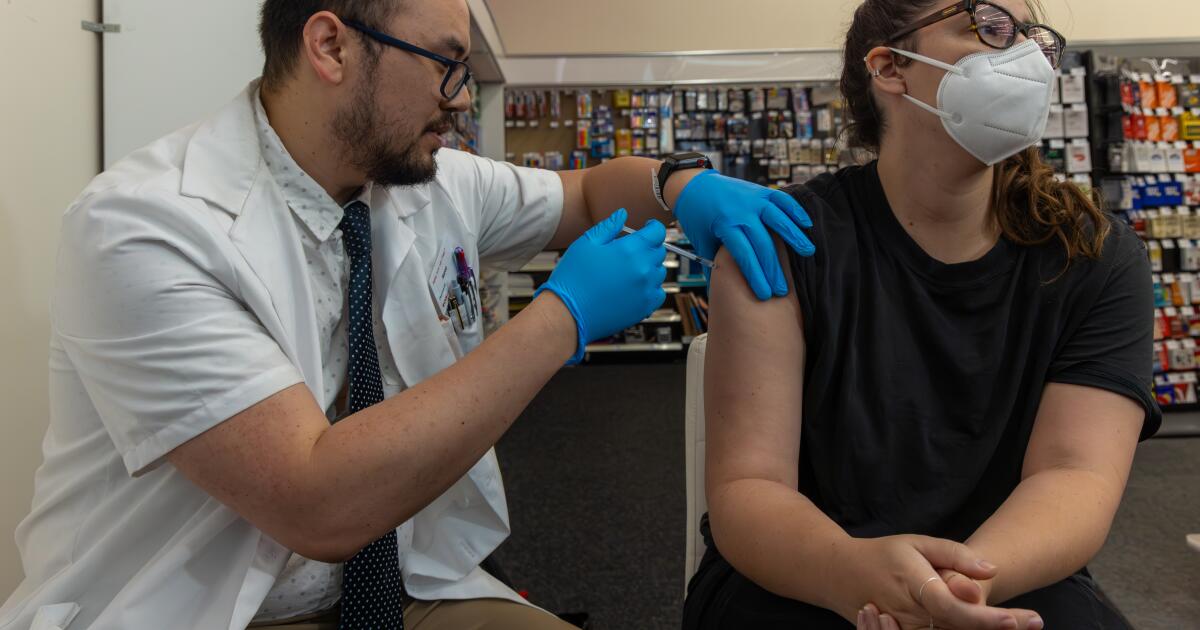
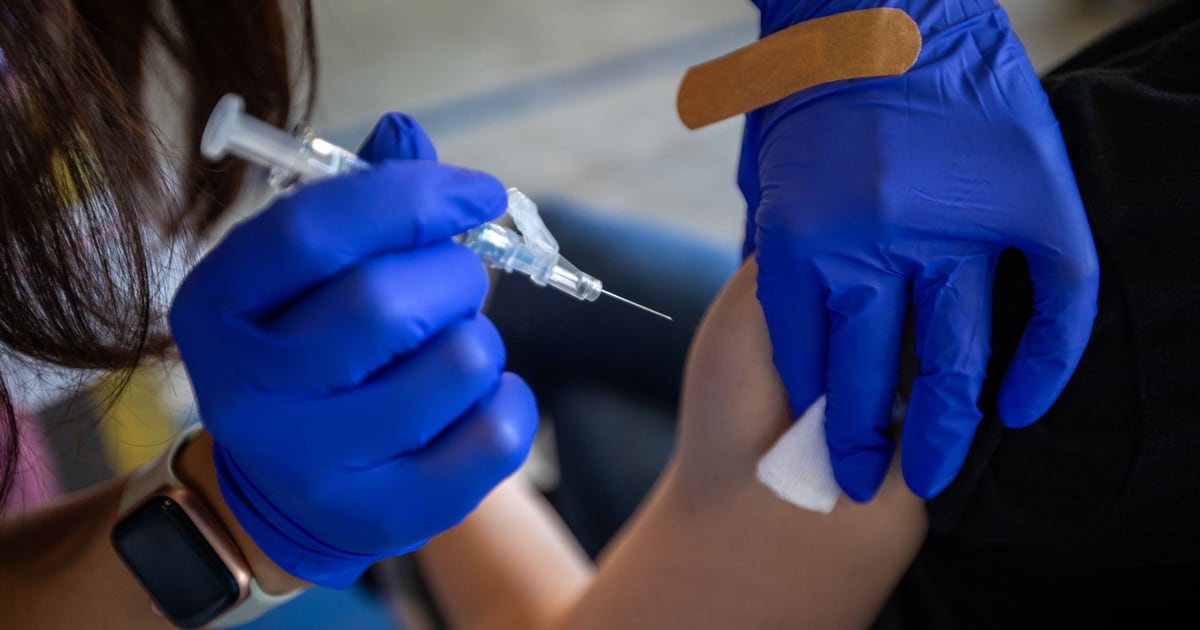
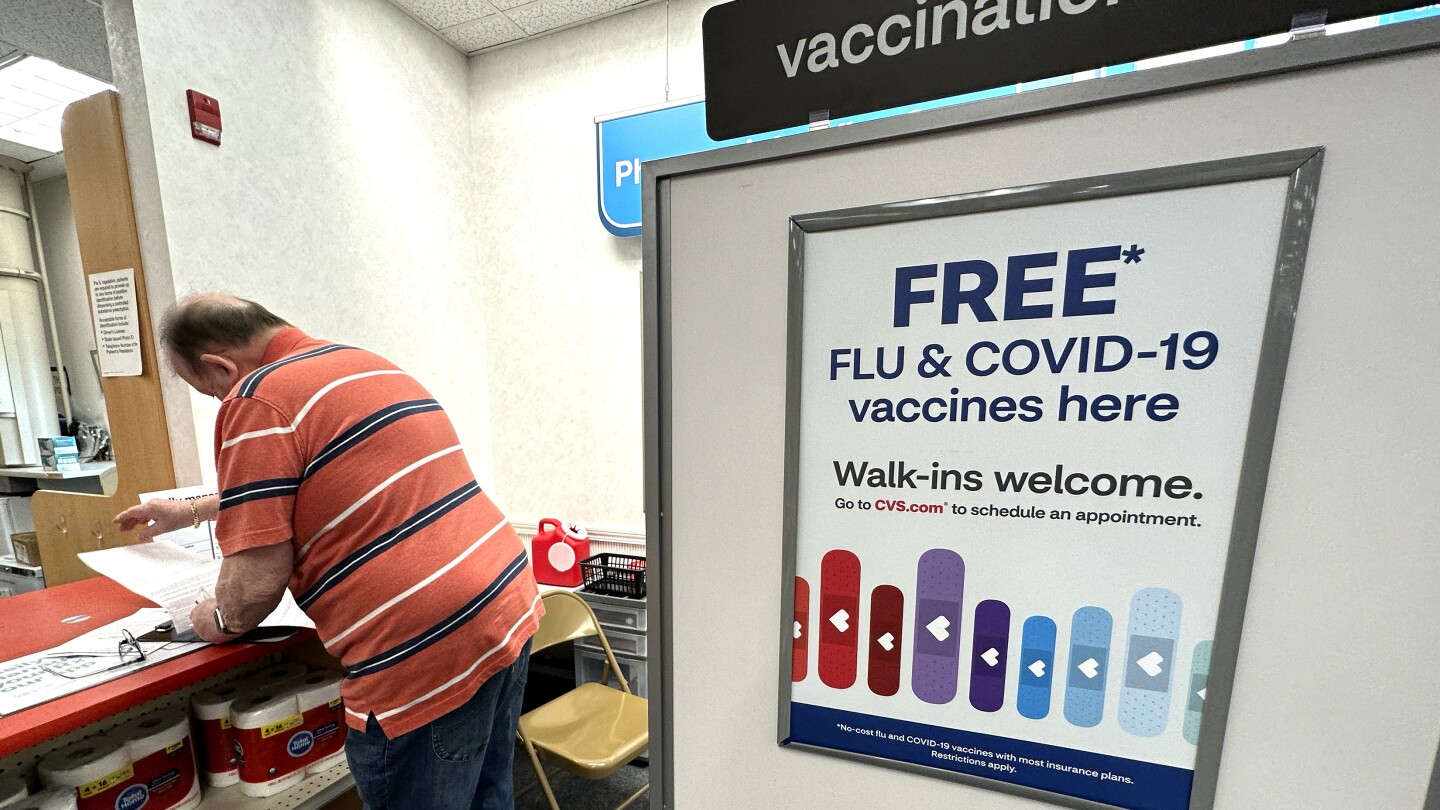
California is experiencing a significant rise in COVID-19 and flu cases during the winter season, with experts warning that the worst may still be ahead. Positive test rates and hospital admissions have increased, but the severity of illnesses is generally lower compared to the previous year's "tripledemic" of COVID, flu, and RSV. Health officials emphasize the importance of vaccinations, including updated COVID-19 and flu shots, to prevent severe disease and complications. Despite fewer critical cases, the potential for long-term effects such as long COVID and increased risk of heart attacks and strokes post-infection remains a concern.
The U.S. is experiencing a significant spike in Covid-19 and flu cases due to a new Covid-19 variant coinciding with the winter flu season, leading to an increased number of emergency room visits and raising concerns about potential strain on hospital systems.
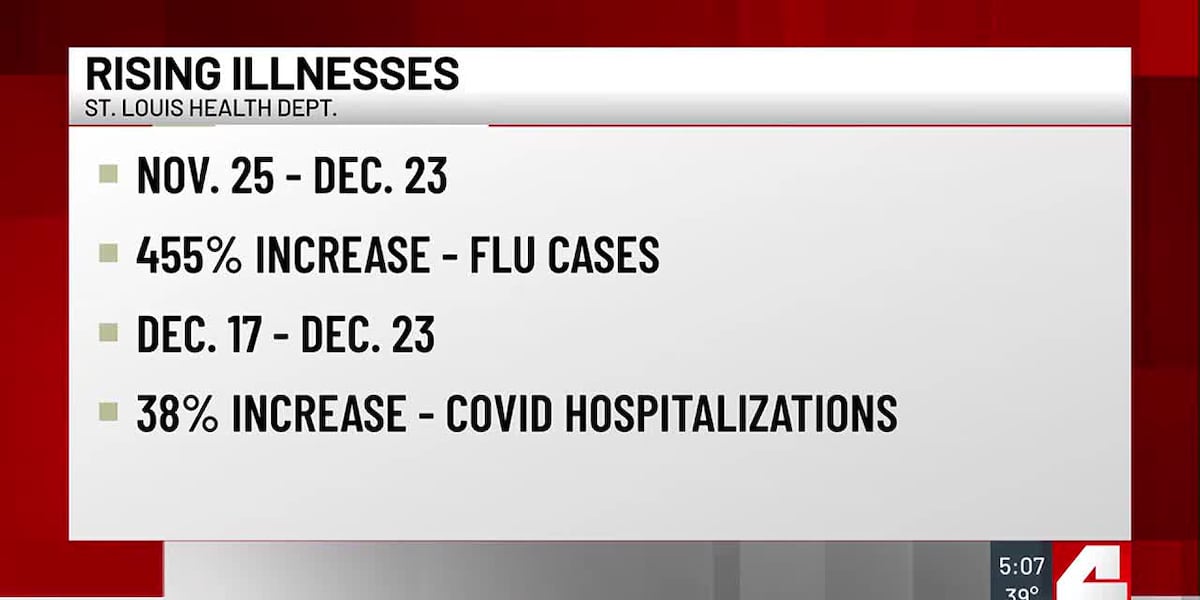
St. Louis City briefly implemented a mask mandate for city employees due to a significant increase in respiratory illnesses, including a 455% rise in flu cases and higher COVID hospitalizations, before quickly changing the policy to a strong recommendation instead of a mandate. Health officials, noting milder cases of illness, continue to emphasize the importance of vaccinations, distancing, and mask-wearing to prevent the spread of diseases. St. Louis County has reinstated a mask mandate for healthcare workers in direct contact with patients and is monitoring the situation for potential policy changes.
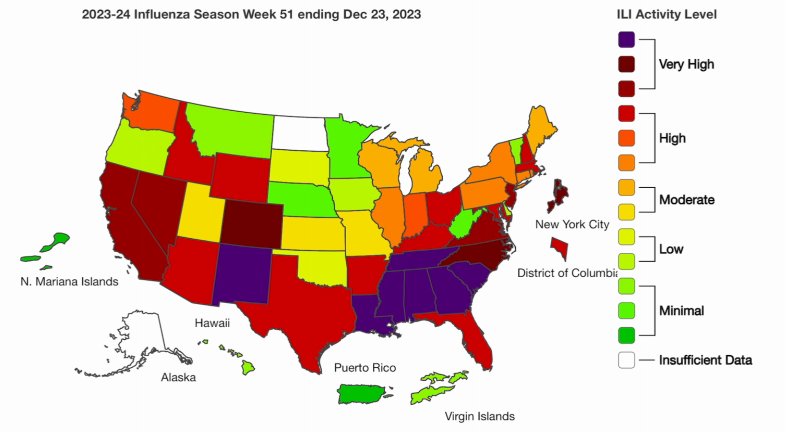
Georgia is experiencing a significant rise in flu cases, with flu activity labeled as "very high" and the state being one of nine in the U.S. with the highest levels of flu-like illnesses. The percentage of doctor visits for flu-like symptoms has increased, and 274 people were hospitalized in the last week of December in the metro Atlanta area. Health officials are concerned about the late peak of the flu season and are urging vaccinations, as rates are particularly low in Georgia compared to national averages. The flu vaccine is considered a good match for circulating strains, and vaccination is emphasized as a key measure to prevent serious illness and complications. COVID and RSV are also present, with COVID hospitalizations slightly rising but still lower than previous years, while RSV is on the decline.
The U.S. is experiencing a worsening flu season, with 38 states reporting high levels of respiratory illnesses, which may include COVID-19 and other viruses. The CDC anticipates elevated illness rates for several more weeks, although this is considered a moderate flu season. Flu shots appear to be effective against the prevalent strain. COVID-19 hospitalizations have not reached the levels of previous winters, but a new variant, JN.1, is now dominant. There is uncertainty about the peak of the current surge, with at least 10 million flu illnesses, 110,000 hospitalizations, and 6,500 deaths, including 27 children, reported since October.
The CDC has reported an 18% increase in influenza positivity and a rise in respiratory illness symptoms nationwide, with 21 states and New York City experiencing "very high" levels of sickness. Hospital admissions for COVID have also increased by 20%, and RSV cases are on the rise. Despite the growing numbers, the peak of flu season is expected in February, and current data may not fully capture the extent of the illnesses, as it is based on symptoms reported to healthcare facilities rather than lab-confirmed cases. The CDC estimates at least 10 million illnesses, 110,000 hospitalizations, and 6,500 deaths this flu season, including 27 pediatric fatalities.
The Panhandle in Nebraska has reported its first child fatality related to the flu this season, marking the third pediatric death in the state and the 20th nationwide. The Panhandle Public Health District (PPHD) has the highest flu case rate in Nebraska, and health officials are urging vaccinations for everyone over 6 months old, especially high-risk groups. Free vaccination programs are available, and the PPHD Director has shared prevention tips, including avoiding contact with sick individuals and practicing good respiratory hygiene.
U.S. hospitals are reinstating mask mandates and visitor restrictions due to a surge in flu and COVID-19 cases post-holidays. Despite a potentially less deadly season, health officials anticipate significant hospitalizations and deaths. New York City, Los Angeles, and Massachusetts hospitals have implemented stricter measures. The CDC encourages vaccinations and treatment, noting lower vaccination rates this year and monitoring new COVID-19 variants like JN.1. Hospitals are adapting to the increased prevalence of respiratory illnesses, with some, like Hillsdale Hospital in Michigan, limiting visitors to protect vulnerable patients.
U.S. hospitals are reinstating mask mandates and visitor restrictions due to a surge in flu and COVID-19 cases post-holidays. Despite a potentially less deadly season, health officials anticipate significant hospitalizations and deaths. New York City, Los Angeles, and Massachusetts hospitals have implemented stricter measures. The CDC encourages vaccinations and precautions, noting lower vaccination rates this year. A new COVID-19 variant, JN.1, is under observation, but current vaccines and treatments remain effective. Hospitals are also adapting to the simultaneous spread of multiple respiratory illnesses, including RSV, especially among children.
U.S. hospitals are reinstating mask mandates and visitor restrictions due to a surge in flu and COVID-19 cases post-holidays. Although the season is not expected to be as deadly as previous ones, significant hospitalizations and deaths are anticipated. New York City, Los Angeles, and Massachusetts hospitals have implemented such measures. Health officials encourage vaccinations and caution as flu cases, caused by a less severe strain, are on the rise, and COVID-19 cases are less dramatic but more severe. Vaccination rates are lower this year, and a new COVID-19 variant, JN.1, is being monitored. The CDC advises the public to use their website for local guidance on precautions.
Tennessee hospitals, particularly in Knoxville, are experiencing an increase in patients due to the flu, COVID-19, and RSV. Health officials are implementing preventative measures, such as visitor restrictions and advising sick individuals to stay home. They emphasize handwashing, staying home when sick, and keeping up with vaccinations as key defenses. The health department also reminds the public that it's not too late to get a flu shot, available at local pharmacies and doctor's offices.
Amid a surge in COVID-19, influenza, and other respiratory illnesses, Long Island hospitals are recommending, but not mandating, masks for staff and visitors, contrasting with New York City's public hospitals which have imposed a mask mandate. Despite the rise in hospitalizations, Long Island's figures remain below the peaks of January 2023 and 2022. Experts, including those from Johns Hopkins University, advocate for mask-wearing in healthcare settings to protect vulnerable patients, especially during high levels of respiratory viruses. Health officials encourage vaccinations and mask-wearing as effective measures to prevent the spread of these illnesses.
The United States is experiencing a seasonal increase in respiratory illnesses, including COVID-19, flu, and RSV, coinciding with cooler weather and holiday gatherings. The new COVID variant JN.1, while highly transmissible, is not causing a significant rise in severe cases or hospitalizations. Despite this, there is a noticeable decline in vaccine uptake due to fatigue and skepticism, leading to underutilization of updated vaccines. Hospitals in some regions are reinstating mask mandates in response to the uptick in cases. Public health experts continue to advocate for vaccination and prompt treatment, especially for high-risk individuals, and the U.S. government is offering free COVID tests to households to combat the spread during the fall and winter seasons.
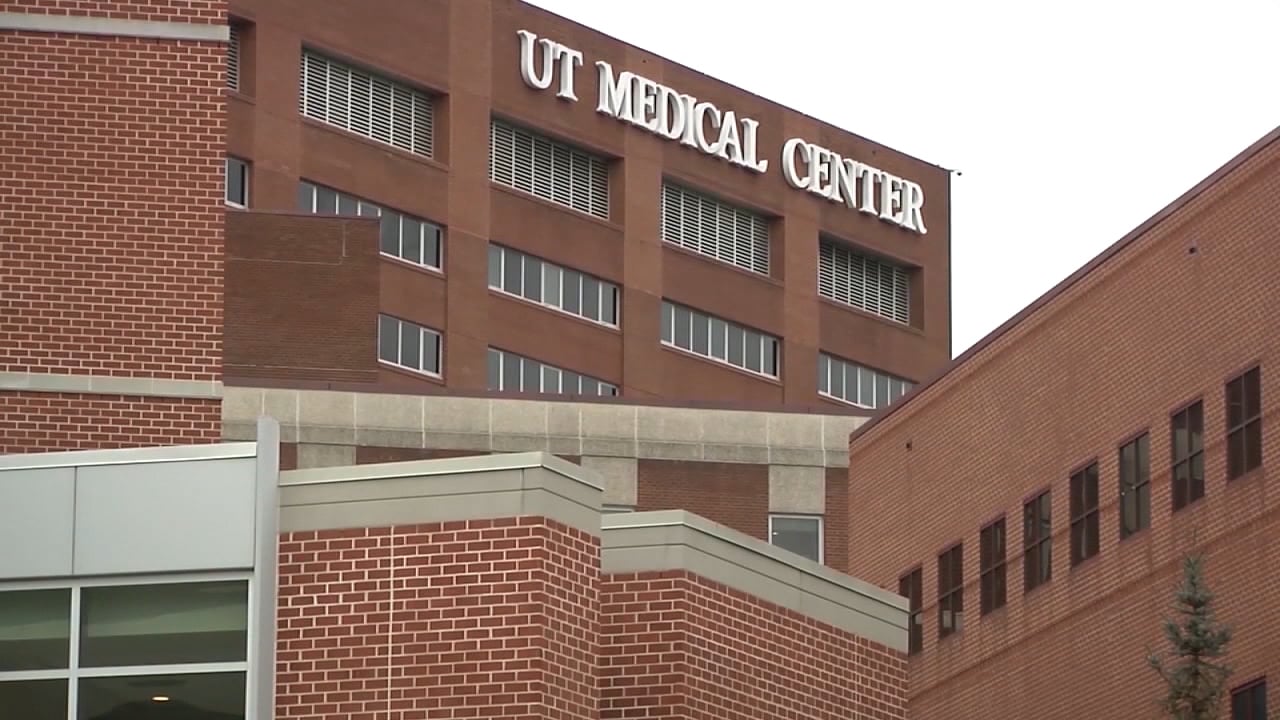
The University of Tennessee Medical Center has imposed visitor restrictions due to a surge in flu and COVID-19 cases. Children under 12 and individuals showing symptoms of illness are currently barred from visiting patients, although those seeking medical care are exempt. The decision follows CDC data indicating "very high" levels of respiratory illness in Tennessee, with a notable increase during the holiday season. The flu has already resulted in an estimated 4,500 deaths this season, including 20 children.