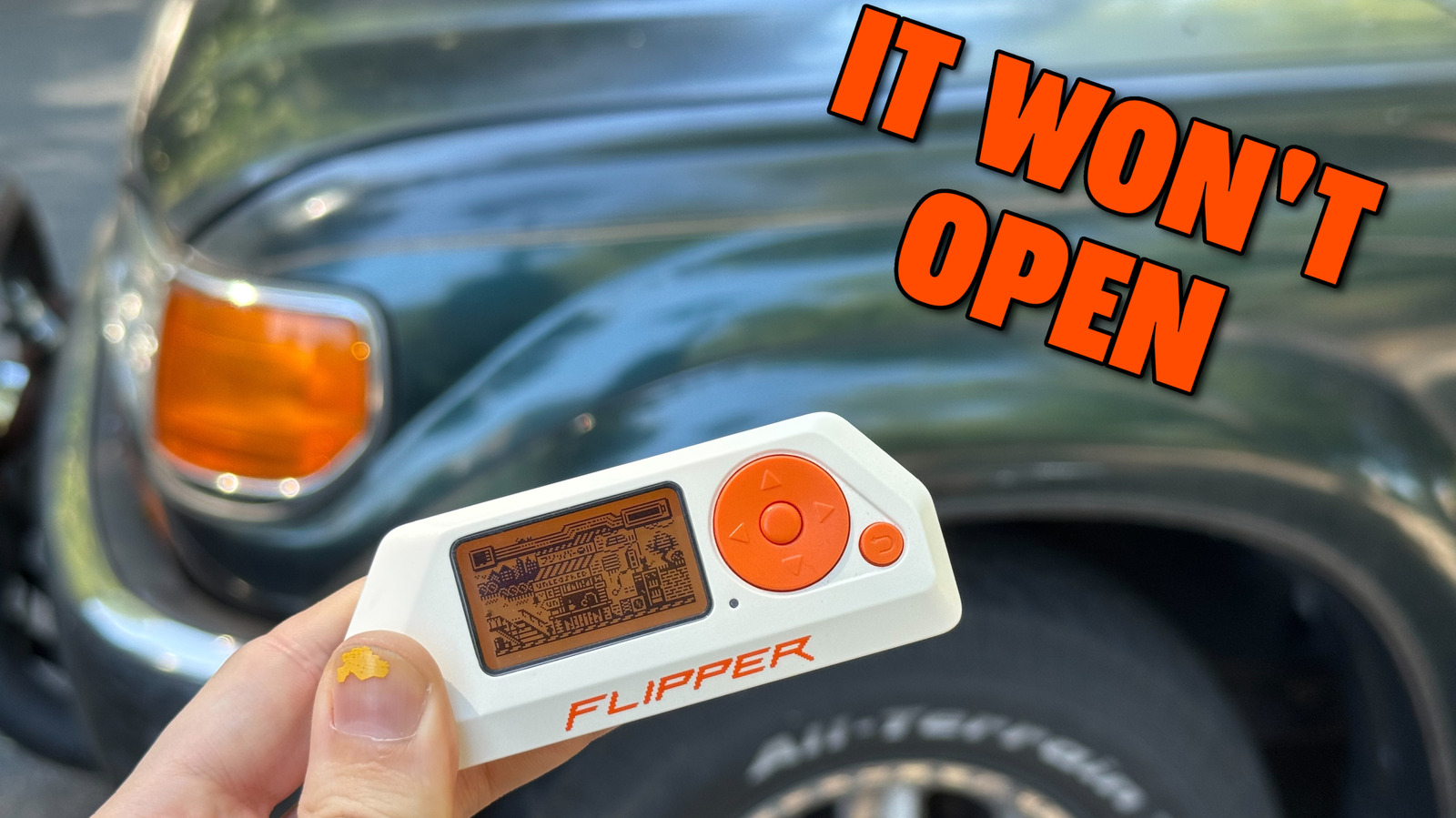
The Flipper Zero can be used to unlock modern cars by exploiting vulnerabilities in the car's security system, specifically through reverse-engineering the rolling code algorithm, but the device itself isn't the core issue—it's the leak or reverse-engineering of automakers' security codes that enables these attacks.
The Chevrolet Camaro ZL1 is identified as America's most stolen vehicle, with a theft rate 39 times higher than average for recent model years, primarily due to its high horsepower and vulnerabilities in onboard data ports, despite recent security updates from GM. High-performance and expensive vehicles, especially pickup trucks, are more targeted by thieves, while electric and hybrid vehicles are less frequently stolen due to their lower street presence and charging requirements.
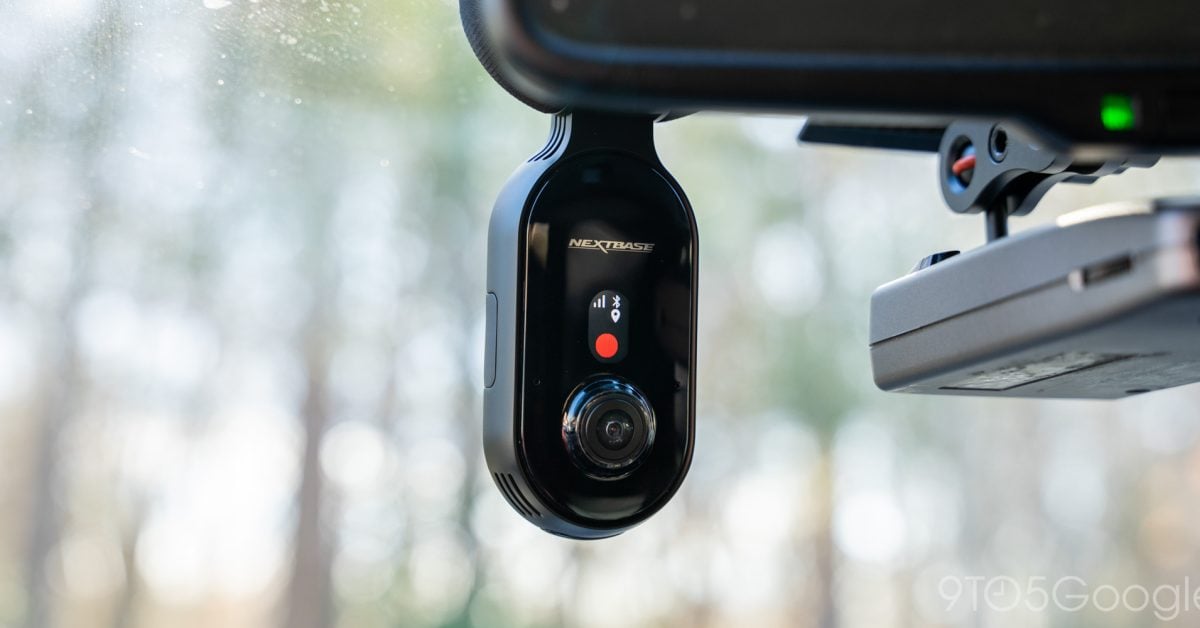
The Nextbase IQ dashcam offers advanced features such as LTE connectivity, always-on recording, and remote video downloads, making it akin to a Nest Cam for your car. It provides a full view of the external and internal vehicle, and its Smart Sense Parking feature turns it into a motion detector for security. The emergency SOS feature and Witness Mode add further value, although the subscription tiers and pricing may make it too expensive for some users.
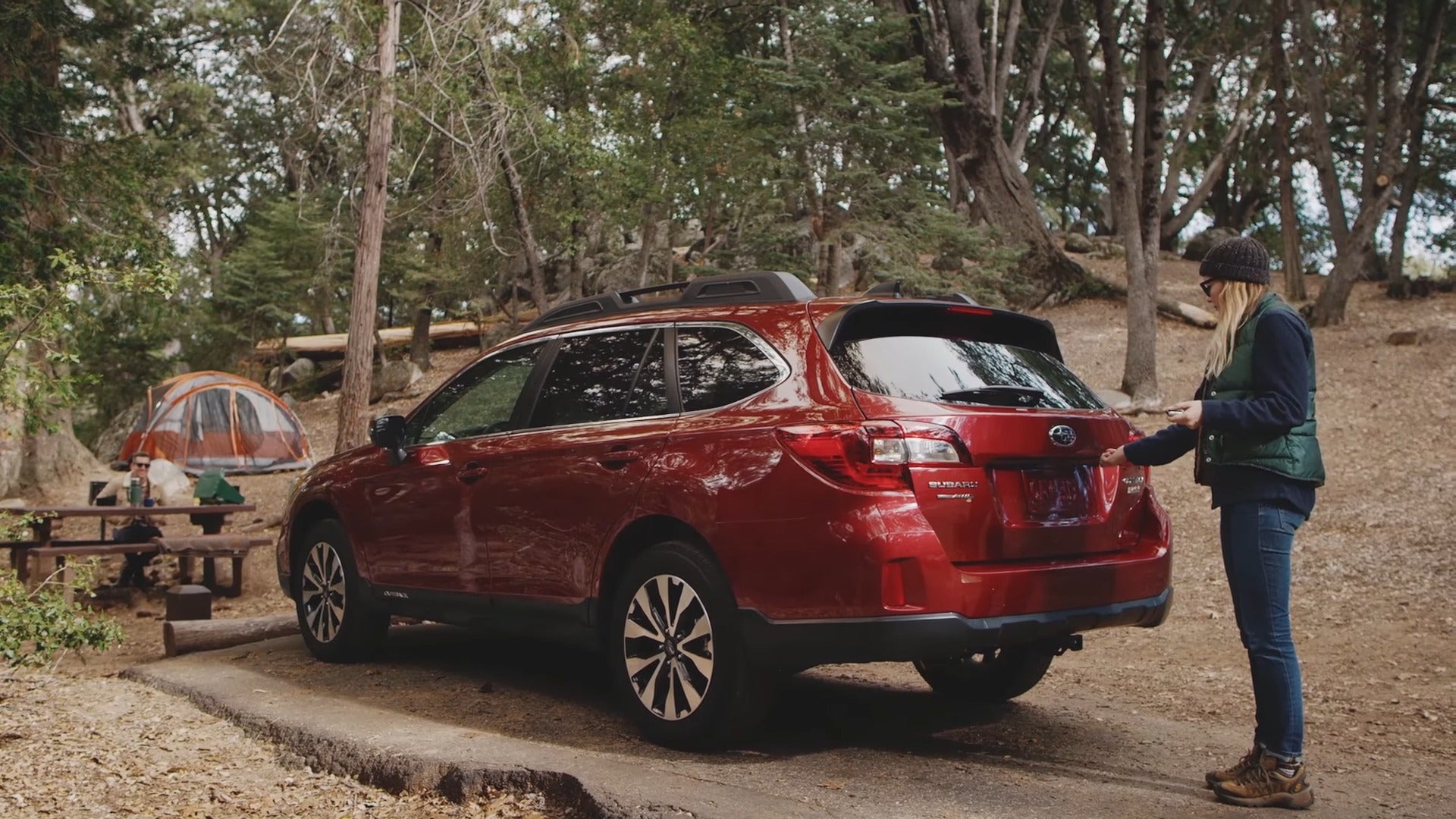
Subaru's PIN-code entry system allows the entry of a numeric code via the trunk latch button for a stealthy entry. It requires disabling keyfob access first by pressing a particular button combination on the keyfob and locking the doors manually. To get back into the car, it's as simple as entering a five-digit PIN using the rear hatch button. It's a low development-lift feature that has been available on all Subarus built with the Keyless Access system since 2015.
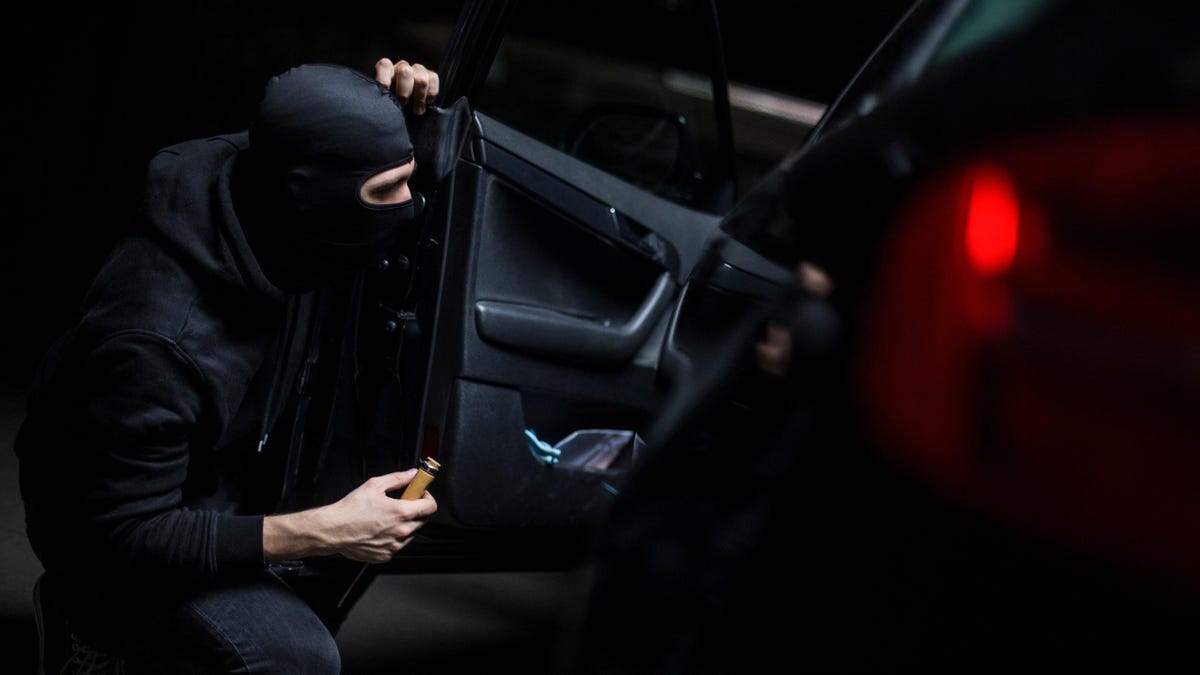
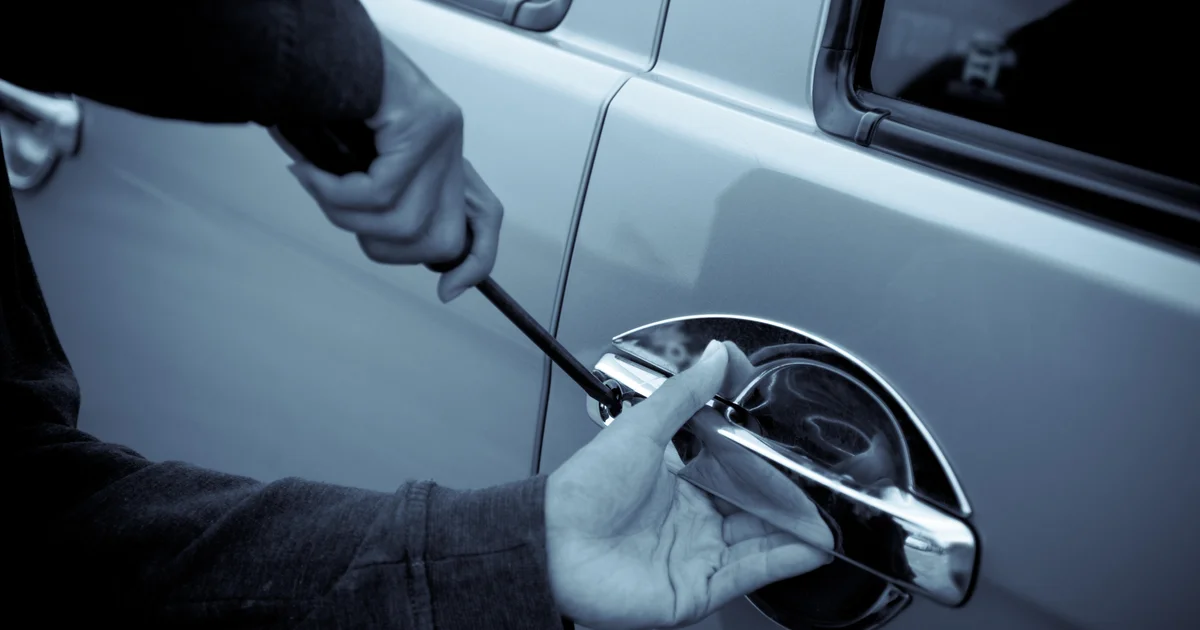
Thieves have found a new way to bypass electronic security on modern cars by using a method called CAN injection, which relies on physical access to a car's CAN bus. By tapping into the data wires that run through a car, a thief can inject malicious commands into the network, allowing them to wake up the car's computer controllers, falsify the presence of the car key, and drive off. This attack requires a thief to partially disassemble the target car, but it entirely bypasses the car's key, unlike relay attacks that simply extend the key's radio range. Automakers can implement a "zero trust" approach to stop these kinds of attacks, but it would require a new commitment to security.
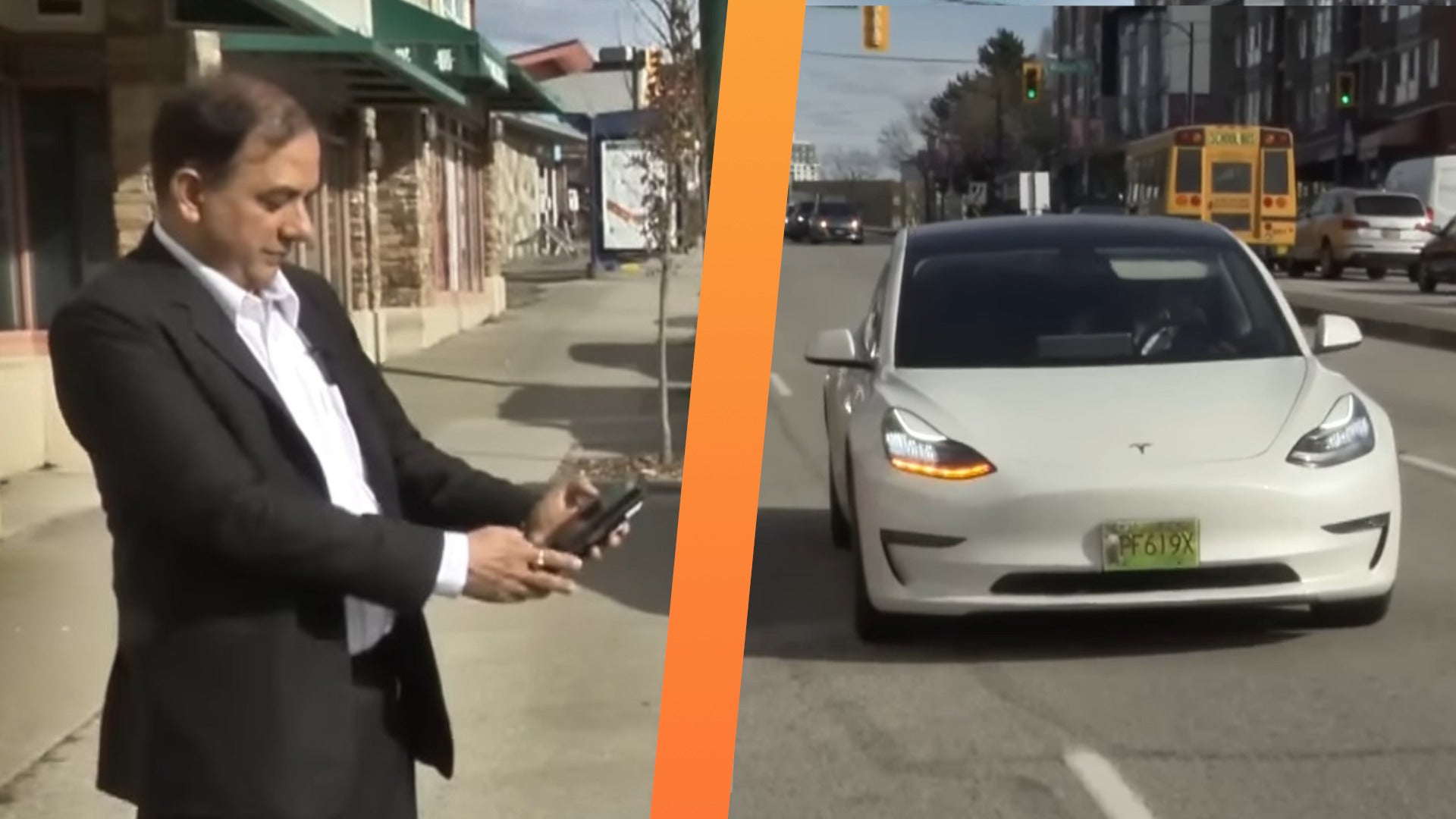
A Tesla owner in Canada accidentally drove away in someone else's car after a glitch in the Tesla app allowed him to unlock and drive the wrong vehicle. The owner only realized his mistake when he received a text from the other car's owner. The two men were able to laugh about the situation and notified the police to make a report on the matter, with no action taken by the police regarding the honest mistake. It is unclear how the app allowed the owner to unlock and drive the wrong car, and Tesla has not commented on the matter.